


The landscape of men's grooming has evolved dramatically over the past decade, with skincare moving from niche territory into mainstream self-care. Modern men understand that healthy skin isn't about vanity-it's about protection, confidence, and long-term wellness. Yet navigating the crowded world of skin care products for men remains challenging, with marketing claims often outpacing practical guidance. This comprehensive guide cuts through the noise to help you build a structured, effective skincare routine based on your specific needs and skin type.
Understanding Male Skin Biology
Men's skin differs structurally from women's skin in several measurable ways. Testosterone stimulates increased sebum production, making male skin approximately 25% oilier on average. This biological difference explains why men commonly experience enlarged pores, increased shine, and higher rates of acne well into adulthood.
Key Structural Differences
Male skin is roughly 20% thicker than female skin, with a denser collagen network that provides natural firmness. However, this advantage diminishes over time-when collagen breakdown begins, it typically occurs more rapidly in men. Understanding these fundamental differences helps explain why skin care products for men should address specific concerns rather than simply repackaging generic formulations.
- Higher sebum production requiring lightweight, non-comedogenic formulations
- Thicker dermis that responds well to penetrating active ingredients
- Larger pores that benefit from regular exfoliation and pore-refining treatments
- Coarser facial hair creating unique challenges around shaving and irritation
- Later signs of aging but more pronounced when they appear
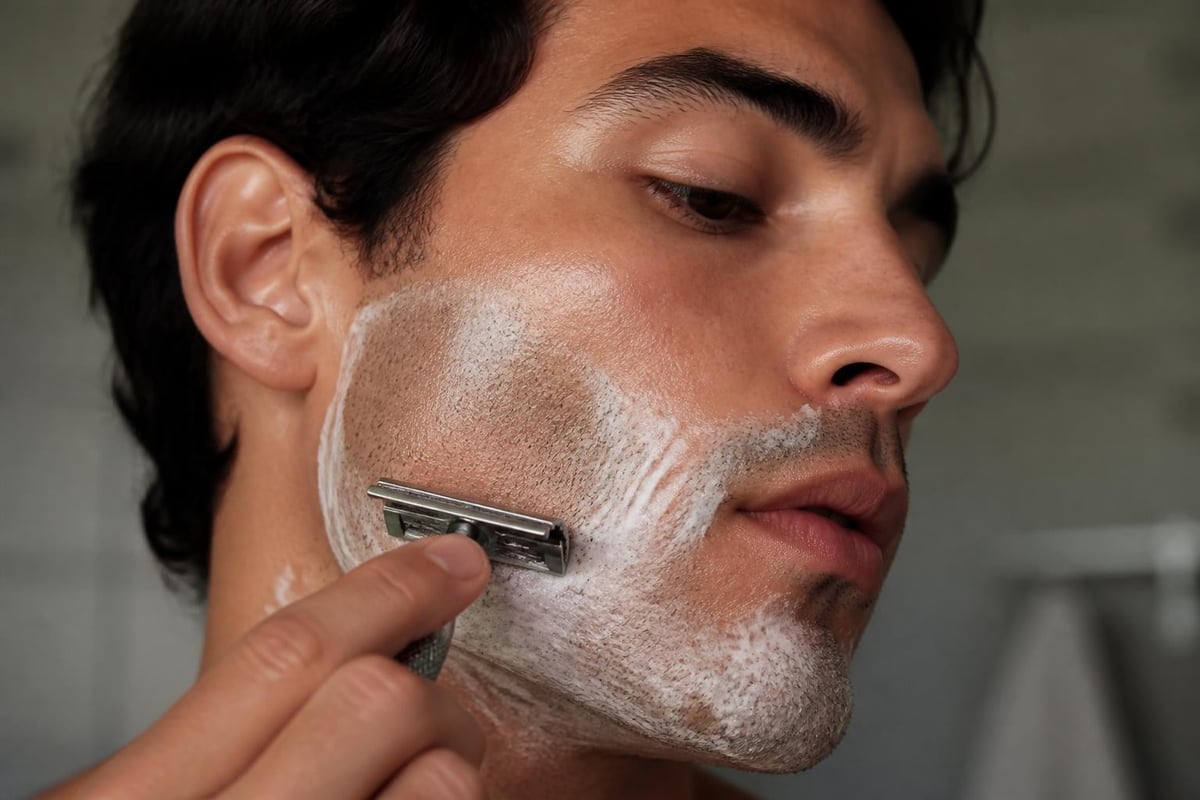
Regular shaving adds another dimension to male skincare needs. The mechanical action of razors removes not just hair but also the skin's protective outer layer, creating micro-abrasions and potential inflammation. This makes post-shave care and barrier repair essential components of any comprehensive routine.
Essential Categories of Skin Care Products for Men
Building an effective skincare routine doesn't require dozens of products. According to dermatologists at the American Academy of Dermatology, most men benefit from a focused approach centered on four core categories. Each category serves a distinct purpose within your daily routine.
Cleansers: The Foundation
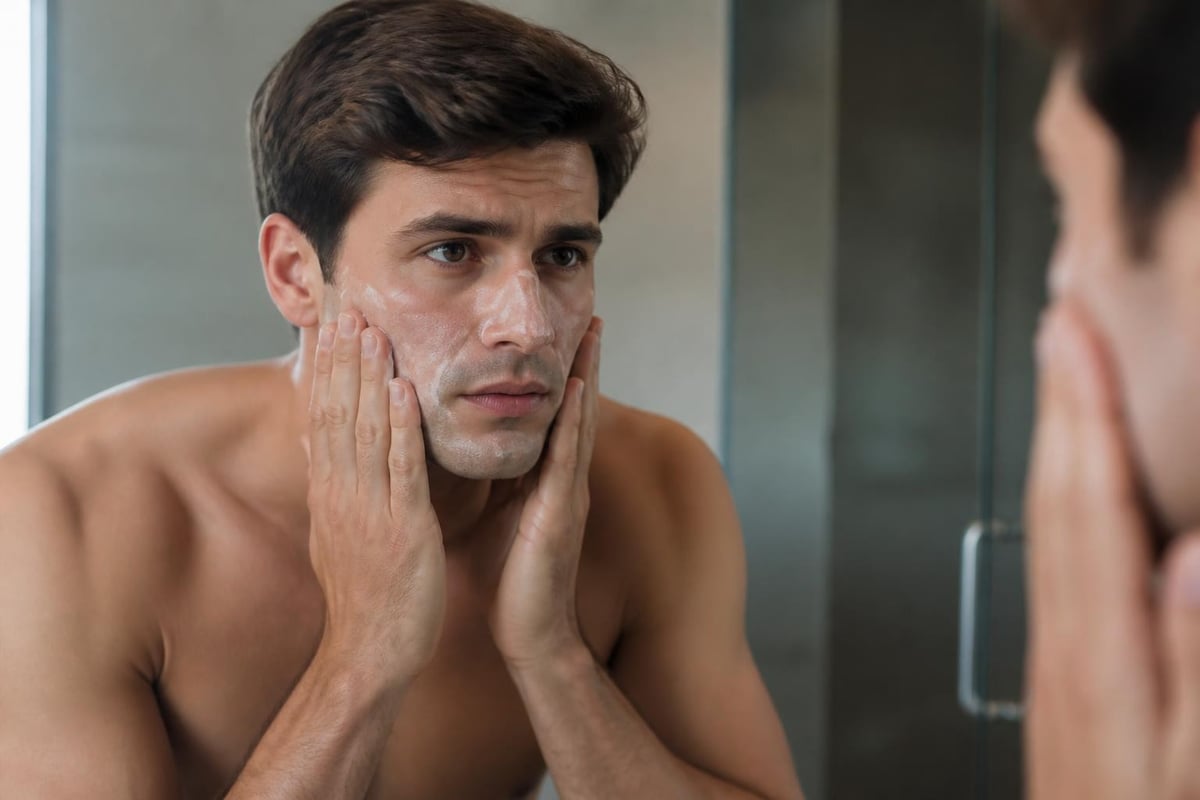
Cleansers remove accumulated dirt, excess oil, environmental pollutants, and cellular debris without stripping the skin's natural moisture barrier. The right cleanser depends entirely on your skin type and lifestyle factors.
| Skin Type | Recommended Cleanser | Key Ingredients | Frequency |
|---|---|---|---|
| Oily/Acne-Prone | Gel or foam cleanser | Salicylic acid, tea tree oil | Twice daily |
| Dry/Sensitive | Cream or milk cleanser | Ceramides, glycerin | Once daily (PM) |
| Combination | Gentle foam cleanser | Niacinamide, hyaluronic acid | Twice daily |
| Normal | Balanced gel cleanser | Antioxidants, mild surfactants | Twice daily |
Gel-based cleansers work particularly well for men with oily or combination skin. They effectively dissolve sebum and remove surface impurities without leaving residue. Men with dry or sensitive skin benefit from cream-based formulations that cleanse while depositing moisturizing ingredients.
Moisturizers: Hydration and Protection
Despite higher natural oil production, male skin still requires proper hydration. Moisture refers to water content within skin cells, while oil relates to sebum on the surface-these are distinct needs. Even oily skin can be dehydrated, leading to a compensatory increase in oil production.
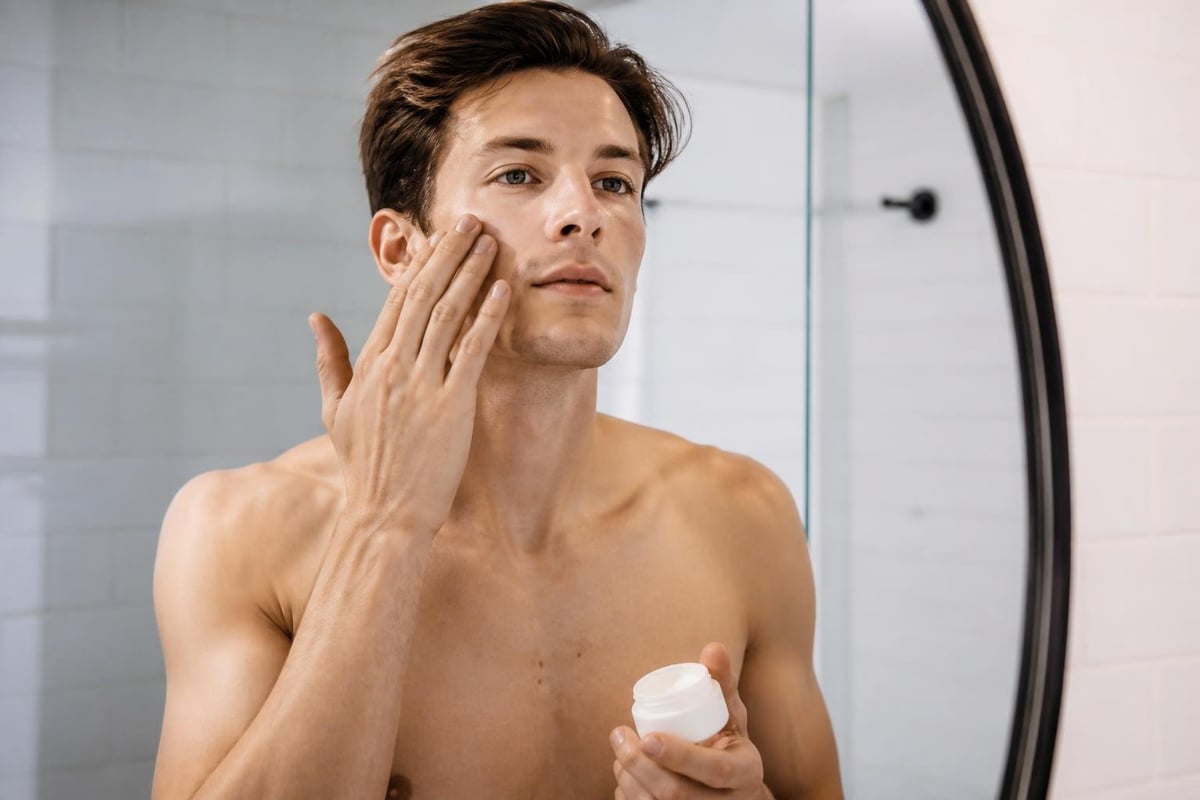
Modern moisturizers for men incorporate multiple functions beyond simple hydration. Look for formulations that combine humectants (which attract water), emollients (which smooth texture), and occlusives (which prevent water loss).
Key ingredients in effective moisturizers:
- Hyaluronic acid holds up to 1000 times its weight in water
- Niacinamide reduces inflammation and regulates sebum
- Ceramides repair and strengthen the moisture barrier
- Peptides support collagen synthesis and firmness
- Antioxidants protect against environmental damage
Lightweight gel-creams work well for most men, providing adequate hydration without heaviness. Those with genuinely dry skin may require richer formulations, particularly during colder months when environmental factors deplete moisture more aggressively.
Sun Protection: Non-Negotiable Daily Defense
Sunscreen represents the single most important anti-aging product in any routine. UV radiation causes approximately 80% of visible facial aging, including wrinkles, texture changes, and pigmentation. Despite this, research shows that men apply sunscreen far less consistently than women.
Daily broad-spectrum SPF 30 or higher prevents both UVB rays (which cause burning) and UVA rays (which penetrate deeper, causing premature aging and DNA damage). Modern formulations have eliminated the heavy, greasy textures that previously deterred men from consistent use.
- Choose broad-spectrum protection (UVA + UVB)
- Select SPF 30 minimum, SPF 50 for extended outdoor exposure
- Apply liberally-most people use only 25-50% of the required amount
- Reapply every two hours during sun exposure
- Don't forget often-missed areas: ears, neck, and hands
Chemical sunscreens absorb UV radiation and convert it to heat, while mineral sunscreens physically reflect rays. Men with sensitive or acne-prone skin often prefer mineral formulations containing zinc oxide or titanium dioxide, as these sit on the skin's surface rather than being absorbed.
Targeted Treatments: Addressing Specific Concerns
Once you've established the cleanse-moisturize-protect foundation, targeted treatments address individual concerns. These products contain higher concentrations of active ingredients designed to penetrate deeper and create specific changes in skin function.
Common treatment categories include:
- Exfoliants (AHAs, BHAs) that remove dead cells and refine texture
- Retinoids that accelerate cell turnover and boost collagen
- Vitamin C serums that brighten tone and neutralize free radicals
- Spot treatments that target active breakouts or dark marks
- Eye creams that address the delicate periorbital area
Targeted treatments work best when incorporated systematically rather than randomly. This is where system-led approaches prove valuable-understanding which products to layer, when to apply them, and how they interact prevents both ingredient conflicts and routine abandonment.
Identifying Your Skin Type
Effective product selection begins with accurately identifying your skin type. Many men incorrectly assess their skin, leading to product choices that exacerbate rather than resolve concerns. Your skin type is largely genetic, though it can shift with age, climate, and lifestyle factors.
The Four Primary Skin Types
Oily skin produces excess sebum, resulting in visible shine, enlarged pores, and increased susceptibility to breakouts. Men with oily skin often feel greasy within hours of cleansing. However, this skin type typically ages more slowly due to natural lipid protection.
Dry skin lacks adequate oil production, leading to tightness, flaking, and sometimes sensitivity. The skin may feel uncomfortable, especially after cleansing, and shows fine lines more readily. Environmental factors like heating, air conditioning, and low humidity worsen dryness.
Combination skin displays characteristics of both oily and dry skin, typically with an oily T-zone (forehead, nose, chin) and drier cheeks. This common pattern requires balanced product selection that addresses both concerns without over-treating either area.
Sensitive skin reacts easily to products, weather changes, or environmental triggers. Symptoms include redness, stinging, burning, or rash-like reactions. Sensitive skin requires gentle, fragrance-free formulations with minimal ingredient lists.
The Simple Skin Type Test
Cleanse your face thoroughly and leave it bare-no products for one hour. After 60 minutes, examine your skin in natural light:
- Shiny across entire face = Oily
- Tight, possibly flaky = Dry
- Shiny T-zone, comfortable cheeks = Combination
- Comfortable, minimal shine = Normal
This assessment guides your entire product selection process. Skin care products for men should match your specific type rather than following generic recommendations or marketing trends.
Building Your Core Routine
A functional skincare routine balances consistency with flexibility. The morning routine emphasizes protection, while the evening routine focuses on repair and treatment. Starting with essential products and adding targeted treatments gradually prevents overwhelm and allows you to assess what actually works for your skin.
Morning Routine Structure
Your morning routine prepares skin for daily environmental exposure:
- Cleanse with a gentle, pH-balanced cleanser
- Treat with lightweight serums (vitamin C, niacinamide)
- Moisturize with a hydrating formulation
- Protect with broad-spectrum SPF
This sequence takes approximately 3-5 minutes and provides comprehensive daily protection. Men with particularly oily skin may skip morning cleansing in favor of a simple water rinse, as over-cleansing can trigger rebound oil production.
Evening Routine Structure
Evening routines allow for more intensive treatment and repair:
- Double cleanse if wearing SPF (oil cleanser followed by water-based cleanser)
- Exfoliate 2-3 times weekly with chemical exfoliants
- Treat with active ingredients (retinoids, targeted serums)
- Moisturize with richer formulations if needed
- Apply specific treatments to targeted areas
The evening provides optimal timing for active ingredients, as skin naturally increases repair activity during sleep. Cell turnover peaks at night, making this the ideal window for retinoids and other renewal-focused treatments.
Advanced Treatment Options
Beyond core daily care, several advanced treatments address specific concerns more aggressively. These options complement routine maintenance and accelerate visible improvements when used strategically.
Chemical Exfoliation
Chemical exfoliants dissolve the bonds between dead skin cells, promoting smoother texture and clearer pores. Alpha hydroxy acids (AHAs) like glycolic and lactic acid work on the skin's surface, improving tone and smoothness. Beta hydroxy acids (BHAs) like salicylic acid penetrate oil, making them particularly effective for men with oily, acne-prone skin.
| Exfoliant Type | Best For | Concentration | Frequency |
|---|---|---|---|
| Glycolic Acid (AHA) | Sun damage, texture | 5-10% | 2-3x weekly |
| Lactic Acid (AHA) | Sensitive, dry skin | 5-8% | 2-3x weekly |
| Salicylic Acid (BHA) | Oily, acne-prone | 0.5-2% | Daily to 3x weekly |
| Mandelic Acid (AHA) | Sensitive, dark marks | 5-10% | 2-3x weekly |
Start with lower concentrations and less frequent application, gradually increasing as your skin builds tolerance. Over-exfoliation leads to irritation, barrier damage, and increased sensitivity-more is not better.
Retinoid Integration
Retinoids represent the most extensively researched anti-aging and acne-fighting ingredients available. These vitamin A derivatives accelerate cell turnover, boost collagen production, and normalize sebum production. According to dermatological research, prescription retinoids show measurable improvements in photoaging, acne, and skin texture.
Start with over-the-counter retinol or adapalene, applying a pea-sized amount 2-3 nights weekly. Gradually increase frequency as your skin adapts. Retinoids cause temporary dryness and sensitivity-this adjustment period typically lasts 4-6 weeks before visible improvements emerge.
Precision Treatments for Targeted Concerns
When specific areas require focused intervention-dark spots, textured zones, post-acne marks-precision delivery systems offer advantages over broad application. These treatments concentrate active ingredients exactly where needed, minimizing product waste and reducing potential irritation to surrounding skin.
The Routine. Peptide MicroPatch exemplifies this targeted approach, using dissolving micro-tips to deliver brightening and smoothing actives directly into problem areas. This controlled absorption method works particularly well for men who want visible results without complicated multi-step routines.

Light Therapy Integration
Red and blue light therapy has moved from professional settings into accessible at-home devices. Blue light (around 415nm) targets acne-causing bacteria, while red light (around 630-660nm) stimulates circulation and supports collagen production. Consistent use shows measurable improvements in skin clarity and texture over 6-8 weeks.
These devices work best when integrated into existing routines rather than replacing fundamental care. Think of light therapy as a boost to your core routine, not a substitute for proper cleansing, protection, and treatment.
Common Skincare Mistakes Men Make
Understanding what not to do proves as valuable as knowing correct practices. Several common errors undermine otherwise solid routines and prevent men from seeing the results their products promise.
Over-Cleansing and Harsh Products
Many men equate effective cleansing with that "squeaky clean" feeling. This stripped sensation actually indicates barrier damage-you've removed too much of the skin's protective oils. This triggers compensatory sebum production, creating a cycle where the skin becomes progressively oilier in response to aggressive cleansing.
Cleanse thoroughly but gently, using lukewarm water and pH-balanced formulas. Your skin should feel clean but comfortable, not tight or dry.
Skipping Moisturizer
The "my skin is already oily" rationale leads countless men to skip moisturizer entirely. As noted by skincare experts at Vogue, this creates dehydration, which paradoxically increases oil production as the skin attempts to compensate for water loss.
Even oily skin requires hydration. Choose lightweight, oil-free formulations that provide moisture without adding heaviness or shine.
Inconsistent Application
Sporadic product use yields sporadic results. Skincare ingredients work through consistent application over time-most actives require 6-12 weeks of regular use before showing visible improvements. Weekend-only routines or random application patterns prevent you from accurately assessing product effectiveness.
Consistency beats perfection. A simple routine you follow daily outperforms an elaborate routine you abandon after two weeks.
Ignoring the Neck and Hands
Facial care shouldn't stop at the jawline. The neck shows age as readily as the face, yet most men neglect this area entirely. Hands receive constant sun exposure and environmental stress, making them prone to premature aging and dark spots.
Extend your skincare routine to include neck and backs of hands. These areas use the same products as your face-no special formulations required.
Skin Care Products for Men with Specific Concerns
Different concerns require different approaches. Rather than accumulating products randomly, identify your primary concern and build targeted solutions around it.
Acne and Breakouts
Adult male acne differs from teenage breakouts, often appearing as deeper, more inflamed lesions along the jawline and neck. Hormonal fluctuations, stress, and oil production all contribute. Effective acne management combines multiple strategies:
- Salicylic acid cleansers to penetrate pores and dissolve oil
- Benzoyl peroxide treatments to eliminate acne-causing bacteria
- Niacinamide serums to reduce inflammation and regulate sebum
- Non-comedogenic moisturizers that hydrate without clogging
- Regular exfoliation to prevent dead cell accumulation
Avoid the temptation to use multiple harsh products simultaneously. This strips the barrier, increases inflammation, and often worsens acne. Build your routine gradually, introducing one active ingredient at a time.
Dark Spots and Uneven Tone
Post-inflammatory hyperpigmentation (PIH) appears as dark marks following acne, cuts, or other skin trauma. Men's skin tends to develop PIH more readily, particularly in areas subjected to regular shaving. Several ingredients effectively fade existing marks and prevent new ones:
- Vitamin C inhibits melanin production and brightens existing pigmentation
- Alpha arbutin blocks tyrosinase, the enzyme responsible for melanin synthesis
- Tranexamic acid reduces pigmentation through multiple pathways
- Azelaic acid normalizes skin cell turnover and reduces discoloration
- Retinoids accelerate cell turnover, bringing fresh cells to the surface faster
Combining these ingredients with consistent SPF use prevents darkening and allows existing marks to fade. Most PIH improves significantly within 3-6 months of consistent treatment.
Fine Lines and Aging Prevention
While male skin ages differently than female skin, the fundamental mechanisms remain identical: collagen breakdown, decreased cellular renewal, and cumulative UV damage. Prevention proves more effective than correction, making early intervention valuable even for younger men.
Core anti-aging ingredients:
- Retinoids to boost collagen and accelerate renewal
- Peptides to support structural protein synthesis
- Antioxidants (vitamin C, E, ferulic acid) to neutralize damage
- Hyaluronic acid to maintain hydration and plumpness
- SPF to prevent 80% of premature aging
The concept of "anti-aging" increasingly shifts toward "pro-maintenance"-keeping skin healthy and functional across decades rather than chasing reversal of extensive damage.
Sensitivity and Redness
Sensitive skin manifests differently across individuals, from generalized reactivity to specific conditions like rosacea or perioral dermatitis. Men with sensitive skin benefit from simplified routines focused on barrier support and anti-inflammatory ingredients.
Choose fragrance-free formulations with short, clean ingredient lists. Look for soothing ingredients like centella asiatica, colloidal oatmeal, niacinamide, and ceramides. Avoid physical scrubs, harsh alkaline cleansers, and products containing alcohol, essential oils, or synthetic fragrances.
The Role of Lifestyle in Skin Health
Skin care products for men work most effectively when supported by fundamental lifestyle factors. No topical product can fully compensate for poor sleep, chronic stress, inadequate hydration, or nutritional deficiencies.
Sleep and Recovery
Skin repair peaks during deep sleep stages. Growth hormone release increases, cellular renewal accelerates, and damage repair processes operate at maximum efficiency. Chronic sleep deprivation shows visibly in the skin-increased inflammation, impaired barrier function, accelerated aging, and delayed healing.
Aim for 7-9 hours of quality sleep nightly. Your evening skincare routine supports but doesn't replace this essential recovery period.
Hydration and Nutrition
Skin hydration depends partly on internal water intake. While topical products prevent water loss and attract moisture to the skin's surface, adequate hydration starts internally. Men generally require 3-4 liters of total water intake daily, varying with activity level and climate.
Nutritional factors influence skin health measurably. Omega-3 fatty acids support barrier function, antioxidant-rich foods protect against oxidative damage, and protein provides building blocks for collagen synthesis. Excessive sugar consumption correlates with increased inflammation and accelerated glycation-a process that damages collagen and elastin.
Stress Management
Chronic stress elevates cortisol, triggering increased sebum production, impaired barrier function, and heightened inflammation. Stress also disrupts sleep quality and often leads to neglect of consistent skincare routines.
Regular exercise, adequate sleep, and stress management techniques all contribute to visible skin improvements. These factors work synergistically with topical products to optimize overall skin health.
Navigating Product Marketing and Claims
The men's skincare market grows rapidly, with countless brands targeting this expanding demographic. However, marketing sophistication often exceeds product efficacy. Learning to evaluate products critically prevents wasted money and skin frustration.
Understanding Ingredient Concentrations
An ingredient appearing on a label doesn't guarantee effectiveness-concentration matters enormously. Products may contain trendy ingredients in amounts too low to create meaningful change while promoting them prominently in marketing.
Look for products that list active ingredients with percentages or that position them high in the ingredient list (which indicates higher concentration). Be skeptical of products claiming benefits from ten different actives-this often indicates insufficient concentrations of each.
Red Flags in Product Claims
Certain phrases signal marketing over substance:
- "Proprietary blend" (often hides low concentrations)
- "Clinically proven" without citing specific studies
- "Dermatologist-tested" (tested doesn't mean recommended)
- "Natural/organic/clean" (meaningless terms with no regulation)
- "Instantly reverses aging" (impossible claim)
Legitimate products reference specific ingredients, appropriate concentrations, and realistic timelines for results. Evidence-based resources help separate effective formulations from clever marketing.
The Value of System-Based Approaches
Rather than accumulating individual products based on marketing appeal, system-led approaches organize products by function and ensure compatibility. Each product serves one defined role, working together as parts of a disciplined routine rather than competing or overlapping randomly.
This structured thinking-identifying what you need, understanding how products interact, and building routines around clear goals-produces better results than product accumulation. The Target. Boost. Maintain. framework exemplifies this philosophy: targeting specific concerns precisely, boosting skin function with supporting treatments, and maintaining results through consistent care.
Professional Treatments vs. At-Home Care
Professional dermatological treatments complement but don't replace consistent at-home care. Understanding when professional intervention adds value helps you invest resources effectively.
When to Consult a Dermatologist
Several situations warrant professional evaluation:
- Persistent acne unresponsive to over-the-counter treatments
- Suspicious moles or growths requiring examination
- Severe sensitivity or reactions to products
- Significant texture changes or scarring needing medical-grade intervention
- Hair loss or scalp concerns beyond normal shedding
Dermatologists access prescription-strength treatments unavailable over the counter, including higher-concentration retinoids, prescription acne medications, and medical-grade chemical peels. They also diagnose underlying conditions that may present as skincare concerns.
Professional Treatments Worth Considering
Several professional treatments deliver results impossible to achieve at home:
| Treatment | Purpose | Frequency | Results Timeline |
|---|---|---|---|
| Chemical Peels | Texture, pigmentation, renewal | Monthly to quarterly | 4-8 weeks |
| Laser Resurfacing | Scars, deep wrinkles, tone | 1-3 sessions | 3-6 months |
| Microneedling | Texture, scars, product penetration | Monthly series | 6-12 weeks |
| Injectable Treatments | Volume loss, deep lines | Varies | Immediate to 2 weeks |
These treatments work best when combined with solid at-home routines. Professional treatments create change, while home care maintains and maximizes results.
Product Recommendations by Category
While individual needs vary, certain formulation types consistently perform well across different skin types and concerns. These categories provide starting points for building your routine.
Cleansers
For oily/acne-prone skin: Gel cleansers with salicylic acid (0.5-2%) effectively control oil and prevent breakouts without over-drying. Look for formulations that cleanse thoroughly while maintaining skin pH around 5.5.
For dry/sensitive skin: Cream or milk cleansers with ceramides and glycerin remove impurities while depositing moisturizing ingredients. Avoid foaming agents like sodium lauryl sulfate, which can strip sensitive skin.
For combination skin: Gentle foam cleansers with niacinamide balance oil in the T-zone while maintaining hydration in drier areas. These formulations clean effectively without exacerbating either concern.
Moisturizers
Lightweight gel-creams suit most men, providing adequate hydration without heaviness. Look for formulations combining humectants (hyaluronic acid, glycerin) with barrier-supporting ingredients (niacinamide, ceramides).
Oil-free lotions work well for very oily skin, delivering moisture without adding shine or clogging pores. These formulations often incorporate mattifying ingredients like silica or rice powder.
Richer creams benefit genuinely dry skin, particularly during winter months. These formulations contain higher concentrations of emollients and occlusives that prevent water loss.
Sunscreens
Chemical sunscreens absorb quickly and leave no white cast, making them popular for daily use. Modern formulations feel lightweight and work well under other products. Look for broad-spectrum protection with avobenzone, octinoxate, or newer-generation filters like Mexoryl.
Mineral sunscreens with zinc oxide or titanium dioxide suit sensitive skin and provide immediate protection upon application. Tinted versions eliminate the white cast previously associated with mineral filters.
Combination formulas merge moisturizer and SPF into single products, streamlining morning routines. While convenient, these should contain adequate SPF concentration (check that SPF 30+ is clearly labeled).
Targeted Treatments
Vitamin C serums (10-20% L-ascorbic acid) brighten tone, fade pigmentation, and provide antioxidant protection. Apply in the morning before moisturizer and SPF for maximum benefit.
Retinol products (0.25-1% retinol) accelerate cell turnover and boost collagen. Start with lower concentrations applied 2-3 nights weekly, gradually increasing frequency as skin adapts.
Exfoliating treatments containing AHAs or BHAs refine texture and clear pores. These work best applied in the evening, 2-3 times weekly, after cleansing but before heavier treatments.
Understanding Product Layering
Proper product sequencing maximizes effectiveness and prevents ingredient conflicts. The general principle follows thin-to-thick consistency, with water-based products applied before oil-based formulations.
Morning Layering Sequence
Apply products in this order for optimal absorption:
- Water-based serums (vitamin C, hyaluronic acid)
- Lightweight treatments (niacinamide, peptides)
- Eye cream if using
- Moisturizer
- SPF (always last, creating protective barrier)
Allow 30-60 seconds between layers for absorption. This brief pause prevents pilling and ensures each product penetrates effectively before the next layer.
Evening Layering Sequence
Evening routines allow for more treatment steps:
- Double cleanse if removing SPF/makeup
- Exfoliating toner or treatment (if using that night)
- Water-based treatment serums
- Retinoid or prescription treatment
- Targeted spot treatments
- Eye cream
- Moisturizer or night cream
- Facial oil if desired (always last)
Avoid combining certain actives simultaneously-for example, retinoids and strong exfoliating acids can cause excessive irritation when layered together. Alternate these treatments on different nights or use exfoliants in the morning and retinoids at night.
Adjusting Your Routine Seasonally
Skin responds to environmental changes, requiring routine adjustments across seasons. Static routines rarely address shifting needs as temperature, humidity, and exposure patterns change throughout the year.
Winter Adjustments
Cold air and indoor heating reduce humidity dramatically, causing increased dryness even in typically oily skin. Winter routines should emphasize barrier protection and moisture retention:
- Switch to creamier cleansers that don't strip natural oils
- Layer hydrating serums under richer moisturizers
- Add facial oils to seal in moisture
- Continue SPF despite less obvious sun (UV penetrates clouds)
- Reduce exfoliation frequency to prevent barrier damage
Men with naturally dry skin may need to add hydrating masks or overnight treatments during particularly harsh winter months.
Summer Adjustments
Heat and humidity increase sebum production and sweat, requiring lighter formulations and more frequent cleansing:
- Switch to gel cleansers that remove excess oil effectively
- Use lightweight, oil-free moisturizers or hydrating serums
- Increase SPF coverage and reapplication frequency
- Consider mattifying products to control shine
- Maintain exfoliation to prevent clogged pores from increased sweating
Summer also brings increased sun exposure during outdoor activities. Apply generous amounts of water-resistant SPF 50 before extended outdoor time, reapplying every two hours.
The Psychology of Routine Adherence
Understanding the psychological barriers to consistent skincare helps overcome them. Many men start routines enthusiastically but abandon them within weeks due to several common challenges.
Realistic Expectations
Skincare marketing creates unrealistic timelines, suggesting dramatic results within days or weeks. Reality requires patience-most active ingredients need 6-12 weeks of consistent use before showing visible improvements. This gap between expectation and reality causes many men to quit prematurely.
Set appropriate expectations from the start. Minor improvements may appear within weeks, but significant changes require months of disciplined application. Track progress with monthly photos rather than daily mirror scrutiny, which rarely shows gradual change.
Simplicity vs. Complexity
Complex 10-step routines feel impressive initially but become burdensome quickly. Most men benefit from simple, sustainable routines they can maintain indefinitely rather than elaborate rituals they abandon within weeks.
Start with the essentials: cleanser, moisturizer, SPF. Add targeted treatments only when the foundation feels automatic and effortless. A simple routine performed consistently outperforms an elaborate routine applied sporadically.
Habit Formation Strategies
Tie skincare to existing habits for automatic execution. Brush teeth → apply skincare creates a linked behavior that requires less willpower over time. Keep products visible in high-traffic areas rather than hidden in cabinets.
Morning routines benefit from bathroom placement, while evening products work well on bedside tables as visual reminders. The easier you make consistent application, the more likely it becomes permanent behavior.
Emerging Trends and Technologies
The skincare industry evolves rapidly, with new technologies and ingredients constantly emerging. While innovation drives progress, not every trend delivers meaningful improvements over established approaches.
Personalized Formulations
Custom skincare based on individual analysis-through questionnaires, photos, or even DNA testing-represents growing market segment. While personalization holds theoretical appeal, research into AI-assisted recommendations suggests we're still early in effectively translating data into truly optimized formulations.
Current personalized products often adjust concentrations of established ingredients rather than creating genuinely unique formulations. This can prove valuable but doesn't necessarily outperform well-chosen standard products.
Microbiome-Focused Products
The skin microbiome-the ecosystem of bacteria, fungi, and other microorganisms living on skin-influences health, immunity, and aging. Products supporting beneficial bacteria while discouraging harmful strains represent an emerging category.
Prebiotic and probiotic skincare shows promise but remains nascent. Most men benefit more from fundamental barrier support (which naturally promotes healthy microbiome balance) than from targeted microbiome products currently available.
Device Integration
At-home devices continue advancing, bringing professional-grade technologies into daily routines. LED therapy, microcurrent, radiofrequency, and ultrasonic technologies all show measurable results when used consistently.
Devices work best as complements to solid product routines rather than replacements for fundamental care. They boost results but can't substitute for proper cleansing, protection, and treatment with effective ingredients.
Investment Strategy and Value Assessment
Skin care products for men span enormous price ranges, from pharmacy basics to luxury formulations. Understanding where to invest and where to save prevents overspending while ensuring effectiveness.
Where Premium Pricing Adds Value
Certain product categories justify higher investment:
- Treatment serums with high-quality actives at effective concentrations
- Retinoid products using stable, well-formulated vitamin A derivatives
- Sunscreens with elegant textures encouraging consistent daily use
- Targeted treatments delivering specific results unavailable in basic products
Premium doesn't always mean better, but in treatment categories, higher prices sometimes correlate with superior formulations, stability, and concentrations.
Where Budget Options Perform Well
Other categories perform similarly across price points:
- Basic cleansers using effective but inexpensive surfactants
- Simple moisturizers with standard humectants and emollients
- Mineral sunscreens with straightforward zinc oxide or titanium dioxide
- Exfoliating acids where concentration matters more than brand prestige
Many pharmacy brands offer excellent formulations at accessible prices. Ingredient lists reveal more about effectiveness than packaging or marketing spend.
Building Cost-Effective Routines
Start with affordable basics in cleansing, moisturizing, and sun protection. Invest selectively in one or two targeted treatments addressing your primary concern. This balanced approach maintains affordability while ensuring effectiveness where it matters most.
A $15 cleanser, $25 moisturizer, $20 sunscreen, and $50 treatment serum creates a comprehensive, effective routine for roughly $110-less than many single "luxury" products that promise but rarely deliver miraculous results.
Building an effective skincare routine requires understanding your skin's unique needs and selecting products that address them systematically rather than randomly. The most successful approaches combine proven ingredients with consistent application, realistic timelines, and patience for results to develop.
If you're ready to move beyond product confusion and into structured, results-focused skincare, Routine. Beauty offers a system-led approach designed specifically for clarity and long-term confidence. Rather than accumulating endless products, Routine. organizes skincare into defined roles-Target specific concerns precisely, Boost skin function strategically, and Maintain results consistently-creating a disciplined ecosystem where every product earns its place and works synergistically toward healthier, more confident skin.

