


Dry skin is more than an occasional discomfort. It's a persistent condition that affects confidence, comfort, and how your body feels throughout the day. Finding the right body moisturiser for dry skin requires understanding what your skin truly needs, which ingredients deliver lasting hydration, and how to build a routine that supports your skin barrier rather than merely masking symptoms. With the right approach, you can transform rough, flaky, tight-feeling skin into smooth, resilient, hydrated skin that feels comfortable all year round.
Understanding Why Your Skin Gets Dry
Dry skin occurs when your skin barrier becomes compromised and can no longer retain adequate moisture. This barrier, composed primarily of lipids and proteins, acts as your body's first line of defence against environmental stressors whilst preventing water loss from within.
Several factors contribute to dry skin development:
- Environmental conditions such as low humidity, cold weather, and harsh winds
- Hot showers and baths that strip natural oils from your skin
- Harsh soaps and cleansers that disrupt the skin barrier
- Age-related changes that reduce natural oil production
- Medical conditions including eczema, psoriasis, and thyroid disorders
- Lifestyle factors such as dehydration and nutritional deficiencies
When your skin barrier is compromised, transepidermal water loss increases significantly, leading to the characteristic tightness, flaking, and discomfort associated with dry skin. Understanding this mechanism is essential for selecting a body moisturiser for dry skin that addresses the root cause rather than providing temporary relief.
The Role of the Skin Barrier
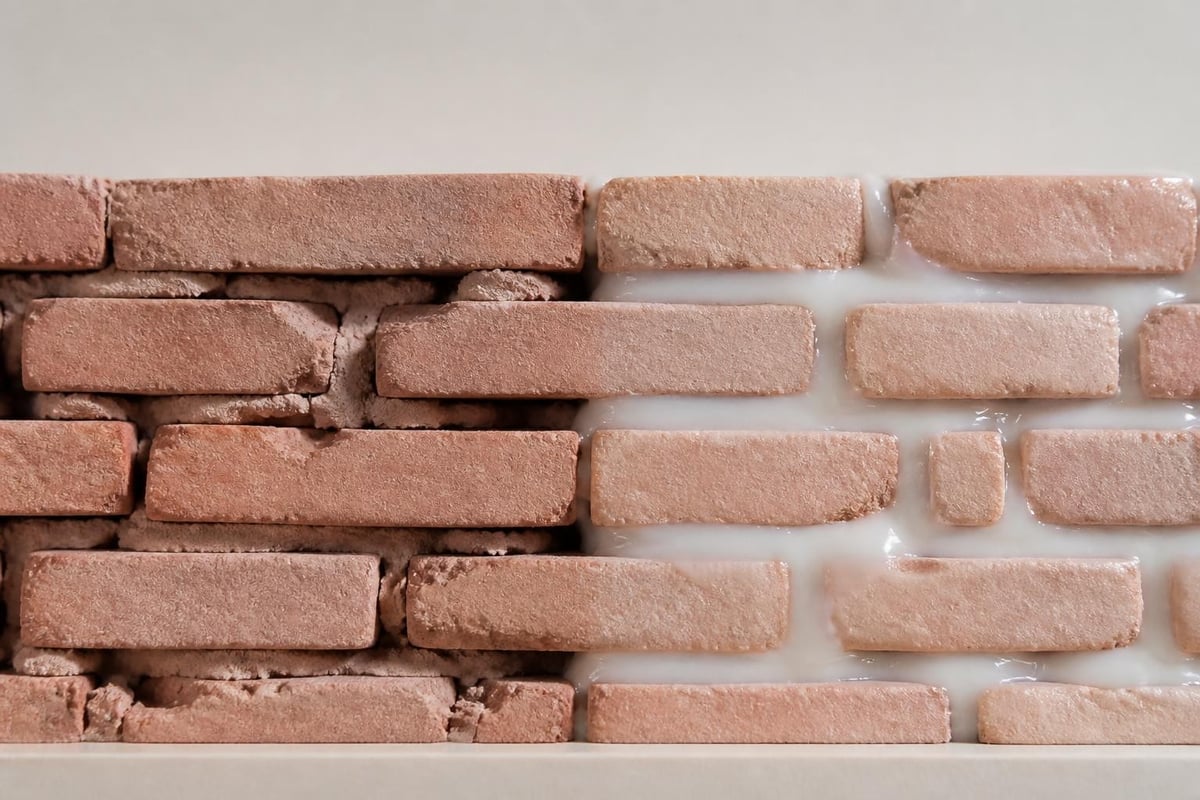
Your skin barrier consists of corneocytes (dead skin cells) surrounded by a lipid matrix containing ceramides, cholesterol, and fatty acids. This "brick and mortar" structure maintains hydration and protects against irritants.
When this barrier weakens, moisture escapes more easily, and your skin becomes vulnerable to inflammation and sensitivity. A properly formulated body moisturiser for dry skin should support barrier repair whilst providing immediate hydration.
Essential Ingredients in Body Moisturiser for Dry Skin
Not all moisturisers are created equal. The most effective formulations combine multiple ingredient types that work synergistically to hydrate and repair dry skin.
Humectants: Drawing Moisture In
Humectants attract water from the environment and deeper skin layers to the surface, providing immediate plumping and hydration.
Key humectant ingredients include:
- Hyaluronic acid holds up to 1000 times its weight in water
- Glycerin is gentle, effective, and suitable for sensitive skin
- Urea also provides gentle exfoliation at higher concentrations
- Alpha hydroxy acids hydrate whilst improving texture
Humectants work best in moderate humidity. In very dry conditions, they may draw moisture from deeper skin layers unless paired with occlusives.
Emollients: Smoothing and Softening
Emollients fill the gaps between skin cells, smoothing rough texture and creating a soft, supple feel.
| Emollient Type | Examples | Best For |
|---|---|---|
| Lightweight oils | Squalane, jojoba oil | Daily use, all skin types |
| Rich butters | Shea butter, cocoa butter | Very dry skin, overnight treatment |
| Fatty alcohols | Cetyl alcohol, stearyl alcohol | Smooth application, non-greasy feel |
| Silicones | Dimethicone, cyclomethicone | Instant smoothness, protective barrier |
When selecting a body moisturiser for dry skin, look for formulations with multiple emollient types to address both immediate texture concerns and longer-term barrier support.
Occlusives: Sealing Moisture In
Occlusives create a physical barrier on the skin's surface, preventing water loss and protecting against environmental stressors.
Effective occlusive ingredients:
- Petrolatum remains the gold standard with proven efficacy
- Mineral oil provides non-comedogenic protection
- Lanolin mimics natural skin lipids
- Beeswax offers natural barrier support
- Dimethicone provides lightweight occlusion
Dermatologists consistently recommend occlusives as essential components in treating dry skin, particularly when applied to damp skin to seal in existing moisture.
Barrier-Repair Ingredients
The most advanced body moisturisers for dry skin include ingredients that actively repair the skin barrier rather than simply providing temporary hydration.
Ceramides are lipid molecules identical to those found naturally in your skin barrier. They restore barrier function, reduce inflammation, and improve moisture retention. Research shows that ceramide-containing moisturisers significantly improve barrier function in dry skin conditions.
Niacinamide (vitamin B3) supports ceramide production, reduces inflammation, and strengthens barrier integrity over time.
Cholesterol and fatty acids work alongside ceramides to recreate the natural lipid matrix structure.
How to Choose the Right Body Moisturiser for Dry Skin
Selecting an effective moisturiser requires considering your specific skin needs, lifestyle, and the severity of your dryness.
Texture and Formulation Types
Different formulations offer varying levels of hydration and occlusion.
Lotions contain higher water content and absorb quickly but may not provide sufficient hydration for very dry skin. They work well for mild dryness or warmer climates.
Creams offer richer formulations with balanced water and oil content. They're ideal for moderate to severe dryness and provide lasting hydration without excessive greasiness.
Ointments and balms contain minimal water and maximum occlusives. They're best for extremely dry patches, overnight treatment, or areas prone to severe moisture loss.
For most people with dry skin, a cream-based body moisturiser for dry skin provides the optimal balance of hydration, protection, and user experience.
Identifying Skin Sensitivities
Dry skin often coincides with increased sensitivity. When your barrier is compromised, you're more susceptible to irritation from fragrances, preservatives, and botanical extracts.
Ingredients to avoid if you have sensitive dry skin:
- Synthetic fragrances and parfums
- Essential oils (particularly citrus and mint)
- Alcohol denat or SD alcohol
- Harsh preservatives like formaldehyde-releasing agents
- High concentrations of acids or retinoids
Look for fragrance-free formulations (not "unscented," which may contain masking fragrances) with minimal ingredient lists focusing on proven hydrators and barrier-repair components.
Seasonal Adjustments
Your skin's needs change throughout the year, and your body moisturiser for dry skin should adapt accordingly.
| Season | Skin Challenge | Moisturiser Adjustment |
|---|---|---|
| Winter | Cold air, indoor heating, low humidity | Switch to richer creams, increase frequency, add occlusives |
| Spring | Transitional weather, allergies | Moderate formulation, maintain consistency |
| Summer | Heat, humidity, sun exposure | Lighter textures acceptable, don't skip application |
| Autumn | Decreasing humidity, temperature drops | Begin transitioning to richer formulations |
Don't abandon moisturiser during humid months. Even in summer, your skin barrier requires consistent support to maintain optimal function.
Application Techniques That Maximise Effectiveness
How you apply your body moisturiser for dry skin matters as much as which product you choose.
Timing Is Critical
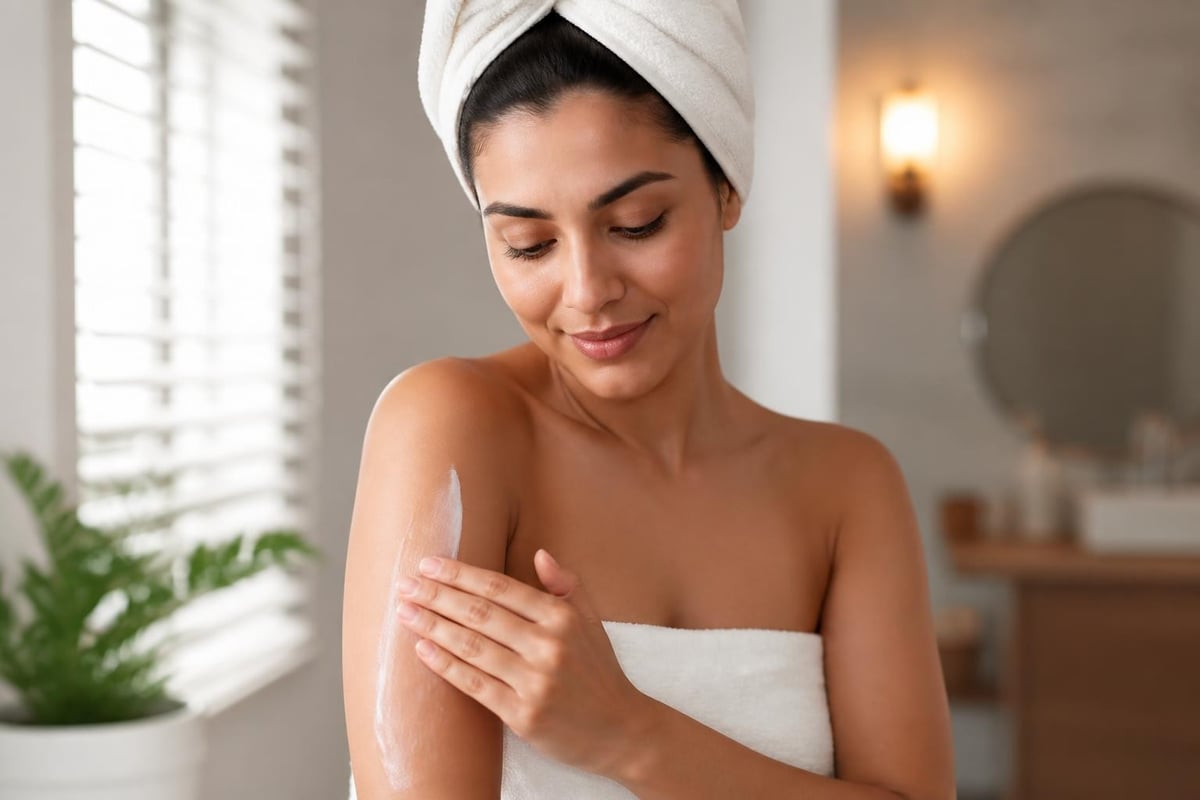
The most effective time to apply body moisturiser is within three minutes of bathing or showering, whilst your skin is still slightly damp.
Why this timing matters:
- Damp skin absorbs products more effectively
- Humectants have surface moisture to draw from
- Occlusives can seal in water from your bath or shower
- Barrier-repair ingredients penetrate more efficiently
Pat your skin with a towel to remove excess water rather than rubbing vigorously, which can irritate dry skin. Then immediately apply your moisturiser in generous amounts.
Quantity and Coverage
Most people apply far less moisturiser than needed for optimal hydration. For full-body application, you should use approximately:
- One teaspoon for each arm
- Two teaspoons for your chest and abdomen
- Two teaspoons for your back
- Two teaspoons for each leg
This totals roughly 8-10 teaspoons for complete body coverage. Don't skimp on areas prone to extreme dryness such as elbows, knees, and shins.
Application Technique
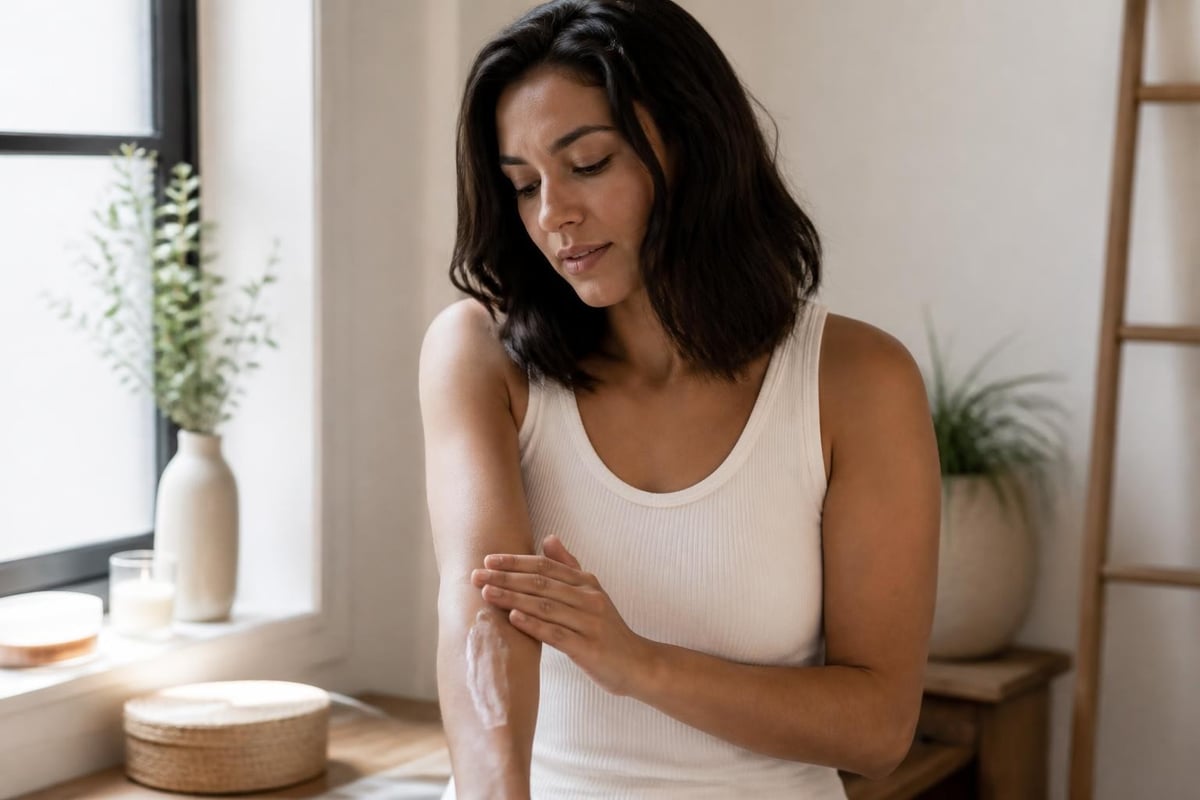
Apply your body moisturiser for dry skin using upward, circular motions that encourage absorption whilst supporting circulation.
Step-by-step application:
- Start with your feet and work upward
- Use circular motions on joints and rough patches
- Apply long, smooth strokes on limbs
- Pay extra attention to chronically dry areas
- Allow 2-3 minutes before dressing
For areas with severe dryness or texture concerns, consider layering your moisturiser. Apply a hydrating serum or essence first, then seal it with a richer cream or balm.
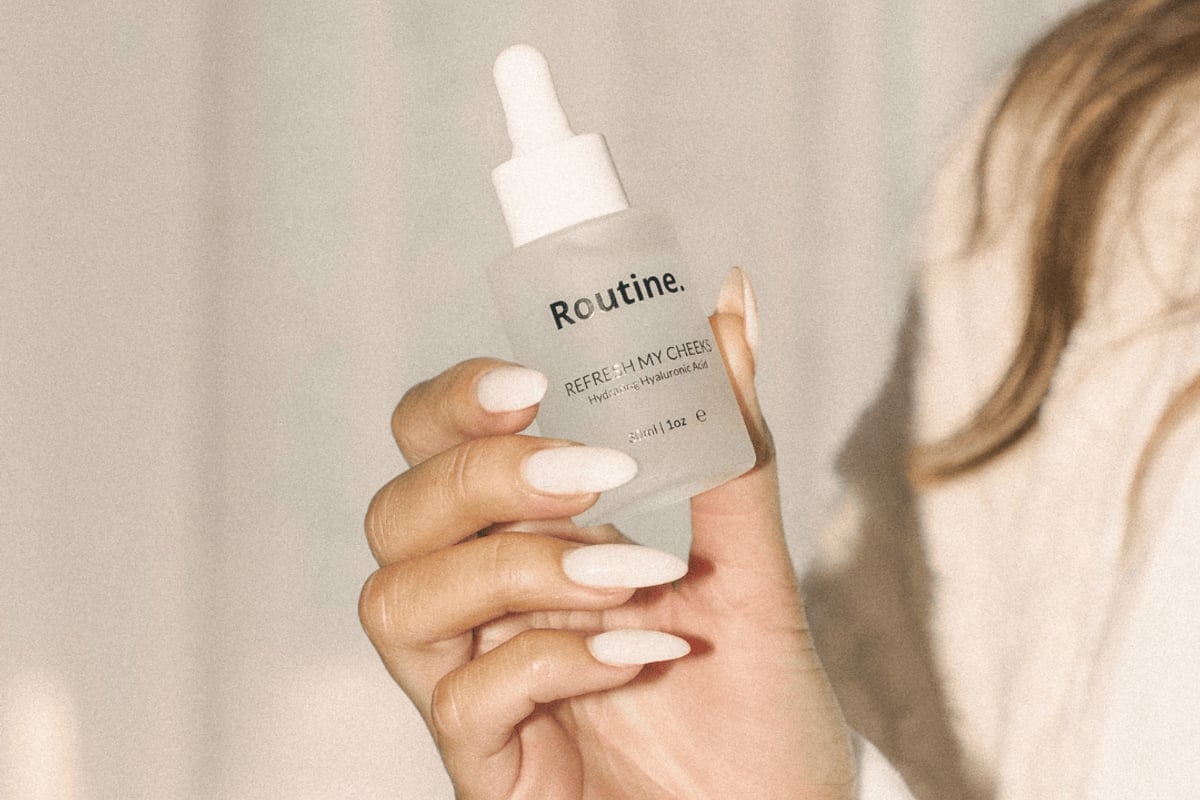
Supporting moisture balance across your entire body creates a foundation for more targeted treatments to work effectively. Products like Refresh My Cheeks provide lightweight hydration that complements your moisturising routine, helping maintain clearer, calmer, more balanced skin whilst supporting your skin barrier between heavier moisturiser applications.
Building a Complete Dry Skin Care Routine
A body moisturiser for dry skin works best as part of a comprehensive approach rather than as an isolated solution.
Gentle Cleansing Practices
Your cleansing routine directly impacts how dry your skin becomes. Harsh soaps and hot water strip your skin's natural oils, exacerbating dryness.
Cleansing guidelines for dry skin:
- Use lukewarm water instead of hot
- Choose cream-based or oil-based cleansers
- Limit shower time to 5-10 minutes
- Avoid antibacterial soaps on dry areas
- Pat dry rather than rubbing vigorously
Consider skipping soap on areas that don't produce significant oil or odour. Your arms, legs, and torso may only need water most days, with gentle cleansing 2-3 times weekly.
Exfoliation for Better Absorption
Dead skin cell buildup prevents moisturisers from penetrating effectively. Gentle exfoliation improves absorption and enhances results.
Safe exfoliation methods for dry skin:
- Chemical exfoliants (lactic acid, urea) 1-2 times weekly
- Gentle physical exfoliation with soft cloths or dry brushing
- Avoid harsh scrubs with irregular particles
- Never exfoliate broken or severely irritated skin
After exfoliating, apply your body moisturiser for dry skin immediately to replenish moisture and support barrier recovery.
Hydration and Nutrition
External moisturisation works synergistically with internal hydration. Your skin cells require adequate water and nutrients to maintain healthy barrier function.
Internal support for dry skin:
- Drink adequate water throughout the day
- Consume omega-3 fatty acids from fish, nuts, and seeds
- Include vitamin E-rich foods like avocados and almonds
- Ensure sufficient vitamin A intake for skin cell turnover
- Consider supplements if dietary intake is inadequate
Combining proper nutrition with consistent external moisturisation creates optimal conditions for skin barrier repair and long-term improvement.
Addressing Specific Dry Skin Concerns
Different body areas present unique challenges requiring tailored approaches within your moisturising routine.
Extremely Dry Patches
Areas like elbows, knees, and heels develop thicker, rougher skin that resists standard moisturisation.
For these zones, use a layering approach:
- Apply a hydrating essence or serum with humectants
- Follow with a rich cream containing emollients
- Seal with an occlusive balm or ointment
- Consider overnight occlusion with cotton gloves or socks
Consistency matters more than intensity. Daily application of your body moisturiser for dry skin to these areas yields better results than sporadic intensive treatments.
Texture and Rough Skin
Dry skin often develops rough, bumpy texture from dead cell accumulation and compromised barrier function.
| Texture Issue | Contributing Factor | Treatment Approach |
|---|---|---|
| Keratosis pilaris | Keratin buildup in follicles | Gentle chemical exfoliation + intensive moisturisation |
| Rough patches | Dehydration + dead cells | Urea-containing moisturisers |
| Crepey skin | Age + moisture loss | Rich emollients + barrier repair ingredients |
| Scaly appearance | Severe dehydration | Thick creams + occlusive layering |
Address texture concerns gradually with gentle methods. Aggressive treatments often worsen dry skin by further damaging the barrier.
Itchy, Irritated Skin
Dry skin frequently becomes itchy and inflamed. Scratching creates a vicious cycle of damage and increased moisture loss.
Managing itch with moisturisation:
- Apply your body moisturiser for dry skin immediately when itching begins
- Choose formulations with colloidal oatmeal or allantoin
- Keep moisturiser refrigerated for cooling relief
- Use thick layers at night to prevent nocturnal scratching
- Consider anti-inflammatory ingredients like niacinamide
If itching persists despite consistent moisturisation, consult a dermatologist to rule out conditions like eczema or psoriasis that require medical treatment.
Common Mistakes to Avoid
Even with the best body moisturiser for dry skin, certain habits can undermine your results.
Inconsistent Application
Moisturising only when your skin feels uncomfortably dry allows barrier damage to progress. By the time you experience tightness or flaking, your barrier has been compromised for days.
Establish consistency by:
- Applying moisturiser at the same time daily
- Keeping products visible in your bathroom
- Setting reminders until the habit becomes automatic
- Preparing travel sizes for trips and gym bags
Daily application prevents problems rather than merely treating symptoms.
Using Products Past Their Prime
Moisturisers degrade over time, especially once opened. Oxidised ingredients lose efficacy and may irritate sensitive dry skin.
Check expiration dates and PAO (period after opening) symbols. Most body moisturisers remain effective for 12-24 months after opening when stored properly.
Expecting Immediate Transformation
Barrier repair requires time. Whilst quality moisturisers provide immediate comfort, rebuilding your skin barrier and achieving lasting improvement takes consistent application over weeks.
Realistic timeline for improvement:
- Days 1-3: Immediate comfort, reduced tightness
- Week 1-2: Decreased flaking, improved texture
- Weeks 3-4: Noticeable barrier improvement, less frequent reapplication needed
- 2-3 months: Significant transformation in skin resilience and appearance
Stick with your chosen body moisturiser for dry skin for at least 4-6 weeks before evaluating its effectiveness.
Overlooking Lifestyle Factors
No moisturiser can completely compensate for habits that damage your skin barrier.
Lifestyle factors affecting dry skin:
- Smoking reduces circulation and impairs barrier function
- Excessive alcohol dehydrates skin systemically
- Poor sleep disrupts skin repair processes
- Stress triggers inflammation and barrier dysfunction
- Inadequate humidity in your home environment
Address these factors alongside your moisturising routine for optimal results.
Advanced Strategies for Persistent Dryness
When standard moisturisation approaches fall short, consider these evidence-based enhancement strategies.
Slugging for the Body
Slugging involves applying a thin layer of pure occlusive (typically petrolatum) over your body moisturiser for dry skin to maximise moisture retention overnight.
How to slug effectively:
- Apply your regular moisturiser to slightly damp skin
- Wait 5-10 minutes for absorption
- Apply a thin layer of petrolatum to extremely dry areas
- Use old sheets and clothing as petrolatum can stain
- Perform 2-3 times weekly, not daily
This technique dramatically reduces transepidermal water loss during sleep when your skin naturally loses more moisture.
Wet Wrap Therapy
Originally developed for severe eczema, wet wrapping can benefit extremely dry skin when used correctly.
Apply a generous layer of your body moisturiser for dry skin, then wrap the area with damp cotton clothing or bandages. Cover with dry clothing and leave for 2-8 hours or overnight.
This intensive technique should be reserved for severe dryness and used temporarily rather than as a long-term solution.
Humidifier Use
Indoor heating and air conditioning dramatically reduce humidity, accelerating moisture loss from your skin.
Maintain indoor humidity between 40-50% using a quality humidifier. This environmental adjustment enhances the effectiveness of your moisturising routine and reduces the frequency of application needed.
When to Seek Professional Guidance
Whilst proper moisturisation resolves most dry skin concerns, certain situations warrant professional evaluation.
Consult a dermatologist if you experience:
- Severe, persistent dryness despite consistent moisturisation
- Cracking, bleeding, or oozing from dry patches
- Signs of infection such as increased redness, warmth, or pus
- Dry skin that significantly impacts quality of life
- Sudden onset of severe dryness without obvious cause
- Dry skin accompanied by other symptoms like fatigue or weight changes
These symptoms may indicate underlying conditions requiring medical treatment beyond cosmetic moisturisation.
Ingredient Combinations That Work
Understanding how ingredients interact helps you choose the most effective body moisturiser for dry skin or layer multiple products strategically.
Synergistic Pairings
Ceramides + niacinamide: Niacinamide boosts natural ceramide production whilst ceramides directly replenish barrier lipids, creating accelerated barrier repair.
Hyaluronic acid + occlusives: Humectants draw moisture to the surface, which occlusives then seal in for prolonged hydration.
Urea + emollients: Urea provides gentle exfoliation and hydration whilst emollients smooth the newly revealed skin cells.
Glycerin + petrolatum: This simple combination provides immediate and lasting hydration suitable for even the most sensitive dry skin.
Product Layering Strategy
For optimal results with dry skin, consider this layering sequence:
- Hydrating essence or serum (humectants)
- Body moisturiser for dry skin (balanced formulation)
- Targeted balm (occlusives for problem areas)
Allow each layer to absorb partially before applying the next. This approach delivers multiple hydration mechanisms whilst maintaining comfortable wear.
Sustainability and Dry Skin Care
As you commit to consistent moisturisation, consider the environmental impact of your routine.
Sustainable moisturising practices:
- Choose products in recyclable packaging
- Purchase larger sizes to reduce packaging waste
- Select formulations with biodegradable ingredients
- Support brands with transparent sustainability commitments
- Use reusable application tools where appropriate
Effective dry skin care and environmental responsibility aren't mutually exclusive. Many dermatologist-recommended formulations now come in eco-conscious packaging.
Addressing dry skin requires more than occasional moisturiser application. It demands understanding your skin barrier's needs, selecting formulations with proven ingredients, and establishing consistent habits that support long-term skin health. When you approach dry skin systematically rather than reactively, you create lasting comfort and confidence. Routine. Beauty offers a structured approach to skincare built on the principle that each product should serve a defined purpose within your overall routine, supporting your journey from targeting specific concerns to maintaining healthy, hydrated skin through disciplined, simplified care.

