


Skin care masks have evolved from occasional pampering treats into precision tools that address specific skin concerns with concentrated active ingredients. Whether you're dealing with congestion, dryness, uneven texture, or dullness, the right mask applied at the right frequency can accelerate visible improvements when integrated into a structured routine. Understanding how different formulations work, which ingredients target your concerns, and how masks fit into a broader skincare ecosystem helps you make informed decisions that support long-term skin health rather than chasing fleeting trends.
Understanding How Skin Care Masks Deliver Results
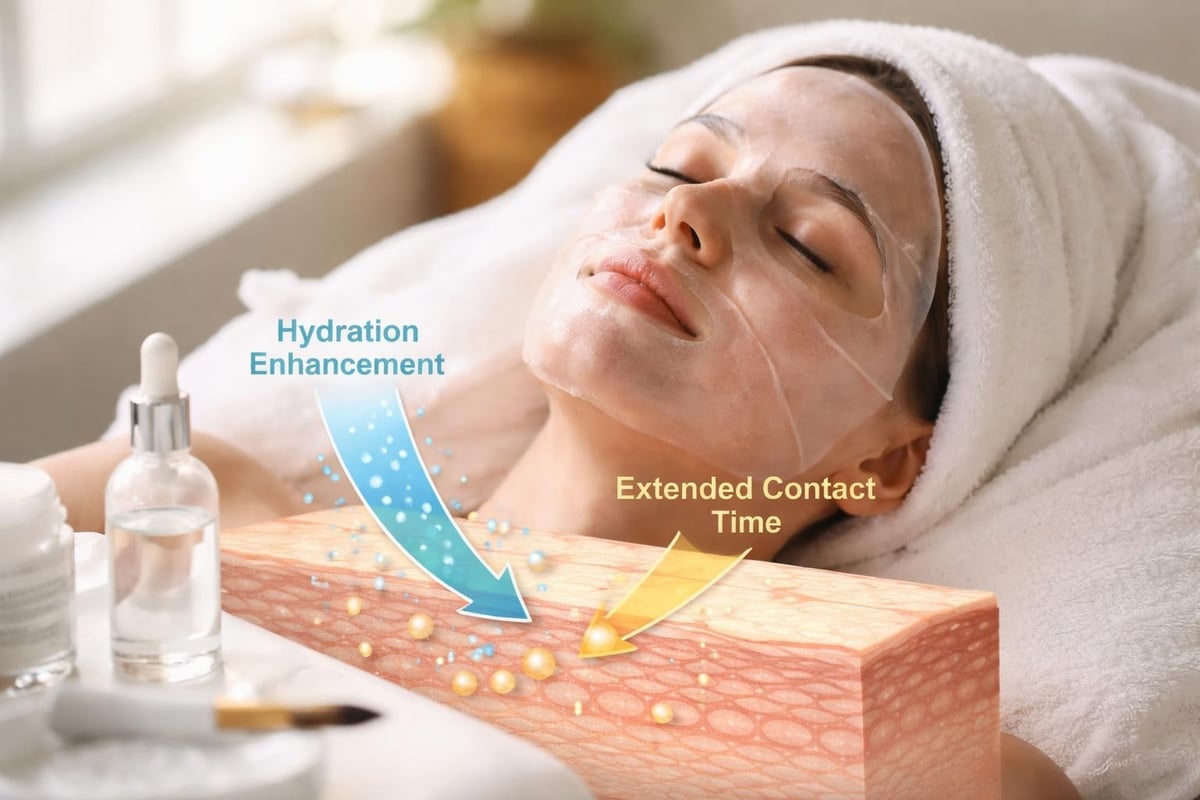
Skin care masks work by creating temporary occlusion on the skin's surface, which enhances the penetration of active ingredients. This sealed environment increases hydration levels in the stratum corneum, allowing actives to absorb more effectively than they would in a standard cream or serum application.
Different mask formats deliver ingredients through various mechanisms. Clay-based formulas draw out excess sebum and impurities through adsorption, while sheet masks create a barrier that prevents evaporation and forces hydration into the epidermis. Gel masks cool and soothe inflammation, and overnight masks extend contact time to maximise ingredient efficacy during skin's natural repair cycle.
The concentration of actives in masks typically exceeds that of daily-use products. This intensity means masks should be used strategically rather than daily, with frequency determined by your skin's tolerance and the specific formulation's strength.
The Science Behind Mask Efficacy
Research shows that facial masks can provide targeted benefits when formulated with evidence-based ingredients and used appropriately for your skin type. The effectiveness depends on three critical factors: ingredient selection, contact time, and application frequency.
Key factors that determine mask performance:
- Penetration depth – smaller molecules like niacinamide and peptides can reach deeper skin layers
- Contact duration – longer wear time allows more complete ingredient absorption
- Occlusion level – sealed environments prevent water loss and enhance delivery
- Active concentration – higher percentages deliver more dramatic results but require careful timing
The skin's barrier function influences how well ingredients absorb. Compromised barriers from over-exfoliation or irritation can lead to excessive penetration and sensitivity, while overly thick barriers from product buildup may block absorption entirely.
Temperature also plays a role. Warm masks open pores and increase blood flow, enhancing both cleansing and ingredient delivery. Cool masks constrict vessels and reduce inflammation, making them ideal for calming reactive skin.
Matching Mask Types to Specific Skin Concerns
Different skin care masks address distinct concerns through targeted formulations. Selecting the right type requires understanding both your primary skin issue and how various formats deliver solutions.
Clay and Mud Masks for Congestion
Clay masks excel at managing excess oil and preventing congestion through their absorptive properties. Kaolin and bentonite clays bind to sebum and debris, lifting them from pores as the mask dries.
Best for combination and oily skin types, clay masks should be applied to problem areas rather than the entire face if you have dry zones. Target the T-zone, chin, and any areas prone to blackheads or enlarged pores.
| Clay Type | Primary Benefit | Best For |
|---|---|---|
| Kaolin | Gentle absorption | Sensitive, combination skin |
| Bentonite | Deep cleansing | Oily, congested skin |
| French Green | Exfoliation and purification | Normal to oily skin |
| Pink | Mild detoxification | All skin types |
Apply clay masks after cleansing on damp skin, leave for 10-15 minutes, and remove before complete drying to prevent over-drying. Follow immediately with hydration to restore moisture balance.
Hydrating Masks for Dryness and Dehydration
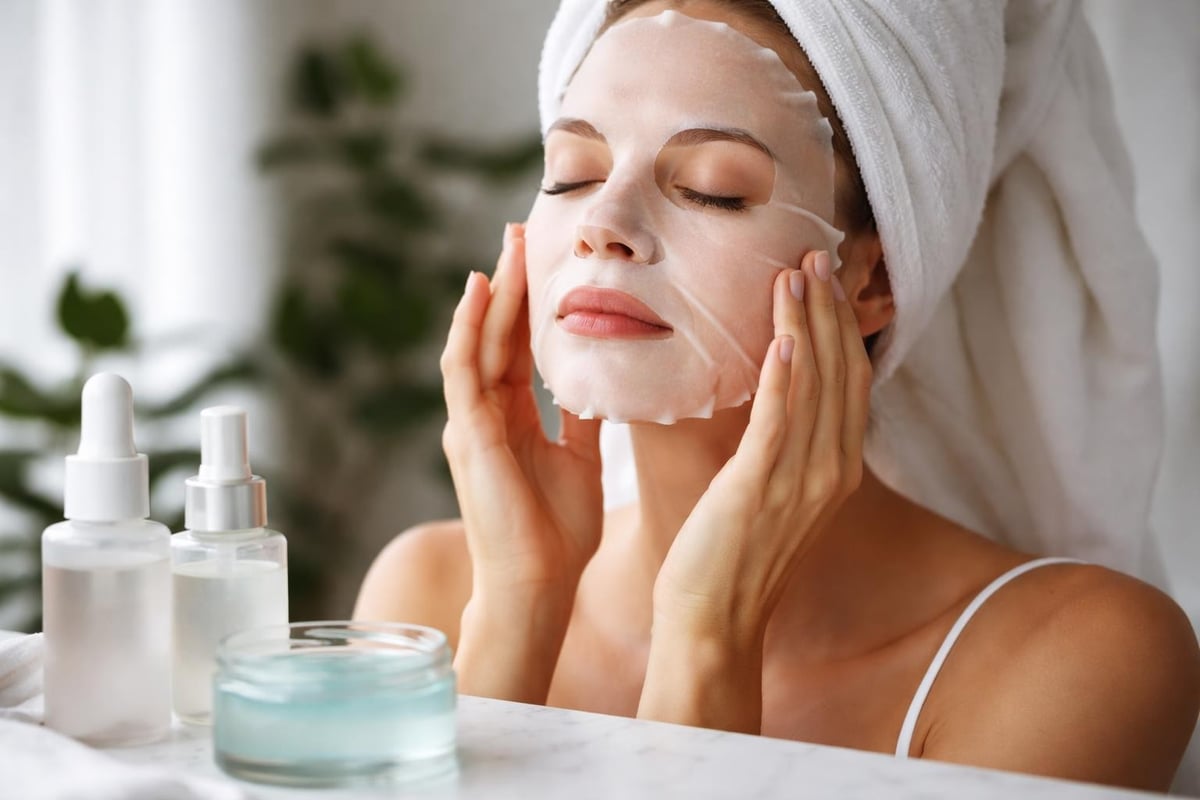
Sheet masks and gel formulas deliver concentrated hydration through humectants like hyaluronic acid, glycerin, and panthenol. These ingredients attract and bind water molecules, plumping the skin and softening fine lines caused by dehydration.
Hydrating skin care masks work best when applied after exfoliation, when the skin is most receptive to water-based ingredients. The occlusive sheet or gel layer prevents transepidermal water loss during application, forcing moisture into the epidermis.
For maximum benefit, apply hydrating masks in the evening after cleansing. Leave sheet masks on for 15-20 minutes, then massage remaining essence into skin rather than rinsing. Seal in hydration with a barrier cream or facial oil.
Ingredients that maximise hydration in masks:
- Sodium hyaluronate (low molecular weight hyaluronic acid)
- Ceramides for barrier support
- Niacinamide for improved moisture retention
- Squalane for occlusion without heaviness
- Allantoin for soothing and water binding
Exfoliating Masks for Texture and Tone
Chemical exfoliant masks containing AHAs, BHAs, or enzymes dissolve dead skin cells, revealing smoother texture and more even tone. These formulations offer more controlled exfoliation than physical scrubs, with less risk of micro-tears or irritation when properly formulated.
Glycolic acid masks resurface the skin by breaking bonds between cells, while salicylic acid penetrates oil-filled pores to clear congestion from within. Enzyme masks using papain or bromelain offer gentler exfoliation suitable for sensitive skin.
Exfoliating face masks work differently based on their acid concentration and pH levels. Professional-strength peels deliver dramatic results but require expertise, while at-home formulations provide gradual improvement with regular use.
Start with once-weekly application and observe your skin's response. Signs of over-exfoliation include redness, flaking, stinging upon product application, and increased sensitivity to other products.
Brightening Masks for Hyperpigmentation
Vitamin C, tranexamic acid, kojic acid, and arbutin are common brightening actives found in masks targeting dark spots and uneven tone. These ingredients work through different mechanisms-some inhibit melanin production, others accelerate cell turnover to fade existing pigmentation.
Brightening skin care masks deliver results gradually. Consistent use over 8-12 weeks typically shows noticeable improvement in dark spots and overall radiance. Combining mask treatments with daily SPF prevents new pigmentation from forming.
Apply brightening masks to clean skin 2-3 times weekly. Many formulations work best when left on for extended periods, making overnight formats particularly effective for this concern.
Integrating Masks into a Structured Routine
Rather than using masks sporadically, integrate them into a systematic approach where each product has a defined purpose. This structure prevents overlap, reduces irritation, and ensures you're addressing concerns in the correct sequence.
The Target-Boost-Maintain Framework
Effective skincare follows a clear hierarchy: Target specific concerns with precision treatments, Boost results with supporting actives, and Maintain improvements with protective barriers and hydration.
Masks typically function in the Target or Boost phases. An exfoliating mask targets texture issues directly, while a hydrating mask boosts the skin's receptivity to subsequent treatments.
For persistent concerns like dark spots or texture irregularities, targeted treatments like microneedling patches deliver actives to exact locations without affecting surrounding skin. The Routine. Peptide MicroPatch uses dissolving micro-tips to deposit brightening and smoothing ingredients precisely where needed, allowing for controlled absorption in problem areas. This precision approach minimises irritation risk while maximising concentration in the treatment zone.

After targeted treatments, supporting masks can amplify results. A calming gel mask following exfoliation reduces inflammation and speeds recovery. A nourishing overnight mask after active treatments helps skin repair while you sleep.
Timing and Frequency Guidelines
| Mask Type | Recommended Frequency | Best Time | Duration |
|---|---|---|---|
| Clay/Purifying | 1-2x weekly | Evening | 10-15 minutes |
| Hydrating Sheet | 2-3x weekly | Evening | 15-20 minutes |
| Chemical Exfoliant | 1-2x weekly | Evening | 5-10 minutes |
| Overnight Treatment | 2-3x weekly | Night | 6-8 hours |
| Brightening | 2-3x weekly | Evening | 15-20 minutes |
Avoid using multiple active masks on the same day. If you exfoliate with a glycolic mask on Monday, use a hydrating or soothing mask on Wednesday rather than layering another active treatment.
Watch for signs that indicate you're over-masking: persistent redness, increased sensitivity, barrier damage (tightness, flaking), or breakouts from compromised skin. Less frequent, strategic application typically outperforms daily use.
Layering Masks with Other Treatments
Some skin concerns benefit from multi-masking-applying different masks to different facial zones simultaneously. Use purifying masks on the T-zone while applying hydrating formulas to cheeks if you have combination skin.
Sequential masking involves using one mask type, removing it completely, then applying a second mask. This technique works well when you exfoliate first, then follow with a calming or hydrating mask to restore balance.
Effective mask sequencing strategies:
- Cleanse thoroughly to remove makeup, SPF, and surface debris
- Apply exfoliating mask if using one, for recommended duration
- Rinse completely and assess skin sensitivity
- Apply hydrating or calming mask to restore comfort
- Remove and apply serums while skin is receptive
- Seal with moisturiser or oil to lock in benefits
Never apply masks to irritated, sunburned, or broken skin. Wait until full barrier recovery before resuming treatment masks.
Ingredient Intelligence for Mask Selection
Understanding which ingredients address your concerns helps you evaluate product claims and select formulations that deliver measurable results rather than temporary sensory experiences.
Active Ingredients That Create Change
Effective skin care masks contain ingredients at concentrations proven to alter skin function. Look for products that list active percentages and explain the role each ingredient plays.
Evidence-based actives for common concerns:
- Niacinamide (5-10%) – strengthens barrier, reduces pore appearance, evens tone
- Salicylic acid (0.5-2%) – penetrates pores, prevents congestion, reduces inflammation
- Glycolic acid (5-10%) – resurfaces texture, fades pigmentation, brightens
- Vitamin C (10-20%) – antioxidant protection, brightening, collagen support
- Peptides – signal repair, support firmness, improve texture
- Ceramides – restore barrier integrity, prevent moisture loss
- Hyaluronic acid – binds water, plumps, smooths dehydration lines
Ingredient concentration matters more than placement on the ingredient list. A mask with 2% salicylic acid will outperform one with trace amounts, regardless of marketing claims.
Supporting Ingredients That Enhance Tolerance
The best masks balance powerful actives with ingredients that support skin tolerance and minimise irritation. These supporting components allow higher active concentrations without compromising the barrier.
Allantoin, panthenol, and beta-glucan soothe inflammation and support healing. Centella asiatica and green tea extract provide antioxidant protection and calm reactivity. These ingredients make the difference between a mask that delivers results and one that causes more problems than it solves.
Choosing skin care masks with appropriate ingredients for your skin type prevents adverse reactions and ensures compatibility with your existing routine.
Reading Your Skin's Response to Masking
Your skin provides clear signals about whether a mask is working or causing harm. Learning to interpret these signals prevents damage and helps you adjust your routine for optimal results.
Positive Response Indicators
Effective masking produces specific improvements over time. Immediate results like plumpness or glow may fade within hours, but cumulative benefits build with consistent use.
Signs your mask routine is working:
- Smoother texture after 2-3 weeks of regular use
- Reduced pore visibility in previously congested areas
- More even skin tone with fewer dark spots
- Improved hydration that lasts throughout the day
- Better absorption of subsequent skincare products
- Reduced frequency of breakouts in problem areas
Progress photos taken in consistent lighting reveal changes that daily observation might miss. Document your skin weekly to track improvements objectively.
Warning Signs of Incompatibility
Some reactions indicate a mask is too strong, used too frequently, or incompatible with your skin type. Immediate discontinuation prevents lasting damage.
Stop using a mask if you experience burning beyond mild tingling, persistent redness lasting more than two hours after removal, new breakouts in previously clear areas, increased dryness despite hydrating products, or heightened sensitivity to products that previously worked well.
Patch testing new masks on your jawline 24-48 hours before full-face application identifies potential reactions before they affect your entire face.
Advanced Masking Techniques for Enhanced Results
Strategic application methods can significantly improve mask efficacy beyond standard use instructions.
Damp Skin Application
Applying masks to damp rather than dry skin enhances ingredient penetration. Water on the skin's surface helps actives dissolve and absorb more efficiently.
After cleansing, pat skin until slightly damp but not dripping. Apply your mask immediately, pressing it firmly against the skin to eliminate air pockets that reduce contact.
This technique works particularly well for hydrating and brightening masks. Avoid it with strong exfoliating formulas, as excess moisture can increase penetration beyond comfortable levels.
Temperature Optimisation
Storing hydrating masks in the refrigerator creates a cooling effect that reduces inflammation and constricts blood vessels, making them ideal for reactive or rosacea-prone skin.
Conversely, warming clay or cream masks slightly (never hot) before application enhances blood flow and opens pores, improving both cleansing and ingredient delivery. Place the sealed container in warm water for 2-3 minutes before use.
Extended Contact Strategies
Some ingredients benefit from prolonged skin contact. Overnight masks capitalise on this by maintaining occlusion for 6-8 hours during sleep.
Apply a thin layer of overnight masks to avoid transfer onto pillowcases. These formulations typically have lighter textures than rinse-off masks and absorb partially rather than sitting completely on the surface.
For targeted concerns, leaving treatment masks on specific areas for extended periods while you work or relax can amplify results. Ensure the formula is designed for prolonged wear to prevent irritation.
Common Masking Mistakes That Limit Results
Even high-quality skin care masks underperform when application errors compromise their efficacy. Avoiding these common mistakes maximises the return on your skincare investment.
Over-Application and Excessive Layering
More is not better with masks. Thick application wastes product and can prevent proper drying or absorption. A thin, even layer provides the same benefits with less product and better results.
Using multiple mask types too close together overwhelms skin. Space different treatments by at least 24-48 hours to allow full barrier recovery between intensive treatments.
Ignoring Skin Preparation
Applying masks to skin that hasn't been properly cleansed reduces ingredient penetration. Makeup residue, SPF, and sebum create barriers that block active absorption.
Double cleanse before masking-use an oil-based cleanser first to dissolve makeup and sunscreen, followed by a water-based cleanser to remove remaining debris. This preparation ensures masks contact clean skin.
Inconsistent Timing
Leaving masks on too long, especially clay formulas that fully dry, can dehydrate skin and cause irritation. Conversely, removing them too quickly prevents adequate ingredient delivery.
Set a timer based on product instructions rather than estimating. If a mask feels uncomfortable before the recommended time, remove it immediately regardless of timing.
Skipping Post-Mask Hydration
Even hydrating masks benefit from a sealing moisturiser applied while skin is still damp from mask removal. This step locks in the benefits and prevents the hydration from evaporating.
Apply your regular serums and moisturisers immediately after masking to capitalise on increased absorption and seal in improvements.
Mask Formats and Their Unique Advantages
Beyond ingredient differences, the physical format of skin care masks affects how they deliver actives and which concerns they address most effectively.
Sheet Masks: Convenience and Hydration
Pre-soaked fabric or biocellulose sheets provide mess-free application and guaranteed saturation. The sheet creates complete occlusion, forcing serum into skin rather than allowing evaporation.
Single-use packaging ensures formula freshness and prevents contamination. This format works best for hydration, brightening, and soothing concerns but cannot deliver thick actives or particulate ingredients.
Quality varies significantly. Look for sheets that fit facial contours well and contain at least 20ml of serum. Cheap versions with poor fit and minimal serum waste your time without delivering results.
Cream and Gel Masks: Versatility and Customisation
Jar or tube formulations allow you to control application thickness and target specific zones. These masks can contain a wider range of ingredients than sheet formats, including physical exfoliants, clays, and thick emollients.
Cream masks suit dry skin and deliver rich, nourishing ingredients. Gel formulas work better for oily or combination skin, providing hydration without heaviness.
Hygiene requires careful handling. Use a clean spatula rather than fingers to prevent bacterial contamination. Store jars away from steam and humidity to extend shelf life.
Wash-Off Powder Masks: Freshness and Potency
Powder formulations activate when mixed with water, preserving ingredient potency until use. This format prevents oxidation and degradation that affects pre-mixed formulas over time.
Vitamin C and enzyme masks particularly benefit from powder format. These ingredients lose efficacy rapidly when stored in water-based solutions but remain stable in dry form.
Mix only what you need for single use. The customisable consistency lets you create thicker pastes for targeted application or thinner solutions for full-face coverage.
Sleeping Masks: Extended Treatment Windows
Overnight masks provide 6-8 hours of continuous ingredient delivery during skin's natural repair phase. These formulas typically have lighter textures that partially absorb rather than sitting heavily on the surface.
The extended contact time allows slower-absorbing ingredients like peptides and ceramides to penetrate fully. Research on skin care effectiveness shows that overnight treatments can provide enhanced results compared to shorter-contact formulas.
Apply sleeping masks as the final step after all other products have absorbed. Use a slightly thicker layer than your regular moisturiser but not so much that it transfers heavily onto pillowcases.
Professional Versus At-Home Masking
Understanding the distinction between professional treatments and consumer products helps set realistic expectations and prevents DIY attempts at professional-strength protocols.
What Professionals Can Deliver
Licensed aestheticians and dermatologists have access to higher-concentration formulas and medical-grade ingredients unavailable in retail products. Professional peels may contain 30-70% acids, compared to 5-10% in at-home versions.
Professional application includes skin assessment, customised formulation selection, and monitoring during treatment. This expertise prevents the over-treatment and adverse reactions that occur when consumers misuse strong formulas.
The clinical environment also enables combination treatments that enhance results. Professional masks might follow microneedling or LED therapy, creating synergies that amplify benefits beyond what individual treatments provide.
At-Home Advantages and Limitations
Consumer skin care masks offer convenience, lower cost per treatment, and the ability to address concerns consistently between professional visits. Regular at-home masking maintains results from professional treatments rather than replacing them.
The safety profile of retail masks prioritises preventing harm over delivering maximum strength. This conservative approach works well for maintenance but limits dramatic transformation compared to professional protocols.
Building a home routine around effective face masks and evidence-based actives provides steady improvement when used consistently. Professional treatments then address concerns that require higher intervention levels.
Sustainability and Mask Selection
The environmental impact of single-use masks warrants consideration alongside ingredient efficacy. Balancing results with responsible consumption creates skincare practices that support both personal and planetary health.
Waste Reduction Strategies
Sheet masks generate significant packaging waste. Choosing multi-use formats in recyclable containers or reusable silicone masks that hold serums reduces environmental burden.
When using sheet masks, select brands committed to biodegradable materials and minimal packaging. Some companies now offer compostable sheets and recycled packaging that lessens ecological impact.
Jar formulas, while requiring careful hygiene practices, typically provide better value and less waste per application than single-use formats.
Ingredient Sourcing Matters
Sustainable ingredient sourcing ensures that effective skincare doesn't deplete natural resources or exploit labour. Look for brands that disclose sourcing practices and prioritise renewable ingredients.
Synthetic alternatives to endangered plant extracts or unsustainably harvested ingredients can provide equivalent benefits without environmental damage. Not all synthetic ingredients are inferior-many offer superior stability and efficacy.
Vegan and cruelty-free certifications indicate brands that align values with product performance, though these labels don't automatically guarantee effectiveness. Evaluate ingredient lists alongside ethical certifications.
Building Your Personalised Mask Rotation
Creating a strategic mask schedule based on your skin's unique needs delivers better results than random application or following generic recommendations.
Assessing Your Primary Concerns
Identify the 2-3 issues that most affect your skin confidence. Prioritising these concerns focuses your mask selection and prevents diluted efforts across too many products.
Rate each concern's severity and your tolerance for active treatments. Conservative approaches suit sensitive skin or those new to treatment masks, while resilient skin may tolerate more frequent intensive treatments.
Creating Your Weekly Schedule
Map out which masks to use on which days, spacing active treatments appropriately and balancing intensive treatments with recovery time.
Sample weekly mask rotation for combination skin with congestion and dullness:
- Monday: Clay mask on T-zone, hydrating mask on cheeks (multi-masking)
- Wednesday: Vitamin C brightening mask, full face
- Friday: Gentle enzyme exfoliating mask
- Sunday: Overnight hydrating mask
Adjust frequency based on skin response. If irritation develops, reduce active masks to once weekly and increase hydrating/calming applications.
Seasonal Adjustments
Environmental changes require routine modifications. Winter's dry air demands more hydration and less exfoliation, while summer humidity may warrant increased purifying treatments.
Temperature extremes, indoor heating, and seasonal allergies all affect skin behaviour. Remain flexible and responsive rather than rigidly following the same protocol year-round.
Monitor skin's moisture levels, oil production, and sensitivity monthly. Adjust mask frequency and type based on these observations rather than calendar dates.
Addressing Specific Skin Types with Targeted Masking
While individual concerns matter most, skin type influences which mask formats and frequencies work best.
Oily and Acne-Prone Skin
This skin type benefits most from clay, charcoal, and salicylic acid masks that manage excess sebum and prevent congestion. Apply these 2-3 times weekly to problem areas.
Balance purifying treatments with hydrating masks. Oily skin still needs water-dehydration often triggers increased oil production as skin attempts to compensate.
Avoid heavy cream masks that can clog pores. Gel and sheet formats provide hydration without adding oil or weight.
Dry and Mature Skin
Rich cream masks with ceramides, peptides, and nourishing oils support barrier function and reduce moisture loss. Use these 3-4 times weekly for best results.
Exfoliating masks help remove dead cell buildup that makes dry skin look dull, but use gentle formulas and reduce frequency to once weekly to prevent over-stripping.
Overnight masks work particularly well for dry skin, providing extended nourishment during sleep when transepidermal water loss naturally increases.
Sensitive and Reactive Skin
Minimal ingredient lists with proven calming actives like centella, allantoin, and colloidal oatmeal suit sensitive skin best. Avoid fragrance, essential oils, and known irritants.
Test masks on a small area before full application. Leave on for half the recommended time initially, gradually increasing as tolerance builds.
Cool gel masks reduce inflammation and soothe reactivity without requiring strong actives that might trigger sensitivity. Keep a calming mask on hand for use after any treatment that causes redness.
Combination Skin
Multi-masking addresses combination skin most effectively by treating different zones with appropriate formulas. Use purifying masks on oily areas and hydrating masks on dry zones simultaneously.
This targeted approach prevents over-treating dry areas with drying ingredients or adding excess moisture to already-oily zones.
Alternatively, rotate mask types by day-use clarifying formulas one session, hydrating the next-to address both concerns without complicated simultaneous application.
Skin care masks deliver measurable improvements when selected strategically and integrated into a structured routine that respects your skin's tolerance and recovery needs. Rather than treating masking as an occasional indulgence, approaching it as a targeted intervention within a clear system maximises results while minimising waste and irritation. Routine. Beauty builds skincare around this principle-each product has one defined role within the Target. Boost. Maintain. ecosystem, creating clarity around what goes on your skin and why. Discover how a system-led approach transforms sporadic treatments into lasting skin confidence.

