


Winter transforms your skin's needs completely. Cold air outside, heated environments inside, and the constant transition between both create a unique challenge for facial hydration. Finding the right face moisturizer for winter isn't just about applying a thicker cream; it's about understanding how environmental stressors affect your skin's natural moisture barrier and responding with targeted, intelligent care. The key lies in recognising that winter skincare requires a strategic approach built on proven ingredients, appropriate textures, and a system that addresses both immediate relief and long-term skin confidence.
Understanding Winter Skin Challenges
Cold weather fundamentally alters how your skin functions. When temperatures drop below 10°C, humidity levels plummet, and your skin's natural oil production slows down significantly. This creates a perfect storm for dehydration, flaking, and barrier disruption.
Your skin barrier comprises lipids, ceramides, and natural moisturising factors that work together to lock in hydration. Winter conditions deplete these essential components faster than your skin can replenish them. The result? Tightness, sensitivity, rough texture, and that uncomfortable feeling that no amount of moisturiser seems to fix.
The Indoor-Outdoor Temperature Shock
The repeated exposure to harsh winds followed by dry, heated indoor air creates micro-trauma to your skin's surface. Each transition stresses your moisture barrier, forcing it to work harder to maintain equilibrium. Most people don't realise that indoor heating can be just as damaging as cold outdoor air, stripping moisture and leaving skin vulnerable.
Key winter stressors include:
- Temperature fluctuations between outdoor and indoor environments
- Low humidity levels (often below 30% in heated spaces)
- Harsh winds that physically strip surface moisture
- Hot showers that further compromise the barrier
- Reduced natural oil production in cold conditions
Essential Ingredients in a Face Moisturizer for Winter
Not all moisturisers are created equal, especially when winter demands arrive. The most effective face moisturizer for winter contains a strategic combination of three ingredient categories: humectants, emollients, and occlusives.
Humectants: Water Magnets
Humectants draw moisture from the environment and deeper skin layers to the surface. In winter, you need powerful humectants that can work even in low-humidity conditions.
| Ingredient | Function | Best For |
|---|---|---|
| Hyaluronic Acid | Holds 1000x its weight in water | All skin types, immediate plumping |
| Glycerin | Attracts and retains moisture | Sensitive skin, gentle hydration |
| Panthenol (Vitamin B5) | Soothes while hydrating | Irritated or compromised barriers |
| Sodium PCA | Natural moisturising factor | Maintaining skin's natural hydration levels |
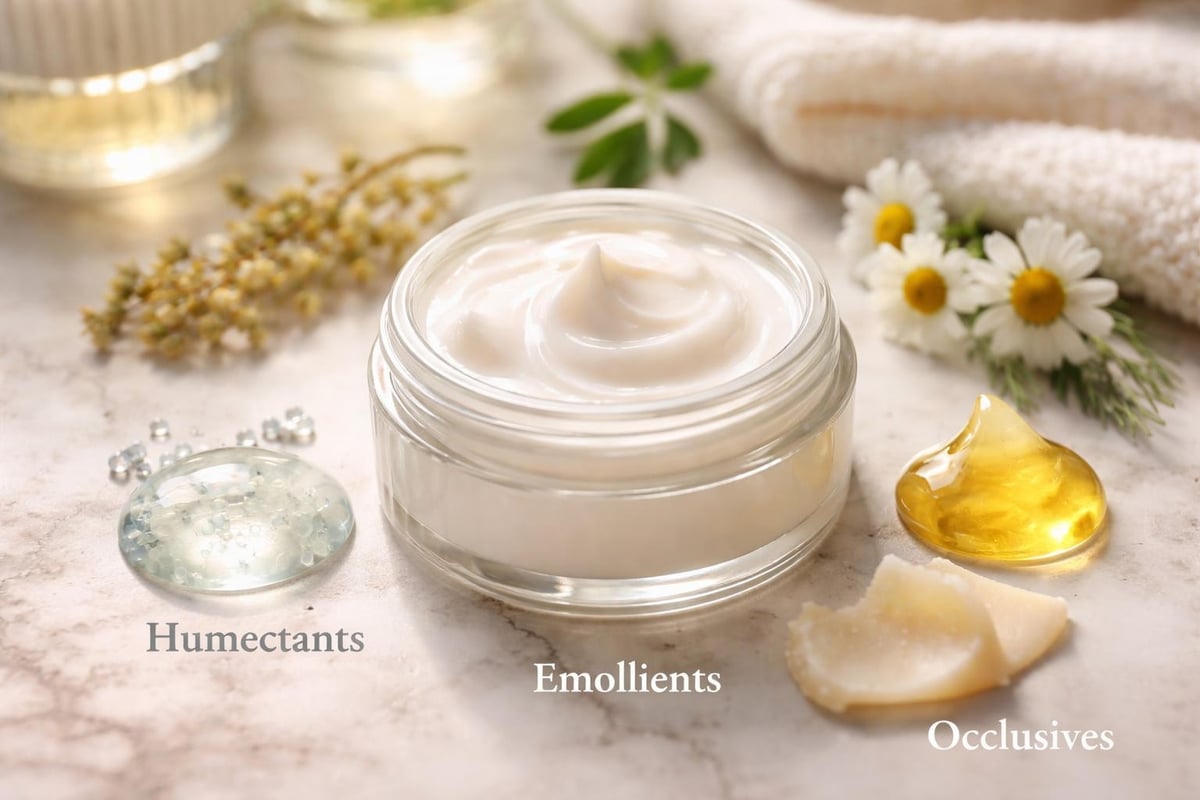
Emollients: Texture Smoothers
Emollients fill in the gaps between skin cells, creating a smooth, soft surface. They're essential for addressing the rough, flaky texture that winter brings. Look for squalane, jojoba oil, shea butter, and ceramides. These ingredients mimic your skin's natural lipid structure, making them highly compatible and effective.
Ceramides deserve special attention. These naturally occurring lipids make up approximately 50% of your skin barrier composition. Winter depletion of ceramides directly correlates with increased sensitivity and moisture loss. Replenishing them through topical application provides both immediate and cumulative benefits.
Occlusives: The Final Seal
Occlusives create a physical barrier on your skin's surface, preventing water loss through evaporation. In winter, this protective layer becomes non-negotiable. Petrolatum remains the gold standard, preventing up to 99% of transepidermal water loss, but many find it too heavy for facial use.
Modern alternatives include:
- Dimethicone: Lightweight silicone that creates a breathable barrier
- Lanolin: Mimics sebum structure for natural protection
- Mineral oils: Non-comedogenic when properly formulated
- Plant waxes: Natural alternatives with decent occlusive properties
Choosing the Right Texture for Your Skin Type
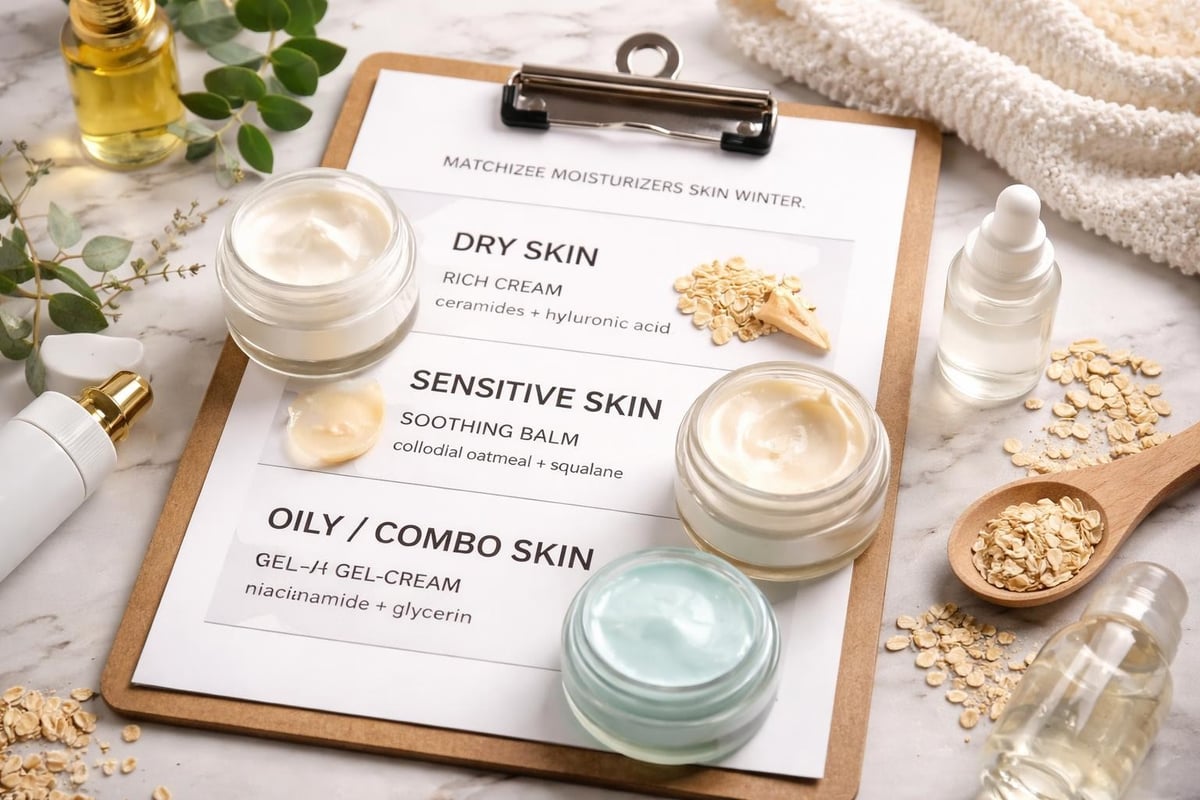
The perfect face moisturizer for winter isn't the same for everyone. Your skin type, concerns, and lifestyle all influence which texture delivers optimal results.
Dry and Mature Skin
Winter hits dry skin hardest. You need rich, cream-based formulas that deliver immediate comfort and lasting protection. Look for thick, balm-like textures that feel substantial on application but absorb fully within five minutes.
Characteristics to prioritise:
- High concentration of ceramides and fatty acids
- Cream or balm consistency
- Multiple occlusives for extended protection
- Nourishing oils like argan, rosehip, or marula
Oily and Combination Skin
Even oily skin needs winter moisturising, though the approach differs. The misconception that oily skin doesn't need heavy moisture in winter leads to dehydration, which paradoxically triggers more oil production. Oil-free moisturizers formulated with lightweight hydrators work best here.
Choose gel-creams or fluid emulsions that provide hydration without adding surface oils. Hyaluronic acid paired with niacinamide offers excellent results, balancing moisture while regulating sebum production.
Sensitive and Reactive Skin
Winter sensitivity increases dramatically as barrier function declines. Your face moisturizer for winter should focus on barrier repair and anti-inflammatory ingredients. Non-comedogenic formulas prevent additional congestion while delivering necessary hydration.
Avoid fragrances, essential oils, and known irritants. Instead, seek out centella asiatica, allantoin, bisabolol, and colloidal oatmeal. These ingredients calm reactivity while supporting the repair processes your skin desperately needs during harsh weather.
Application Techniques That Maximize Effectiveness
How you apply your face moisturizer for winter matters as much as what you apply. Strategic application enhances absorption, extends protection, and prevents common mistakes that reduce effectiveness.
The Damp Skin Advantage
Always apply moisturiser to slightly damp skin. Water on your skin's surface gets locked in by your moisturiser's occlusive ingredients, multiplying hydration benefits. After cleansing, gently pat (don't rub) your face until it's about 70% dry, then immediately apply your moisturiser.
This technique is particularly powerful with hyaluronic acid-containing products. Hyaluronic acid needs water to function optimally. Applying to damp skin ensures it has moisture to draw in and hold, rather than pulling from deeper skin layers.
Layering for Winter Protection
Winter often demands a layered approach. Start with a lightweight, water-based serum containing humectants. Follow with your primary face moisturizer for winter that contains both emollients and occlusives. For extremely harsh conditions, seal everything with a thin layer of facial oil or targeted occlusive.
Effective winter layering sequence:
- Hydrating serum or essence (water-based)
- Treatment products (if applicable)
- Primary moisturiser (cream or lotion)
- Facial oil or occlusive balm (optional, for severe conditions)
- Sunscreen (morning only, non-negotiable year-round)
Frequency and Reapplication
Unlike summer, when once-daily moisturising might suffice, winter typically requires twice-daily application minimum. Morning application focuses on protection against environmental stressors. Evening application emphasises repair and barrier restoration while your skin undergoes its natural renewal processes during sleep.
Consider midday reapplication if you work in particularly dry environments or spend extended time outdoors. Portable, lightweight formulas make this practical without disrupting makeup or looking overly shiny.
Supporting Your Moisturizer With System Thinking
A face moisturizer for winter works best within an integrated system, not as a standalone solution. The Routine. approach recognises that true skin confidence comes from products working together with defined roles.
Your moisturiser maintains baseline hydration and protection. But winter skin often needs targeted intervention for specific concerns like dry patches, uneven texture, or areas of sensitivity that develop despite overall care.
Refresh My Cheeks serves as a perfect supporting element within a winter routine, delivering concentrated hydration that replenishes moisture balance and soothes skin stressed by harsh conditions. Its lightweight serum texture layers seamlessly under heavier creams, providing an additional hydration boost exactly where your skin needs it most.

Boosting Winter Skin Response
Beyond moisturising, winter skin benefits from technologies that enhance its natural response to treatments. Light therapy supports circulation and helps skin better utilise the active ingredients in your moisturiser. When skin temperature and blood flow increase slightly, absorption improves and cellular repair processes accelerate.
Incorporating tools that stimulate without irritating creates a comprehensive approach to winter skin health. The combination of proper hydration, targeted treatments, and barrier support addresses winter challenges from multiple angles.
Common Mistakes to Avoid
Even with the right face moisturizer for winter, certain habits undermine your results. Recognising and correcting these patterns dramatically improves skin comfort and appearance throughout the cold months.
Over-Cleansing and Harsh Products
Winter skin cannot tolerate aggressive cleansing. Stripping cleansers remove the very oils your skin struggles to produce in cold weather. Switch to cream or oil-based cleansers that remove impurities while preserving essential lipids.
Similarly, avoid astringent toners, high-percentage acids, and retinoids used too frequently. These products have their place, but winter demands a gentler approach. Reduce active ingredient frequency and always buffer with adequate hydration.
Skipping Sunscreen
UV radiation penetrates clouds and reflects off snow, potentially causing more damage in winter than summer. Always apply broad-spectrum SPF 30 or higher as the final step in your morning routine, even on grey days.
Many modern sunscreens include moisturising ingredients, but they shouldn't replace your dedicated face moisturizer for winter. Layer them, allowing your moisturiser to absorb before applying sunscreen.
| Common Mistake | Why It Harms | Better Approach |
|---|---|---|
| Hot showers on face | Strips natural oils, damages barrier | Use lukewarm water, pat dry gently |
| Applying to completely dry skin | Reduces humectant effectiveness | Apply to damp skin within 60 seconds of cleansing |
| Using summer moisturiser | Insufficient occlusive protection | Switch to richer formulation or add facial oil |
| Forgetting neck and décolletage | These areas age faster, need equal protection | Extend all facial products to neck and chest |
| Inconsistent application | Barrier never fully recovers | Apply twice daily without exception |
Advanced Ingredients for Severe Winter Conditions
When standard moisturising isn't enough, certain advanced ingredients provide additional support for extremely dry or compromised skin.
Peptides and Growth Factors
These signalling molecules communicate with skin cells to enhance repair processes. In winter, when natural repair slows down, peptides accelerate barrier restoration and improve your skin's ability to retain the moisture your face moisturizer for winter provides.
Look for palmitoyl pentapeptide-4, copper peptides, or epidermal growth factor in formulations designed for mature or severely stressed skin. These ingredients work synergistically with traditional moisturising components.
Antioxidants for Winter Protection
Cold weather generates oxidative stress through various mechanisms. Antioxidants neutralise free radicals before they damage cellular structures. Vitamin C, vitamin E, resveratrol, and niacinamide all provide protective benefits while supporting barrier function.
Niacinamide deserves particular attention for winter use. This versatile vitamin B3 derivative strengthens the skin barrier, reduces inflammation, regulates oil production, and minimises the appearance of pores. At concentrations of 2-5%, it enhances the effectiveness of your face moisturizer for winter without causing irritation.
Botanical Extracts With Clinical Backing
Not all plant extracts offer meaningful benefits, but several have robust research supporting their use in winter formulations. Centella asiatica accelerates wound healing and soothes inflammation. Licorice root extract brightens while calming sensitivity. Green tea polyphenols provide antioxidant protection and anti-inflammatory benefits.
Choose products that list these ingredients high in the formulation and specify the active compounds (like madecassoside from centella or EGCG from green tea) rather than vague "extract" listings.
Adjusting Your Routine Throughout Winter
Winter isn't monolithic. Early winter, peak cold periods, and late winter each present different challenges requiring routine adjustments.
Early Winter Transition (April-May)
As temperatures begin dropping, your skin hasn't yet adapted to lower humidity and colder conditions. This transition period is ideal for gradually increasing moisturiser richness rather than making an abrupt switch.
Start by adding a hydrating serum under your existing moisturiser. After two weeks, evaluate whether you need to replace your moisturiser entirely or if the added hydration layer suffices. Many people find milky moisturisers perfect for this transition phase, offering increased hydration without overwhelming skin.
Peak Winter Intensity (June-July)
The coldest, driest months demand your most protective face moisturizer for winter. This is when heavier creams, sleeping masks, and occlusive balms become essential rather than optional.
Peak winter routine adjustments:
- Increase moisturiser application to twice daily without exception
- Add a weekly hydrating mask treatment
- Consider a humidifier in your bedroom
- Layer a facial oil over moisturiser at night
- Switch to cream cleansers exclusively
Late Winter Recovery (August-September)
As weather begins warming, resist the urge to immediately lighten your routine. Your skin barrier likely sustained cumulative damage throughout winter and needs continued support during recovery.
Gradually reduce occlusive products while maintaining strong hydration through humectants and emollients. This prevents the rebound dryness many experience when switching too quickly back to summer routines.
Professional Treatments and Winter Skincare
In-clinic treatments require special consideration during winter months. Your skin's compromised barrier state affects both treatment suitability and recovery.
Timing Considerations
Schedule aggressive treatments like deep chemical peels, laser resurfacing, or intensive microneedling for early autumn or late spring. Winter's harsh conditions interfere with optimal healing and increase complication risks.
However, gentler professional treatments can support your at-home face moisturizer for winter routine. Hydrating facials, LED light therapy, and mild enzyme treatments boost skin function without compromising barrier integrity.
Post-Treatment Care
If you undergo any professional treatment during winter, intensify your moisturising routine immediately afterward. Barrier disruption from treatments combined with winter environmental stress creates exceptional vulnerability.
Follow your practitioner's specific instructions, but generally plan to use heavy-duty moisturizers for at least two weeks post-treatment. Avoid all active ingredients, keep application frequency high, and protect treated skin from cold exposure.
Environmental Modifications for Better Skin
Your face moisturizer for winter works more effectively when environmental factors support rather than undermine your efforts.
Humidity Control
Indoor humidity below 30% makes it nearly impossible for skin to maintain adequate hydration, regardless of how good your moisturiser is. Invest in a quality humidifier for your bedroom and main living areas.
Aim for 40-50% relative humidity. This range supports skin hydration without promoting mould growth or other moisture-related issues in your home. Monitor with an inexpensive hygrometer to maintain optimal levels.
Water Temperature Management
Hot water feels comforting in winter but devastates your skin barrier. Every degree above lukewarm strips more natural oils and increases inflammation. This single change often produces dramatic improvements in skin comfort and appearance.
For cleansing, use water that feels neutral to slightly cool on your wrists. For showers, keep water temperature moderate and minimise direct facial exposure. Pat skin dry immediately and apply your face moisturizer for winter within 60 seconds.
Fabric Choices
Scarves and high collars that touch your face should be natural, soft fibres like cotton or silk. Synthetic materials and rough wool can irritate already stressed winter skin, causing micro-abrasions that compromise your barrier further.
Wash face-contact fabrics in gentle, fragrance-free detergents. Fabric softeners often contain irritating chemicals that transfer to your skin through prolonged contact.
Measuring Success and Making Adjustments
How do you know if your face moisturizer for winter is working? Objective assessment prevents wasting time on ineffective products and helps you refine your approach.
Short-Term Indicators (1-3 Days)
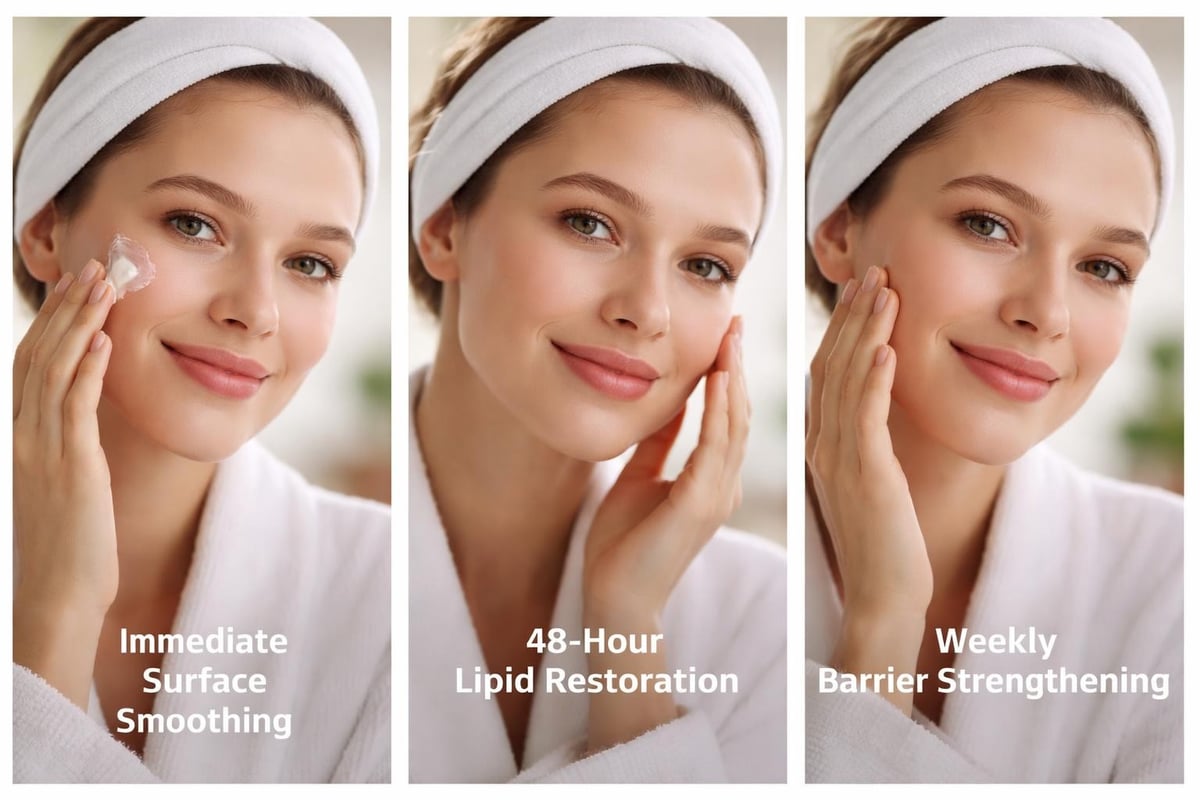
Immediate comfort is your first metric. Within 24 hours, a properly formulated moisturiser should eliminate tightness and that "pulling" sensation. Surface texture should feel smoother, though deeper issues won't resolve this quickly.
If you experience stinging, burning, or increased redness, discontinue use immediately. These symptoms indicate either ingredient sensitivity or a barrier so compromised that even gentle products cause reaction.
Medium-Term Progress (1-2 Weeks)
After consistent use for one to two weeks, evaluate visible improvements. Flaking should decrease significantly. Fine dehydration lines around eyes and mouth should soften. Overall skin tone should appear more even and less irritated.
Take weekly photos in consistent lighting to objectively track changes. Our perception adapts to gradual improvement, making photos essential for recognising real progress.
Long-Term Results (4+ Weeks)
A truly effective face moisturizer for winter produces cumulative benefits. By four weeks, your barrier function should improve measurably. Skin should tolerate temperature changes better, react less to environmental irritants, and maintain moisture longer between applications.
If you're not seeing these results after a month of consistent use, reassess your product choice and consider whether you need a richer formulation or additional supporting products.
Special Considerations for Different Demographics
Age, hormonal status, and underlying conditions all influence winter moisturising needs.
Younger Skin (Teens to Early 20s)
Even oily teenage skin needs winter moisturising, though the approach differs. Lightweight, gel-based formulas prevent the defensive oil overproduction that occurs when young skin becomes dehydrated.
Focus on non-comedogenic ingredients that hydrate without triggering breakouts. Niacinamide-containing products work particularly well for this demographic, balancing moisture while managing sebum production.
Mature Skin (40+)
Natural oil production decreases significantly after 40, making winter particularly challenging. Mature skin requires rich, nourishing formulations with higher concentrations of barrier-repairing ingredients.
Look for products that combine intensive hydration with anti-aging actives like peptides, retinol (used carefully in winter), and antioxidants. The best face moisturizer for winter in mature skin often resembles a treatment cream rather than a simple moisturiser.
Pregnancy and Hormonal Changes
Hormonal fluctuations during pregnancy, postpartum, or menopause alter skin behaviour unpredictably. What worked last winter might fail completely this year. Remain flexible and willing to adjust your face moisturizer for winter based on current needs rather than past patterns.
Many women experience increased sensitivity during these periods. Choose fragrance-free, minimal-ingredient formulas to reduce reaction risk while still providing adequate protection.
Building a Winter Skincare System
True skin confidence in winter comes from a systematic approach where each product serves a defined purpose and works synergistically with others.
The Target, Boost, Maintain Framework
Rather than accumulating random products, build your routine around specific functions. Target addresses particular concerns like dry patches or sensitivity zones. Boost enhances your skin's natural responses and repair capabilities. Maintain provides consistent baseline protection and hydration through products like your primary face moisturizer for winter.
This structured thinking prevents redundancy and ensures every product earns its place in your routine. When choosing between similar products, ask which category each fills and whether you already have that function covered.
Seasonal Product Rotation
Maintaining separate warm-weather and cold-weather skincare collections allows precise seasonal responses. Your winter arsenal should include:
- Gentle cream cleanser for barrier-preserving cleansing
- Hydrating toner or essence for initial moisture layer
- Treatment serum addressing your primary concern
- Rich face moisturizer for winter as your daily foundation
- Occlusive sleeping mask for intensive overnight repair
- Broad-spectrum sunscreen adapted for dry winter skin
Store off-season products properly (cool, dark, dry location) to maintain efficacy for next year.
The Role of Diet and Hydration
External moisturising works best when supported by internal hydration and nutrition.
Water Intake Strategies
The "eight glasses daily" rule oversimplifies hydration needs. In winter, you need adequate water intake, but the amount varies based on your size, activity level, and environment. Monitor your urine colour (pale yellow indicates good hydration) rather than counting glasses.
Herbal teas count toward fluid intake while providing warmth without the diuretic effects of caffeine. Room-temperature water absorbs more easily than ice-cold beverages, which your body must warm before utilising.
Skin-Supporting Nutrients
Certain nutrients directly support skin barrier function and hydration. Omega-3 fatty acids from fish, flaxseed, or supplements strengthen cell membranes and reduce inflammation. Vitamin E works synergistically with vitamin C to provide antioxidant protection.
Zinc supports skin repair and oil gland function. Vitamin A (through diet, not just topical retinoids) maintains healthy skin cell production. A balanced diet rich in vegetables, healthy fats, and adequate protein provides these nutrients naturally, but supplementation may help during winter when dietary quality sometimes declines.
Looking Beyond Winter
While this guide focuses on winter-specific needs, the habits you build during cold months create a foundation for year-round skin health.
Barrier Health as a Constant Priority
Winter teaches the critical importance of barrier function. This lesson applies equally to summer, though the specific threats differ (UV radiation, humidity, air conditioning versus cold, wind, heating).
Maintaining barrier integrity through every season means your skin enters each winter in better condition, requiring less intensive intervention to stay comfortable and healthy.
Adapting to Climate Change Impacts
Winter weather patterns are shifting. Extreme temperature swings, unusual precipitation, and unpredictable cold snaps all stress skin differently than traditional winter patterns. Build flexibility into your routine, keeping both lighter and heavier moisturising options available to adjust as conditions change day-to-day rather than just season-to-season.
The most effective face moisturizer for winter might need to change not just between summers and winters, but even week-to-week as weather becomes increasingly variable. Monitor your skin's responses and adjust accordingly rather than rigidly following a predetermined schedule.
Choosing the right face moisturizer for winter requires understanding your skin's unique needs, environmental challenges, and how strategic ingredient selection delivers both immediate comfort and long-term barrier health. Winter skincare succeeds through system thinking, where products work together with defined roles rather than functioning as isolated solutions. Routine. Beauty offers precisely this approach: a clear ecosystem built around structure, simplicity, and lasting skin confidence, where targeted treatments, circulation-boosting technology, and maintaining formulas work together as part of a disciplined routine designed for real life.

