


Plum skin care represents a sophisticated intersection of botanical science and evidence-based formulation. While the skincare industry frequently cycles through trendy ingredients, plum-derived compounds have maintained relevance due to their documented antioxidant capacity, balanced fatty acid profile, and natural exfoliating properties. From plum seed oil to fermented plum extracts, these ingredients offer multiple pathways to support skin barrier function, manage pigmentation, and enhance overall skin texture. Understanding how plum skin care works requires examining both the biochemical composition of plum-derived ingredients and their practical application within disciplined skincare systems.
The Biochemical Foundation of Plum Skin Care
Plum skin care draws its efficacy from several key compound categories that interact with skin cells in measurable ways. The fruit, seed, and even peel of various plum species contain bioactive molecules that have been studied for their dermatological applications.
Phenolic Compounds and Antioxidant Capacity
Research into plum peel extract demonstrates significant antioxidant properties due to its rich phenolic content. These compounds neutralize free radicals that contribute to premature aging, environmental damage, and inflammatory responses in skin tissue.
The antioxidant strength of plum skin care ingredients varies by:
- Species selection: Prunus salicina (Japanese plum) versus Prunus domestica (European plum)
- Extraction method: Cold-pressed oils versus fermented extracts
- Part used: Seed, flesh, or peel
- Processing technique: Ultrasound-assisted extraction versus traditional methods
Phenolic compounds in plum skin care function by donating electrons to unstable molecules, effectively interrupting oxidative chain reactions that degrade collagen and elastin. This protective mechanism becomes particularly relevant in formulations designed for environmental defense and long-term skin health maintenance.
Essential Fatty Acid Profile
Plum seed oil contains a balanced ratio of oleic acid (omega-9) and linoleic acid (omega-6), typically ranging from 60-75% oleic acid and 15-25% linoleic acid. This composition influences how plum skin care products interact with different skin types.
| Fatty Acid | Percentage Range | Primary Benefit | Skin Type Suitability |
|---|---|---|---|
| Oleic Acid | 60-75% | Deep penetration, emollient action | Dry, mature skin |
| Linoleic Acid | 15-25% | Barrier support, anti-inflammatory | Oily, acne-prone skin |
| Palmitic Acid | 4-8% | Occlusion, texture enhancement | All skin types |
| Stearic Acid | 1-3% | Stabilization, consistency | All skin types |
The moisturizing and anti-inflammatory properties of plum seed oil make it particularly valuable in formulations targeting barrier repair and sensitivity management. The linoleic acid component specifically addresses concerns in skin that produces excess sebum, as research indicates that sebum in acne-prone skin often shows linoleic acid deficiency.
Active Mechanisms in Plum Skin Care Formulations
Understanding how plum skin care works in practice requires examining the specific mechanisms through which these ingredients influence skin behavior and appearance.
Natural Alpha Hydroxy Acids and Exfoliation
Plum-derived ingredients naturally contain malic acid, an alpha hydroxy acid (AHA) that gently exfoliates skin while reducing irritation and redness. Unlike synthetic AHAs used in high-concentration peels, the malic acid in plum skin care products works gradually to:
- Loosen bonds between dead skin cells in the stratum corneum
- Encourage natural cell turnover without aggressive disruption
- Improve texture and tone over consistent application periods
- Support moisture retention through enhanced barrier function
This gentler approach to exfoliation aligns with system-based skincare philosophies that prioritize cumulative results over immediate transformation. Rather than shocking the skin with intensive treatments, plum skin care ingredients support the skin's natural renewal processes.
Melanogenesis Modulation and Brightening Effects
Research on plum extract fermented with Poria cocos mycelium demonstrates potential skin-whitening properties through melanogenesis regulation. This process doesn't bleach skin but rather influences the biochemical pathway that produces melanin.
The brightening mechanism involves several steps:
- Inhibition of tyrosinase enzyme activity, which catalyzes melanin production
- Reduction in melanin transfer from melanocytes to keratinocytes
- Antioxidant protection against UV-induced hyperpigmentation triggers
- Support for more even pigment distribution across skin surface
For those addressing dark spots, post-inflammatory hyperpigmentation, or uneven tone, plum skin care ingredients offer a complementary approach to targeted treatments. When precision matters most, combining botanical brightening agents with direct-delivery systems creates opportunities for controlled, localized improvement. The Routine. Peptide MicroPatch exemplifies this principle, delivering brightening and smoothing actives through dissolving micro-tips directly to the specific area you want to address, whether that's a dark spot, stretch line, or textured zone.
Barrier Function Support and Hydration
The lipid composition of plum seed oil mirrors aspects of the skin's natural barrier structure, which facilitates integration into the lipid matrix between corneocytes. This compatibility means plum skin care products can:
- Reinforce barrier integrity without occlusion-related complications
- Deliver fatty acids that the skin recognizes and utilizes
- Support trans-epidermal water loss (TEWL) reduction
- Enhance the delivery and efficacy of other active ingredients
Plum Skin Care Across Different Product Categories
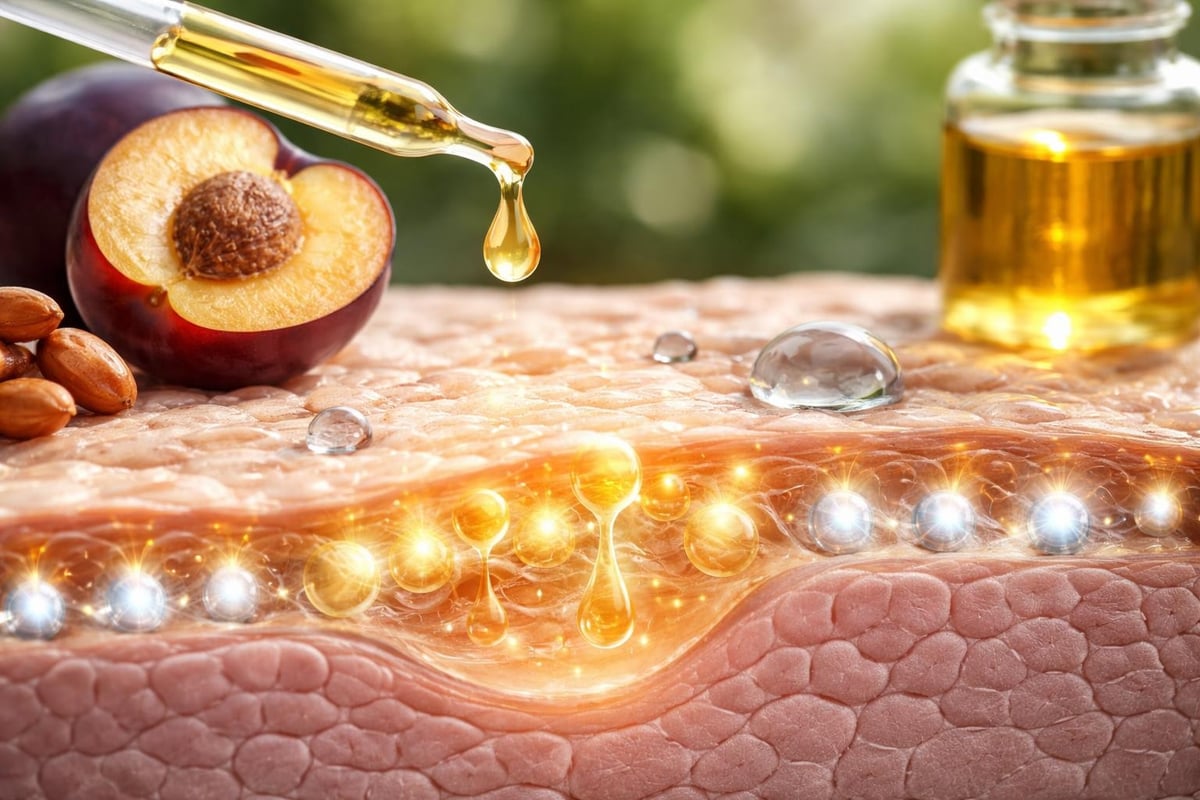
The versatility of plum-derived ingredients allows for strategic incorporation across multiple skincare formats, each serving distinct functions within a structured routine.
Facial Oils and Concentrated Serums
Plum face oil has gained recognition for its nutrient-rich profile that enhances skin hydration and texture. These concentrated formulations typically feature:
Application timing considerations:
- Morning use: Lighter formulations with higher linoleic acid content
- Evening use: Richer blends emphasizing oleic acid and repair
- Pre-treatment: Applied before active ingredients to support penetration
- Post-treatment: Used to seal in water-based products and calm skin
The key to effective plum skin care with oils lies in understanding absorption rates and layering principles. Oils don't add moisture but rather prevent its loss, making their placement in a routine crucial for optimal results.
Body Care Applications
Plum skin care extends beyond facial treatments, with body-focused formulations addressing concerns like uneven texture, dryness, and elasticity loss. The same fatty acid profile beneficial for facial skin proves equally valuable for:
- Stretch mark appearance reduction through barrier support
- Rough texture zones (elbows, knees, heels) requiring intensive hydration
- Post-inflammatory marks on body skin from acne or irritation
- Prevention strategies for environmental and mechanical skin stress
Body applications often allow for higher concentrations of plum-derived ingredients, as tolerance thresholds differ from facial skin sensitivity parameters.
Hybrid Formulations and System Integration
Modern plum skin care increasingly appears in hybrid products that combine botanical extracts with complementary technologies. This evolution reflects understanding that ingredients work best within coordinated systems rather than as isolated solutions.
Consider how plum skin care fits within structured approaches:
| System Role | Plum Ingredient Function | Complementary Technologies | Expected Outcome |
|---|---|---|---|
| Target | Brightening through melanogenesis modulation | Microneedle delivery, vitamin C derivatives | Precise pigmentation correction |
| Boost | Antioxidant protection, AHA exfoliation | Light therapy, enzyme treatments | Enhanced cellular response |
| Maintain | Barrier support, hydration retention | Ceramides, peptides | Sustained skin stability |
This framework ensures that plum skin care ingredients contribute to specific goals rather than creating redundancy or formulation conflicts within a routine.
Evidence-Based Selection Criteria for Plum Skin Care
Not all plum skin care products demonstrate equal quality or efficacy. Discerning selection requires understanding the markers that indicate thoughtful formulation and reliable performance.
Extraction and Processing Quality
The method used to obtain plum-derived ingredients significantly impacts their bioactive compound concentration and stability. Ultrasound-assisted extraction techniques preserve delicate phenolic compounds better than heat-intensive methods.
Quality indicators include:
- Cold-pressed extraction for seed oils, maintaining fatty acid integrity
- Fermentation processes that enhance bioavailability of beneficial compounds
- Standardized extract percentages indicating consistent active compound levels
- Third-party testing for oxidation markers and purity verification
Products that specify their extraction methodology and provide compound concentration data demonstrate formulation transparency that correlates with efficacy.
Formulation Context and Synergy
Plum skin care ingredients rarely work in isolation. Their effectiveness depends heavily on supporting ingredients and formulation pH, particularly when AHAs are involved.
Evaluate formulations for:
- pH optimization: Malic acid requires pH 3.5-4.0 for effective exfoliation without irritation
- Antioxidant preservation: Vitamin E, rosemary extract to prevent premature oxidation
- Penetration enhancers: Ingredients that support active delivery without barrier disruption
- Stabilization systems: Protecting light-sensitive and oxygen-sensitive compounds
The presence of complementary ingredients indicates formulation sophistication beyond simply including trendy botanical extracts.
Clinical Research and Manufacturer Transparency
While plum skin care benefits are supported by research, not all products citing these benefits have themselves undergone testing. Distinguish between:
Ingredient-level research: Studies on plum extracts, oils, or compounds in isolation
Product-level research: Clinical trials on the specific formulation being sold
Marketing claims: Statements that reference ingredient research without product validation
Manufacturers demonstrating commitment to efficacy provide access to research methodologies, participant demographics, and statistical significance data, not just before-and-after photographs.
Practical Implementation of Plum Skin Care
Theoretical benefits translate to real results only through consistent, appropriate application within a rational skincare structure.
Integration Into Existing Routines
Adding plum skin care products requires strategic placement based on their primary function and formulation characteristics.
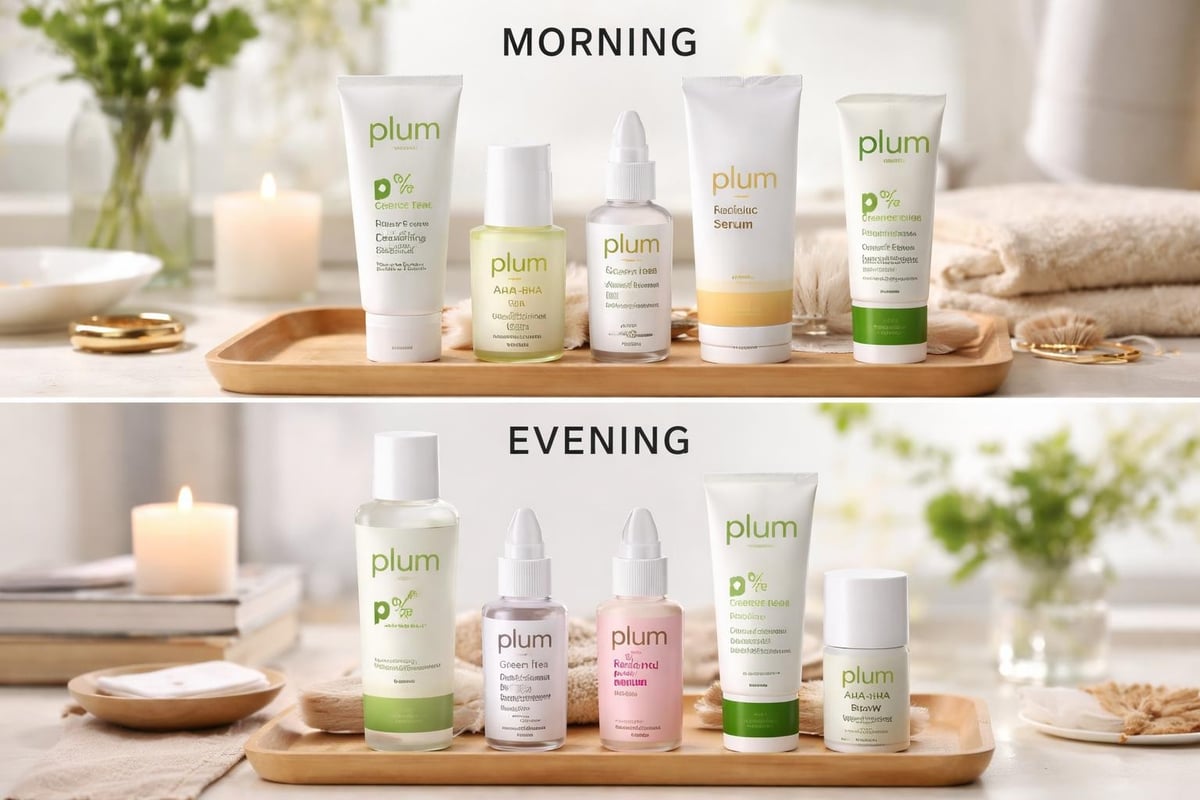
Morning routine integration:
- Cleanse with gentle, pH-balanced formula
- Apply water-based plum extract serum (if brightening is the goal)
- Layer targeted treatments for specific concerns
- Seal with plum seed oil or oil-containing moisturizer
- Apply broad-spectrum sun protection (essential with any AHA use)
Evening routine integration:
- Double cleanse to remove environmental accumulation
- Apply exfoliating toner (if plum product contains significant AHA)
- Use plum skin care serum or oil as treatment layer
- Apply richer barrier-support products if needed
- Allow overnight repair and renewal processes
The placement of plum skin care products should respect their pH requirements, avoid incompatible ingredient combinations (such as AHAs with retinoids initially), and maintain consistency for cumulative benefits.
Frequency and Concentration Considerations
Even gentle plum skin care ingredients require thoughtful frequency management, particularly those with exfoliating properties.
| Concern Addressed | Recommended Frequency | Concentration Guidance | Adjustment Signals |
|---|---|---|---|
| Brightening/Pigmentation | Daily (AM or PM) | 2-5% plum extract standardized | Increased sensitivity, redness |
| Barrier Support | Twice daily | 5-15% plum seed oil | Greasiness, breakouts (reduce) |
| Gentle Exfoliation | 3-4 times weekly | 0.5-2% natural AHA content | Flaking, tightness (reduce) |
| Antioxidant Protection | Daily (morning preferred) | Variable by formulation | No adjustment typically needed |
Starting with lower frequencies and concentrations allows skin adaptation, particularly for those with reactive or compromised barriers. Progressive increases every 2-3 weeks provide opportunities to find optimal dosing without overwhelming skin defenses.
Combining Plum Skin Care With Advanced Treatments
Plum-derived ingredients complement rather than replace advanced skincare technologies. Their role in supporting skin during and after more intensive interventions adds value to comprehensive approaches.
Pre-treatment preparation:
- Build barrier resilience with fatty acid-rich plum formulations
- Enhance antioxidant reserves before procedures causing controlled inflammation
- Support even skin tone as foundation for consistent treatment response
Post-treatment support:
- Provide gentle hydration without ingredients that might interfere with healing
- Supply anti-inflammatory compounds to manage expected reactivity
- Maintain treatment results through consistent barrier support
The antioxidant and anti-inflammatory properties in plum skin care make it particularly suitable for skin undergoing light therapy, micro-needling, or targeted patch treatments that benefit from a supported, calm environment.
Quality Benchmarks and Product Evaluation
Navigating the expanding plum skin care market requires analytical frameworks that separate substantive formulations from trend-following products with minimal active content.
Label Reading and Ingredient Hierarchy
Ingredient lists reveal formulation priorities through their required descending concentration order. Effective plum skin care products feature plum-derived ingredients within the first third of the list, indicating meaningful concentration levels.
Red flags in plum skin care products:
- Plum extract appearing after preservatives (suggesting trace amounts)
- Fragrance as primary ingredient above active botanicals
- Multiple silicones preceding any plum-derived compounds
- Absence of supporting antioxidants or stabilizers for oil-based ingredients
Quality indicators:
- Specific plum species identification (Prunus salicina, Prunus domestica)
- Extraction method disclosure (cold-pressed, CO2 extracted, fermented)
- Standardization percentages for extracts (showing consistent potency)
- Complementary ingredient selection demonstrating formulation synergy
Price-to-Value Assessment
Plum skin care spans wide price ranges, from accessible oils to luxury serums. Price doesn't guarantee quality, but extremely low prices may indicate dilution, oxidized oils, or minimal plum content.
Value calculation factors:
- Cost per application: Product size divided by recommended usage amount and frequency
- Active ingredient concentration: Higher percentages justify premium pricing
- Formulation complexity: Multi-functional products offering Target + Maintain roles
- Packaging protection: UV-blocking, airless pumps preventing oxidation extend product life
- Brand transparency: Companies investing in research typically price accordingly
The highest value emerges from products with verified plum compound concentrations, protective packaging, and clear positioning within a defined skincare system rather than standalone miracle solutions.
Sustainability and Sourcing Considerations
As plum skin care grows in popularity, sourcing practices impact both environmental sustainability and ingredient quality. Ethical considerations include:
- Byproduct utilization: Plum seed oil from food industry waste reduces resource demands
- Organic certification: Reduces pesticide presence in botanical extracts
- Fair trade practices: Ensures equitable treatment of agricultural workers
- Local sourcing: Reduces transport-related degradation for fresh extracts
Brands addressing these factors often demonstrate broader commitment to product integrity and long-term thinking that extends to formulation quality.
Skin Type Specific Considerations for Plum Skin Care
While plum skin care offers broad benefits, optimizing its use requires adapting to individual skin characteristics and concerns.
Oily and Acne-Prone Skin
The higher linoleic acid content in quality plum seed oil addresses sebum composition imbalances common in acne-prone skin. However, application technique matters significantly.
Optimization strategies:
- Select plum formulations emphasizing linoleic over oleic acid (check fatty acid profiles)
- Apply minimal quantities (2-3 drops for entire face)
- Use during evening routine when sebum production naturally decreases
- Pair with non-comedogenic supporting ingredients
- Monitor for initial purging (normal) versus true breakouts (discontinue)
The gentle exfoliation from natural AHAs in plum skin care supports pore clarification without the aggressive drying that triggers reactive sebum overproduction.
Dry and Mature Skin
Oleic acid-dominant plum skin care products provide the emollient action and deeper penetration beneficial for moisture-depleted and aging skin.
Enhanced efficacy approaches:
- Layer plum oil over hydrating serums to seal in water-based ingredients
- Combine with ceramides and cholesterol for complete lipid barrier support
- Use polyphenol-rich plum extracts for enhanced antioxidant protection against aging
- Apply to slightly damp skin for improved distribution and absorption
- Consider overnight masks incorporating plum derivatives for intensive repair
The antioxidant compounds in plum skin care particularly benefit mature skin dealing with accumulated environmental damage and decreased natural defense capacity.
Sensitive and Reactive Skin
Plum skin care's anti-inflammatory properties make it suitable for sensitive skin, provided products avoid common irritants and maintain appropriate concentrations.
Caution areas:
- Fragrance additions (even natural) can trigger reactions
- Essential oils combined with plum may overwhelm sensitive skin
- AHA content above 1% requires gradual introduction
- Patch testing behind ear for 48 hours before facial application
Benefits for sensitivity:
- Natural anti-inflammatory compounds calm existing irritation
- Barrier-supportive fatty acids reduce reactivity triggers
- Gentle exfoliation prevents accumulation that can cause inflammation
- Antioxidant protection against environmental sensitivity factors
Starting with pure, cold-pressed plum seed oil allows sensitive skin to experience benefits without formulation complexity that might introduce irritants.
Advanced Applications and Emerging Research
The science of plum skin care continues evolving, with research exploring novel applications and enhanced delivery mechanisms.
Microencapsulation and Stability Enhancement
Plum microparticle development represents advancement in protecting sensitive antioxidant compounds from degradation while enabling controlled release within skin layers.
This technology addresses traditional plum skin care limitations:
- Oxidation susceptibility of unsaturated fatty acids
- Degradation of phenolic compounds upon light and air exposure
- Inconsistent penetration depths of topically applied oils
- Stability challenges in water-based formulations containing oil-soluble actives
Microencapsulated plum extracts maintain potency longer and deliver benefits more predictably than conventional formulations.
Combination With Modern Delivery Systems
Plum skin care increasingly appears alongside advanced delivery technologies that enhance its natural properties. These combinations create opportunities for:
Enhanced penetration systems:
- Liposomal encapsulation carrying plum-derived fatty acids deeper into epidermis
- Microneedle patches delivering plum extracts with brightening peptides to specific areas
- Iontophoresis devices using electrical currents to drive water-soluble plum compounds through skin barrier
Complementary technology integration:
- Red light therapy sessions followed by plum antioxidant serums for recovery support
- Ultrasonic devices improving plum oil distribution and absorption
- Cryotherapy treatments paired with anti-inflammatory plum formulations
These integrated approaches recognize that plum skin care works best as part of coordinated systems rather than as isolated interventions.
Fermentation and Bioavailability Enhancement
Fermented plum extracts demonstrate enhanced bioactivity compared to standard preparations. The fermentation process:
- Breaks down large molecules into smaller, more penetrable compounds
- Generates additional beneficial metabolites not present in raw plum
- Increases concentration of specific phenolic compounds with proven skin benefits
- Improves stability and shelf-life of final formulations
This emerging category of plum skin care represents evolution beyond simple extraction toward biochemical optimization for dermatological application.
Plum skin care offers evidence-based benefits through antioxidant protection, barrier support, gentle exfoliation, and brightening mechanisms that work synergistically when properly formulated and applied. Rather than chasing individual miracle ingredients, effective skincare emerges from understanding how botanical compounds like those derived from plum fit within structured, purposeful routines. Routine. Beauty builds on this principle with a clear Target. Boost. Maintain. ecosystem where each product serves one defined role, from precision delivery systems to supporting maintenance formulas that work together for long-term skin confidence. Discover how structure and simplicity create lasting results.

