


Serums have become the cornerstone of modern skincare routines, offering concentrated doses of active ingredients that penetrate deeper than traditional moisturisers. These lightweight formulations target specific concerns with precision, from dehydration and dullness to fine lines and uneven texture. Understanding which serums work best for your skin and how they fit into a structured approach is essential for achieving long-term results rather than chasing short-lived trends.
Understanding Serum Formulations and Their Purpose
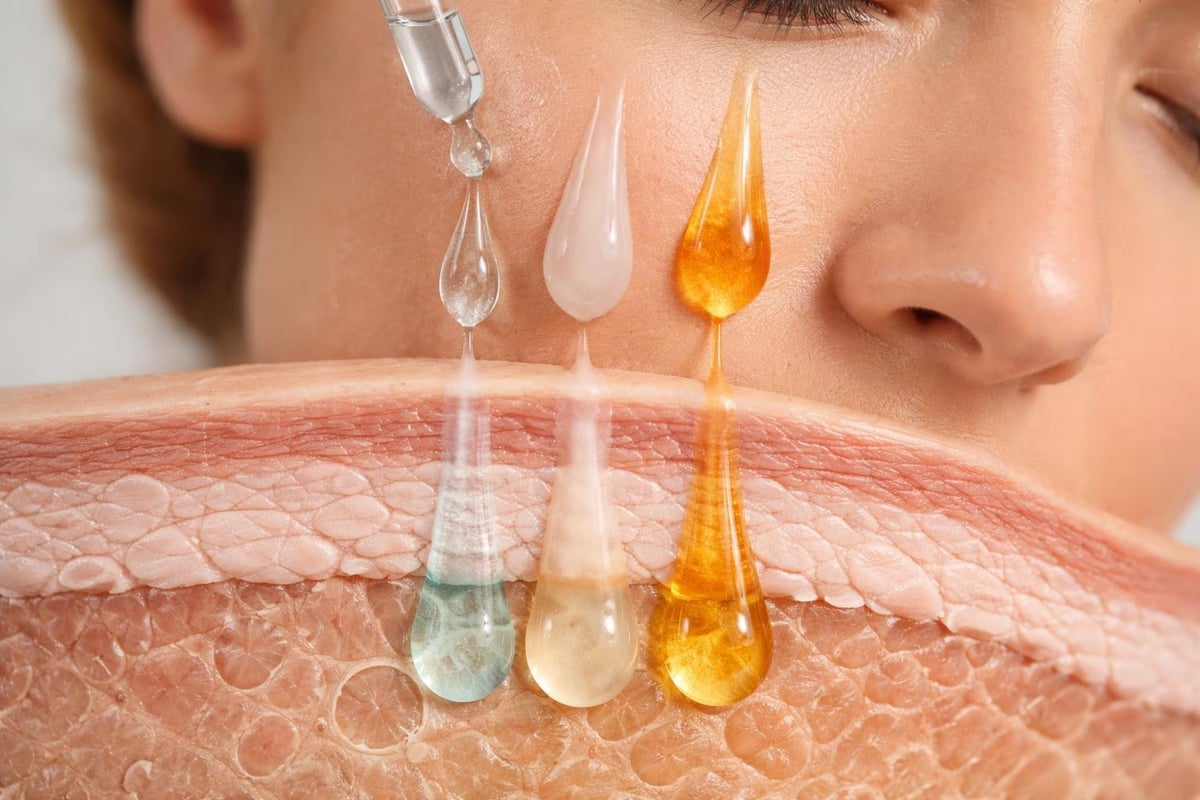
The best serums distinguish themselves through carefully selected active ingredients, appropriate concentration levels, and proven delivery systems. Unlike creams or lotions that primarily work on the skin's surface, serums contain smaller molecules that can reach deeper layers where cellular activity occurs. This fundamental difference makes them ideal for addressing concerns that require more than surface-level hydration.
Active Ingredient Concentration
Quality serums contain higher concentrations of actives compared to other skincare products. Vitamin C serums typically range from 10% to 20% concentration, whilst hyaluronic acid formulations may contain multiple molecular weights to hydrate various skin layers. Retinol concentrations vary from 0.25% for beginners to 1% for experienced users.
Key concentration guidelines:
- Vitamin C: 10-20% for optimal effectiveness
- Niacinamide: 5-10% for balanced results
- Hyaluronic acid: 1-2% across multiple weights
- Peptides: 2-5% depending on the specific peptide complex
The formulation base matters equally. Water-based serums absorb quickly and layer well under other products, whilst oil-based versions provide additional nourishment for drier skin types. According to research on serum formulations, the delivery system affects both penetration and stability of active ingredients.
Choosing Based on Skin Concerns
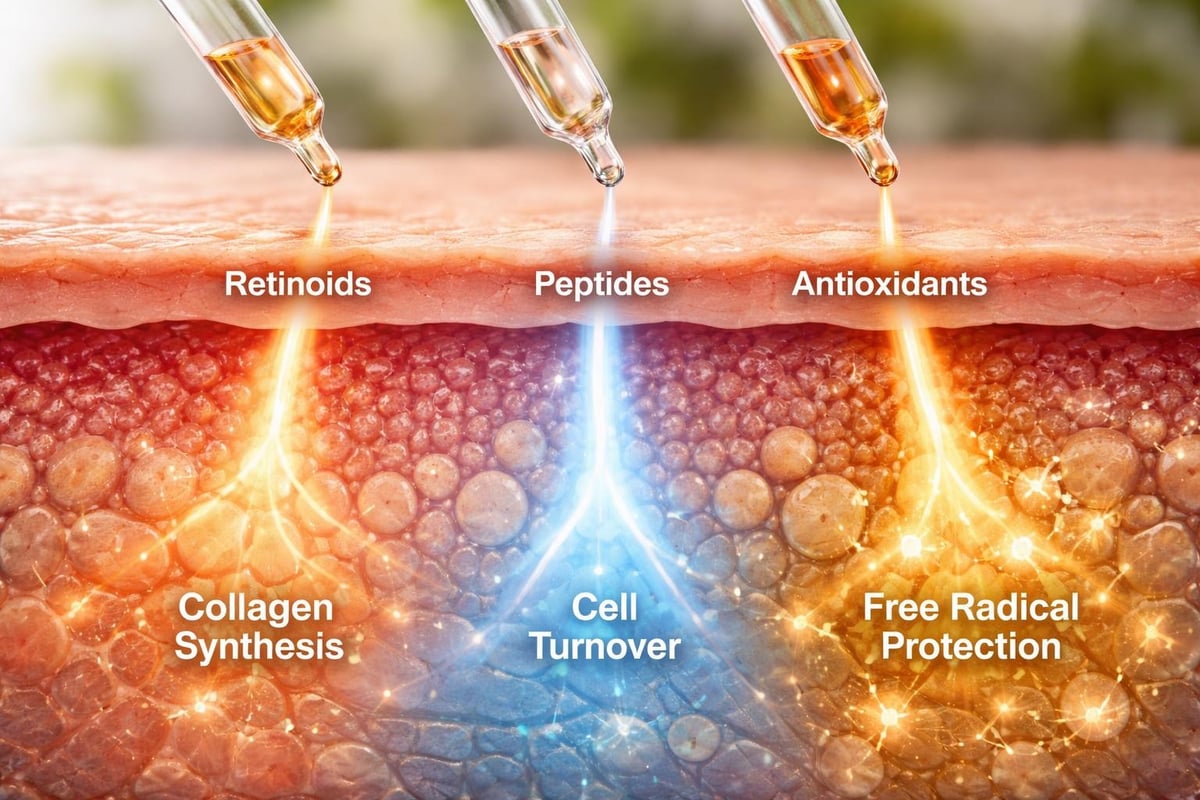
Different concerns require distinct active ingredients. The best serums for anti-ageing combine retinoids, peptides, and antioxidants to address multiple pathways of skin ageing simultaneously. For dehydration, multi-weight hyaluronic acid paired with humectants creates lasting moisture retention.
| Concern | Primary Actives | Supporting Ingredients | Expected Timeline |
|---|---|---|---|
| Dehydration | Hyaluronic acid, glycerin | Ceramides, panthenol | 1-2 weeks |
| Fine lines | Retinol, peptides | Vitamin E, squalane | 8-12 weeks |
| Uneven tone | Vitamin C, niacinamide | Licorice root, kojic acid | 6-8 weeks |
| Texture | AHAs, BHAs | Azelaic acid, enzymes | 4-6 weeks |
Hydrating Serums for Moisture Balance
Hydrating serums form the foundation of most skincare routines, regardless of skin type. Even oily skin requires adequate hydration to maintain barrier function and prevent compensatory oil production. Expert-tested hydrating serums demonstrate that layering hydrators creates better results than relying on moisturiser alone.
The most effective hydrating formulations use multiple molecular weights of hyaluronic acid. Low molecular weight penetrates deeply, whilst high molecular weight forms a moisture-retaining film on the surface. This layered approach addresses dehydration at every level.
Building a Hydration System
- Apply hydrating serum to damp skin immediately after cleansing
- Press gently rather than rubbing to encourage absorption
- Layer additional serums if targeting other concerns
- Seal with appropriate moisturiser based on skin type
- Reapply lightweight hydrating mist throughout day if needed
Beyond hyaluronic acid, glycerin, panthenol, and beta-glucan provide complementary hydration. These humectants draw moisture from the environment whilst supporting the skin's natural moisture factors. Combining multiple hydrators creates redundancy that maintains moisture regardless of environmental conditions.
Signs you need better hydration:
- Tightness after cleansing
- Makeup sitting on surface rather than blending
- Fine lines more visible than usual
- Increased sensitivity to other products
- Rough texture despite exfoliation
Anti-Ageing Serums That Deliver Results
The best serums for anti-ageing work through multiple mechanisms rather than relying on a single ingredient. Retinoids increase cell turnover and stimulate collagen production, peptides signal repair processes, and antioxidants protect against ongoing damage. This multi-pronged approach addresses both existing signs of ageing and prevents future deterioration.
Retinol remains the gold standard for anti-ageing, supported by decades of research. However, bakuchiol, peptide complexes, and growth factors offer alternatives for those unable to tolerate retinoids. Dermatologist-recommended anti-aging serums emphasise consistent use over high concentrations for sustainable results.
Retinoid Integration Strategy
Starting with retinoids requires patience and gradual introduction. Begin with 0.25% or 0.3% concentration used twice weekly, increasing frequency every two weeks as tolerance builds. Buffer with moisturiser if experiencing irritation, and always pair with diligent sun protection.
The best approach involves using retinoids at night and antioxidants during the day. Vitamin C, vitamin E, and ferulic acid combinations provide environmental protection whilst retinoids work on cellular renewal during sleep. This day-night split maximises benefits whilst minimising potential conflicts between actives.
| Retinoid Type | Strength | Conversion Rate | Best For |
|---|---|---|---|
| Retinyl palmitate | Weakest | 4 conversions needed | Sensitive beginners |
| Retinol | Moderate | 2 conversions needed | Most skin types |
| Retinaldehyde | Strong | 1 conversion needed | Experienced users |
| Tretinoin | Strongest | Direct retinoic acid | Prescription only |
Brightening and Evening Serums
Uneven skin tone, dark spots, and post-inflammatory marks respond well to targeted brightening serums. The best serums in this category combine multiple brightening pathways: melanin inhibition, gentle exfoliation, and inflammation reduction. Vitamin C, niacinamide, and tranexamic acid work through distinct mechanisms that complement rather than compete.
Vitamin C serums require attention to formulation stability. L-ascorbic acid delivers the most research-backed results but oxidises quickly when exposed to light and air. Alternative forms like tetrahexyldecyl ascorbate or sodium ascorbyl phosphate offer greater stability with slightly different benefit profiles.
Layering Brightening Actives
Contrary to old advice, vitamin C and niacinamide can be used together without issues. Research has debunked the conversion to nicotinic acid myth, and many find the combination more effective than either ingredient alone. Apply vitamin C first on clean skin, followed by niacinamide, then hydrating layers.
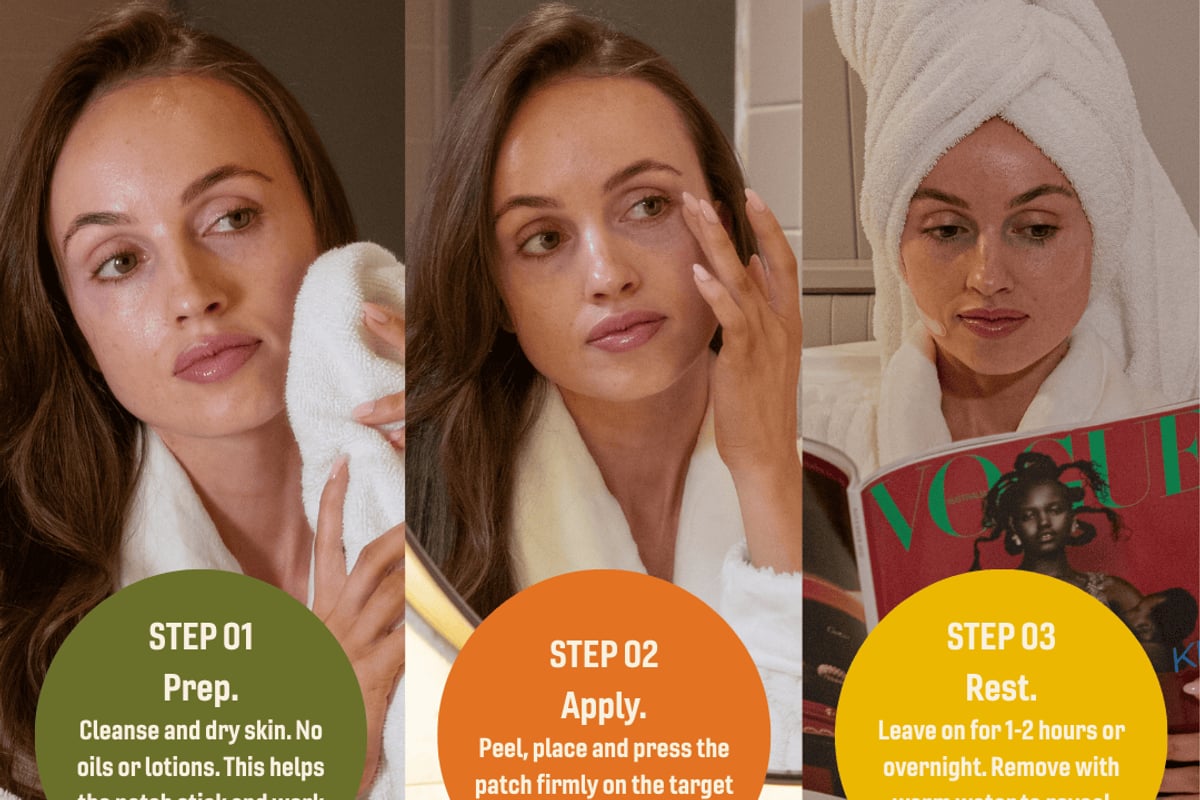
For targeted darkening like spots or marks, precision application delivers better results than full-face coverage. Routine.'s system-led approach recognises this need for targeted intervention. The Routine. Peptide MicroPatch uses dissolving micro-tips to deliver brightening and smoothing actives directly into specific areas, providing controlled absorption exactly where you need visible improvement.
Brightening ingredient combinations that work:
- Vitamin C + ferulic acid + vitamin E (antioxidant protection)
- Niacinamide + N-acetyl glucosamine (melanin transfer inhibition)
- Tranexamic acid + kojic acid (multiple brightening pathways)
- Alpha arbutin + licorice root extract (tyrosinase inhibition)
Texture-Refining and Clarifying Serums
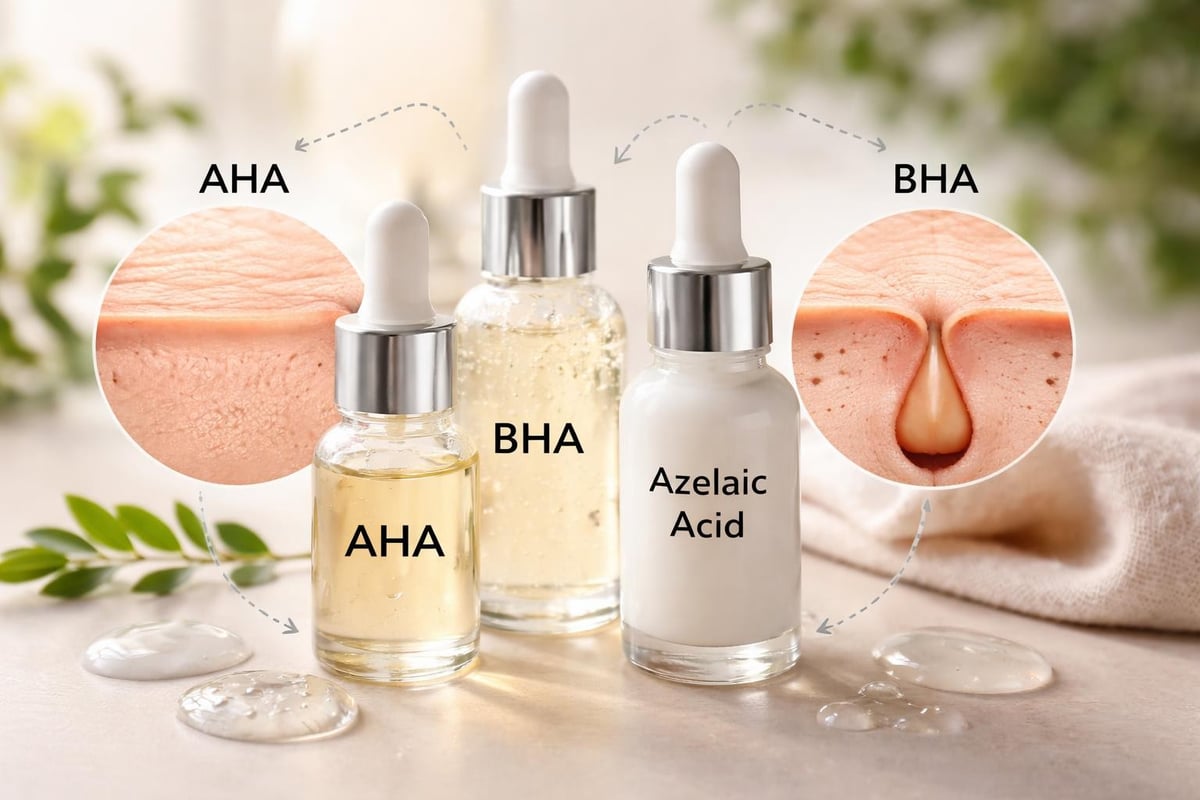
Chemical exfoliants in serum form provide gentler, more controlled refinement than physical scrubs or high-concentration peels. AHAs like glycolic and lactic acid work on the surface, whilst BHAs like salicylic acid penetrate oil-filled pores. The best serums for texture issues often combine both acid types at moderate concentrations for comprehensive results.
Acid Selection by Skin Type
Oily and acne-prone skin benefits most from salicylic acid's oil-soluble properties. It penetrates sebaceous filaments and prevents pore blockages before they become visible. Dry and sensitive types respond better to lactic acid or mandelic acid, which provide gentler exfoliation whilst supporting moisture retention.
Azelaic acid occupies a unique position, addressing multiple concerns simultaneously. It refines texture, reduces redness, fights acne-causing bacteria, and inhibits excess melanin production. This versatility makes it valuable for combination skin with multiple concerns.
- Start acids slowly: once or twice weekly
- Monitor for over-exfoliation: redness, stinging, flaking
- Reduce frequency if irritation occurs
- Always use sun protection when using acids
- Avoid combining with retinoids until experienced
Specialised Serums for Specific Needs
Beyond the main categories, specialised serums address niche concerns with targeted formulations. Barrier repair serums containing ceramides, cholesterol, and fatty acids help compromised skin recover from damage or sensitivity. Calming serums with centella asiatica, allantoin, and beta-glucan reduce inflammation and reactivity.
According to comprehensive serum reviews, these specialised formulations fill important gaps in routine construction, particularly for those dealing with temporary disruptions like climate changes or stress-related skin reactions.
Eye and Lip Serums
The delicate skin around eyes and lips requires gentler formulations with specific actives. Caffeine reduces puffiness, peptides address fine lines, and light-reflecting particles minimise dark circles. These areas benefit from serums rather than heavy creams that may migrate into eyes or feel uncomfortable on lips.
Specialised serum categories:
- Barrier repair: ceramides, cholesterol, niacinamide
- Soothing: centella, allantoin, colloidal oatmeal
- Pore-refining: niacinamide, zinc PCA, retinoids
- Redness reduction: azelaic acid, green tea, liquorice
- Post-procedure: growth factors, peptides, antioxidants
Application Techniques for Maximum Effectiveness
The best serums deliver suboptimal results when applied incorrectly. Temperature, timing, and technique all influence absorption and effectiveness. Applying serums to damp skin increases penetration, whilst warming between palms before pressing onto face improves distribution.
Layering Order and Timing
Follow the thin-to-thick rule when layering multiple serums. Water-based formulations apply first, followed by hybrid textures, then oil-based treatments. Allow 30-60 seconds between layers for each to absorb before adding the next. This prevents pilling and ensures each product reaches the skin rather than mixing with the previous layer.
Morning routines prioritise protection: antioxidants, followed by hydration, then sun protection. Evening routines focus on repair: treatment actives like retinoids or acids, followed by hydration and nourishment. This circadian approach aligns product function with the skin's natural daily cycle.
| Time of Day | Serum Focus | Supporting Products | Why This Timing |
|---|---|---|---|
| Morning | Antioxidants, brightening | Vitamin C, ferulic acid | Environmental protection |
| Evening | Renewal, repair | Retinoids, peptides | Cellular regeneration |
| Both | Hydration | Hyaluronic acid | Continuous moisture support |
| As needed | Calming, barrier | Ceramides, centella | Responsive treatment |
Serum Selection by Skin Type
Different skin types require adjusted approaches to serum selection and layering. Oily skin benefits from lightweight, water-based formulations that won't add heaviness. Dry skin needs richer serums with additional nourishing components. Combination skin often requires targeted application: lighter serums on the T-zone, richer formulations on dry areas.
According to dermatologist recommendations, matching serum texture to skin type prevents both inadequate treatment and overwhelming the skin with inappropriate formulations. Sensitive skin requires fragrance-free, minimal-ingredient serums that deliver benefits without irritation triggers.
Oily and Acne-Prone Skin
Choose gel or water-based serums with mattifying ingredients like niacinamide and salicylic acid. Avoid heavy oils and silicones that may contribute to congestion. Lightweight hydration remains essential despite oil production, as dehydrated oily skin often produces more sebum to compensate.
Best ingredients for oily skin:
- Niacinamide (regulates sebum production)
- Salicylic acid (clears pores)
- Zinc PCA (controls oil)
- Light hyaluronic acid (oil-free hydration)
Dry and Dehydrated Skin
Layer multiple hydrating serums for comprehensive moisture support. Start with hyaluronic acid on damp skin, add a nourishing serum with oils or ceramides, then seal with rich moisturiser. This sandwich approach traps hydration whilst providing nourishment.
Winter or climate-controlled environments increase dehydration. Consider adding a hydrating essence or toner before serums, and a facial oil after serums but before moisturiser for additional protection.
Sensitive and Reactive Skin
Sensitive skin requires careful ingredient selection and patch testing. Start with single-ingredient serums to identify tolerances before moving to complex formulations. Avoid essential oils, fragrance, and high concentrations of potent actives until you establish a stable baseline.
- Patch test new serums on inner arm for 24 hours
- Introduce one new product at a time
- Wait two weeks before adding another new item
- Keep a skincare journal tracking reactions
- Focus on barrier support and calming ingredients
Building a System-Led Serum Routine
The most effective approach to serums involves systematic integration rather than random application. The best serums work together as part of a larger ecosystem where each product has a defined role. This structured approach prevents ingredient conflicts, reduces waste, and creates measurable progress toward specific goals.
The Target-Boost-Maintain Framework
Successful routines separate corrective treatment from ongoing maintenance. Target specific concerns with potent actives during treatment phases. Boost effectiveness with complementary ingredients that support the primary treatment. Maintain results with consistent, gentle formulations that preserve improvements.
This systematic approach prevents the common trap of using too many actives simultaneously or abandoning effective products before they deliver results. Most serums require 6-12 weeks of consistent use to demonstrate full benefits.
Signs your serum routine needs restructuring:
- Increased sensitivity or irritation
- No visible improvement after 12 weeks
- Products pilling or not absorbing
- Confusion about application order
- Purchasing products that duplicate benefits
Seasonal Adjustments and Routine Evolution
The best serums for summer may differ from winter requirements as environmental conditions change. Humidity affects hydration needs, whilst temperature influences oil production and barrier integrity. Adjusting serum selection seasonally prevents both insufficiency and overwhelm.
Summer typically requires lighter hydration and enhanced antioxidant protection against UV-induced free radical damage. Winter demands richer moisture support and barrier reinforcement against harsh weather and indoor heating. Transition seasons benefit from flexible routines that can shift based on daily conditions.
Travel and Climate Adaptation
Travelling disrupts skin through climate changes, altitude, and water quality variations. Pack versatile serums that address multiple concerns rather than specialised single-function products. Hydrating serums with antioxidants provide protection and moisture support regardless of destination.
Consider miniature versions of core serums rather than trying new products whilst traveling. Familiar formulations reduce the risk of reactions when skin is already stressed by travel demands. Simplify to essentials: one hydrating serum, one treatment serum, sun protection, and barrier support.
| Season | Primary Concerns | Recommended Serums | Adjustment Strategy |
|---|---|---|---|
| Summer | Dehydration, sun damage | Lightweight hyaluronic, vitamin C | Increase antioxidants, reduce oils |
| Autumn | Transition, sensitivity | Barrier repair, gentle actives | Rebuild tolerance to stronger actives |
| Winter | Dryness, barrier damage | Rich hydrators, ceramides | Layer multiple hydrating serums |
| Spring | Congestion, renewal | Gentle acids, niacinamide | Increase exfoliation gradually |
Ingredient Interactions and Compatibility
Understanding which ingredients work synergistically and which require separation prevents decreased effectiveness or increased irritation. The best serums are formulated with compatible ingredient combinations, but layering multiple products requires knowledge of potential conflicts.
Retinoids and AHAs together may cause excessive irritation for many skin types, though some tolerate alternating nights. Vitamin C and retinoids can be used in the same routine (vitamin C morning, retinoid evening) but not simultaneously. Niacinamide pairs well with virtually everything, making it an excellent supporting ingredient.
Safe Layering Combinations
Some ingredient combinations enhance effectiveness beyond what either provides alone. Vitamin C with vitamin E and ferulic acid shows superior antioxidant protection compared to vitamin C alone. Retinol with niacinamide reduces irritation whilst maintaining efficacy.
Synergistic combinations:
- Vitamin C + vitamin E + ferulic acid (enhanced stability and protection)
- Retinol + niacinamide (reduced irritation, maintained benefits)
- Hyaluronic acid + glycerin (improved moisture retention)
- Peptides + antioxidants (protection and repair)
Problematic combinations requiring separation:
- Retinoids + AHAs (use different times or alternate days)
- Vitamin C + copper peptides (potential oxidation)
- Retinoids + benzoyl peroxide (decreased retinoid stability)
Quality Indicators and Formulation Standards
The best serums demonstrate quality through packaging, ingredient selection, and formulation transparency. Airless pumps protect antioxidants from oxidation. Opaque or dark glass bottles shield light-sensitive ingredients. Appropriate pH levels ensure actives remain stable and effective.
Concentration matters more than ingredient lists' length. A serum with 15% vitamin C delivers more benefit than one listing vitamin C as the eighth ingredient. Look for brands that disclose concentrations, pH levels, and formulation rationale rather than relying on marketing claims alone.
Reading Beyond Marketing Claims
"Clinical strength," "dermatologist-tested," and "proven results" mean little without specific data. The best serums provide information about study design, participant numbers, and actual measured outcomes. Before-and-after photos should include consistent lighting, angles, and timeframes.
Ingredient quality varies significantly. L-ascorbic acid provides different results than ascorbyl palmitate despite both being "vitamin C." Understanding these distinctions helps evaluate whether a serum's formulation matches its claims.
- Check ingredient concentrations if disclosed
- Verify appropriate packaging for active stability
- Look for pH information on acid-based serums
- Research the specific form of key ingredients
- Seek independent reviews beyond brand websites
Finding the best serums for your specific needs requires understanding formulation fundamentals, ingredient interactions, and systematic application within a structured routine. Rather than chasing trending ingredients or accumulating products, focus on building a coherent ecosystem where each serum serves a defined purpose. Routine. Beauty offers a system-led approach built around Target, Boost, and Maintain principles, providing precision treatments and supporting formulas that work together for long-term skin confidence. Discover how structured, multi-sensory skincare can transform your routine from chaotic to confident.

