


Finding good face products isn't about chasing viral trends or accumulating dozens of bottles on your bathroom shelf. It's about understanding what your skin actually needs, recognising which ingredients deliver measurable results, and building a systematic approach that fits into your real life. In 2026, the skincare landscape has shifted from maximalism to precision-where each product serves a defined purpose and works synergistically within a broader ecosystem. This guide breaks down how to identify truly effective formulations, structure a routine that works, and invest in products that earn their place in your daily ritual.
Understanding What Makes Face Products Effective
The difference between marketing hype and genuine efficacy lies in formulation science, ingredient concentration, and delivery systems. Good face products combine evidence-based actives with vehicles that ensure those ingredients penetrate the skin barrier and reach their target sites.
Active Ingredient Quality and Concentration
Not all ingredients are created equal. Peptides, for instance, vary widely in molecular weight and stability. A product listing "peptides" on the label means little if the concentration falls below therapeutic thresholds or the formulation degrades rapidly. Similarly, hyaluronic acid works differently at various molecular weights-low-weight versions penetrate deeper, while high-weight forms create surface hydration.
When evaluating potential additions to your routine, consider these factors:
- Concentration levels that match clinical research (often listed as percentages)
- pH compatibility with the active ingredient's efficacy window
- Stabilisation technology that preserves potency through shelf life
- Penetration enhancers that don't compromise skin barrier function
The best formulations balance potency with skin tolerance. Dermatologist-approved products typically undergo rigorous testing to ensure ingredients remain stable and deliver consistent results across diverse skin types.
Delivery Systems That Actually Work
Traditional creams and lotions represent just one approach to skincare delivery. In 2026, advanced systems offer more precise, controlled absorption. Microencapsulation protects sensitive actives from degradation while releasing them gradually into skin. Patch technology creates an occlusive environment that drives ingredients into targeted areas without affecting surrounding tissue.
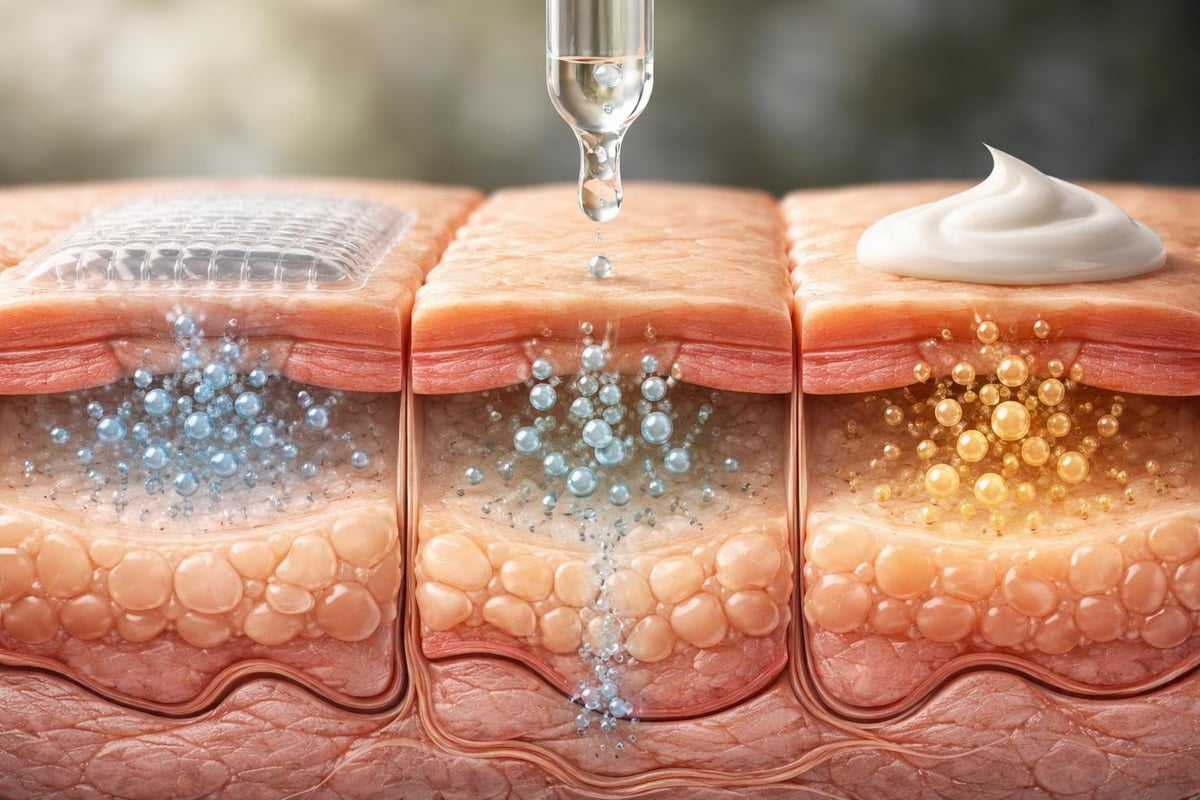
These innovations matter because even the highest-quality ingredient achieves nothing if it can't reach the cellular level where change occurs. Good face products consider both the "what" and the "how" of skincare.
Building a System-Based Skincare Routine
Random product accumulation creates confusion and often counterproductive layering. A structured approach organises products into clear categories based on their function within your overall skin strategy.
The Three-Tier Framework
Modern skincare philosophy centres on three distinct roles:
Target products address specific concerns with concentrated actives. These formulations contain higher percentages of treatment ingredients designed for particular issues-hyperpigmentation, fine lines, texture irregularities, or persistent marks. They're applied precisely where needed rather than across the entire face.
Boost products enhance the skin's responsiveness to treatments. This category includes technologies like light therapy devices that support cellular function, improve circulation, and create optimal conditions for treatments to work more effectively.
Maintain products support overall skin health between targeted interventions. These formulations focus on hydration, barrier protection, and balance-keeping skin resilient and receptive without overloading it with unnecessary actives.
| Product Category | Primary Function | Application Frequency | Key Characteristics |
|---|---|---|---|
| Target | Treat specific concerns | As needed, precisely placed | High-active concentration |
| Boost | Enhance treatment response | Daily or several times weekly | Technology-driven |
| Maintain | Support baseline health | Daily, full-face | Gentle, balancing |
This framework eliminates guesswork. Each product has one job, and you understand exactly why it's part of your routine.
Sequencing Products for Maximum Impact
Even good face products fail when applied in the wrong order. The general principle follows thinnest to thickest consistency, but active ingredients complicate this rule.
Start with cleansing-not negotiable, and worth investing in a formula that removes impurities without stripping natural lipids. Next, apply any water-based treatment serums while skin retains slight dampness. This enhances absorption and creates a hydrated foundation for subsequent layers.
Treatment patches or targeted actives come before broader application products. These need direct skin contact to work effectively. If you're addressing specific marks or texture concerns, apply these first to ensure maximum penetration at your chosen sites.
For those incorporating brightening treatments into their routine, the Routine. Peptide MicroPatch offers a precise approach-delivering concentrated actives directly to dark spots, marks, or textured areas through dissolving micro-tips that ensure controlled absorption exactly where you place them.

Follow targeted treatments with boosting technologies if they're part of your system. Light therapy works best on clean skin before occlusive products create barriers. Finally, seal everything with maintenance formulas that lock in treatments while providing ongoing hydration and protection.
Key Ingredients to Look for in 2026
Skincare science continues evolving, but certain ingredients demonstrate consistent, research-backed results across skin types and concerns.
Peptides and Growth Factors
These signalling molecules communicate with skin cells to trigger specific responses. Matrixyl peptides stimulate collagen production. Copper peptides support wound healing and reduce inflammation. Palmitoyl oligopeptide improves skin firmness and elasticity.
The advantage of peptides lies in their gentle efficacy. Unlike aggressive actives that force visible change through controlled irritation, peptides work with skin's natural processes. This makes them suitable for sensitive types and sustainable for long-term use without resistance or tolerance issues.
Targeted Brightening Complexes
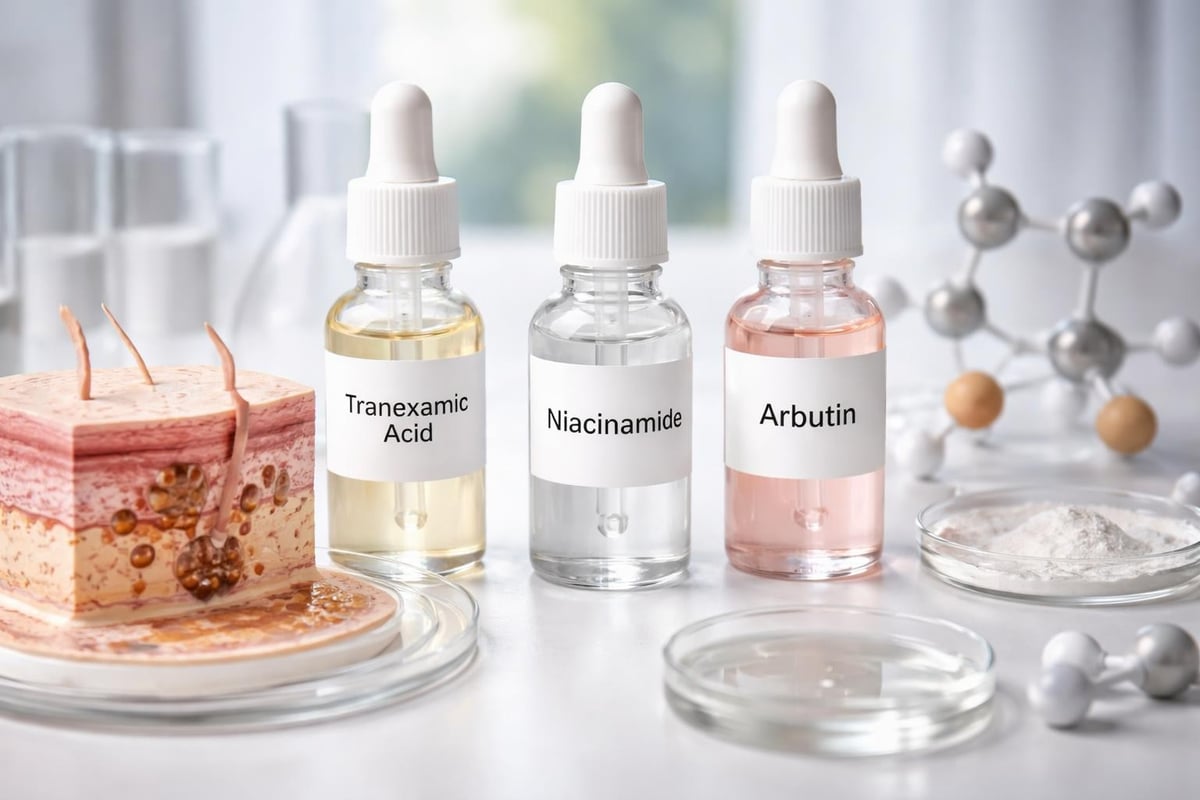
Uneven tone remains one of the most common concerns across demographics. Good face products addressing pigmentation now move beyond simple vitamin C formulations to sophisticated combinations:
- Tranexamic acid inhibits melanin production through tyrosinase regulation
- Niacinamide at 5-10% concentration reduces melanin transfer to surface cells
- Alpha arbutin offers gentler alternative to hydroquinone for spot treatment
- Azelaic acid tackles both pigmentation and texture simultaneously
These ingredients work through different mechanisms, allowing combination approaches that address multiple pathways to hyperpigmentation.
Barrier-Supporting Lipids
Chronic dehydration and sensitivity often stem from compromised barrier function rather than lack of hydration products. Ceramides, cholesterol, and fatty acids in specific ratios replicate skin's natural lipid structure, restoring protective capacity from within.
Professional recommendations increasingly emphasise barrier health as foundational to addressing all other concerns. Without intact barrier function, even the best treatment actives irritate more than they improve.
Choosing Products for Different Skin Types
While the three-tier system applies universally, specific formulation choices should align with your skin's baseline characteristics.
Oily and Combination Skin
Lightweight textures prevent pore congestion while delivering necessary actives. Look for gel-based serums, water-cream moisturisers, and non-comedogenic oils like squalane. Niacinamide particularly benefits oily types by regulating sebum production alongside its brightening effects.
Avoid heavy occlusives on full face-reserve these for specific dry patches if needed. Instead, focus on humectants that draw moisture without adding oil, and ensure your maintain-phase products include ingredients like salicylic acid to keep pores clear.
Dry and Mature Skin
Richer textures and occlusive ingredients become allies here. Shea butter, ceramide-rich creams, and facial oils seal in hydration effectively. Layering multiple hydrating products-essence, serum, cream-builds moisture levels without greasiness when each layer absorbs fully before the next application.
For dry skin, the boost phase might include tools that enhance circulation and support the skin's ability to utilise hydrating ingredients more effectively. Consistency matters more than quantity-regular, gentle support yields better results than sporadic intensive treatments.
Sensitive and Reactive Skin
Minimalism becomes especially important for easily irritated skin. Good face products for sensitive types prioritise barrier repair over active intervention. Choose fragrance-free formulations, avoid essential oils despite their natural appeal, and introduce new products one at a time with two-week intervals.
Focus your target phase on truly necessary concerns rather than preventative anti-aging. Often, reactive skin calms significantly when you remove unnecessary products and concentrate on basic barrier support and gentle maintenance.
Common Mistakes When Selecting Face Products
Even with good intentions, certain patterns undermine skincare effectiveness and waste resources on products that don't serve your goals.
Over-Layering Similar Actives
Using multiple products containing the same active ingredient-say, three different niacinamide serums-doesn't triple results. It typically leads to irritation or redundancy. Good face products work best when each brings something distinct to your routine.
Before adding anything new, audit your current products:
- List all active ingredients across your routine
- Identify overlaps and redundancies
- Determine which formulation delivers each active most effectively
- Eliminate duplicates or rotate them to different routines (AM vs PM)
This exercise often reveals you're using fewer truly different products than you thought, despite owning many bottles.
Ignoring pH Compatibility
Certain actives require specific pH ranges to function. Vitamin C works optimally below pH 3.5, while most skin sits around pH 5.5. Layering a high-pH product immediately after acidic vitamin C neutralises its effectiveness.
Similarly, using strong acids (AHAs, BHAs) alongside retinoids can overwhelm skin unnecessarily. Evidence-based skincare separates potentially conflicting actives into different routines-acids in the morning, retinoids at night, or alternating nights entirely.
Expecting Immediate Transformation
Skin cell turnover takes approximately 28 days in young adults, longer in mature skin. Meaningful changes to texture, tone, or fine lines require consistent use over weeks to months. Good face products deliver results, but not overnight miracles.
Set realistic expectations:
| Concern Type | Expected Timeline | Consistency Required |
|---|---|---|
| Surface hydration | 1-3 days | Immediate improvement, ongoing maintenance |
| Minor texture refinement | 2-4 weeks | Daily use minimum |
| Pigmentation fading | 8-12 weeks | Consistent application, sun protection essential |
| Fine line reduction | 12-16 weeks | Nightly application, patience critical |
| Barrier repair | 4-8 weeks | Gentle, minimal routine |
Professional-Grade vs. Pharmacy Options
The price gap between luxury and accessible skincare often raises questions about whether expensive automatically means more effective.
When Premium Pricing Reflects Real Value
Higher costs sometimes correlate with:
- Patented delivery systems that required significant R&D investment
- Higher concentrations of expensive actives like growth factors or specialty peptides
- Stability technology that maintains potency longer than standard formulations
- Clinical testing beyond basic safety to prove specific claims
Top-rated skincare products often justify premium pricing through innovation that genuinely improves outcomes-not just elegant packaging or marketing campaigns.
When Accessible Products Deliver Equally Well
Many evidence-based ingredients-niacinamide, hyaluronic acid, glycerin, basic ceramides-work effectively in straightforward formulations without expensive delivery systems. Pharmacy brands frequently offer these at concentrations matching luxury alternatives.
The key lies in reading ingredient lists rather than relying on price points. A £15 serum with 10% niacinamide performs identically to a £75 version if formulation quality matches. Focus your budget on products where advanced technology genuinely enhances delivery or stability.
Adapting Your Routine Through Seasons and Life Stages
Static routines ignore that skin needs fluctuate with environmental conditions and physiological changes.
Seasonal Adjustments
Winter's low humidity and indoor heating demand richer maintain-phase products and additional barrier support. Summer heat and increased sun exposure might shift focus toward lightweight hydration and enhanced protection.
Rather than completely overhauling your routine, adjust ratios:
- Winter: Increase occlusive moisturisers, add hydrating essences, reduce active exfoliation frequency
- Summer: Lighten textures, increase antioxidant protection, maintain consistent sun protection
- Transitional seasons: Gradually shift products as weather patterns change
Good face products should accommodate these adjustments without requiring entirely new systems every few months.
Age-Related Evolution
Skin at 25 needs different support than skin at 45 or 65. Younger skin often benefits most from prevention and maintaining optimal barrier function. Mature skin increasingly values ingredients that support diminishing collagen production and address accumulated sun damage.
This doesn't mean abandoning your systematic approach-it means evolving which products fill each category. Your target phase might shift from occasional spot treatment to regular peptide application. Your boost phase might incorporate circulation-supporting technologies that help aging skin respond better to treatments.
Reading Labels and Marketing Claims Critically
Skincare marketing employs sophisticated language designed to impress without always informing. Developing label literacy helps identify genuinely good face products among persuasive packaging.
Meaningful vs. Empty Descriptors
Terms like "clinically proven" mean little without context. Proven to do what? Tested on how many people? Over what timeframe? "Dermatologist-tested" simply means a dermatologist looked at it-not that they recommend it or that testing showed specific benefits.
Look instead for:
- Specific ingredient concentrations (percentages)
- Named peptides or active complexes, not just generic "peptide complex"
- Stability indicators (airless pumps for oxidation-prone ingredients)
- Realistic claims tied to specific ingredients' known functions
Understanding Ingredient Order
Ingredients appear in descending concentration order until you reach the 1% threshold, after which order becomes less meaningful. If your "retinol serum" lists retinol after fragrance and preservatives, it likely contains minimal amounts regardless of what the front label claims.
Water (aqua) almost always appears first in traditional formulations. The second through fifth ingredients typically constitute the bulk of the product. These positions reveal what you're really buying-whether it's a delivery system for actives or mostly filler.
Building Long-Term Skin Confidence Through Structure
The ultimate goal of any skincare approach extends beyond addressing current concerns. It's about developing sustainable habits that support skin health across decades, adapting intelligently as needs change.
Measuring Progress Objectively
Relying solely on mirror assessment makes tracking subtle improvements difficult. Consider these methods:
- Monthly photographs in consistent lighting, same angle, no makeup
- Texture mapping by running clean fingers across skin to note rough patches
- Hydration monitoring through how quickly skin absorbs products
- Response tracking noting how quickly minor irritations or spots resolve
These objective measures help you evaluate whether products genuinely work or whether you're experiencing placebo effects from new purchases.
Knowing When to Adjust vs. Persist
The balance between giving products adequate time and recognising ineffective formulations challenges even experienced skincare enthusiasts. Generally, allow 6-8 weeks before judging efficacy for treatment products, 2-3 weeks for hydration products.
Signs a product isn't working:
- Persistent irritation beyond initial adjustment period
- No measurable change after appropriate timeframe
- Worsening of the concern you're trying to address
- Constant need to "repair" skin after use
Good face products should make skin better, not require damage control.
Selecting good face products ultimately comes down to understanding your skin's needs, choosing formulations based on evidence rather than trends, and building a structured routine where each product serves a specific purpose. Routine. Beauty offers a system-led approach to skincare-built around Target, Boost, and Maintain principles-that eliminates confusion and supports long-term skin confidence through precision products designed to work together intelligently rather than compete for space on your shelf.

