


The search for perfect skin products often leads to bathroom cabinets overflowing with half-used serums, miracle creams, and trending treatments that promise transformation but deliver confusion. In 2026, the skincare industry continues to expand, yet consumers struggle more than ever to identify which products actually work together and which create unnecessary redundancy. The truth is that perfect skin products aren't defined by their individual performance alone, but by how they function within a cohesive, intentional system that addresses your skin's specific needs without overwhelming it.
Understanding What Makes Skin Products "Perfect"
Perfect skin products aren't necessarily the most expensive formulations or the ones with the longest ingredient lists. They're products that serve a clear, defined purpose within your routine and deliver measurable results without causing confusion or conflict with other steps.
The modern skincare landscape has shifted from single-product solutions to ecosystem thinking. This means evaluating products not just for what they do in isolation, but for how they complement, enhance, or potentially interfere with the other elements in your routine. A truly perfect product earns its place by solving a specific problem without creating new ones.
The Three Pillars of Product Perfection
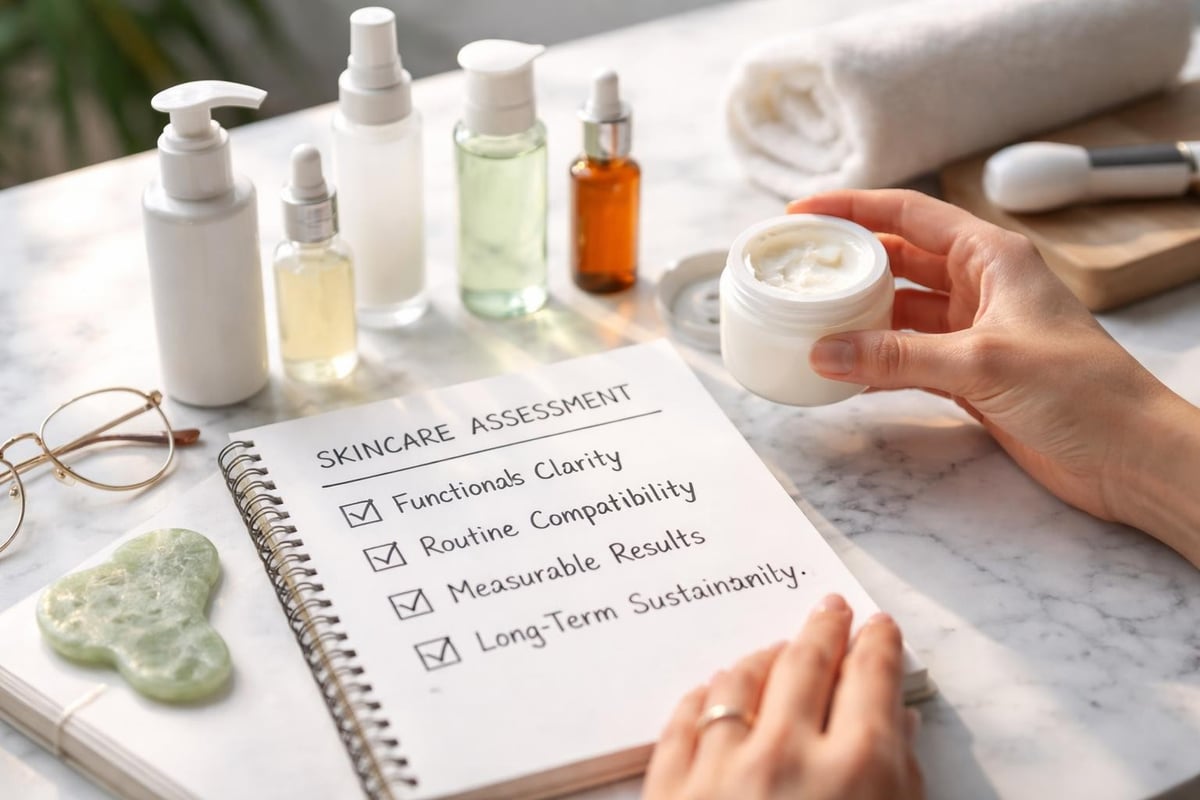
When assessing whether a product deserves space in your routine, consider these fundamental criteria:
- Functional clarity: The product has one primary job and does it exceptionally well
- Compatibility: It works alongside other products without pilling, irritation, or ingredient conflicts
- Measurability: You can observe tangible improvements within a reasonable timeframe
- Sustainability: The results are maintainable with consistent use, not just a temporary boost
These pillars separate genuinely effective products from those that simply follow trends or rely on marketing hype. The most popular beauty products of 2025 demonstrated that consumers increasingly prioritize function over flashy packaging, with system-based approaches gaining significant market share.
Building Your Perfect Skin Products Framework
Rather than accumulating products randomly, the most effective approach involves building a structured framework where each product occupies a specific role. This system-led thinking eliminates redundancy and ensures every product contributes meaningfully to your skin goals.
The Target Phase: Precision Solutions
Targeted treatments form the foundation of any effective skincare system. These are your problem-solvers, the products designed to address specific concerns with concentrated actives and delivery mechanisms that ensure ingredients reach their intended destination.
Key characteristics of effective targeted products:
- High concentration of active ingredients focused on one primary concern
- Delivery system that enhances absorption in specific areas
- Minimal additional ingredients that might dilute efficacy
- Clear usage instructions that prevent overuse or misapplication
Dark spots, texture irregularities, fine lines, and localized concerns require precision rather than broad application. Traditional creams and serums spread actives across your entire face, meaning problem areas may receive insufficient treatment while unaffected zones get unnecessarily exposed to potent ingredients.
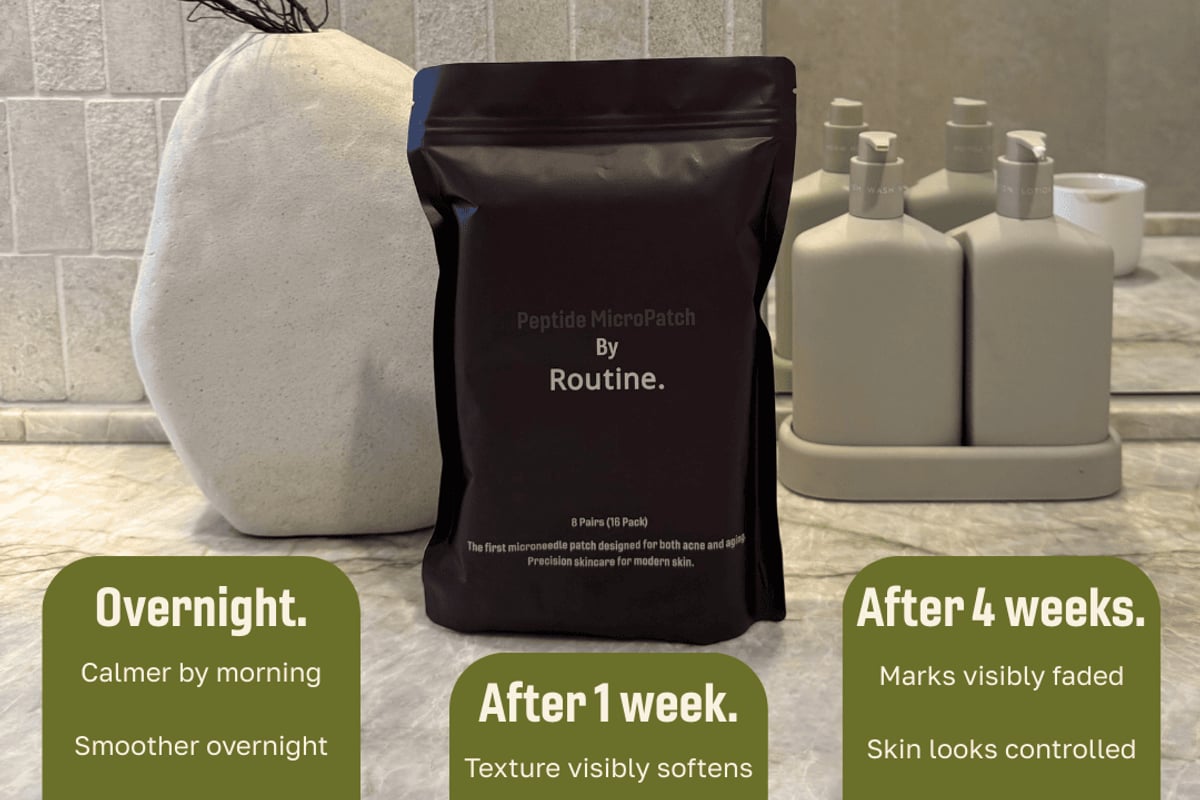
For truly targeted work, consider formats that allow controlled, localized delivery. The Routine. Peptide MicroPatch exemplifies this approach with dissolving micro-tips that deliver brightening and smoothing actives directly into dark spots, marks, or textured zones, ensuring the treatment stays exactly where you place it for optimal absorption and visible improvement.
The Boost Phase: Enhancement Tools
Perfect skin products extend beyond topical formulations to include tools and technologies that enhance your skin's receptivity to treatment. These boosting elements don't replace your targeted treatments but amplify their effectiveness through complementary mechanisms.
| Boosting Method | Primary Function | Best Used With |
|---|---|---|
| Light therapy | Reduces inflammation, supports circulation | Active breakouts, redness, uneven tone |
| Vibration | Enhances product absorption, promotes lymphatic drainage | Serums, lightweight treatments |
| Temperature therapy | Opens pores (heat) or reduces puffiness (cool) | Deep cleansing, morning depuffing |
| Microcurrent | Supports facial muscle tone and contour | Firming serums, peptide treatments |
These enhancement tools work best when integrated thoughtfully rather than used sporadically. Consistency matters more than intensity, with daily gentle sessions typically outperforming occasional aggressive treatments.
Maintenance Products: The Sustaining Layer
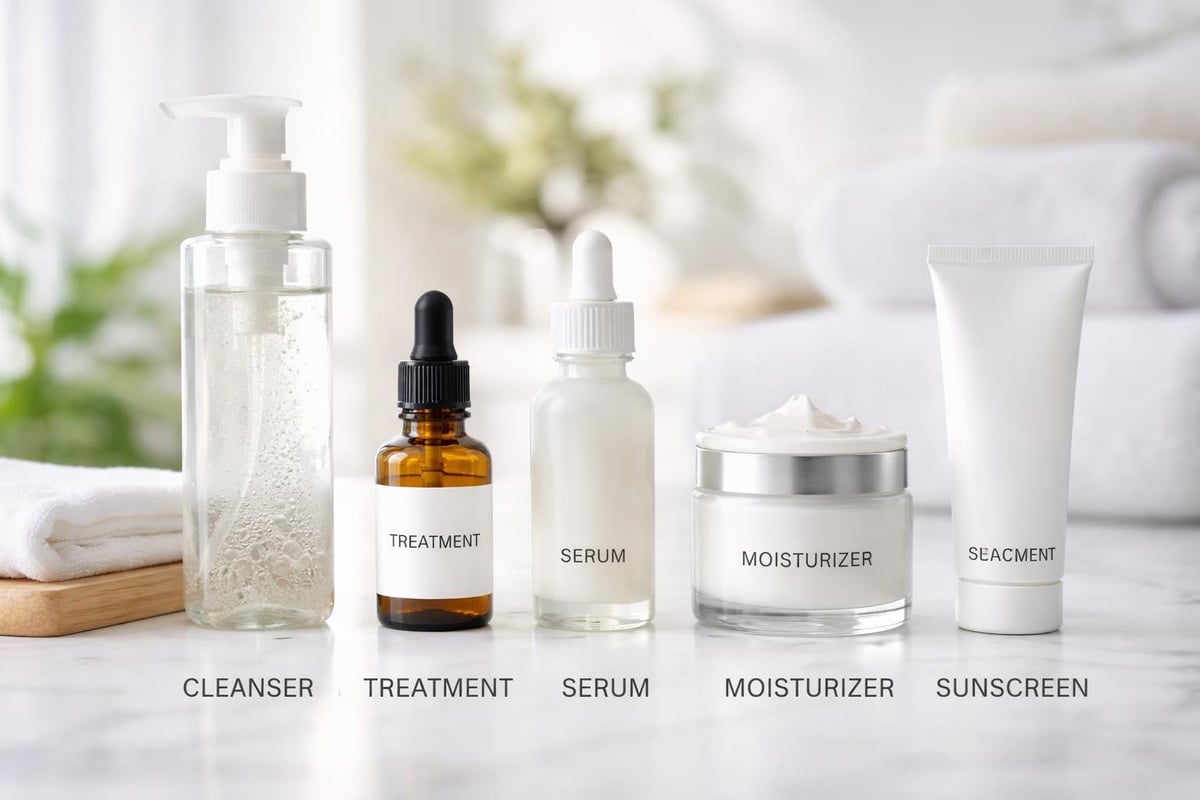
While targeted treatments and boosting tools address specific concerns, maintenance products preserve your results and support overall skin health. These are your daily essentials: the cleansers, moisturizers, and protective formulas that keep skin balanced, hydrated, and resilient.
Choosing Maintenance Formulas That Support, Not Sabotage
The biggest mistake in building a skincare routine is selecting maintenance products that work against your targeted treatments. A harsh cleanser can strip away the beneficial ingredients you applied the night before. A heavy moisturizer might create a barrier that prevents your treatment serums from penetrating effectively.
Guidelines for selecting compatible maintenance products:
- Choose gentle cleansers that remove impurities without disrupting your skin barrier
- Opt for lightweight, layerable moisturizers rather than single heavy creams
- Ensure your SPF doesn't pill or interfere with morning treatment products
- Select formulas that replenish what your targeted treatments temporarily deplete
Effective skincare for mature skin demonstrates the importance of maintenance products that support rather than overshadow targeted treatments, with hydrating formulas that preserve collagen-supporting actives rather than diluting their impact.
Ingredient Intelligence: What Perfect Skin Products Actually Contain
Understanding ingredients helps you identify which products deserve the "perfect" designation and which are simply well-marketed. Not all actives are created equal, and concentration matters as much as the ingredient itself.
High-Performance Actives Worth Seeking
Certain ingredients have earned their reputation through decades of research and consistent results across diverse skin types. When shopping for perfect skin products, prioritize formulations built around these proven performers:
For texture and clarity:
- Niacinamide (3-10%): Reduces pore appearance, evens tone, supports barrier function
- Alpha hydroxy acids (5-15%): Exfoliates surface layers, improves radiance and smoothness
- Beta hydroxy acids (0.5-2%): Penetrates pores, reduces congestion and inflammation
For firmness and resilience:
- Peptides (various concentrations): Signal collagen production, support skin structure
- Retinoids (0.025-1%): Accelerate cell turnover, reduce fine lines and discoloration
- Vitamin C (10-20%): Antioxidant protection, brightening, collagen support
For hydration and barrier health:
- Hyaluronic acid (multiple molecular weights): Attracts and retains moisture at various skin depths
- Ceramides (2-5%): Restores and maintains protective skin barrier
- Glycerin (5-15%): Superior hydrating ingredient that draws moisture without heaviness
What to Avoid in Your Perfect Skin Products
Equally important is recognizing ingredients and formulation choices that diminish product effectiveness or create unnecessary risks:
- Fragrance and essential oils: Provide sensory appeal but increase irritation risk, particularly in leave-on products
- Denatured alcohol high on ingredient lists: Can disrupt barrier function and cause long-term sensitivity
- Excessive preservatives: While some preservation is necessary, overly complex preservative systems may trigger reactions
- Filler ingredients: Thickeners and texturizers that bulk up formulas without adding skin benefit
The best formulations prioritize active ingredient concentration and delivery over texture and scent. If a product feels luxurious but lacks meaningful actives, it's a maintenance product at best, not a targeted treatment.
System Integration: Making Perfect Skin Products Work Together
Individual product excellence means nothing if your routine creates conflicts, redundancies, or gaps in coverage. System integration ensures each product enhances rather than undermines the others.
Morning Versus Evening: Strategic Timing
Perfect skin products are used at optimal times for maximum efficacy and minimum interference. Some actives work best at night when skin is in repair mode and UV exposure isn't a concern. Others provide protective benefits that make them ideal for morning application.
Optimal morning routine structure:
- Gentle cleanser to remove overnight buildup
- Antioxidant serum (vitamin C, ferulic acid) for daytime protection
- Lightweight hydrator with barrier-supporting ingredients
- Broad-spectrum SPF 30+ as your final step
Optimal evening routine structure:
- Thorough cleanse to remove sunscreen, makeup, and environmental residue
- Targeted treatment (retinoid, acid, peptide patch) on specific concerns
- Boosting tool if applicable (light therapy, vibration)
- Richer maintenance serum to support overnight repair
- Occlusive moisturizer if needed to seal in treatments
This separation prevents ingredient conflicts (like using vitamin C and retinol simultaneously) while ensuring each product performs in ideal conditions.
Layering Logic: Order Matters
The sequence in which you apply perfect skin products significantly impacts their effectiveness. The general rule is to progress from thinnest to thickest consistency, but targeted treatments may require strategic placement regardless of texture.
| Application Order | Product Type | Why This Sequence Works |
|---|---|---|
| 1 | Water-based toner or essence | Prepares skin, removes last traces of cleanser |
| 2 | Targeted treatment patches or spot treatments | Direct skin contact ensures maximum absorption |
| 3 | Lightweight serums (hyaluronic acid, niacinamide) | Thin consistency penetrates easily, hydrates |
| 4 | Thicker treatment serums (peptides, retinol) | Applied after hydrating layers for better tolerance |
| 5 | Moisturizer or facial oil | Seals in previous layers, provides occlusion |
| 6 | SPF (morning only) | Final protective layer, shouldn't be diluted |
Patience between layers enhances results. Allow 30-60 seconds between products for partial absorption, preventing pilling and ensuring each layer can interact with skin rather than just mixing with the previous product.
Evaluating Results: When Products Earn "Perfect" Status
Perfect skin products prove themselves through observable, sustainable improvements. But realistic timelines and accurate assessment methods are essential for fair evaluation.
Setting Appropriate Timeframes
Different products and concerns require different evaluation periods. Expecting overnight transformation sets you up for disappointment and leads to constant product switching that prevents anything from working properly.
Realistic result timelines by concern:
- Hydration and plumpness: 1-3 days with effective humectants
- Surface texture and radiance: 1-2 weeks with consistent exfoliation
- Pore appearance and clarity: 3-4 weeks with regular clarifying treatments
- Fine lines and firmness: 6-12 weeks with retinoids or peptides
- Dark spots and discoloration: 8-16 weeks with consistent brightening actives
- Deep wrinkles and significant texture: 3-6 months with comprehensive treatment
If you're not seeing progress within these timeframes, the product may not be right for your skin type, or you may need to adjust application frequency or concentration.
Measuring Progress Accurately
Subjective assessment in your bathroom mirror can be misleading. Lighting varies, your mood influences perception, and you see your face daily, making gradual changes harder to notice.
Better methods for tracking product performance:
- Take consistent photos in the same lighting, angle, and time of day every two weeks
- Keep a simple journal noting texture, sensitivity, and visible concerns
- Ask a trusted friend or partner for their unbiased observation monthly
- Focus on one primary concern at a time rather than expecting universal improvement
Remember that perfect skin products solve specific problems. A retinol serum designed for fine lines shouldn't be judged on its hydrating properties. A clarifying treatment addressing congestion won't necessarily brighten dark spots.
The Role of Professional Guidance in Finding Perfect Skin Products
While self-education empowers better decisions, professional guidance can accelerate your journey to finding truly perfect skin products for your individual needs. Dermatologists, licensed aestheticians, and skincare specialists offer personalized insights that generic recommendations can't match.
When to Seek Professional Assessment
Certain situations warrant expert evaluation rather than trial-and-error product testing:
- Persistent concerns that haven't responded to over-the-counter products after 12 weeks
- Sudden changes in skin behavior or new sensitivities without obvious cause
- Conflict between different sources of skincare advice leaving you uncertain
- Desire to introduce prescription-strength treatments safely and effectively
- Specific conditions like rosacea, eczema, or severe acne requiring medical management
Products recommended by dermatologists often prioritize gentle effectiveness over trending ingredients, with formulations designed for long-term use rather than immediate dramatic results.
Building Your Knowledge Base
While professional guidance provides personalized direction, developing your own ingredient literacy and skin awareness creates a foundation for informed decisions. Video reviews from skincare experts can supplement professional advice with real-world testing perspectives and comparative analysis.
The goal isn't to become a skincare chemist but to understand enough about your skin's responses and product composition to make educated choices between professional appointments.
Budget Considerations: Perfect Doesn't Mean Expensive
The misconception that perfect skin products require luxury pricing prevents many people from building effective routines. While some premium products justify their cost through superior formulations or delivery systems, effective skincare under £20 demonstrates that price doesn't always correlate with performance.
Where to Invest Versus Save
Strategic allocation of your skincare budget maximizes results without unnecessary spending. Some product categories benefit significantly from higher-quality formulations, while others perform similarly across price points.
Worth the investment:
- Targeted treatment serums with high concentrations of proven actives
- Broad-spectrum SPF with elegant textures that encourage daily use
- Specialized delivery systems like patches, light therapy, or advanced tools
- Professional-grade retinoids or prescription treatments
Acceptable to economize:
- Basic cleansers (effectiveness comes from technique, not price)
- Simple moisturizers with straightforward hydrating ingredients
- Toners and essences that primarily provide hydration
- Makeup removal products and first-cleanse oils
The key is understanding which products are doing the actual therapeutic work and which are playing supporting roles. Your targeted treatments and boosting tools deserve the bulk of your budget because they create the changes you want to see.
Seasonal Adjustments: Perfect Products Change With Conditions
Your skin's needs shift with environmental conditions, hormonal fluctuations, and lifestyle changes. Perfect skin products for summer may be insufficient in winter, while your winter routine might feel too heavy during humid months.
Adapting Your System Without Starting Over
Rather than completely overhauling your routine with each season, make strategic adjustments that address changing needs while maintaining the core structure that works for you.
Summer modifications:
- Switch to gel or lightweight lotion moisturizers instead of creams
- Increase antioxidant serums for additional environmental protection
- Consider water-resistant SPF formulations if swimming or exercising outdoors
- Add lightweight hydrating mists throughout the day for comfort
Winter modifications:
- Layer a facial oil over your regular moisturizer for additional occlusion
- Reduce exfoliation frequency if skin becomes sensitized by cold and wind
- Add a humidifier to your bedroom to prevent overnight moisture loss
- Consider richer eye creams to address increased dryness in delicate areas
Hormonal cycle considerations:
- Increase clarifying treatments during the week before menstruation when oil production rises
- Add soothing, anti-inflammatory products during periods of hormonal sensitivity
- Adjust retinoid frequency if skin becomes temporarily more reactive
These adjustments maintain your system's structure while responding to your skin's changing requirements, ensuring your perfect skin products remain effective year-round.
Multi-Purpose Products: Efficiency Versus Specialization
The appeal of multi-purpose products is obvious: fewer bottles, simplified routines, reduced cost. But perfect skin products typically excel at one specific function rather than attempting to address multiple concerns simultaneously.
When Multi-Purpose Works
Certain product categories naturally serve multiple functions without compromising effectiveness:
Face and body compatibility: Many targeted treatments and maintenance products work equally well on facial and body skin, particularly for concerns like texture, dark spots, or hydration. This versatility reduces product proliferation without sacrificing results.
Morning and evening flexibility: Some serums and treatments perform well regardless of timing, offering scheduling convenience without formula compromise.
Complementary benefits: Products that address related concerns (like a serum that both hydrates and brightens) can efficiently tackle connected issues.
When Specialization Matters
Attempting to solve too many problems with one product often means inadequate concentration of any single active ingredient. Complex formulations trying to address aging, acne, hyperpigmentation, and dehydration simultaneously may create conflicts between incompatible ingredients or dilute each active below effective concentrations.
Perfect skin products embrace focused functionality. A retinol serum designed specifically for cell turnover and collagen support will outperform a "miracle cream" claiming to solve every skin concern with a kitchen-sink ingredient list.
Technology Integration: Modern Tools as Perfect Skin Products
The definition of skincare products has expanded beyond topical formulations to include devices and tools that enhance skin health through mechanisms unavailable to creams and serums alone. These technologies represent some of the most innovative additions to the perfect skin products category.
Light Therapy: Portable Professional Technology
Red and blue light therapy, once available only in professional settings, now comes in portable, user-friendly formats that integrate seamlessly into home routines. These tools support circulation, calm inflammation, and refine texture through wavelengths that penetrate skin without the UV damage of sun exposure.
Daily light therapy sessions complement rather than replace topical treatments, creating a comprehensive approach that addresses skin concerns from multiple angles. The technology works particularly well for managing ongoing concerns like redness, uneven tone, and texture irregularities that benefit from consistent, gentle intervention.
Combining Technology With Topical Treatments
The most effective use of skincare technology involves strategic pairing with complementary topical products. Vibration features enhance product absorption, making your serums and treatments more effective. Temperature therapy can prep skin to receive actives more readily or seal in treatments for extended benefit.
This integration transforms individual products into a cohesive system where each element amplifies the others, creating results greater than the sum of the parts.
Common Mistakes When Searching for Perfect Skin Products
Even with good intentions and solid information, certain pitfalls derail people's search for effective skincare. Recognizing these common errors helps you avoid wasted time and money.
Over-Complicating Your Routine
The belief that more products equal better results leads to routines with ten or more steps, creating confusion, ingredient conflicts, and significant time investment that becomes unsustainable. Perfect skin products work best in streamlined systems where each product has clear purpose and space to perform its function.
Signs your routine is too complex:
- You can't explain what each product does or why you use it
- Application takes more than 10 minutes morning and evening
- You frequently skip steps because the routine feels overwhelming
- Products are pilling, separating, or not absorbing properly
- You can't track which products are actually helping
Simplification often improves results by eliminating conflicts and allowing you to observe each product's actual contribution.
Expecting Instant Transformation
The skincare industry's marketing often implies rapid, dramatic changes that rarely reflect reality. Expert-validated skincare favorites consistently emphasize that the most effective products deliver gradual, sustainable improvements rather than overnight miracles.
Patience allows products time to work through your skin's natural renewal cycle, which takes approximately 28 days in younger skin and extends to 40-50 days as we age. Jumping between products every week or two prevents anything from demonstrating its true potential.
Ignoring Your Skin's Feedback
Perfect skin products for someone else may be completely wrong for you. Your skin provides constant feedback about what's working and what isn't, but many people override these signals in pursuit of trendy products or recommended routines.
Listen when your skin tells you:
- Persistent tightness or discomfort indicates your cleanser or exfoliant is too harsh
- Increased sensitivity, redness, or reactivity suggests overuse of actives or incompatible combinations
- Breakouts in unusual patterns may signal pore-clogging ingredients in new products
- Improved texture, even tone, and comfortable feel confirm you're on the right track
Trust your skin's responses over influencer recommendations or friend suggestions. Your skin is the ultimate authority on what works for you.
The Future of Perfect Skin Products
Skincare innovation continues accelerating, with new delivery systems, ingredient discoveries, and formulation technologies emerging regularly. Understanding upcoming trends helps you distinguish genuine advances from marketing hype.
Personalization and Precision
The movement toward personalized skincare continues gaining momentum, with brands offering customized formulations based on individual skin analysis, concerns, and goals. This shift recognizes that perfect skin products aren't universal but rather specific to each person's unique needs.
Precision delivery systems represent another frontier, with technologies that release actives gradually over extended periods or respond to skin pH and temperature for optimal timing. These innovations improve ingredient stability and effectiveness while reducing irritation from concentrated application.
Sustainability and Clean Formulation
Consumer demand for environmentally responsible, transparently sourced products influences which ingredients and packaging systems succeed in the marketplace. Perfect skin products increasingly balance performance with sustainability, using reef-safe sunscreen actives, biodegradable packaging, and ethically sourced ingredients.
"Clean" formulation continues evolving beyond simple ingredient exclusion toward thoughtful selection of effective, well-researched actives with favorable safety profiles. The goal is products that work exceptionally well while minimizing both personal and environmental impact.
Integration of Skin Health and Overall Wellness
The artificial separation between skincare and overall health continues dissolving as research demonstrates the connections between sleep quality, stress management, nutrition, and skin appearance. Perfect skin products will increasingly exist within broader wellness systems that address skin from both external and internal approaches.
This holistic perspective doesn't diminish the importance of topical products but rather positions them as one component of comprehensive skin health rather than the sole solution.
Perfect skin products aren't found through endless searching but through systematic thinking about your skin's specific needs and how different products can address them within a structured routine. When you build your skincare around the principles of targeting specific concerns, boosting treatment effectiveness, and maintaining results with compatible support products, you create a system that delivers sustainable improvements without overwhelming complexity. Routine. Beauty offers a clear ecosystem built on this exact philosophy, where each product serves one defined role within the Target, Boost, and Maintain framework, helping you achieve long-term skin confidence through structure and simplicity rather than product proliferation.

