


Combination skin presents a unique challenge that requires strategic thinking rather than one-size-fits-all solutions. When your T-zone produces excess oil while your cheeks feel tight and dry, conventional skincare advice often falls short. The key to effective combination skin care lies not in using more products, but in understanding how different areas of your face function and responding with precision. This approach transforms what feels like a frustrating skin lottery into a manageable, predictable routine built on structure and intention.
Understanding the Science Behind Combination Skin
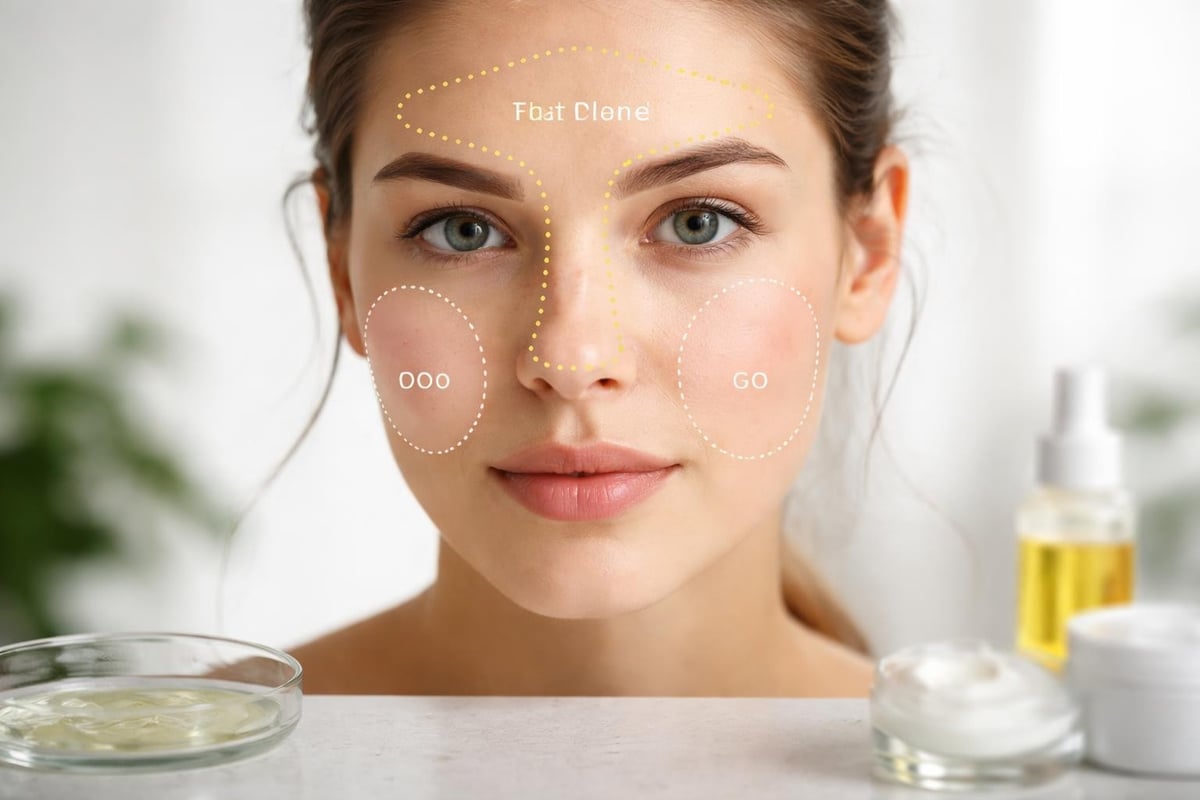
Combination skin isn't a flaw or imbalance that needs fixing. It's simply how your sebaceous glands distribute across your face. The T-zone (forehead, nose, and chin) contains a higher concentration of oil-producing glands, while the cheeks and perimeter areas have fewer. This distribution pattern is genetically determined and influenced by hormones, climate, and age.
According to research on combination skin characteristics, approximately 60% of adults identify as having combination skin, making it the most common skin type worldwide. The sebum production in your T-zone serves a protective function, creating a natural barrier against environmental stressors. Meanwhile, the drier areas require additional moisture support to maintain barrier integrity.
Recognising Your Skin's Patterns
Before building a combination skin care strategy, you need to accurately identify your skin's behaviour patterns. Many people misdiagnose their skin type, leading to inappropriate product choices that exacerbate existing concerns.
Signs your T-zone needs different care:
- Visible shine or oil buildup within 2-3 hours of cleansing
- Enlarged pores concentrated on the nose and forehead
- Tendency toward congestion or breakouts in the centre panel
- Foundation or sunscreen breaking down faster in these areas
Indicators your outer face requires moisture support:
- Tightness or discomfort after cleansing
- Fine lines more visible on cheeks
- Flaking or rough texture along the jaw and temple areas
- Foundation clinging to dry patches
The distinction matters because treating combination skin as uniformly oily leads to dehydration in dry zones, while treating it as universally dry can trigger increased oil production in already active areas.
Building a Structured Combination Skin Care Routine
The most effective approach to combination skin care involves a base routine that works for all facial zones, supplemented with targeted treatments for specific areas. This system-led thinking prevents routine fatigue while addressing real concerns.
Morning Sequence for Balance
Your morning routine sets the foundation for how your skin behaves throughout the day. The goal is to cleanse without stripping, hydrate without overwhelming, and protect consistently.
- Cleanse with a gel-based or gentle foaming cleanser that removes overnight oil buildup without disrupting your skin barrier
- Apply a hydrating toner or essence across the entire face to prep skin for absorption
- Use targeted serums where needed (vitamin C for brightness, niacinamide for pore refinement)
- Moisturise strategically with a lighter formula on the T-zone and richer texture on dry areas
- Apply broad-spectrum SPF 30+ using a formula that doesn't contribute to midday shine
The entire sequence should take 5-7 minutes and create a smooth, balanced base for the day ahead.
Evening Protocol for Repair
Night-time offers an opportunity for deeper treatment because your skin isn't fighting environmental stressors or makeup. This is when combination skin care routines can incorporate more active ingredients without concern for sun sensitivity or interference with other products.
| Step | T-Zone Focus | Dry Zone Focus | Frequency |
|---|---|---|---|
| Cleanse | Oil-based first cleanse, gel second cleanse | Oil-based or balm cleanser only | Daily |
| Exfoliate | BHA (salicylic acid) for pore clarity | AHA (lactic acid) for texture | 2-3x weekly |
| Treat | Targeted blemish treatment or retinoid | Peptides or hydrating serum | As needed |
| Moisturise | Lightweight gel or lotion | Richer cream or oil blend | Daily |
This differentiated approach addresses each zone's needs without creating a 15-step routine that feels unsustainable.
Choosing Products for Combination Skin Care Success
Product selection determines whether your combination skin care routine succeeds or becomes another abandoned experiment. The market overflows with options, but effectiveness comes from choosing formulations that respect your skin's dual nature.
Cleansers That Don't Force Compromise
The cleanser paradox for combination skin is real. Formulas strong enough to cut through T-zone oil often leave dry areas feeling stripped, while gentle cleansers may not adequately cleanse oily zones.
Look for these cleanser characteristics:
- pH-balanced formulas between 4.5-5.5
- Gel or light foam textures that rinse completely
- Ingredients like glycerin or hyaluronic acid that cleanse while hydrating
- Absence of sulfates, which can disrupt the skin barrier
Double cleansing in the evening solves many combination skin cleansing challenges. An oil-based first cleanse dissolves makeup and sebum across all zones, while a water-based second cleanse removes residue without stripping.
Moisturisers That Work With Your Zones
The idea that combination skin needs two separate moisturisers feels overwhelming, but the alternative-choosing one that suits neither zone well-creates more problems. Expert guidance on combination skin moisturising suggests selecting a versatile base and adjusting application density.
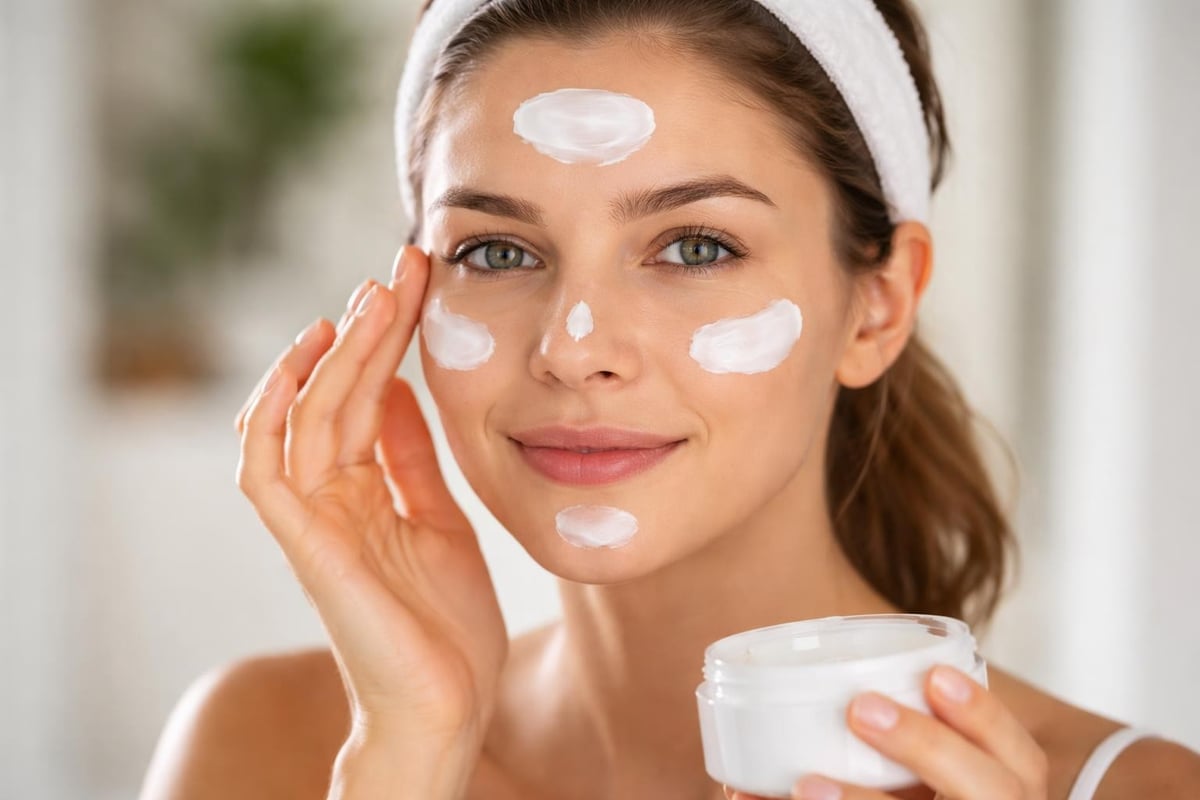
A lightweight, gel-cream moisturiser serves as an effective foundation for combination skin care. Apply one layer to the T-zone and two to three layers to drier areas. This technique, called moisture layering, customises hydration without requiring multiple products.
Ingredients to prioritise include ceramides for barrier support, niacinamide for pore refinement and oil regulation, and hyaluronic acid for weightless hydration across all zones.
Targeted Treatments for Specific Concerns
While a solid base routine maintains overall skin health, targeted treatments address the specific concerns that combination skin commonly faces-congestion in oily areas, dehydration in dry zones, and texture inconsistencies across the face.
Addressing Congestion and Enlarged Pores
The concentration of sebaceous activity in your T-zone makes this area prone to congestion, blackheads, and visible pores. Traditional combination skin care advice often recommends aggressive exfoliation, but this approach can backfire by triggering increased oil production as your skin attempts to compensate.
Effective congestion management strategies:
- Use BHA (salicylic acid) 2-3 times weekly on the T-zone only
- Apply clay masks exclusively to oily areas for 10-15 minutes
- Consider targeted treatments that deliver active ingredients precisely where needed
- Avoid over-cleansing, which paradoxically increases oil production
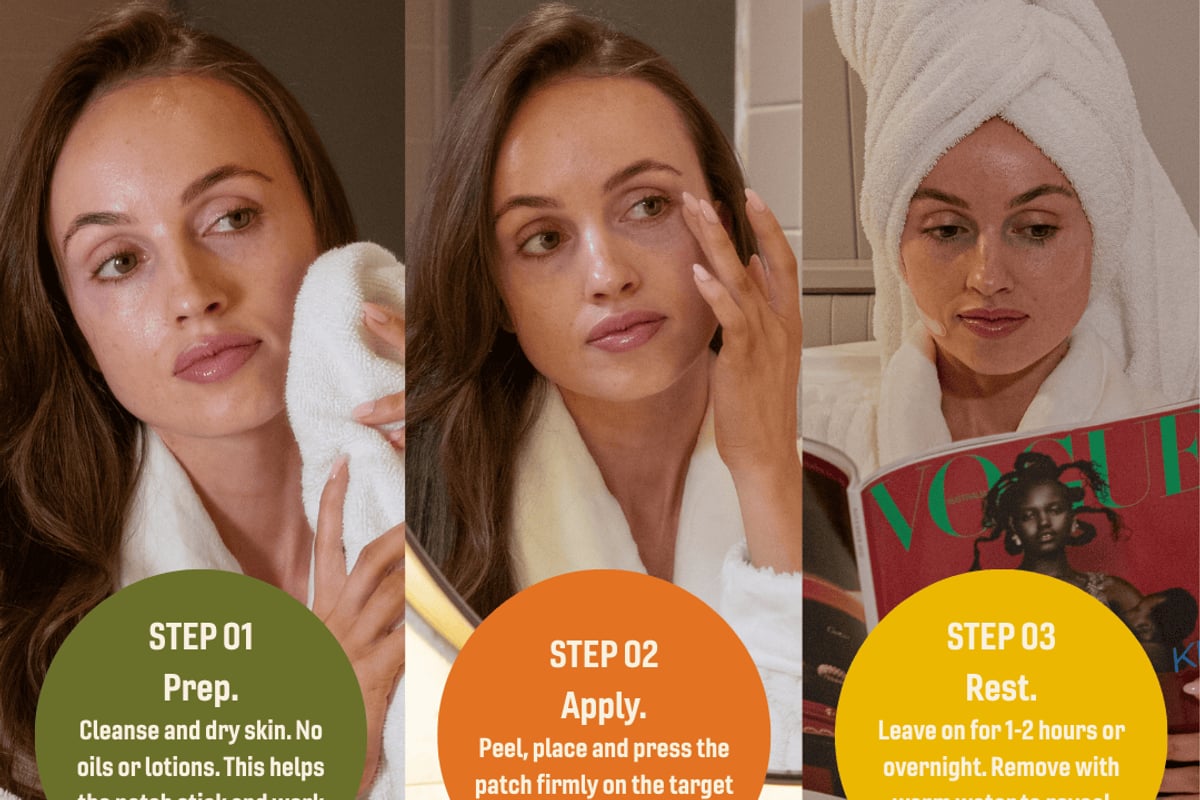
For particularly stubborn areas with visible texture differences or persistent marks, precision tools deliver actives directly to the concern without affecting surrounding skin. The Routine. Peptide MicroPatch offers this targeted approach, placing dissolving micro-tips exactly where you need brightening and smoothing support without introducing unnecessary active ingredients to areas that don't require them.
Managing Dry Patches and Dehydration
While your T-zone battles excess oil, the outer areas of your face may show signs of dehydration-a condition where skin lacks water rather than oil. This distinction matters because dehydrated skin can actually trigger more oil production as your skin attempts to protect itself.
Hydrating serums with hyaluronic acid, glycerin, or polyglutamic acid should be applied to damp skin across the entire face, then sealed with moisturiser. For severely dry patches, consider a targeted occlusive treatment applied only to affected areas in the evening.
Seasonal Adjustments for Year-Round Balance
Combination skin care isn't static. Your skin's behaviour shifts with seasons, requiring routine adjustments to maintain balance throughout the year.
Summer Modifications for Increased Oil Production
Australian summers intensify T-zone oil production while potentially dehydrating dry areas through air conditioning exposure. Summer-specific combination skin care strategies emphasise lighter textures and increased frequency of oil-controlling treatments.
Summer routine adjustments:
- Switch to gel-based moisturisers or eliminate moisturiser entirely on the T-zone
- Increase BHA exfoliation frequency to 3-4 times weekly for oily zones
- Use mattifying primers or powders strategically
- Maintain consistent SPF application despite increased shine concerns
- Consider oil-absorbing sheets instead of adding powder throughout the day
Winter Strategies for Protecting Dry Zones
Cold weather and indoor heating can dramatically increase dryness in already vulnerable areas while your T-zone continues producing oil. This seasonal shift often requires the most significant routine adjustments.
| Winter Addition | Application Zone | Purpose |
|---|---|---|
| Facial oil | Dry areas only, PM | Reinforce barrier protection |
| Richer night cream | Cheeks, temples, jaw | Combat heating-induced dehydration |
| Hydrating mask | Full face | Weekly moisture boost |
| Reduced exfoliation | Dry zones | Prevent over-stripping vulnerable areas |
The key is adjusting selectively rather than overhauling your entire routine. Your T-zone likely still needs the same oil-management approach, even as your cheeks demand more moisture support.
Common Combination Skin Care Mistakes to Avoid
Even with good intentions, certain approaches sabotage combination skin care efforts. Recognising these patterns helps you troubleshoot when your routine isn't delivering expected results.
The Over-Correction Trap
When combination skin feels out of balance, the instinct is to add more products targeting the most noticeable concern. If your T-zone looks oily, you might add oil-control products. If your cheeks feel tight, you might layer on heavier creams. This reactive approach often worsens the situation.
Instead of adding products, consider:
- Whether you're cleansing too frequently or with overly harsh formulas
- If your moisturiser is truly appropriate for your skin's needs
- Whether environmental factors (new medication, stress, diet changes) are influencing your skin
- If you're using the right amount of product rather than the wrong product
Ignoring the Role of Internal Factors
Comprehensive combination skin care extends beyond topical products. Hydration status, diet, stress levels, and sleep quality all influence sebum production and skin barrier function.
Drinking adequate water doesn't directly "hydrate" skin from within (that's a myth), but dehydration does affect overall skin function. Similarly, high-glycemic diets can trigger inflammatory responses that manifest as increased oil production or sensitivity.

Expecting Immediate Transformation
Skin cell turnover takes approximately 28 days in young adults and longer as we age. Any combination skin care routine needs at least 6-8 weeks of consistent use before you can accurately assess its effectiveness.
The exception is adverse reactions-if a product causes immediate burning, stinging, or breakouts, discontinue use. But if you're simply not seeing dramatic improvement after two weeks, that's normal. Trust the process and track changes through photos rather than daily mirror scrutiny.
Advanced Combination Skin Care Techniques
Once you've established a solid foundation routine, these advanced strategies can refine your results and address persistent concerns.
Multi-Masking for Targeted Support
Multi-masking applies different mask formulas to different facial zones simultaneously. This technique perfectly suits combination skin's varied needs.
Effective multi-masking combinations:
- Clay or charcoal mask on T-zone + hydrating sheet mask on cheeks
- BHA treatment mask on congested areas + nourishing cream mask on dry zones
- Brightening mask on full face + additional hydrating layer on dry areas
Apply masks for the shortest recommended time (usually 10-15 minutes), then remove and continue with your normal routine. Multi-masking should occur 1-2 times weekly, not daily.
Strategic Active Ingredient Deployment
Active ingredients like retinoids, vitamin C, and chemical exfoliants deliver significant skin benefits but can overwhelm combination skin when applied uniformly. Strategic deployment maximises benefits while minimising irritation.
Consider applying retinoids only to areas that need anti-ageing support or acne management, typically the T-zone and upper face. Reserve gentler actives like peptides for drier, more sensitive areas. This zoned approach prevents active ingredient overload while still addressing specific concerns.
Technology-Assisted Combination Skin Care
Skin technology tools can enhance product absorption and address specific combination skin concerns without adding product complexity. LED therapy, for example, offers targeted benefits for different zones-blue light for managing T-zone breakouts and red light for supporting barrier function in dry areas.
Consistent use of these supportive technologies as part of a structured routine helps maintain clearer, more balanced skin across all facial zones without the need for complicated multi-product regimens.
Professional Treatments That Complement Home Care
While consistent home combination skin care forms the foundation of healthy skin, professional treatments can address concerns that topical products cannot fully resolve.
Treatments for Oily Zone Management
Professional extractions performed by trained aestheticians safely clear congested pores that resist home care efforts. Chemical peels with salicylic acid or mandelic acid can resurface oily areas, reducing pore appearance and preventing future congestion.
These treatments should be considered supplements to your routine, not replacements. They work best when performed quarterly or bi-annually, with consistent home care maintaining results between appointments.
Addressing Dry Zone Concerns Professionally
For severely dehydrated cheeks or compromised barrier function, professional treatments like hydrating facials, microcurrent therapy, or LED light therapy can jumpstart improvement that home care then maintains.
Questions to ask before booking:
- Does the therapist have experience treating combination skin specifically?
- Will the treatment be customised to address different facial zones?
- What home care recommendations will support professional treatment results?
- How frequently should treatments be scheduled for optimal outcomes?
Choose practitioners who understand that combination skin requires nuanced treatment rather than a uniform approach across the entire face.
Building Long-Term Skin Confidence
The ultimate goal of combination skin care isn't achieving "perfect" skin-it's developing confidence in your skin's behaviour and knowing how to support it effectively. This confidence comes from understanding patterns, responding appropriately, and maintaining consistency.
Tracking What Actually Works
Keep a simple skin journal noting products used, any changes made, and how your skin responds. After 2-3 months, patterns emerge that help you identify which approaches genuinely benefit your combination skin versus which are neutral or counterproductive.
Track these data points:
- Product changes and introduction dates
- Breakout patterns and potential triggers
- Seasonal shifts in oil production or dryness
- Stress levels, sleep quality, and dietary changes
- Professional treatments and their effects
This information becomes invaluable when your skin changes or when you need to troubleshoot unexpected reactions.
Simplifying Without Sacrificing Results
The most sustainable combination skin care routine is one you'll actually maintain. After identifying what works, look for opportunities to simplify. Can one product serve multiple purposes? Are you using steps that don't measurably improve your skin?
A simplified routine might include: cleanser, treatment (like a multi-benefit serum), moisturiser, and SPF in the morning, with double cleansing, targeted treatments for specific zones, and night cream in the evening. This seven-product routine addresses all combination skin needs without becoming burdensome.
Adjusting With Life Changes
Hormonal shifts from pregnancy, menopause, or starting/stopping birth control significantly affect sebum production and skin behaviour. Your combination skin care routine should evolve with these changes rather than remaining fixed.
Life stages requiring routine reevaluation:
- Pregnancy and postpartum periods
- Perimenopause and menopause
- Starting or changing hormonal contraception
- Significant climate changes or relocation
- Major stress events or lifestyle shifts
View your routine as a flexible framework that maintains core principles (cleanse, treat, moisturise, protect) while allowing product adjustments based on current needs.
The Role of Professional Guidance
While this guide provides comprehensive combination skin care strategies, individual skin sometimes requires personalised professional assessment. Dermatologists and experienced aestheticians can identify underlying conditions that mimic or complicate combination skin.
Conditions like rosacea, perioral dermatitis, or seborrheic dermatitis often present with combination-like symptoms but require specific treatment approaches. If your skin doesn't respond to appropriate combination skin care within 8-12 weeks, professional consultation can identify whether something beyond typical combination skin is occurring.
Professional resources for combination skin emphasise that effective skincare balances evidence-based actives with respect for your skin's natural function. The goal isn't to eliminate all oil production or force uniform behaviour across your face-it's to support each zone appropriately so your entire complexion looks healthy, balanced, and comfortable.
Managing combination skin successfully comes down to strategic thinking, consistent execution, and patience with the process. When you understand that your T-zone and dry areas have genuinely different needs-and you respond with precision rather than blanket solutions-combination skin care becomes straightforward rather than frustrating. Routine. Beauty applies this same philosophy through a structured ecosystem where each product has one defined role, working together as part of a disciplined routine that respects your skin's complexity while keeping your daily regimen refreshingly simple.

