


When we think about skincare inspiration, we rarely look to the animal kingdom. Yet elephants, Earth's largest land mammals, have developed sophisticated natural approaches to maintaining their skin health that offer surprising parallels to modern human skincare science. Understanding elephant skin care reveals not just fascinating biology, but practical principles about barrier protection, moisture retention, and the importance of consistent maintenance routines that translate directly to our own skin health strategies.
The Unique Structure of Elephant Skin
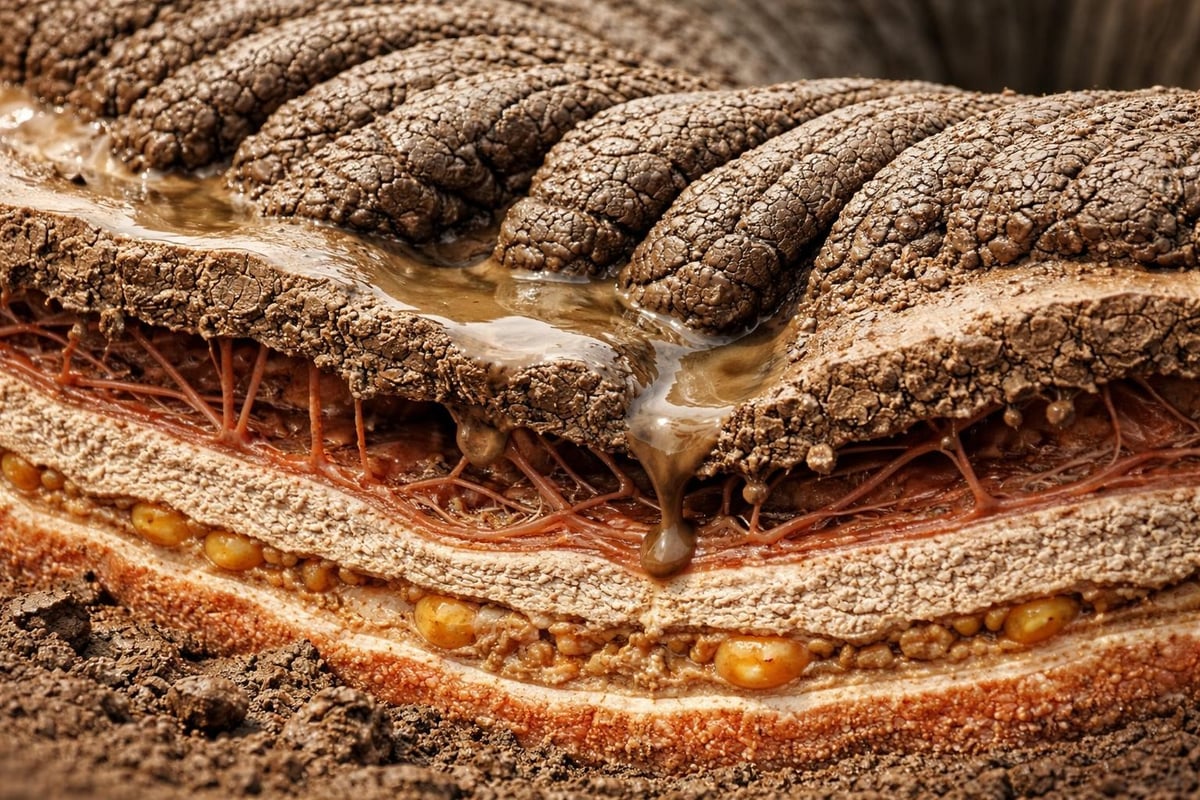
Elephant skin presents a remarkable paradox. While it can measure up to 3 centimetres thick in certain areas, making it one of the most robust protective barriers in nature, it remains extraordinarily sensitive to environmental conditions and physical touch. This combination of durability and sensitivity creates unique challenges that elephants address through dedicated daily care behaviours.
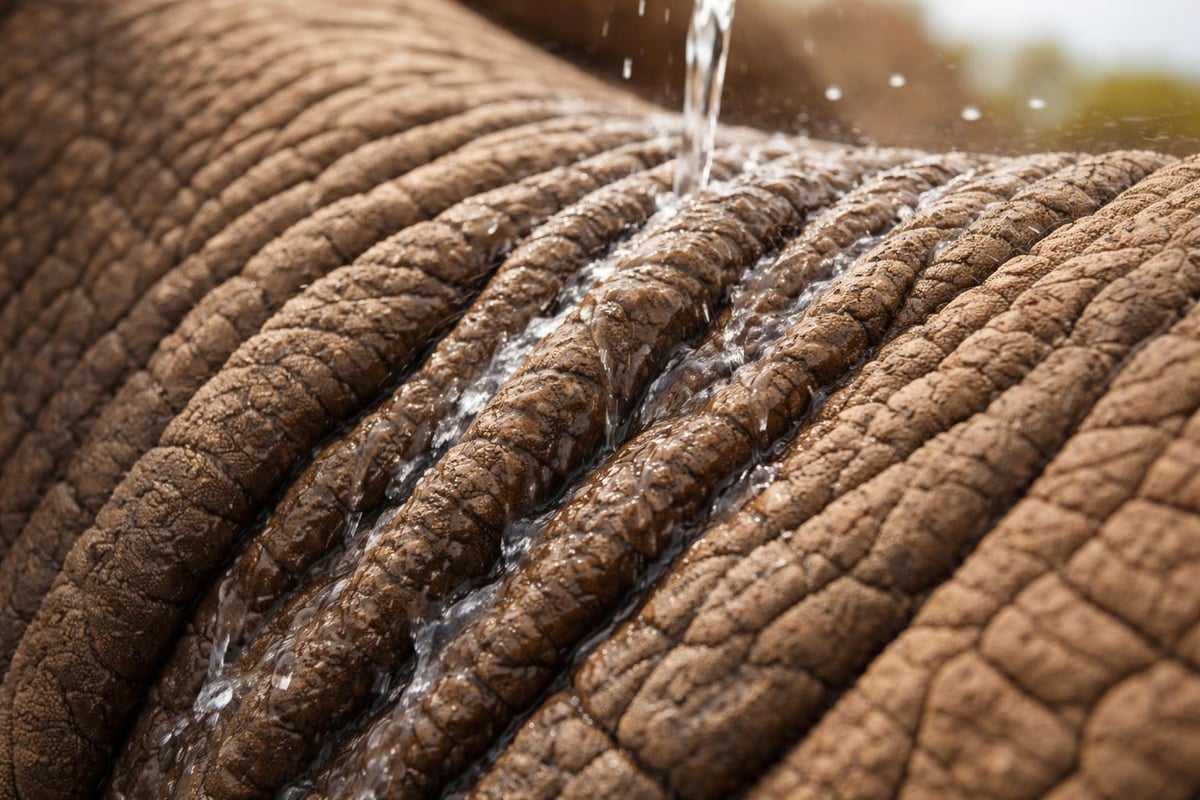
The skin's most distinctive feature lies in its network of deep wrinkles and fissures that cover the entire body. According to research from National Geographic, these aren't simply signs of aging but rather a sophisticated moisture retention system. The cracks increase surface area significantly, allowing the skin to trap and hold more water and mud in the channels between raised sections.
Why Thickness Doesn't Equal Protection
Despite its impressive depth, elephant skin lacks the natural oils that protect many other mammals. This absence means the outer layer remains vulnerable to:
- Ultraviolet radiation damage from constant sun exposure
- Rapid moisture loss in hot climates
- Parasitic infestations that burrow into unprotected areas
- Temperature extremes that cause cellular stress
The skin's permeability creates a constant need for external protection, which elephants address through deliberate, repeated care behaviours that form the foundation of their natural skincare routine.
Natural Elephant Skin Care Behaviours
Elephants dedicate significant portions of their day to skin maintenance, demonstrating that healthy skin requires consistent attention rather than occasional intervention. Their approach combines multiple techniques that work synergistically to address different protective needs.
Mud Bathing as Barrier Protection
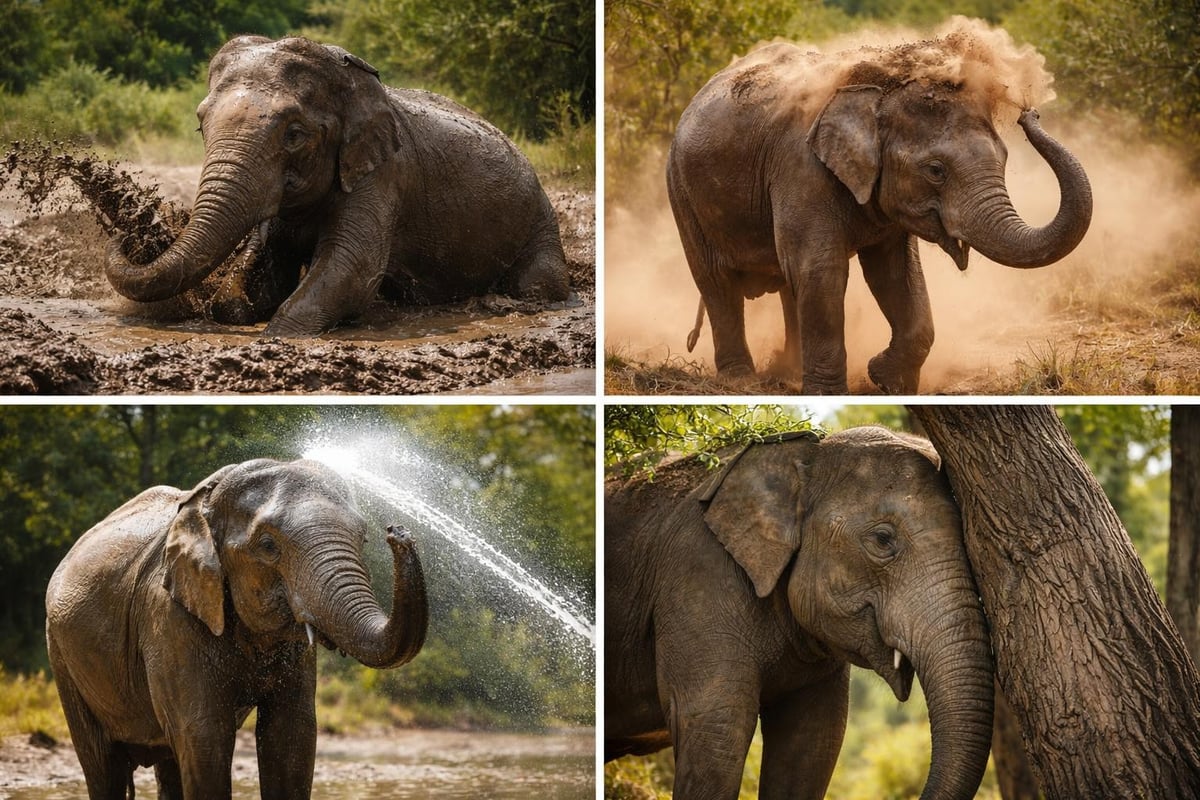
The cornerstone of elephant skin care involves regular mud bathing, a behaviour observed across all elephant populations regardless of geography. This isn't recreation but essential maintenance. Elephants carefully select mud sources, often travelling considerable distances to find the ideal consistency and mineral content.
The mud application process follows a specific pattern:
- Full body immersion when possible to ensure complete coverage
- Targeted application to sensitive areas using the trunk
- Layering technique that builds thickness gradually
- Allowing partial drying before applying additional coats
Once dried, the mud creates a protective barrier that serves multiple functions. It blocks harmful UV radiation, much like a physical sunscreen. The layer also provides insulation against heat, reducing water loss through the skin surface. Additionally, it creates a hostile environment for parasites and biting insects.
Dust Bathing for Ongoing Maintenance
Between mud applications, elephants engage in dust bathing, throwing dry soil over their backs and sides using their trunks. This behaviour complements rather than replaces mud bathing, serving distinct purposes in the overall elephant skin care routine.
Dust acts as a desiccant, absorbing excess moisture that could promote bacterial or fungal growth. It also provides a gentle exfoliating action, removing dead skin cells and debris without damaging the living tissue beneath. The fine particles settle into the skin's wrinkles, offering a lighter form of protection during periods between mud baths.
The Science Behind Moisture Retention
Recent research highlighted by Elephant Voices has revealed the sophisticated physics behind elephant skin's wrinkle network. The pattern isn't random but follows principles of fractal geometry that maximise water retention capacity.
When elephants spray water on their skin or apply mud, the liquid doesn't simply run off. Instead, it channels into the microscopic valleys created by the wrinkled surface. This creates a reservoir effect where moisture remains in contact with the skin for extended periods, allowing for gradual absorption.
| Skin Feature | Function | Benefit |
|---|---|---|
| Deep wrinkles | Water channelling | Extended hydration contact time |
| Thick dermis | Physical protection | Guards against injury and abrasion |
| Sparse hair follicles | Temperature regulation | Allows mud and dust adherence |
| High nerve density | Environmental sensing | Detects parasites and damage early |
The absence of sebaceous glands means elephants cannot produce their own protective lipid barrier. This biological limitation makes their external skincare behaviours absolutely essential rather than optional enhancements.
Social Grooming and Skin Health
Elephant skin care extends beyond individual maintenance to include social behaviours that promote group health. Elephants regularly assist each other with areas difficult to reach independently, particularly the top of the head and behind the ears.
Trunk-Based Care Techniques
The elephant's trunk serves as a sophisticated skincare tool, capable of:
- Precise mud application to specific problem areas
- Gentle removal of parasites from another elephant's skin
- Water spraying at controlled pressures for cleaning
- Dust distribution across hard-to-reach zones
Young elephants learn proper skin care techniques by observing and imitating older family members. This knowledge transfer ensures each generation maintains effective protective routines, demonstrating that elephant skin care represents learned behaviour rather than pure instinct.
Environmental Adaptation in Skincare Routines
Elephants modify their skin care practices based on seasonal conditions and available resources. During dry seasons when mud sources become scarce, they increase dust bathing frequency and seek out remaining water holes more aggressively. In wetter periods, they may bathe multiple times daily.
This adaptive approach prevents skin damage regardless of external conditions. The flexibility demonstrates an important principle: effective skincare requires responsiveness to changing needs rather than rigid adherence to a single routine.
Climate-Specific Challenges
Different elephant populations face distinct environmental stressors that influence their care behaviours:
- Desert-dwelling elephants prioritise dust bathing due to limited water access
- Forest elephants incorporate tree-rubbing against rough bark for exfoliation
- Savanna populations balance mud and dust based on seasonal availability
Each adaptation addresses the same fundamental goal: maintaining a protective barrier that prevents moisture loss while blocking environmental damage.
Parallels to Human Skincare Science
The principles underlying elephant skin care translate remarkably well to human skin health, despite obvious anatomical differences. Both species face challenges related to barrier function, moisture retention, and environmental protection.
Barrier Protection Strategies
Just as elephants apply mud to create a physical shield, human skincare focuses heavily on supporting and reinforcing the skin's natural barrier. Products designed to strengthen this protective layer help prevent transepidermal water loss and block irritants from penetrating deeper tissue.
The targeted approach elephants use when applying mud to problem areas mirrors the precision treatment philosophy in modern skincare. Rather than applying the same product everywhere, addressing specific concerns with dedicated solutions produces superior results.
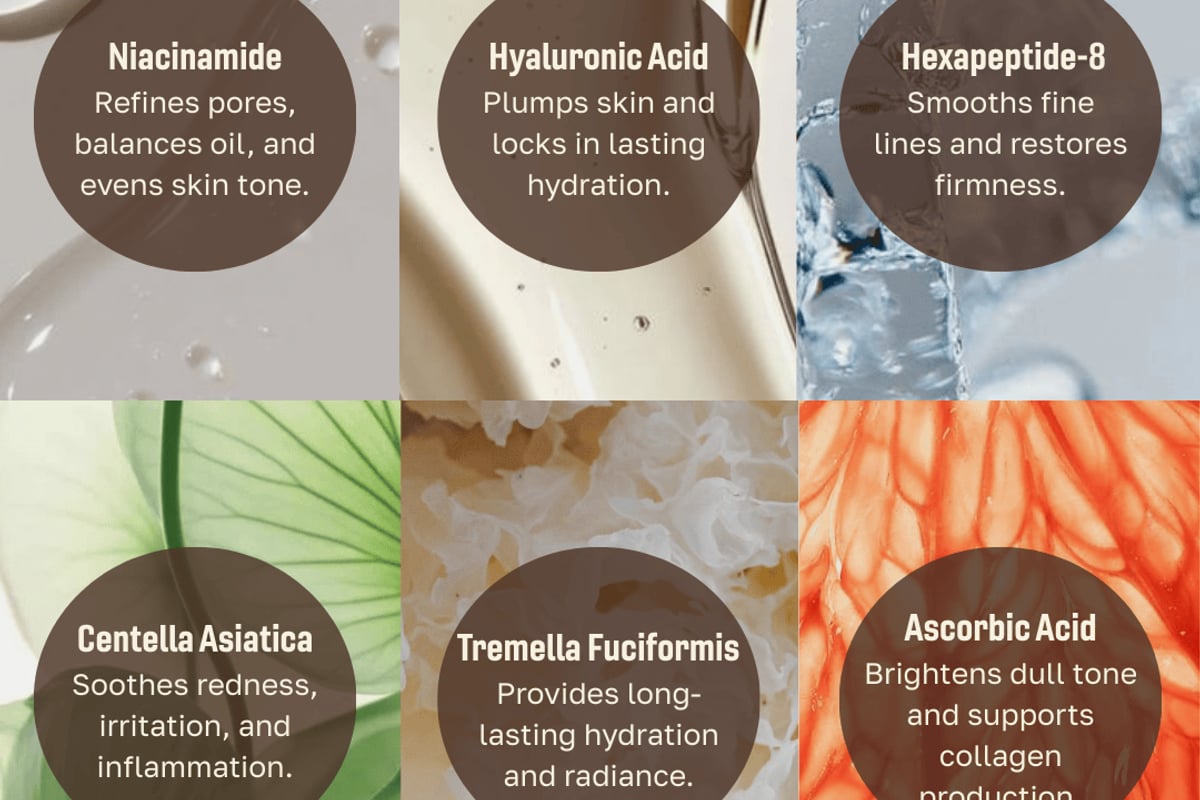
For areas requiring intensive intervention, precision delivery systems offer significant advantages. The Routine. Peptide MicroPatch demonstrates this principle through its dissolving micro-tips that deliver brightening and smoothing actives directly into targeted zones like dark spots or textured areas, ensuring controlled absorption exactly where needed.
Consistency Over Intensity
Perhaps the most valuable lesson from elephant skin care lies in the emphasis on regular, consistent maintenance rather than occasional intensive treatments. Elephants don't bathe once and expect lasting results; they integrate skin protection into their daily routine as an ongoing practice.
Human skincare achieves optimal results through the same approach. A disciplined routine with clearly defined roles for each product creates cumulative benefits that sporadic, intensive treatments cannot match.
Multi-Layer Protection Systems
Elephants rarely rely on a single protective method. Instead, they layer different techniques throughout the day, creating redundant systems that ensure continuous coverage. Morning mud application might be followed by midday dust bathing and evening water spraying.
This multi-layer strategy acknowledges that no single intervention addresses all skin needs simultaneously. Different products and techniques target different aspects of skin health, working together to create comprehensive protection.
Building an Integrated Routine
The elephant approach suggests skincare should function as an ecosystem rather than a collection of isolated products:
- Foundation layer: Basic moisture and barrier support applied consistently
- Targeted treatment: Specific interventions for individual concerns
- Protective finish: Environmental defence against external stressors
- Maintenance support: Ongoing nourishment between intensive treatments
Each component plays a defined role, eliminating redundancy while ensuring complete coverage of skin needs.
Temperature Regulation and Skin Function
Elephant skin care behaviours serve thermoregulatory functions alongside protective ones. The mud coating provides insulation that moderates skin temperature, preventing both overheating and excessive cooling.
Water evaporating from mud-filled wrinkles creates a cooling effect during hot periods. This process demonstrates how moisture management extends beyond simple hydration to include functional temperature control that supports overall skin health.
| Time of Day | Primary Behaviour | Function |
|---|---|---|
| Early morning | Water bathing | Removes overnight debris, initial hydration |
| Midday | Mud application | UV protection during peak sun exposure |
| Afternoon | Dust bathing | Moisture control, parasite deterrence |
| Evening | Social grooming | Targeted care, social bonding |
The timing of different elephant skin care activities optimises effectiveness by aligning specific techniques with the skin's changing needs throughout the day.
Exfoliation Through Natural Abrasion
Elephants incorporate exfoliation into their routines through tree-rubbing and rock-scratching behaviours. These actions remove accumulated dead skin cells and dried mud, preventing buildup that could trap bacteria or block the skin's ability to absorb fresh protective layers.
The mechanical action must be carefully controlled. Too aggressive rubbing causes damage, while insufficient exfoliation allows debris accumulation. Elephants demonstrate remarkable precision in calibrating the pressure and duration of abrasive contact.
Selective Surface Renewal
Rather than exfoliating their entire body uniformly, elephants focus on areas where dead skin accumulation creates problems:
- Behind the ears where folded skin traps debris
- Between the legs where movement creates friction
- Along the back where sun exposure is most intense
- Around the eyes where sensitivity requires gentle care
This targeted approach prevents over-treatment of areas that don't require intensive exfoliation while ensuring problem zones receive adequate attention.
Parasite Prevention Through Proactive Care
A significant motivation behind elephant skin care involves preventing parasitic infestations rather than merely treating them after occurrence. The mud and dust barriers create inhospitable environments for ticks, mites, and burrowing insects.
This proactive stance proves more effective than reactive treatment. By maintaining continuous protection, elephants reduce parasite populations before they establish breeding colonies on the skin surface.
Chemical Defence Components
Mud from mineral-rich sources contains compounds that actively repel certain parasites. Elephants demonstrate preference for specific mud sources, suggesting they recognise and seek out compositions with superior protective qualities.
The selection process indicates sophisticated understanding of how different mud types affect skin health. Elephants remember productive locations and return repeatedly, even teaching younger family members about these valuable resources.
Water as a Fundamental Tool
While mud and dust receive significant attention in elephant skin care, water plays an equally crucial role. Elephants spray water on their skin multiple times daily, using their trunks to direct streams with remarkable accuracy.
Water serves several distinct functions beyond basic cleaning:
- Temperature modulation through evaporative cooling
- Hydration delivery directly to skin tissue
- Debris removal before applying fresh protective layers
- Social bonding through communal bathing activities
The frequency of water-based care demonstrates that moisture isn't a one-time need but an ongoing requirement that demands regular attention.
Lessons in Preventative Maintenance
Elephant skin care emphasises prevention over correction. Rather than waiting for damage to occur and then addressing it, elephants maintain constant protective measures that minimise harm from the outset.
This philosophy aligns with contemporary understanding of skin health. Preventing damage proves far more effective than attempting to reverse it after occurrence. Sun protection, consistent hydration, and barrier support create conditions where skin remains healthy rather than requiring intensive repair.
Early Intervention Principles
Young elephants begin learning skin care behaviours shortly after birth, guided by their mothers and other family members. This early education ensures protective habits become ingrained before significant damage can accumulate.
The timing demonstrates an important concept: skincare yields best results when initiated early and maintained consistently throughout life rather than starting only after problems become visible.
Resource Allocation and Skin Investment
Elephants dedicate substantial time and energy to skin maintenance, often spending several hours daily on various care activities. This investment reflects the critical importance of skin health to overall survival and wellbeing.
The time commitment suggests that effective skincare cannot be an afterthought squeezed into spare moments. It requires dedicated attention and sufficient resources to execute properly.
Priority Assessment
Elephants adjust their skin care intensity based on current needs:
- Increased frequency after exposure to intense sun or parasites
- Extended duration when recovering from injury or illness
- Targeted focus on problem areas showing early signs of damage
- Maintenance level during periods of optimal skin health
This responsive approach ensures resources concentrate where they're most needed while maintaining baseline protection everywhere.
Integration with Overall Health
Elephant skin care doesn't exist in isolation but connects intimately with other health behaviours. Proper nutrition supports skin regeneration. Adequate water intake enables effective mud bathing. Physical movement facilitates even distribution of protective coatings.
The interconnection demonstrates that skin health emerges from comprehensive wellness rather than standalone treatments. Products and techniques work best when supported by broader health practices.
| Health Factor | Skin Impact | Supporting Behaviour |
|---|---|---|
| Nutrition | Cell regeneration | Diverse plant diet rich in minerals |
| Hydration | Moisture levels | Regular drinking, water bathing |
| Movement | Circulation | Daily migration, active lifestyle |
| Social connection | Stress reduction | Herd bonding, cooperative grooming |
Each element contributes to overall skin condition, creating synergistic effects that exceed what any single intervention could achieve.
Seasonal Variation in Care Intensity
Elephant skin care routines intensify during challenging seasons. Dry periods demand more frequent dust bathing and aggressive seeking of limited water sources. Wet seasons enable extensive mud bathing but require increased parasite vigilance.
The seasonal adjustment demonstrates that skincare needs fluctuate based on environmental conditions. Fixed routines that ignore these changes fail to address varying challenges throughout the year.
Adaptation Strategies
Successful seasonal adaptation requires:
- Environmental awareness: Recognising when conditions shift
- Resource identification: Locating needed materials (mud, water, dust)
- Technique modification: Adjusting behaviours to match availability
- Increased vigilance: Monitoring skin for stress signs during harsh periods
These adaptive strategies ensure continuous protection regardless of external circumstances.
Communication and Skincare Knowledge
Elephants share information about effective mud sources, optimal bathing locations, and successful techniques through their sophisticated communication systems. This knowledge transfer ensures the entire herd benefits from individual discoveries.
The social dimension of elephant skin care highlights how community support enhances individual health outcomes. Shared knowledge prevents each elephant from needing to rediscover effective practices independently.
Intergenerational Learning
Older elephants serve as repositories of skincare wisdom, having accumulated decades of experience about what works under various conditions. They actively teach younger members, demonstrating techniques and guiding them to productive resource locations.
This mentorship ensures continuous refinement of practices as new generations build upon established knowledge while adapting to changing environmental conditions.
Touch Sensitivity and Care Precision
Despite their thick skin, elephants possess remarkable tactile sensitivity. This allows them to detect small parasites, assess mud consistency, and control the pressure applied during rubbing behaviours with surprising precision.
The sensitivity enables targeted intervention that addresses specific problems without causing collateral damage to healthy tissue. Elephants can feel exactly where irritation exists and direct care precisely to that location.
Sensory Feedback Loops
Elephant skin care relies heavily on continuous sensory feedback:
- Touch detection identifies areas requiring attention
- Temperature sensing guides cooling or warming behaviours
- Irritation signals trigger immediate protective responses
- Comfort assessment confirms when treatments succeed
This responsive system ensures care activities remain appropriate and effective rather than following blind routines regardless of actual needs.
Long-Term Skin Health Outcomes
The comprehensive, consistent approach elephants take to skin care produces remarkable long-term results. Despite constant exposure to harsh environmental conditions, their skin remains functional and healthy throughout their 60-70 year lifespans.
The longevity outcome demonstrates that disciplined, multi-faceted care routines successfully preserve skin integrity across decades. This suggests similar approaches in human skincare could yield comparable long-term benefits.
Cumulative Protection Benefits
Regular, moderate protection proves more effective than sporadic intensive intervention:
- Daily barrier maintenance prevents small problems from escalating
- Consistent moisture management maintains optimal hydration levels
- Ongoing parasite prevention eliminates infestations before establishment
- Routine exfoliation keeps skin surface healthy and responsive
Each day's care builds upon previous efforts, creating compounding benefits that become substantial over extended periods.
System-Based Thinking in Skincare
Perhaps the most profound lesson from elephant skin care lies in viewing skin health as a complete system rather than isolated problems requiring separate solutions. Elephants don't think about "treating wrinkles" or "fixing dry patches" but rather maintaining overall skin function through integrated behaviours.
This holistic perspective recognises that all skin components interact continuously. Addressing one aspect while neglecting others creates imbalances that undermine overall health. True effectiveness requires comprehensive approaches where each element supports the others.
The system-led philosophy means every care activity serves a defined purpose within the larger framework. Nothing is redundant, yet nothing works in isolation. Each technique contributes specific benefits while reinforcing the effectiveness of complementary practices.
Understanding elephant skin care reveals that healthy skin emerges from consistent, multi-layered routines where each element plays a specific role in overall protection and maintenance. These natural principles translate directly into effective human skincare strategies that prioritise system-based thinking over isolated treatments. Routine. Beauty applies this same philosophy through its Target. Boost. Maintain. ecosystem, where each product fulfils one defined function within a disciplined routine designed for long-term skin confidence. Discover how structured, purposeful skincare transforms your approach to lasting skin health.

