


Finding the right minimalist moisturizer for oily skin can feel like navigating a maze of contradictory advice. Many people with oily skin skip moisturizer altogether, believing their skin produces enough natural oils. Others layer multiple products, hoping to balance their complexion. The truth sits somewhere in between-oily skin needs hydration, but it needs the right kind. A minimalist approach strips away unnecessary ingredients and focuses on what actually works, creating a foundation for clearer, more balanced skin without overwhelming your pores or triggering excess sebum production.
Understanding Why Oily Skin Still Needs Moisture
The relationship between oily skin and moisturizer is often misunderstood. When you skip hydration, your skin's moisture barrier becomes compromised, which can actually trigger your sebaceous glands to produce more oil as a compensatory mechanism. This creates a frustrating cycle where avoiding moisturizer leads to increased oiliness.
Research published in dermatology journals demonstrates that moisturizers play a crucial role in maintaining skin barrier function, even for skin that appears naturally oily. The key is selecting formulas that provide hydration without adding excess lipids or occlusive ingredients that trap oil beneath the skin's surface.
The Science Behind Sebum and Hydration
Sebum production and skin hydration operate on separate pathways. Sebum is an oily substance produced by sebaceous glands, primarily composed of triglycerides, wax esters, and squalene. Hydration, conversely, refers to water content within the skin's layers. Your skin can simultaneously be oily (excess sebum) and dehydrated (lacking water), which is why even the most oil-prone complexions benefit from appropriate moisturization.
When you apply a minimalist moisturizer for oily skin, you're addressing the water content without necessarily adding more oils. This distinction is fundamental to building an effective routine that doesn't exacerbate shine or congestion.
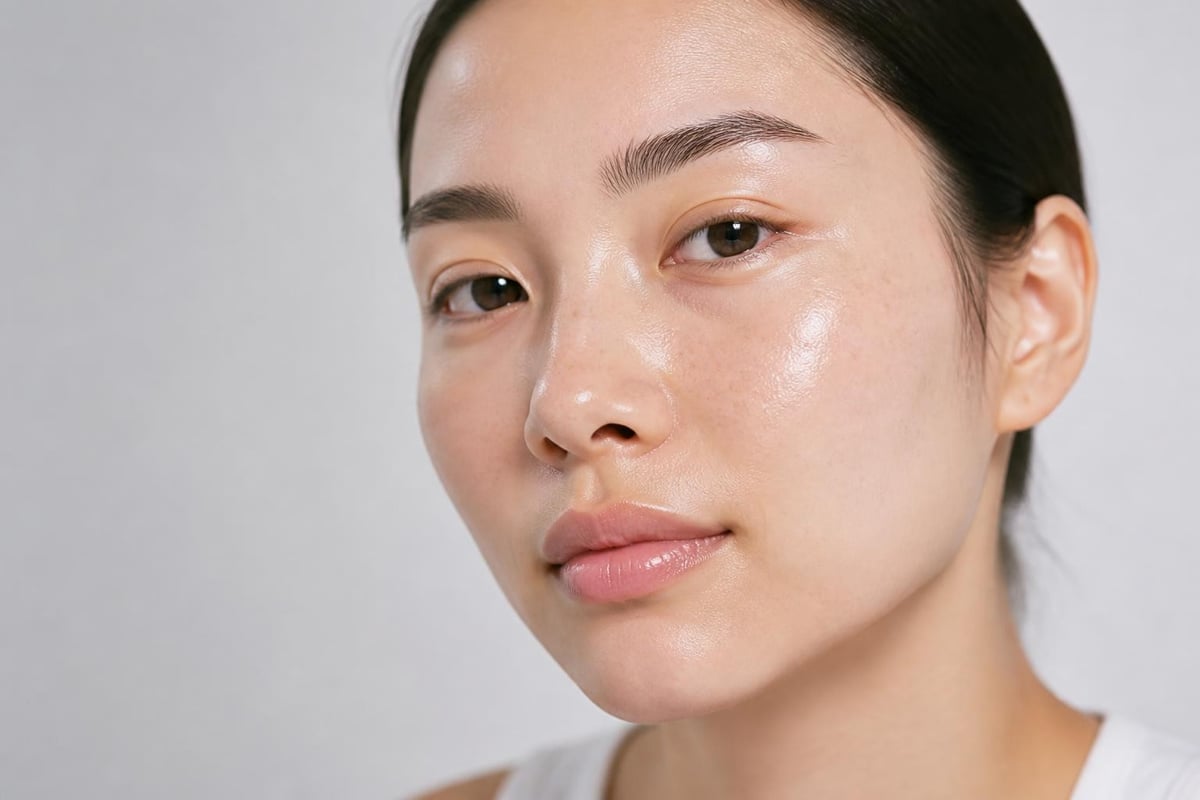
Key Ingredients for a Minimalist Moisturizer for Oily Skin
A truly minimalist approach means selecting products with short ingredient lists where every component serves a specific purpose. For oily skin, certain ingredients consistently deliver results without unnecessary additions.
Humectants That Draw Water Without Weight
Humectants attract water from the environment and deeper skin layers to the surface, providing hydration without heavy texture:
- Hyaluronic acid: Holds up to 1000 times its weight in water, delivering intense hydration in a lightweight form
- Glycerin: A proven humectant that strengthens the moisture barrier while remaining completely non-greasy
- Panthenol (Pro-Vitamin B5): Attracts moisture while offering soothing properties for inflammation-prone oily skin
These ingredients work efficiently at low concentrations, making them ideal for minimalist formulations that prioritize function over filler ingredients.
Lightweight Emollients That Smooth Without Shine
Not all emollients are created equal. While heavy oils and butters can overwhelm oily skin, certain lightweight emollients provide smoothness and barrier support:
| Ingredient | Texture | Benefit for Oily Skin |
|---|---|---|
| Squalane | Silky, fast-absorbing | Mimics skin's natural oils without added weight |
| Niacinamide | Water-soluble | Regulates sebum production while refining pores |
| Ceramides | Non-greasy | Repairs barrier without occlusive heaviness |
| Dimethicone | Silky, matte | Creates smooth finish while allowing skin to breathe |
Skin-Balancing Actives
A minimalist moisturizer for oily skin often includes ingredients that actively regulate sebum production rather than simply sitting on the skin's surface. Niacinamide deserves special attention here-studies have shown it can reduce sebum excretion by up to 20% when used consistently at concentrations between 2-5%.
Zinc compounds, particularly zinc PCA, offer another evidence-based option for controlling oil production while providing antimicrobial benefits that can reduce breakouts common in oily skin types.
Texture Matters: Choosing the Right Formula Type
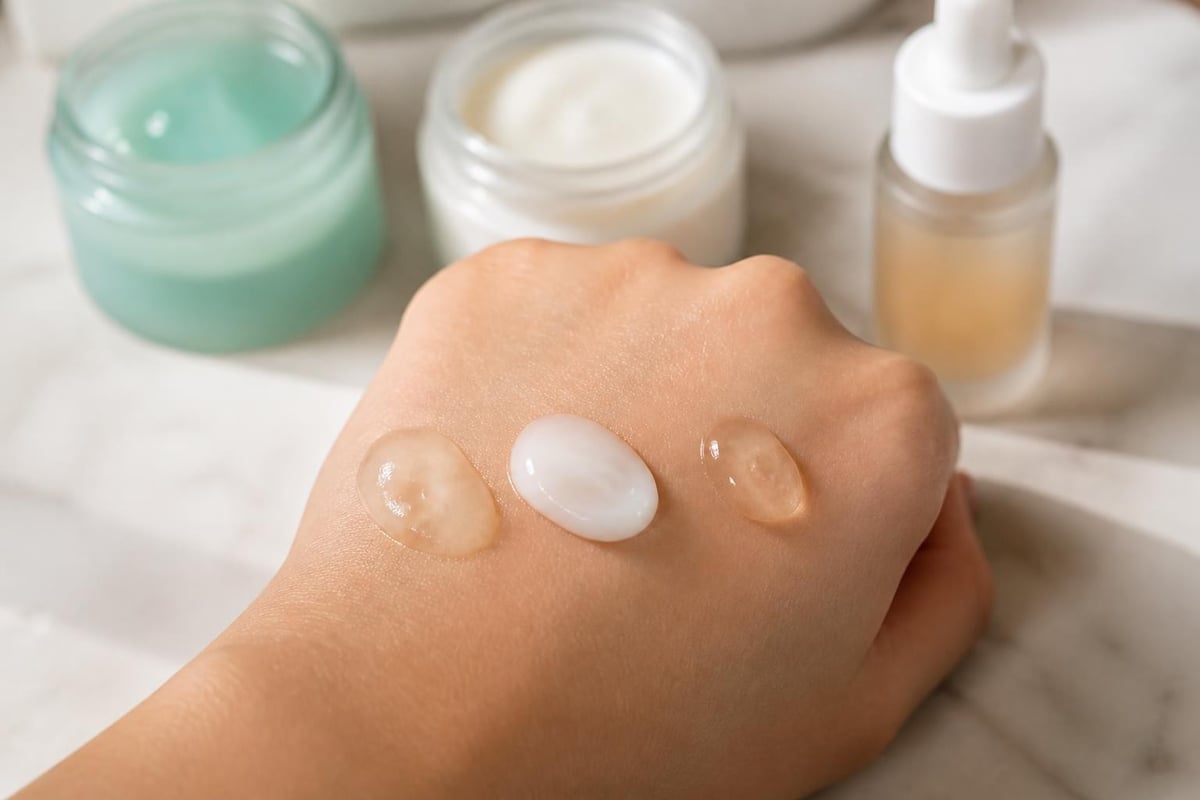
The texture of your moisturizer determines how it interacts with your skin's existing oil production. Gel moisturizers have become increasingly popular for oily skin types because they provide hydration without the cream-based heaviness that can lead to congestion.
Gel-Based Formulas
Water-based gel moisturizers absorb quickly and leave virtually no residue. They typically contain high concentrations of humectants suspended in a gel matrix, delivering hydration that sinks in immediately. This format works particularly well for morning application before sun protection and makeup.
Gel-Cream Hybrids
Some formulations blend gel and cream technologies, offering slightly more substantive hydration while maintaining a lightweight feel. These work well for oily skin that experiences occasional dry patches, particularly during seasonal transitions or in air-conditioned environments.
Serum-Moisturizer Combinations
The line between serums and lightweight moisturizers has blurred considerably. Many minimalist products designed for oily skin function as both, combining hydrating ingredients with barrier-supporting components in a thin, fast-absorbing format. This dual-purpose approach aligns perfectly with minimalist skincare philosophy.
What to Avoid in Formulations
Understanding what to exclude is just as important as knowing what to include when selecting a minimalist moisturizer for oily skin. The American Academy of Dermatology recommends avoiding certain ingredients that can exacerbate oiliness or cause congestion.
Comedogenic ingredients deserve careful consideration. While comedogenicity ratings aren't perfect science, they provide useful guidance:
High-Risk Ingredients for Oily Skin:
- Coconut oil and derivatives (highly comedogenic)
- Cocoa butter (too occlusive for most oily skin types)
- Isopropyl myristate (known pore-clogger)
- Acetylated lanolin (heavy and potentially comedogenic)
- Wheat germ oil (very rich, slow-absorbing)
Questionable Additions:
- Fragrance (synthetic or natural-can irritate and trigger inflammation)
- Denatured alcohol (may temporarily mattify but can disrupt barrier function)
- Essential oils (irritating for many, especially inflammation-prone oily skin)
- Silicone-heavy formulas (some are fine, but excessive amounts can create buildup)
A truly minimalist approach eliminates these potential irritants and focuses solely on ingredients with clear, evidence-based benefits.
Application Techniques That Maximize Effectiveness
How you apply your minimalist moisturizer for oily skin influences its performance. Proper technique ensures you get maximum benefit from minimal product.
Morning Application Strategy
- Cleanse with lukewarm water: Hot water strips natural oils, potentially triggering compensatory oil production
- Apply to damp skin: This seals in moisture from your cleansing step and helps humectants work more effectively
- Use appropriate amount: For most faces, half a pump or a pea-sized amount suffices
- Press, don't rub: Gentle pressing motions allow absorption without stimulating sebaceous glands
- Wait before layering: Allow 60-90 seconds before applying sunscreen or makeup
Evening Application Considerations
Night-time application can be slightly more generous since you won't be layering makeup. However, oily skin rarely needs heavy night creams. Your minimalist moisturizer works effectively morning and evening, potentially with the addition of targeted treatments.
If you're using active ingredients like retinoids or acids, apply your minimalist moisturizer after these treatments have absorbed. This technique, sometimes called "buffering," can reduce irritation while maintaining efficacy.
Building a Minimalist Routine Around Your Moisturizer
The philosophy behind a minimalist moisturizer for oily skin extends to your entire routine. Each product should serve a distinct purpose within a simplified system.
The Three-Step Framework
Target: Address specific concerns like marks, texture, or congestion with precision treatments
Boost: Support skin function with tools or techniques that enhance circulation and clarity
Maintain: Keep skin balanced with consistent, appropriate hydration
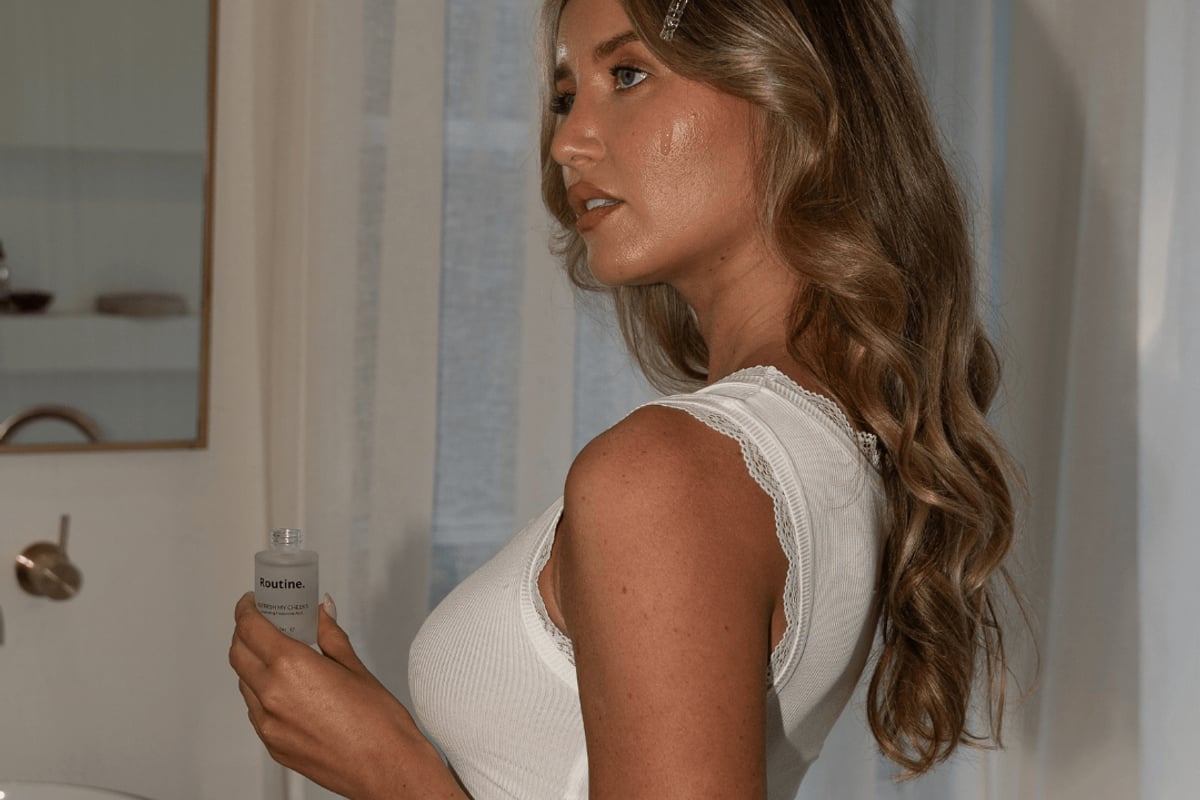
This structure prevents the product overwhelm that often leads to skin confusion and worsening oiliness. For instance, maintaining skin balance with a hydrating serum like Refresh My Cheeks provides lightweight moisture that supports clarity without adding heaviness, working as part of your maintain step to keep skin calm and balanced between targeted treatments.
Seasonal Adjustments
Even with minimalist skincare, minor adjustments help your routine stay effective year-round:
| Season | Adjustment | Reason |
|---|---|---|
| Summer | Single layer of gel moisturizer | Higher humidity provides environmental moisture |
| Winter | Add hydrating toner before moisturizer | Indoor heating reduces air moisture |
| Spring/Autumn | Standard application | Moderate conditions require no changes |
These subtle modifications maintain skin balance without requiring different products, staying true to minimalist principles.
Debunking Common Myths About Oily Skin Moisturizers
Misinformation about oily skin care persists despite growing research. Understanding the facts helps you make better decisions about your minimalist moisturizer for oily skin.
Myth: Oil-Free Means Better
The term "oil-free" doesn't automatically indicate suitability for oily skin. Some oil-free formulas contain synthetic ingredients that are more comedogenic than certain plant oils. Meanwhile, ingredients like squalane-technically an oil-are non-comedogenic and highly beneficial for oily skin.
Focus on the complete ingredient list and texture rather than marketing claims about being oil-free.
Myth: Oily Skin Doesn't Get Dehydrated
This misconception causes many people to under-moisturize. Research shows that oily skin can absolutely experience dehydration, creating a tight, uncomfortable feeling despite visible shine. This combination of oiliness and dehydration often indicates barrier damage that proper moisturization can help repair.
Myth: Matte Finish Equals Effective Product
Mattifying ingredients may create an immediately satisfying finish, but they don't necessarily address underlying hydration needs. Some mattefying agents (like heavy silicones or drying alcohols) can actually worsen oily skin over time by disrupting barrier function.
A slight, natural glow after moisturizer application isn't problematic-it indicates proper hydration. Excessive shine developing hours later relates more to sebum production than moisturizer choice.
Reading Labels Like a Professional
Ingredient lists follow regulatory requirements, appearing in descending order by concentration (with exceptions for ingredients below 1%). This knowledge helps you evaluate whether a product truly qualifies as a minimalist moisturizer for oily skin.
Ingredient Order Matters
The first five to seven ingredients typically constitute the bulk of the formula. If you see heavy oils, butters, or comedogenic ingredients in this range, the product probably isn't ideal for oily skin, regardless of marketing claims.
Beneficial ingredients like niacinamide and ceramides work at low concentrations (often 2-5%), so seeing them lower on the list doesn't necessarily indicate an ineffective formula.
Understanding Preservatives and Stabilizers
Even minimalist formulas require preservatives to prevent bacterial growth. Common, well-tolerated options include:
- Phenoxyethanol
- Ethylhexylglycerin
- Sodium benzoate
- Potassium sorbate
These functional ingredients don't count against a product's minimalist credentials-they're necessary for safety and shelf stability.
Combining Moisturizers with Other Treatments
A minimalist approach doesn't mean using only moisturizer. It means each product earns its place through clear benefit without redundancy.
Active Ingredients and Hydration
When using exfoliating acids (AHAs, BHAs) or retinoids, your minimalist moisturizer for oily skin becomes even more critical. These actives can compromise barrier function temporarily, making appropriate hydration essential for preventing irritation and subsequent oil rebound.
Apply actives first, allow complete absorption, then follow with your moisturizer. This layering sequence maximizes active ingredient contact with skin while providing the barrier support needed to minimize sensitivity.
Complementary Technologies
Modern skincare extends beyond topical products. Light therapy devices, for instance, can support skin clarity and texture without adding more formulas to your routine. When paired with appropriate hydration, these tools help maintain balanced skin function across multiple pathways.
Evaluating Product Performance
Determining whether your minimalist moisturizer for oily skin works effectively requires objective assessment over appropriate timeframes.
Short-Term Indicators (Days 1-7)
- Immediate absorption without residue
- No stinging or burning upon application
- Comfortable skin feel throughout the day
- No increase in breakouts (though initial purging is possible with some actives)
- Makeup applies smoothly if worn
Medium-Term Results (Weeks 2-6)
- Reduced oil production during the day
- Fewer breakouts or congested pores
- Improved skin texture and smoothness
- Diminished appearance of dehydration lines
- More even skin tone
Long-Term Outcomes (Months 2-6)
According to research on moisturizer effects on various skin conditions, consistent use over months provides the clearest picture of effectiveness. Look for:
- Sustained sebum regulation
- Strengthened moisture barrier (less reactivity to environmental factors)
- Refined pore appearance
- Balanced hydration without excess oil
- Reduced need for blotting papers or touch-ups
Transitioning to a Minimalist Approach
If you're currently using multiple moisturizers or heavy creams, transitioning to a minimalist moisturizer for oily skin requires strategy to avoid confusing your skin.
The Two-Week Adjustment Period
Your skin has adapted to its current routine, for better or worse. When you simplify, it needs time to recalibrate. During the first two weeks:
Week 1: Replace your current moisturizer with your new minimalist option while keeping other products consistent. This isolates any reactions or benefits to the moisturizer change specifically.
Week 2: Evaluate your skin's response. Some initial oiliness or dryness is normal as your skin adjusts. If you experience significant irritation or worsening breakouts beyond typical purging, reassess the formula.
Managing the Purging Phase
Some minimalist moisturizers contain gentle exfoliating ingredients or barrier-supporting components that can trigger a brief purging phase. True purging should:
- Occur only in areas where you typically break out
- Resolve within 4-6 weeks
- Not cause painful cystic acne
- Improve with continued use
If breakouts worsen progressively or appear in new areas, you're likely experiencing a reaction rather than purging, and should discontinue use.
Maximizing Value from Minimal Products
Part of minimalist skincare involves using products efficiently and storing them properly to maintain efficacy.
Proper Storage Practices
Even stable formulas degrade when exposed to excessive heat, light, or air. For optimal performance:
- Store in cool, dry locations away from direct sunlight
- Close containers immediately after use to minimize air exposure
- Avoid bathroom storage if possible (humidity and temperature fluctuations compromise stability)
- Use clean, dry hands or a spatula for jar packaging
- Note the PAO (period after opening) symbol and replace accordingly
Application Amount and Frequency
The beauty of an effective minimalist moisturizer for oily skin is that you need very little product per application. Using too much doesn't provide additional benefits and may leave residue that contributes to a greasy feel.
For reference, the "three-finger method" works well: dispense product along the length of your index, middle, and ring fingers, then distribute across your entire face and neck. This typically equals about 1/4 teaspoon, which dermatologists recommend for adequate face coverage.
Addressing Specific Oily Skin Concerns
While oily skin shares common characteristics, individual concerns vary. A minimalist approach can accommodate these differences without requiring multiple products.
Combination Skin Patterns
Many people experience oiliness in the T-zone (forehead, nose, chin) while other areas remain normal or even dry. Your minimalist moisturizer for oily skin can work across your entire face-simply adjust application thickness:
- T-zone: Single thin layer
- Cheeks and outer face: Slightly more generous application
- Under-eye area: Gentle patting with remaining product on fingertips
This customized application technique maintains minimalism while addressing varied needs across facial zones.
Acne-Prone Oily Skin
When oiliness coincides with frequent breakouts, choosing noncomedogenic moisturizers becomes particularly important. Beyond texture and ingredients, consider formulas that include:
- Niacinamide (reduces inflammation and regulates oil)
- Zinc compounds (antimicrobial and sebum-regulating)
- Azelaic acid derivatives (brightens marks while controlling oil)
These multifunctional ingredients address acne and oiliness simultaneously, embodying minimalist efficiency.
Aging Oily Skin
Oily skin doesn't automatically mean you'll avoid aging concerns. As we mature, skin loses volume and elasticity even when oil production remains high. A minimalist moisturizer for oily skin can incorporate anti-aging benefits through:
- Peptides (support collagen without heavy texture)
- Antioxidants like vitamin C (protect against environmental damage)
- Gentle retinol alternatives (improve texture without irritation)
The key is finding these benefits in lightweight formats that don't compromise the oil-appropriate texture you need.
Professional Perspectives on Minimalist Moisturizers
Dermatologists increasingly recommend simplified routines for oily skin management. The rationale centers on reducing variables that can trigger inflammation, breakouts, or barrier disruption.
Comprehensive guides on best skincare for oily skin consistently emphasize that more products don't equal better results. In fact, overcomplicating routines often worsens oiliness by overwhelming skin's natural regulation mechanisms.
Clinical Studies on Simplified Routines
Research examining skincare routines demonstrates that three to five well-chosen products often outperform ten-plus product routines in both efficacy and user compliance. When products serve clear, non-overlapping functions, skin responds more predictably and concerns improve more consistently.
For oily skin specifically, studies show that appropriate moisturization combined with gentle cleansing and sun protection forms an effective foundation. Additional treatments can address specific concerns, but these three elements-when optimized-handle the majority of oily skin maintenance needs.
Making the Final Selection
With understanding of ingredients, textures, and application strategies, you're equipped to choose your ideal minimalist moisturizer for oily skin. Consider these final factors:
Personal Lifestyle Factors
Your routine should fit your actual life, not an idealized version:
- Travel frequency: Prefer sturdy packaging and stable formulas
- Climate: Higher humidity may allow even lighter options; dry climates might need slightly more substantive hydration
- Makeup use: If you wear foundation, ensure your moisturizer creates a smooth base without pilling
- Morning time constraints: Faster absorption means quicker routines
Budget Considerations
Minimalist skincare can be remarkably cost-effective since you're purchasing fewer products. However, quality matters more than quantity. A well-formulated minimalist moisturizer for oily skin at a moderate price point often delivers better results than multiple cheaper alternatives.
When evaluating cost:
Calculate cost per day: Divide the price by realistic usage duration (a 50ml bottle typically lasts 3-4 months with appropriate application)
Consider concentration: Higher concentrations of active ingredients may justify higher prices
Factor in versatility: If the moisturizer works for both morning and evening, you need only one product instead of separate day and night creams
Trial and Adjustment
Even with research, finding your perfect minimalist moisturizer for oily skin may require trying a few options. This is normal and worthwhile-your skin is unique, and what works beautifully for one person may not suit another.
Give each product a fair trial (minimum four weeks unless you experience clear adverse reactions) before moving to the next option. This patience prevents the product-hopping cycle that wastes money and confuses skin.
Integration with Broader Skincare Philosophy
The minimalist moisturizer for oily skin represents more than just a single product choice. It reflects a broader philosophy about skincare that prioritizes:
Intentionality: Every product serves a clear purpose
Quality over quantity: Fewer, better-formulated products trump extensive routines
Skin respect: Working with your skin's natural functions rather than against them
Long-term thinking: Building sustainable routines that you'll actually maintain
Evidence-based choices: Selecting products based on ingredient research rather than marketing claims
This philosophical foundation extends beyond your moisturizer to influence how you approach cleansing, treatment products, sun protection, and lifestyle factors that affect skin health. When these elements align, oily skin becomes significantly more manageable and predictable.
Understanding that skincare works as an interconnected system-where your minimalist moisturizer forms one crucial component among several-helps you build routines that deliver consistent results without overwhelming complexity. The discipline of keeping things simple often proves more powerful than the temptation to add just one more product.
Choosing a minimalist moisturizer for oily skin means embracing simplicity, evidence-based ingredients, and textures that work with your skin's natural characteristics rather than against them. When you understand what your skin actually needs versus what marketing suggests, you can build a routine that delivers balance, clarity, and confidence without unnecessary complexity. Routine. Beauty approaches skincare through this same lens-each product designed with a specific role within a clear system that respects your skin and your time, making it easier to maintain the discipline that creates lasting results.

