


The term "alpha skin" encompasses two distinct yet complementary approaches to skincare that have transformed how we address aging, texture, and overall skin health. Whether referring to alpha hydroxy acids (AHAs) that resurface and renew, or alpha lipoic acid (ALA) that protects and restores, understanding these alpha-powered ingredients helps you make informed decisions about your skincare routine. Both pathways offer evidence-based solutions for achieving smoother, brighter, and more resilient skin through targeted intervention and consistent application.
The Science Behind Alpha Hydroxy Acids
Alpha hydroxy acids represent a class of water-soluble organic compounds derived from natural sources including sugarcane, milk, apples, and citrus fruits. These chemical exfoliants work by weakening the bonds between dead skin cells on the surface, allowing them to shed more efficiently and reveal fresher skin underneath.
The most commonly used AHAs in skincare formulations include glycolic acid, lactic acid, mandelic acid, and citric acid. Each variant offers slightly different molecular weights and penetration depths, making them suitable for various skin types and concerns. Understanding alpha hydroxy acids involves recognizing how these ingredients function at a cellular level to accelerate natural exfoliation processes.
How AHAs Transform Skin Texture
When applied topically, alpha hydroxy acids dissolve the intercellular glue holding dead cells together. This process, known as desquamation, occurs naturally but slows significantly with age. By supplementing this function, AHAs help maintain a smoother, more even surface texture.
Key benefits of AHA application include:
- Reduced appearance of surface lines and creases
- Improved product absorption for subsequent treatments
- More uniform skin tone with diminished discoloration
- Enhanced luminosity and radiance
- Refined pore appearance over time
The molecular size of each AHA determines its depth of penetration. Glycolic acid, with the smallest molecular structure, penetrates most deeply and delivers rapid results but may cause sensitivity in reactive skin types. Lactic acid offers gentler exfoliation with added hydrating properties, while mandelic acid's larger molecule makes it ideal for sensitive or easily irritated skin.
Alpha Lipoic Acid: The Antioxidant Approach to Alpha Skin
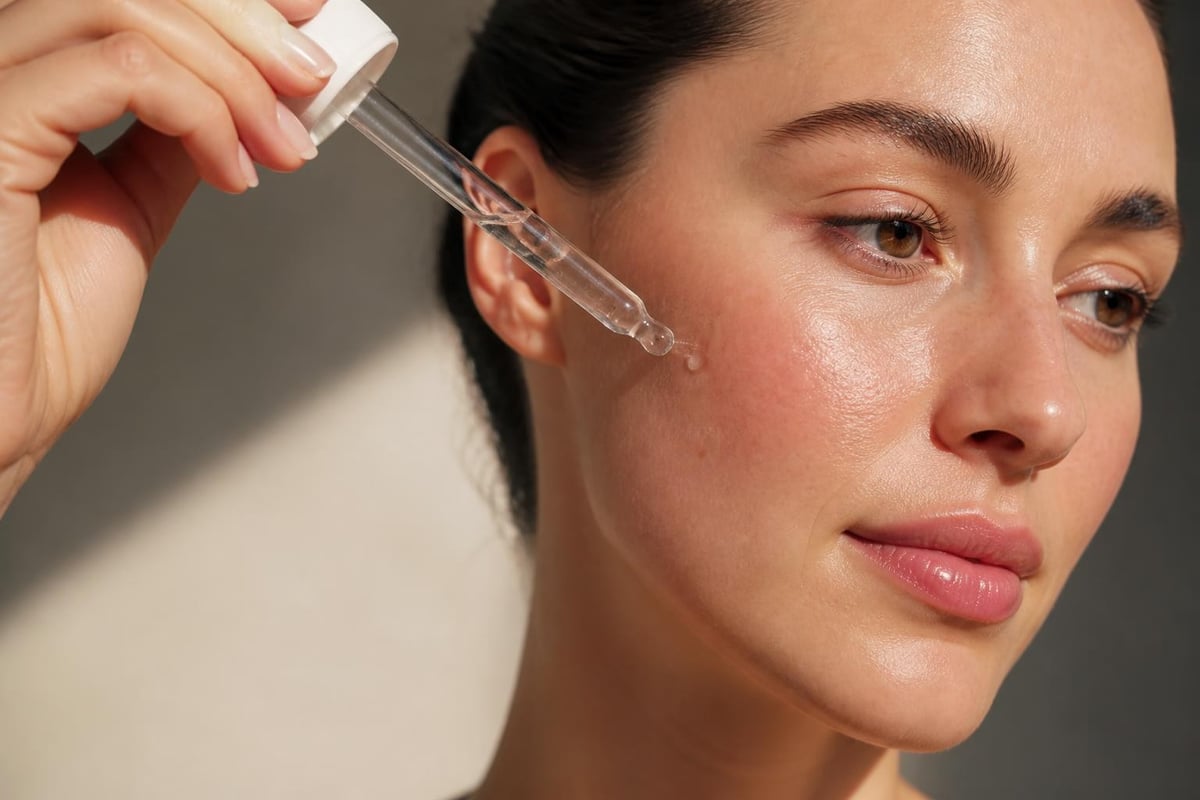
Alpha lipoic acid represents an entirely different alpha skin strategy. This mitochondrial antioxidant functions both as a water-soluble and fat-soluble compound, allowing it to work throughout cellular structures. Unlike AHAs that focus on surface renewal, ALA protects existing skin structures from oxidative damage while supporting cellular energy production.
Research demonstrates that alpha lipoic acid offers multiple skin benefits through its unique biochemical properties. As a universal antioxidant, ALA neutralizes free radicals in both aqueous and lipid environments, providing comprehensive protection against environmental stressors.
Antioxidant Protection and Cellular Energy
Alpha lipoic acid's dual solubility makes it exceptionally versatile in skincare applications. It penetrates cell membranes easily and supports the regeneration of other antioxidants including vitamins C and E, extending their protective effects throughout skin layers.
The compound also plays a crucial role in glucose metabolism within cells, helping maintain optimal energy levels for skin repair and renewal processes. This metabolic support becomes particularly important as natural cellular function declines with chronological aging.
| Property | Alpha Hydroxy Acids | Alpha Lipoic Acid |
|---|---|---|
| Primary Function | Chemical exfoliation | Antioxidant protection |
| Solubility | Water-soluble | Both water and fat-soluble |
| Target Area | Surface layers | All cellular structures |
| Main Benefit | Texture refinement | Free radical neutralization |
| Ideal For | Dull, uneven skin | Environmental damage prevention |
Building an Effective Alpha Skin Routine
Incorporating alpha ingredients requires strategic planning and gradual introduction. Starting with lower concentrations and building tolerance prevents adverse reactions while allowing your skin to adapt to increased cellular turnover rates.
Concentration Guidelines for Safe Use
For alpha hydroxy acids, beginners should start with formulations containing 5-8% AHAs and apply them every second or third evening. As tolerance develops over four to six weeks, you can increase frequency or concentration gradually. Professional-grade products may contain 10-15% AHAs for home use, while clinical treatments can reach 20-30% under supervised application.
Alpha lipoic acid typically appears in concentrations ranging from 1-5% in over-the-counter products. Higher percentages don't necessarily provide better results and may increase the risk of temporary tingling or mild irritation during initial applications.
Step-by-step introduction protocol:
- Conduct a patch test on your inner forearm for 24 hours
- Begin with the lowest available concentration
- Apply to clean, dry skin in the evening only
- Use broad-spectrum sun protection daily without exception
- Monitor skin response and adjust frequency accordingly
- Wait at least 30 days before increasing concentration
The importance of sun protection cannot be overstated when using alpha skin products. AHAs increase photosensitivity by removing protective surface cells, while cellular renewal processes make newly exposed skin more vulnerable to UV damage. Medical guidance on AHA usage consistently emphasizes daily sunscreen application as non-negotiable.
Combining Alpha Ingredients with Other Actives
Understanding ingredient interactions prevents compromised results or unwanted irritation. Some combinations enhance effectiveness, while others should be carefully timed or avoided entirely in the same routine.
Compatible Pairings for Enhanced Results
Alpha lipoic acid pairs well with other antioxidants, creating synergistic protection against oxidative stress. Combining ALA with vitamin C or resveratrol amplifies the benefits of each ingredient. These combinations work harmoniously without competition or degradation when formulated properly.
Hyaluronic acid serves as an excellent companion to both AHAs and ALA. After exfoliation with alpha hydroxy acids, hyaluronic acid replenishes moisture and supports the skin barrier. Following antioxidant application, it provides hydration without interfering with protective functions.
Ingredients to Separate or Avoid
Retinoids and alpha hydroxy acids both accelerate cellular turnover, making simultaneous use potentially too aggressive for most skin types. Alternating these ingredients on different evenings prevents excessive irritation while maintaining the benefits of each. Some experienced users with resilient skin may tolerate both in one routine, but this requires careful monitoring.
Vitamin C at low pH can destabilize when mixed with AHAs, reducing the efficacy of both ingredients. Using vitamin C in morning routines and reserving AHAs for evening application solves this timing conflict effectively.
| Time of Day | Recommended Actives | Avoid Combining |
|---|---|---|
| Morning | ALA, Vitamin C, Niacinamide | Strong AHAs, Retinoids |
| Evening | AHAs or Retinoids (alternating) | AHAs + Retinoids together |
| After Treatment | Hyaluronic acid, Ceramides | High-pH products |
Targeted Treatment with Precision Application
Moving beyond broad application, precision targeting represents an evolved approach to alpha skin strategies. Rather than treating entire facial regions uniformly, identifying specific zones requiring intervention allows for customized concentration and frequency.
Dark spots, post-breakout marks, and textured areas benefit from concentrated alpha hydroxy acid application without exposing surrounding healthy skin to unnecessary exfoliation. This targeted methodology aligns with system-led skincare thinking where each treatment serves a defined purpose.
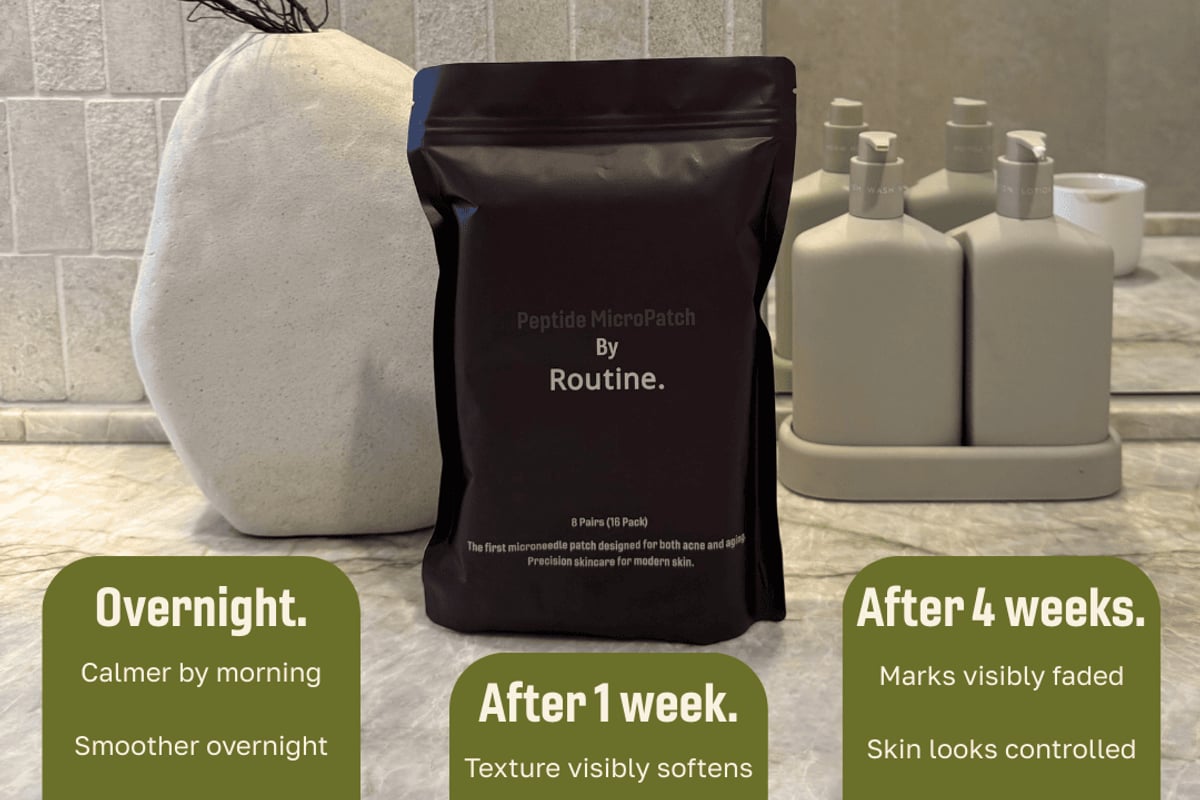
The Routine. Peptide MicroPatch demonstrates this precision philosophy through dissolving micro-tips that deliver actives exactly where needed. By focusing intervention on specific areas requiring brightening or smoothing, you maintain overall skin balance while addressing isolated concerns effectively.
Zone-Specific Application Techniques
Different facial and body areas respond variably to alpha ingredients due to differences in skin thickness, sebum production, and sensitivity levels. Adapting your approach based on these variations optimizes results while minimizing potential irritation.
Application considerations by zone:
- Forehead and nose: Higher sebum production tolerates stronger AHA concentrations
- Cheeks: Often more sensitive, requiring gentler formulations or reduced frequency
- Eye area: Thinner skin demands specifically formulated products with lower concentrations
- Neck and chest: Similar sensitivity to facial skin but often neglected in routines
- Body: Thicker skin on areas like elbows and knees handles higher concentrations effectively
Managing Potential Side Effects and Sensitivities
While alpha skin ingredients offer substantial benefits, understanding potential reactions and management strategies ensures safe, effective use. Temporary adjustment periods differ from genuine adverse reactions requiring product discontinuation.
Normal Adjustment Responses
During the initial two to four weeks of alpha ingredient use, mild tingling, slight redness, or temporary dryness represents normal skin adaptation. These sensations typically subside as your skin builds tolerance to increased exfoliation or antioxidant activity.
Slight flaking or peeling often occurs with AHA use as cellular turnover accelerates. This process, while sometimes aesthetically inconvenient, indicates the product is working as intended. Supporting the skin barrier with appropriate hydration helps manage this transition period comfortably.
When to Modify or Discontinue Use
Persistent burning, significant redness lasting beyond 30 minutes, or developing rashes indicate your skin cannot tolerate the current concentration or frequency. Scaling back application to once or twice weekly or switching to a lower concentration often resolves these issues.
Some individuals experience genuine allergies or sensitivities to specific alpha ingredients. If symptoms worsen rather than improve after the first week, or if you develop welts, significant swelling, or intense itching, discontinue use immediately and consult a dermatologist.
Red flags requiring professional consultation:
- Severe burning sensation during or after application
- Development of blisters or open sores
- Persistent inflammation lasting more than 48 hours
- Increased breakouts beyond initial purging phase
- Hyperpigmentation worsening rather than improving
Alpha Skin Across Different Skin Types
Customizing your alpha ingredient approach based on inherent skin characteristics maximizes benefits while respecting individual limitations. What works brilliantly for oily, resilient skin may prove too aggressive for dry or sensitive types.
Oily and Combination Skin
Higher sebum production and thicker skin structure allow these types to tolerate stronger alpha hydroxy acid concentrations with minimal irritation. Glycolic acid at 10-12% provides effective exfoliation, helping manage excess oil and refining enlarged pores.
Alpha lipoic acid benefits oily skin through its anti-inflammatory properties, which may help regulate sebum production and reduce the inflammatory component of breakouts. The compound's antioxidant effects also protect against oxidative stress that can trigger excess sebum as a protective response.
Dry and Sensitive Skin
These skin types require gentler alpha approaches with lower concentrations and less frequent application. Lactic acid at 5-8% provides exfoliation benefits while offering humectant properties that support moisture retention.
Starting with alpha lipoic acid at 1-2% allows sensitive skin to experience antioxidant protection without the potential irritation that higher concentrations might cause. Pairing alpha ingredients with barrier-supporting ingredients like ceramides and cholesterol helps maintain skin comfort throughout treatment.
Mature and Photo-Damaged Skin
Chronologically aged skin often benefits significantly from both alpha hydroxy acids and alpha lipoic acid used in coordinated protocols. AHAs address accumulated surface damage and sluggish cellular turnover, while ALA provides ongoing protection against continued oxidative damage.
Clinical research on advanced treatments demonstrates that structured skincare regimens incorporating targeted actives can produce measurable improvements in periocular wrinkles and overall skin quality. Consistency matters more than aggressive concentration with mature skin, as barrier function may already be compromised.
Long-Term Alpha Skin Maintenance Strategies
Sustainable results require strategic planning beyond initial treatment phases. Establishing maintenance protocols prevents regression while supporting continued improvement over months and years.
Cycling Concentrations and Frequencies
Rather than using maximum concentrations indefinitely, cycling between higher and lower strengths or alternating treatment days with rest periods prevents excessive cellular stress. This approach maintains steady improvement without overtaxing skin renewal systems.
A common cycling protocol involves using alpha hydroxy acids five days weekly during intensive treatment phases (8-12 weeks), then reducing to three days weekly for maintenance. During rest periods, focus shifts to barrier support and hydration, allowing skin to consolidate gains.
Seasonal Adjustments for Optimal Results
Environmental conditions significantly impact how skin responds to alpha ingredients. Winter's dry air and indoor heating may require reduced AHA frequency or increased moisturization to prevent excessive dryness. Summer's increased UV exposure demands even more vigilant sun protection and potentially lower evening AHA concentrations.
Alpha lipoic acid becomes particularly valuable during summer months when oxidative stress from sun exposure peaks. Its antioxidant properties help mitigate damage from UV radiation, pollution, and heat, complementing sun protection rather than replacing it.
Seasonal modification guidelines:
- Summer: Reduce AHA strength by 2-3%, increase morning antioxidants
- Winter: Increase barrier support, reduce exfoliation frequency slightly
- Spring/Autumn: Ideal for introducing new concentrations or products
- Year-round: Never compromise on broad-spectrum SPF 30+ daily
Professional Treatments Versus Home Care
Understanding the distinction between professional-grade and home-use alpha skin treatments helps set realistic expectations and make informed decisions about when professional intervention provides value.
In-Office Chemical Peels
Professional alpha hydroxy acid peels use concentrations ranging from 20-70%, far exceeding home-use formulations. These treatments require trained application and neutralization, producing more dramatic exfoliation with controlled downtime.
Results from professional peels manifest more quickly than daily home use, making them attractive for event preparation or jumpstarting a new skincare protocol. However, they require recovery periods ranging from a few days for light peels to two weeks for deeper treatments.
Daily Home Maintenance
Lower-concentration alpha products used consistently at home provide gradual improvement with minimal disruption to daily activities. While individual applications produce subtle changes, cumulative effects over months rival professional treatment results without the associated downtime or cost.
The advantage of home-use alpha skin products lies in their integration into sustainable routines. Rather than periodic interventions requiring recovery, daily application maintains steady cellular renewal and protection, supporting long-term skin health rather than temporary improvement.
| Treatment Type | Concentration | Frequency | Downtime | Best For |
|---|---|---|---|---|
| Professional Peel | 20-70% AHA | Every 4-8 weeks | 3-14 days | Rapid improvement, specific events |
| Home Treatment | 5-15% AHA | 3-7 times weekly | None to minimal | Sustainable long-term maintenance |
| Clinical ALA | 5-10% | As prescribed | Minimal | Intensive antioxidant support |
| Home ALA | 1-5% | Daily | None | Ongoing protection, daily defense |
Integrating Alpha Skin Into System-Led Skincare
Moving beyond isolated product use, alpha ingredients achieve optimal results when integrated into comprehensive, purposeful skincare systems. Rather than adding multiple products with overlapping functions, structured approaches assign specific roles to each element.
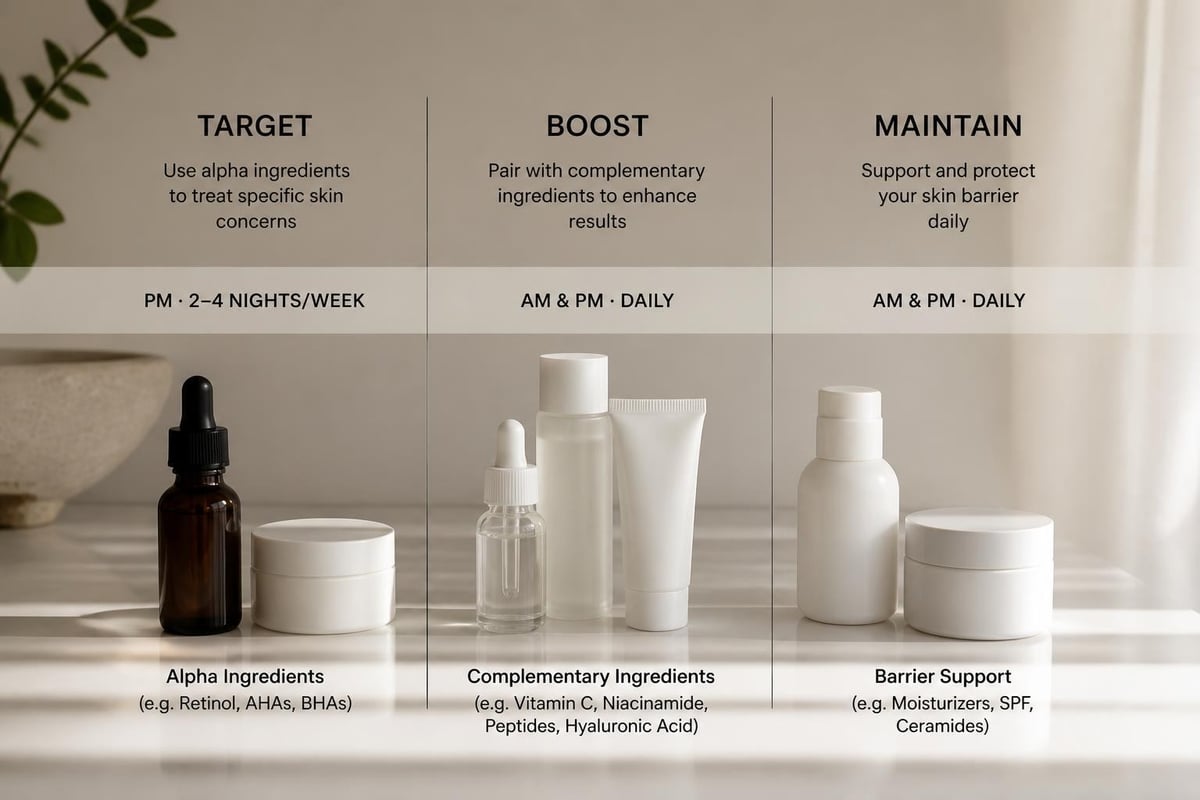
The Target-Boost-Maintain Framework
This systematic approach recognizes that different products serve distinct purposes within a routine. Alpha ingredients typically function in the Target phase, addressing specific concerns like texture irregularity, discoloration, or oxidative damage through precise intervention.
Targeted application of alpha hydroxy acids to areas requiring refinement avoids overtreating healthy skin. Similarly, concentrating alpha lipoic acid in zones experiencing visible oxidative stress (often the cheeks and forehead) provides protection where it matters most without unnecessary application to less affected areas.
Supporting Alpha Treatments with Appropriate Maintenance
Following targeted intervention with alpha ingredients, maintenance products restore balance and support barrier function. Lightweight, hydrating formulas replenish moisture without overwhelming skin or interfering with treatment efficacy.
The maintenance phase becomes particularly important when using alpha hydroxy acids, as exfoliation temporarily compromises the skin barrier. Ingredients like hyaluronic acid, glycerin, and ceramides help restore protective function while supporting newly revealed skin cells.
Boosting Alpha Effectiveness with Complementary Technologies
Light therapy represents a non-chemical approach that complements alpha skin strategies effectively. Red light supports cellular energy production and collagen synthesis, while blue light addresses bacterial concerns that may emerge during increased cellular turnover.
When combined thoughtfully with alpha ingredient application, these modalities create synergistic effects. Light therapy in the morning supports cellular function throughout the day, while evening alpha ingredient application works during the natural repair cycle that occurs during sleep.
Monitoring Progress and Adjusting Protocols
Measuring the effectiveness of alpha skin strategies requires objective assessment methods and realistic timeframes. Visible improvements develop gradually, making documentation essential for recognizing progress that might otherwise go unnoticed.
Establishing Baseline Measurements
Before beginning any alpha ingredient protocol, photograph your skin under consistent lighting from multiple angles. Weekly or bi-weekly comparison images reveal subtle improvements in texture, tone, and overall clarity that daily mirror observations might miss.
Beyond visual documentation, noting subjective measures like skin feel, product absorption rates, and how makeup applies provides additional progress indicators. These qualitative assessments complement photographic evidence, creating a comprehensive picture of how your skin responds to treatment.
Determining When to Modify Your Approach
If you notice no improvement after eight to ten weeks of consistent use, reassessment becomes necessary. Ensure you're using appropriate concentrations for your skin type, applying products correctly, and maintaining adequate sun protection. Sometimes, switching from one alpha ingredient to another (for example, from glycolic to mandelic acid) produces better results due to individual skin chemistry.
Conversely, if you achieve desired results, maintaining them requires transitioning from intensive treatment to sustainable maintenance frequencies. Reducing application from daily to three or four times weekly often preserves improvements while giving skin regular recovery periods.
Progress evaluation checklist:
- Document changes through photography every two weeks
- Assess texture by touch weekly
- Monitor any irritation or sensitivity changes
- Note improvements in specific concern areas
- Track product absorption and skin response
- Review sun protection compliance daily
Alpha skin strategies, whether through exfoliating hydroxy acids or protective lipoic acid, offer scientifically supported pathways to healthier, more refined skin when applied with knowledge and consistency. The key lies in matching ingredients and concentrations to your specific needs while supporting treatments with appropriate maintenance. Routine. Beauty provides a structured ecosystem where each product serves one defined role, from targeted interventions like precision MicroPatches to complementary light therapy and supporting formulas, helping you build sustainable confidence through disciplined, purposeful skincare.

