


The skincare landscape has evolved considerably over recent years, with one ingredient category emerging as both versatile and transformative: skin oil for face applications. Once dismissed as pore-clogging or unsuitable for oily complexions, facial oils have reclaimed their position as essential components of sophisticated skincare routines. Understanding how these concentrated botanical extracts function, which formulations suit specific skin needs, and how to integrate them into a disciplined approach can fundamentally shift your skin's behaviour and appearance.
Understanding How Skin Oil for Face Products Actually Work
Facial oils operate through multiple mechanisms that extend far beyond simple surface hydration. These lipid-rich formulations interact with your skin's natural barrier, supplementing the sebum your skin produces while delivering active compounds directly into the epidermis.
The stratum corneum-your skin's outermost layer-consists of dead skin cells held together by lipids. When this barrier weakens due to environmental stress, harsh cleansing, or natural ageing, moisture escapes and irritants penetrate more easily. Quality skin oil for face applications reinforces this barrier, filling microscopic gaps and preventing trans-epidermal water loss.
The Science Behind Oil Absorption
Different oils possess distinct molecular structures that determine how deeply they penetrate. Lighter oils like squalane and jojoba oil closely mimic human sebum, allowing rapid absorption without residue. Heavier oils such as argan or evening primrose create a protective occlusive layer that seals in moisture.
According to Paula's Choice research on facial oils, these formulations also deliver antioxidants, vitamins, and essential fatty acids that support cellular function and protect against oxidative damage. This dual action-barrier support plus active delivery-explains why skin oil for face products have become foundational rather than supplementary.

Matching Skin Oil for Face Formulations to Your Specific Skin Type
The misconception that facial oils suit only dry skin has prevented many from experiencing their benefits. In reality, every skin type can benefit from appropriately selected oils.
Oily and Acne-Prone Skin
Counterintuitively, certain oils actually regulate sebum production in oily complexions. Jojoba oil closely resembles human sebum, signalling to your skin that sufficient oil exists, which can reduce overproduction. Lightweight options include:
- Jojoba oil: Balances sebum, offers antibacterial properties
- Squalane: Non-comedogenic, absorbs instantly
- Rosehip seed oil: Anti-inflammatory, helps fade post-acne marks
- Hemp seed oil: Controls excess oil while maintaining hydration
These formulations provide necessary lipids without triggering breakouts, particularly when applied to damp skin in minimal quantities.
Dry and Dehydrated Skin
Parched complexions require richer formulations that create lasting occlusion. The best skin oil for face products for dry skin contains higher concentrations of omega fatty acids and ceramides.
| Oil Type | Key Benefits | Best Application Time |
|---|---|---|
| Marula oil | High antioxidants, deeply nourishing | Evening, after serum |
| Argan oil | Vitamin E-rich, repairs barrier damage | Morning and evening |
| Evening primrose | Gamma-linolenic acid, soothes inflammation | Night-time only |
| Sea buckthorn | Omega-7, promotes skin regeneration | Evening routine |
Combination Skin
Mixed skin types require strategic application rather than avoiding oils altogether. Apply lightweight oils to dry zones while using minimal amounts on oily areas, or consider multi-targeting formulations that balance without overwhelming.
Sensitive and Reactive Skin
Gentle, single-ingredient oils minimize reaction risk. Calendula, chamomile-infused oils, and pure squalane offer anti-inflammatory benefits without common irritants. Always patch-test new formulations, introducing one oil at a time over several weeks.
Key Active Ingredients in Premium Skin Oil for Face Products
Beyond the base oil, sophisticated formulations incorporate targeted actives that address specific concerns. Understanding these components helps you select products aligned with your skin goals.
Antioxidant Powerhouses
Vitamin E (tocopherol), vitamin C derivatives, and coenzyme Q10 neutralize free radicals that accelerate ageing. These antioxidants work synergistically with your skin's natural defence mechanisms, particularly important for Australian climates where UV exposure remains high year-round.
Retinol and Bakuchiol
Some advanced facial oils incorporate vitamin A derivatives or bakuchiol, a plant-based retinol alternative. These ingredients accelerate cell turnover, refine texture, and stimulate collagen production. When delivered in an oil base, they often cause less irritation than traditional retinol serums.
Essential Fatty Acids
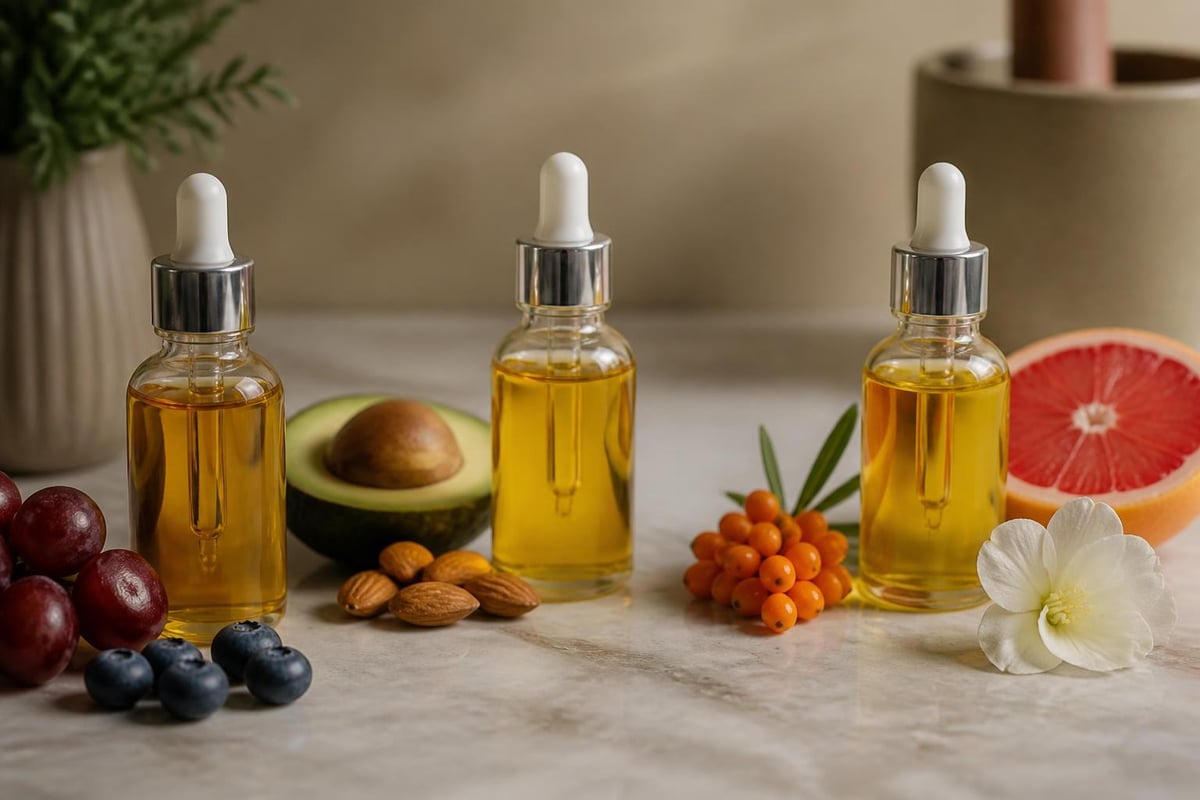
Omega-3, omega-6, and omega-9 fatty acids support skin barrier function and reduce inflammation. Rosehip oil, rich in these compounds, demonstrates particular effectiveness in reducing hyperpigmentation and fine lines.
- Linoleic acid (omega-6): Strengthens barrier, reduces acne
- Alpha-linolenic acid (omega-3): Anti-inflammatory properties
- Oleic acid (omega-9): Deep moisturization, enhanced absorption
How to Properly Apply Skin Oil for Face in Your Routine
Application technique significantly impacts results. Many users apply too much product or position oils incorrectly within their routine sequence, diminishing effectiveness.
The Correct Sequence
Skincare should progress from thinnest to thickest consistency. After cleansing and toning, apply water-based serums first, allowing them to absorb for 30-60 seconds. Skin oil for face products should follow, not precede, aqueous treatments.
The oil creates a semi-occlusive seal that prevents underlying products from evaporating while continuing to deliver its own actives. This layering maximizes both immediate hydration and long-term barrier support.
Application Methods
The warming technique produces superior results:
- Dispense 3-5 drops into your palm
- Rub palms together to warm the oil
- Press gently into skin, starting from the centre of the face outward
- Use upward motions to support lymphatic drainage
- Don't forget neck and décolletage
Alternatively, apply oil to damp skin immediately after cleansing. The water content helps distribute the oil evenly while the oil traps that moisture within your skin.
Frequency and Timing
Most skin types benefit from twice-daily application, though oily complexions may prefer evening-only use. Morning application should precede sunscreen-quality facial oils won't interfere with SPF efficacy when properly absorbed.
For targeted treatment, applying a lightweight serum like Refresh My Cheeks first can help replenish moisture balance and calm the skin, creating an ideal foundation for your chosen facial oil to seal in those benefits.

Common Mistakes When Using Skin Oil for Face
Even premium formulations underperform when application errors occur. Recognizing these pitfalls helps you maximize your investment.
Using Too Much Product
Facial oils are concentrated-three to five drops suffice for most faces. Excess oil sits on the surface, potentially clogging pores or creating an unpleasant greasy feel. If your skin appears shiny hours after application, reduce your dosage.
Applying to Completely Dry Skin
Oils work best when they have moisture to seal in. Apply to slightly damp skin or layer over a hydrating essence for enhanced absorption and efficacy.
Skipping Patch Tests
Even natural oils can trigger allergic reactions or sensitivities. Test new products on your inner forearm for 24-48 hours before facial application, particularly if you have reactive skin or known allergies.
Ignoring Storage Requirements
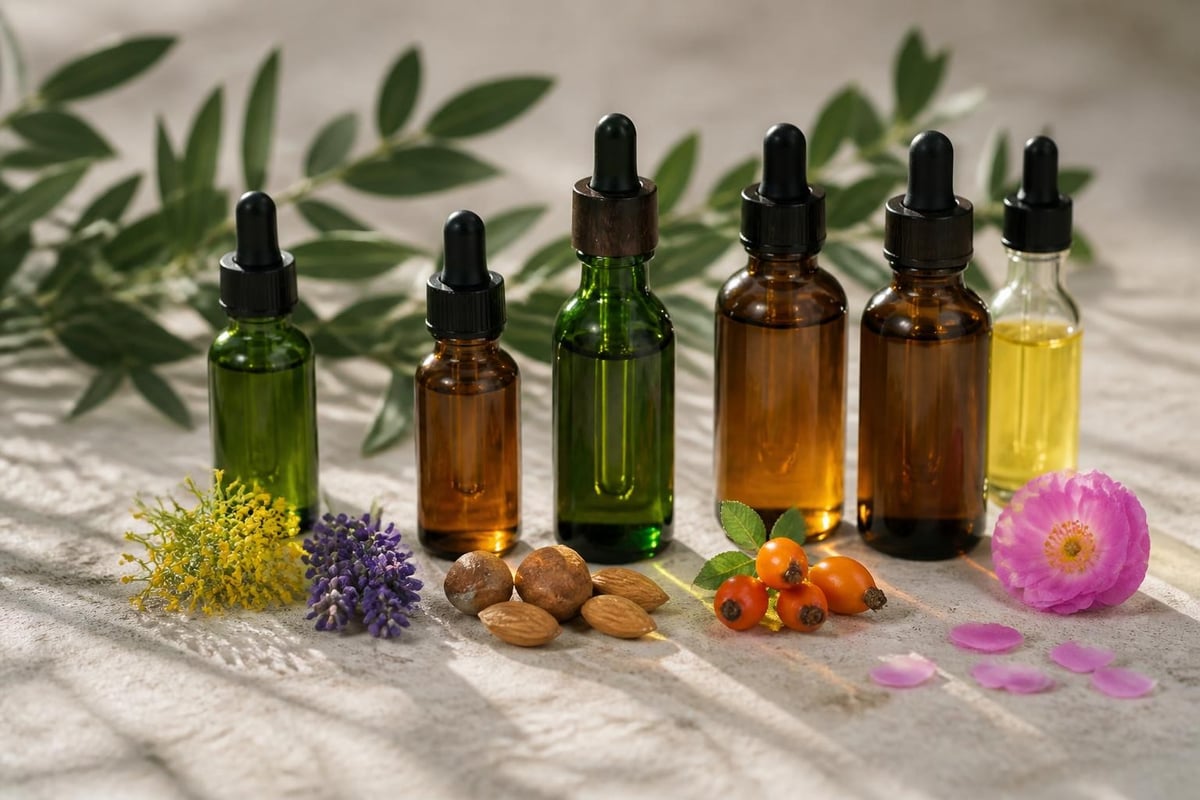
Light, heat, and air degrade delicate plant oils. Store products in cool, dark locations, preferably in opaque or amber glass bottles. Most oils maintain potency for 6-12 months after opening-check for rancid smells or texture changes.
Mixing Incompatible Products
Some active ingredients become unstable or irritating when combined with oils. Vitamin C formulations, certain exfoliants, and some prescription treatments may require separate application timing from your skin oil for face routine.
Targeted Concerns: Choosing Skin Oil for Face by Specific Goals
Different botanical oils excel at addressing particular skin concerns. Strategic selection based on your primary goals produces faster, more visible results.
Anti-Ageing and Wrinkle Reduction
Rosehip, pomegranate seed, and argan oils contain high concentrations of vitamins A and C, which stimulate collagen production and reduce fine lines. Research from the Cleveland Clinic on face oils confirms that consistent use of antioxidant-rich oils can improve skin elasticity and reduce visible ageing signs.
Hyperpigmentation and Uneven Tone
Oils containing vitamin C, licorice root extract, or alpha-arbutin help fade dark spots. Rosehip seed oil shows particular promise due to its trans-retinoic acid content, which accelerates cell turnover without the irritation of synthetic retinoids.
Acne Scarring and Texture
Non-comedogenic oils with anti-inflammatory properties-particularly tea tree, black cumin seed, and tamanu oils-support healing while preventing new breakouts. These should complement, not replace, targeted treatments for active acne.
Redness and Sensitivity
Calendula-infused oils, chamomile oil, and blue tansy offer potent anti-inflammatory benefits. Their soothing compounds calm reactive skin while strengthening the barrier against future irritation.
| Concern | Primary Oils | Secondary Benefits |
|---|---|---|
| Fine lines | Rosehip, argan, pomegranate | Brightening, firming |
| Dark spots | Rosehip, sea buckthorn, carrot seed | Even tone, radiance |
| Acne scars | Tamanu, black seed, rosehip | Texture refinement, healing |
| Dehydration | Marula, squalane, jojoba | Barrier repair, plumping |
| Sensitivity | Calendula, chamomile, oat oil | Calming, barrier support |
Integrating Skin Oil for Face into a System-Led Approach
Modern skincare success stems from consistency and strategic product relationships rather than accumulating numerous individual items. A disciplined routine framework ensures each product-including your facial oil-fulfills a specific, non-redundant function.
The Target-Boost-Maintain Philosophy
Target addresses specific concerns with precision treatments. Boost amplifies results through supportive technologies or intensive actives. Maintain preserves improvements with consistent, barrier-supporting formulations.
Skin oil for face products typically function in the maintain category, though specialized formulations may serve targeting or boosting purposes. Understanding this positioning prevents redundancy and ensures your routine remains streamlined.
Building Around Core Functions
Rather than purchasing multiple facial oils, select one high-quality formulation suited to your skin type and primary concern. Pair it with complementary products that address different needs through different mechanisms-perhaps a vitamin C serum for brightening, a targeted treatment for spots, and your facial oil for barrier support and delivery enhancement.
Monitoring and Adjusting
Your skin's needs shift with seasons, stress levels, hormonal changes, and age. A disciplined approach includes regular assessment-every 4-6 weeks-to determine whether your current skin oil for face formula still serves you optimally or requires adjustment.
The Role of Multi-Sensory Experience in Oil Application
Skincare extends beyond chemical efficacy into ritual and sensory engagement. The texture, scent, and application process of facial oils contribute to both adherence and results.
Texture Preferences
Oils range from thin, fast-absorbing liquids to rich, luxurious formulations. Your texture preference significantly impacts consistent use-if you dislike how a product feels, you'll eventually abandon it regardless of its benefits.
Dry oils (squalane, rosehip) absorb rapidly with minimal residue, ideal for morning routines or humid climates. Rich oils (argan, marula) provide sensory luxury suited to evening rituals and dry environments.
Scent Considerations
Natural botanical oils carry inherent fragrances ranging from neutral (squalane) to distinctive (rosehip, sea buckthorn). While added fragrances increase sensitivity risk, naturally occurring scents can enhance or detract from your experience.
Choose formulations whose natural aroma you find pleasant or genuinely unscented options if you're sensitive. The psychological benefits of an enjoyable ritual shouldn't be underestimated-they support the consistency that produces results.
Ritual Integration
Transform oil application into a brief facial massage, incorporating gentle pressure points and upward strokes. This enhances absorption, supports lymphatic drainage, and reduces tension-creating compounding benefits beyond the oil's chemical composition.
Sustainability and Sourcing in Premium Facial Oils
As consumers become more environmentally conscious, the sourcing and production methods behind skin oil for face products warrant consideration.
Ethical Harvesting Practices
Many botanical oils come from regions where harvesting practices impact local ecosystems and communities. Fair trade certification, organic farming, and sustainable wildcrafting indicate responsible sourcing.
Argan oil cooperatives in Morocco, for instance, support women's employment while protecting argan forests. Cold-pressed, organic certifications ensure minimal processing and chemical-free cultivation.
Packaging Considerations
Glass bottles-particularly amber or cobalt glass-protect oil integrity while offering recyclability. Pump dispensers minimize air exposure that degrades formulations, extending product life and reducing waste.
Supply Chain Transparency
Premium brands increasingly provide traceability from farm to bottle. This transparency ensures quality control, confirms ethical practices, and allows consumers to make informed decisions aligned with their values.
Seasonal Adjustments for Skin Oil for Face Applications
Australian climate variations-from tropical humidity to alpine cold-require seasonal flexibility in facial oil selection and application.
Summer and Humid Conditions
Lighter formulations prevent congestion when humidity is high. Squalane, jojoba, and rosehip absorb quickly without adding surface oil. Reduce quantity-two to three drops may suffice-and consider evening-only application if you're prone to midday shine.
Winter and Dry Conditions
Colder months with indoor heating strip moisture from skin. Richer oils like marula, argan, and evening primrose provide necessary occlusion. Increase application frequency and quantity, potentially adding a second layer to particularly dry areas.
Transitional Seasons
Spring and autumn may require hybrid approaches-lighter oils applied more frequently, or alternating between formulations based on daily conditions.
- Monitor your skin's feedback daily
- Adjust oil weight (lighter/heavier) as needed
- Modify application quantity before changing products
- Consider climate-controlled storage for temperature-sensitive oils
Professional Treatments vs. At-Home Skin Oil for Face Care
While professional facials offer intensive benefits, consistent at-home care with quality facial oils often produces more significant long-term results.
Professional Advantages
Aestheticians access higher-strength formulations and can combine oils with technologies like LED therapy, ultrasound, or microneedling for enhanced penetration. Professional assessment also identifies the most appropriate oils for your current skin state.
At-Home Consistency
Daily application outweighs monthly professional treatments for most concerns. Skin cell turnover occurs over 28-40 day cycles-consistent support throughout this process produces cumulative improvements that sporadic intensive treatments cannot match.
A comprehensive guide on face oils emphasizes that selecting the right formulation for home use and applying it correctly twice daily will typically deliver superior results compared to relying solely on periodic professional care.
Combining Both Approaches
Optimal outcomes emerge from professional treatments that address specific concerns intensively, supported by appropriate at-home maintenance. Your daily skin oil for face application preserves and extends professional treatment benefits.
Debunking Persistent Myths About Facial Oils
Despite growing acceptance, misconceptions about skin oil for face products persist, preventing many from experiencing their benefits.
Myth: Oils Cause Breakouts in Everyone
Reality: Non-comedogenic oils don't clog pores. Breakouts typically result from using inappropriate formulations (heavy oils on acne-prone skin), applying too much product, or not cleansing adequately before application.
Myth: Oily Skin Should Never Use Face Oils
Reality: The right oils actually regulate sebum production. Lightweight options like jojoba and squalane signal to sebaceous glands that sufficient oil exists, potentially reducing overproduction.
Myth: All Natural Oils Are Equally Safe
Reality: Natural doesn't guarantee safety or suitability. Some botanical oils cause allergic reactions, photo-sensitivity, or hormonal disruption. Quality, appropriate selection, and patch testing remain essential.
Myth: Oils Replace Moisturizer
Reality: Most facial oils function as occlusives, sealing in moisture rather than providing it. Dehydrated skin still requires humectants (hyaluronic acid, glycerin) to attract water before applying oil to prevent its loss.
Myth: More Expensive Equals Better Results
Reality: Price reflects branding, packaging, and marketing as much as quality. Many affordable, single-ingredient oils (pure squalane, jojoba, rosehip) outperform expensive blends with fancy formulations.
Future Innovations in Skin Oil for Face Technology
The facial oil category continues evolving with scientific advances and consumer demand driving innovation.
Encapsulation Technology
Microencapsulated actives within oil bases allow time-released delivery, extending efficacy and reducing irritation from potent ingredients. This technology makes incorporating retinoids, vitamin C, and peptides into oil formulations more viable.
Biomimetic Formulations
Scientists increasingly develop synthetic oils that precisely replicate beneficial natural compounds without environmental impact or supply chain limitations. These biomimetic alternatives offer consistency, purity, and sustainability.
Personalized Blending
Advances in skin analysis technology-potentially leveraging artificial intelligence for detailed assessment-may enable truly personalized facial oil formulations tailored to your specific barrier composition, concerns, and environmental factors.
Enhanced Absorption Systems
Research into penetration enhancers and delivery mechanisms continues. Future skin oil for face products may incorporate technologies ensuring actives reach target depths more efficiently, potentially reducing required product quantities while improving results.
Combining Oils: Creating Custom Blends for Specific Needs
While single-ingredient oils offer simplicity and minimize reaction risk, strategic blending can address multiple concerns simultaneously.
Basic Blending Principles
Start with a base oil (60-70% of total) suited to your skin type-jojoba for oily skin, argan for dry, squalane for sensitive. Add treatment oils (20-30%) targeting specific concerns, then optional essential oils (1-2%) for therapeutic benefits or fragrance.
Sample Blend Formulations
Anti-ageing blend:
- 60% argan oil (base, vitamin E)
- 30% rosehip seed oil (vitamin A)
- 10% pomegranate seed oil (antioxidants)
Acne-prone blend:
- 70% jojoba oil (sebum-regulating base)
- 20% tamanu oil (antibacterial, healing)
- 10% hemp seed oil (anti-inflammatory)
Blending Safety
Use sterilized containers and tools. Store custom blends in dark glass bottles away from light and heat. Make small quantities (30ml or less) to ensure freshness. Label clearly with ingredients and creation date, discarding after three months.
When to Skip Blending
If you have reactive skin, established allergies, or limited skincare experience, single-ingredient oils offer safer experimentation. Professional formulations also undergo stability and safety testing that home blending cannot replicate.
Long-Term Results: What to Expect from Consistent Use
Realistic expectations support adherence to your routine and prevent premature product abandonment.
Timeline for Visible Changes
Weeks 1-2: Improved hydration, softer texture, reduced tightness Weeks 3-4: Enhanced radiance, more even tone, decreased sensitivity Weeks 6-8: Refined texture, reduced fine lines, fading hyperpigmentation Months 3-6: Significant barrier improvements, sustained clarity, visible anti-ageing effects
Remember that skin cell turnover requires approximately four weeks. Comprehensive improvements typically emerge after completing 2-3 full turnover cycles with consistent skin oil for face application.
Factors Affecting Results
Sun protection remains non-negotiable-UV damage undermines oil benefits. Diet, hydration, and sleep influence skin health independent of topical treatments. Stress management impacts inflammation and barrier function. Facial oils work synergistically with these lifestyle factors, not despite them.
Plateau Management
After initial improvements, progress may seem to stall. This often indicates your skin has reached a new equilibrium. At this point, your skin oil for face product transitions from corrective to preventative, maintaining gains and protecting against future damage.
The Economic Perspective: Cost-Effectiveness of Quality Face Oils
Premium skin oil for face products often appear expensive per bottle, yet their cost-per-use frequently beats seemingly affordable alternatives.
Concentration and Dosage
Because oils are concentrated and require only 3-5 drops per application, a 30ml bottle typically lasts 3-4 months with twice-daily use. This translates to roughly $0.50-$2.00 per day depending on the product-comparable to or cheaper than many serums and moisturizers.
Multifunctional Benefits
A quality facial oil can replace or reduce need for separate products-perhaps eliminating dedicated eye cream, neck treatments, or additional serums. This consolidation simplifies routines while potentially reducing overall skincare expenditure.
Longevity and Preservation
Unlike water-based products that require extensive preservative systems, pure oils remain stable longer when properly stored. This extended shelf life reduces waste from expired products.
| Product Type | Average Cost | Typical Duration | Cost Per Day |
|---|---|---|---|
| Premium facial oil (30ml) | $45-$80 | 3-4 months | $0.50-$0.88 |
| Budget facial oil (30ml) | $15-$25 | 3-4 months | $0.16-$0.27 |
| Facial moisturizer (50ml) | $40-$70 | 2 months | $0.66-$1.16 |
| Facial serum (30ml) | $60-$120 | 1-2 months | $1.00-$4.00 |
Investment vs. Expense
View quality skin oil for face products as investments rather than expenses. Their role in preventing future damage, potentially reducing professional treatment needs, and supporting overall skin health creates value beyond immediate cosmetic improvement.
Selecting the right skin oil for face and applying it correctly within a disciplined routine creates transformative long-term results across all skin types and concerns. By understanding how these concentrated botanical formulations work, matching them to your specific needs, and maintaining consistency over multiple skin turnover cycles, you build genuine skin confidence rather than chasing temporary fixes. Routine. Beauty offers a system-led approach where each product fulfills one defined role, eliminating guesswork and creating sustainable skincare habits that support your skin's health for years to come.

