


Pregnancy transforms your body in countless ways, and your skin is no exception. Hormonal shifts can trigger unexpected breakouts, sensitivity, pigmentation changes, and dryness that challenge even the most established skincare routines. For those who've embraced the innovation and gentleness of Korean beauty, the question becomes urgent: which products remain safe during this delicate phase? Understanding korean skincare safe for pregnancy requires more than scanning ingredient lists. It demands a clear framework for evaluating formulations, recognising restricted actives, and rebuilding your routine around both efficacy and caution.
The Science Behind Pregnancy Skincare Restrictions
Pregnancy safety in skincare centres on two core principles: systemic absorption and foetal development risk. Not all topical ingredients penetrate deeply enough to reach your bloodstream, but some do, and certain compounds have been linked to developmental concerns or hormonal disruption during critical growth phases.
The challenge with korean skincare safe for pregnancy isn't the origin of the products but rather the specific actives they contain. Korean formulations often prioritise gentle, hydrating ingredients like centella asiatica, hyaluronic acid, and fermented extracts. However, pregnancy-safe Korean skincare still requires careful vetting because many innovative products incorporate potent actives that fall into restricted categories.
Ingredients to Avoid Completely
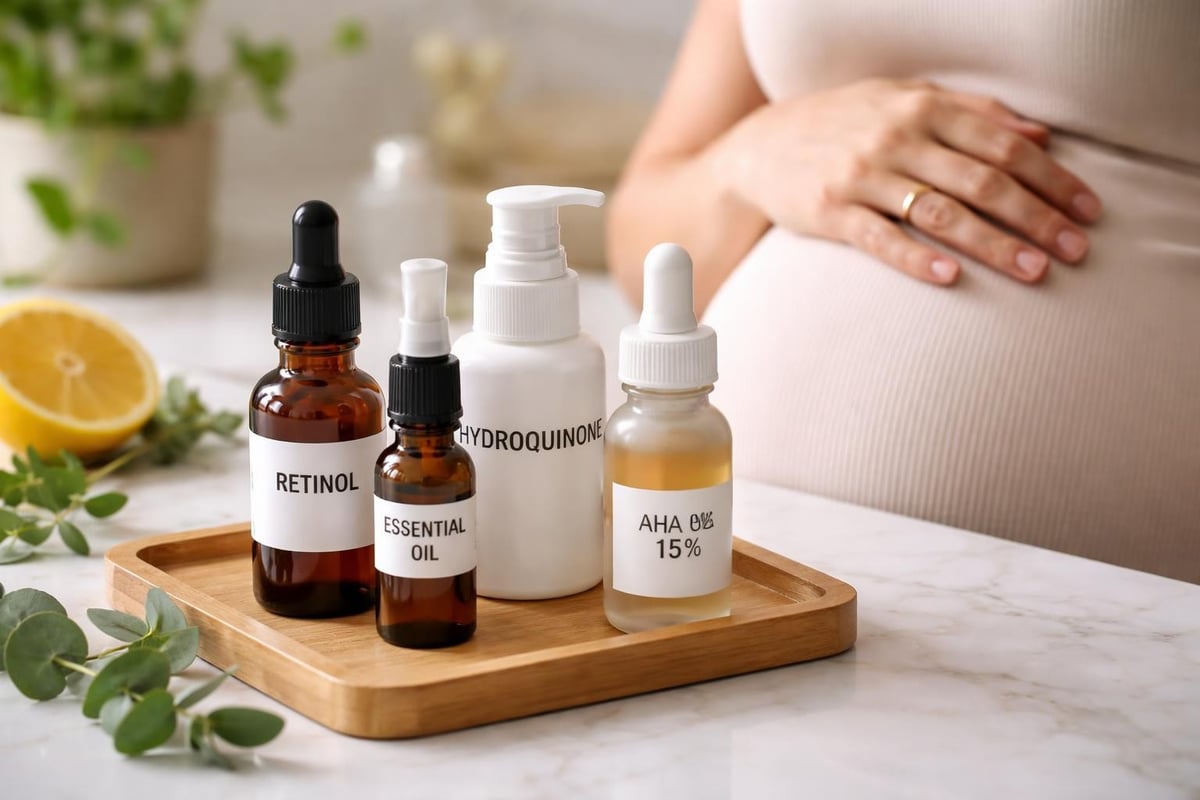
Several categories of ingredients consistently appear on restricted lists for pregnant individuals:
- Retinoids and retinol derivatives (including retinyl palmitate, adapalene, tretinoin)
- Hydroquinone for pigmentation treatment
- High-dose salicylic acid (BHAs above 2% concentration)
- Essential oils in high concentrations (particularly rosemary, sage, and clary sage)
- Chemical sunscreen filters like oxybenzone and avobenzone (debated, but many choose mineral alternatives)
- Formaldehyde-releasing preservatives
Korean skincare safe for pregnancy means scrutinising every serum, toner, and cream for these compounds. Pregnancy skincare safety extends beyond obvious anti-aging treatments to include spot treatments, sleeping masks, and even some sheet masks that use advanced delivery systems for potent actives.
Building Your Pregnancy-Safe Korean Routine
The Target. Boost. Maintain. philosophy becomes particularly relevant during pregnancy. Rather than layering endless products with uncertain safety profiles, you need a disciplined system where each product serves one clear purpose with verified safe ingredients.
Cleansing Without Disruption
First cleansers and oil-based balms remain generally safe during pregnancy, provided they avoid essential oil concentrations above 1-2%. Most Korean cleansing oils use mineral oil, rice bran oil, or grape seed oil as their base, making them suitable choices.
Water-based second cleansers should prioritise pH balance and gentle surfactants. Look for formulations with:
- Coconut-derived cleansing agents
- Amino acid surfactants
- Low pH (5.0-6.0) to support barrier function
- Minimal fragrance (synthetic or natural)
Avoid cleansers containing salicylic acid or tea tree oil in concentrations above trace amounts. Your skin barrier often becomes more reactive during pregnancy, so even previously tolerated actives may trigger sensitivity.
Toning and Essence Layers
Korean toners and essences represent some of the safest categories for pregnant individuals. Pregnancy-safe Korean toners typically feature hydrating humectants, soothing botanical extracts, and fermented ingredients that support barrier health without penetrating to systemic levels.
| Ingredient Category | Safety Level | Examples |
|---|---|---|
| Fermented Extracts | Generally Safe | Galactomyces, Bifida, Saccharomyces |
| Centella Derivatives | Safe | TECA, Madecassoside, Asiaticoside |
| Hyaluronic Acid | Safe | All molecular weights |
| Niacinamide | Safe (up to 5%) | Vitamin B3 |
| Beta Glucan | Safe | Oat, Mushroom derived |
The hydrating, barrier-supporting nature of Korean toners aligns perfectly with pregnancy skin needs. Hormonal changes often compromise your moisture barrier, making these lightweight hydrators essential rather than optional.
Treating Common Pregnancy Skin Concerns Safely
Pregnancy brings predictable skin challenges: hyperpigmentation (melasma), acne flare-ups, increased sensitivity, and sometimes rosacea-like flushing. Korean skincare safe for pregnancy must address these concerns without crossing into restricted territory.
Managing Hyperpigmentation Without Hydroquinone
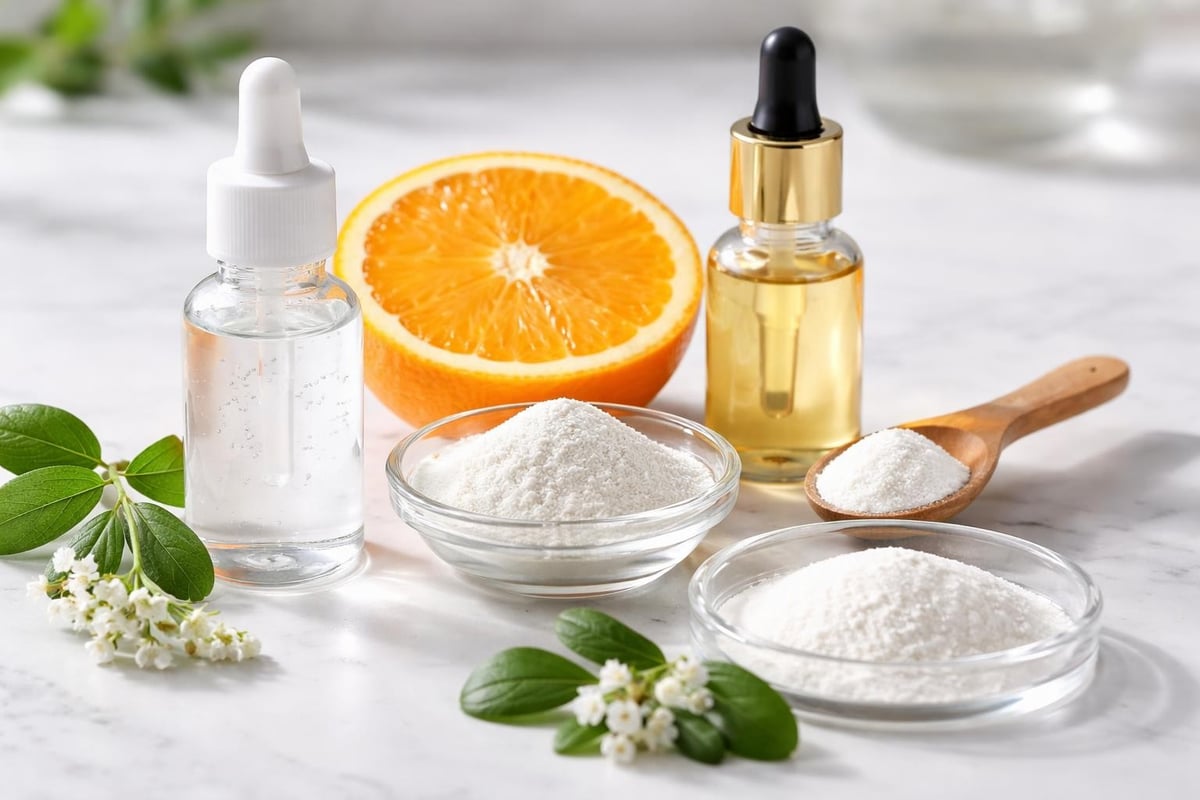
Melasma affects up to 70% of pregnant individuals, creating dark patches typically across the forehead, cheeks, and upper lip. Without access to hydroquinone or strong retinoids, your options shift toward gentler brightening agents.
Safe alternatives include:
- Niacinamide (2-5%): Reduces melanin transfer and strengthens barrier function
- Vitamin C (L-ascorbic acid or derivatives): Antioxidant protection and gentle brightening
- Tranexamic acid: Interrupts melanin synthesis pathways
- Liquorice root extract: Contains glabridin, a tyrosinase inhibitor
- Alpha arbutin: A hydroquinone derivative considered safer in pregnancy
Korean formulations excel at combining these ingredients with hydrating bases that prevent irritation. Korean skincare during pregnancy often features multi-ingredient approaches that deliver cumulative brightening effects without the concentrated punch of restricted actives.
Addressing Pregnancy Acne
Hormonal acne during pregnancy presents a frustrating paradox: your skin breaks out, but your strongest acne-fighting tools are off-limits. Salicylic acid becomes controversial (wash-off products under 2% are generally considered acceptable, but leave-on treatments spark debate), and retinoids are completely restricted.
Korean skincare safe for pregnancy offers several acne-management strategies:
- Azelaic acid (up to 20%): Addresses both acne and hyperpigmentation, considered safe during pregnancy
- Low-concentration lactic acid or glycolic acid (AHAs under 10%): Gentle exfoliation without the controversy surrounding BHAs
- Centella asiatica: Anti-inflammatory and wound-healing properties that calm active breakouts
- Green tea extract: Antioxidant and sebum-regulating without systemic absorption concerns
- Propolis: Natural antimicrobial with barrier-supporting benefits
The key is consistency rather than potency. Where you might have previously used a 2% BHA exfoliant three times weekly, pregnancy-safe alternatives require daily application with gentler concentrations to achieve similar results over longer timeframes.
Hydration and Barrier Support During Pregnancy
Pregnancy hormones frequently disrupt your skin's moisture retention capacity, leading to dehydration, flaking, and increased sensitivity. Korean skincare safe for pregnancy shines in this domain because hydration forms the foundation of K-beauty philosophy regardless of age or condition.
Layering Hydrators Effectively
The seven-skin method (applying multiple thin layers of hydrating toner) becomes particularly valuable during pregnancy when your skin thirsts for moisture but may react poorly to heavy occlusives.
Layering strategy for pregnancy skin:
- First layer: Watery essence with fermented ingredients (Galactomyces, Bifida)
- Second layer: Hyaluronic acid toner (multiple molecular weights)
- Third layer: Centella or madecassoside solution for soothing
- Seal: Lightweight emulsion with ceramides and cholesterol
This approach delivers intense hydration without overwhelming compromised skin or introducing questionable actives. Each layer serves a specific function: humectants draw moisture in, botanical extracts calm inflammation, and barrier-supporting lipids prevent water loss.
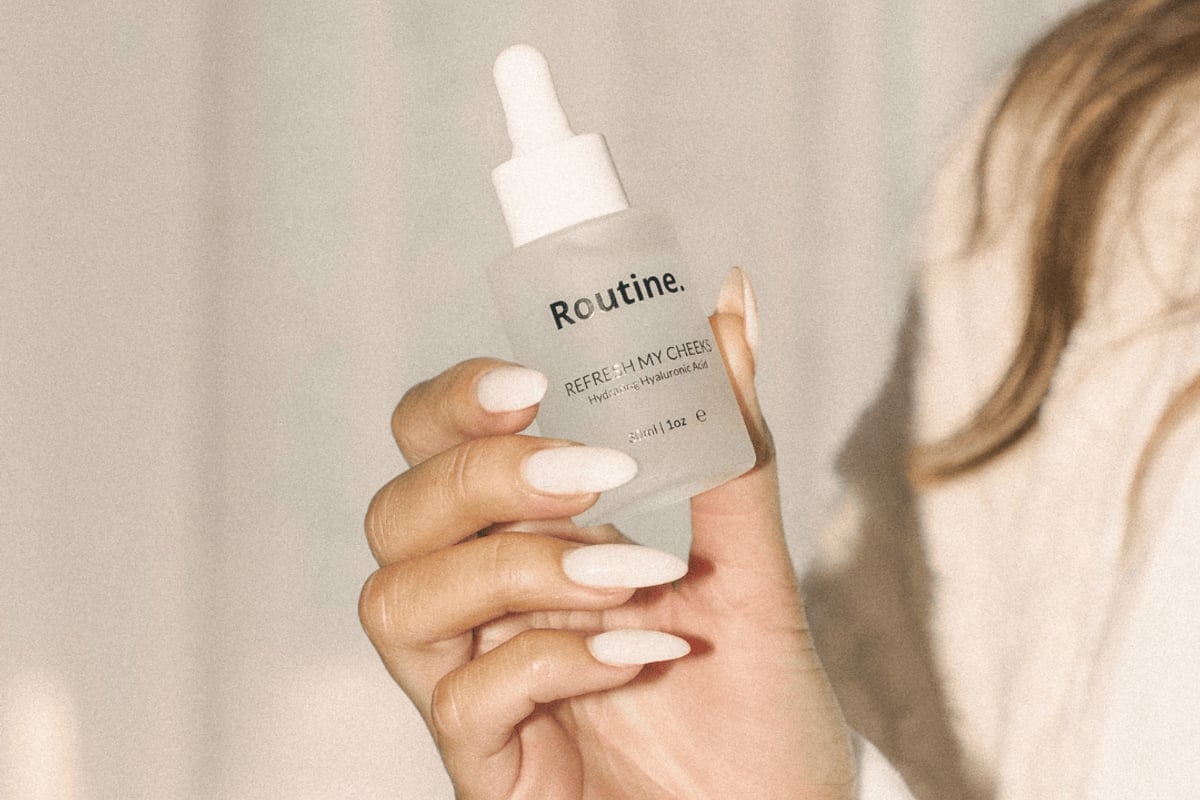
After targeted treatments that address specific concerns, maintaining that improvement becomes critical. Products like Refresh My Cheeks provide the lightweight, soothing hydration that pregnancy skin craves. With a focus on moisture balance and calming support, it helps maintain clearer, more comfortable skin without introducing restricted actives.
Occlusives and Sleeping Masks
Final-step occlusives prevent transepidermal water loss (TEWL), which often increases during pregnancy. Korean sleeping masks typically use safe occlusives like:
| Occlusive Type | Safety Level | Skin Feel |
|---|---|---|
| Squalane | Safe | Lightweight, non-greasy |
| Shea Butter | Safe | Rich, nourishing |
| Ceramides | Safe | Silky, barrier-repairing |
| Petrolatum | Safe | Heavy, very occlusive |
| Dimethicone | Safe | Smooth, protective |
Avoid sleeping masks containing high concentrations of essential oils or those marketed with active overnight treatments (which may contain restricted AHAs/BHAs or retinol alternatives). Korean pregnancy-safe skincare brands increasingly label products clearly, making selection easier.
Sun Protection: Non-Negotiable During Pregnancy
UV exposure exacerbates melasma and triggers inflammatory responses in already-sensitised pregnancy skin. Sunscreen becomes your most critical skincare step, yet chemical filters spark ongoing debate about safety during pregnancy.
Mineral vs Chemical Sunscreen Debate
Chemical sunscreens (avobenzone, octinoxate, oxybenzone, octocrylene) absorb UV radiation through chemical reactions. Some research suggests certain filters may act as endocrine disruptors, though definitive pregnancy risk remains unproven.
Mineral sunscreens (zinc oxide, titanium dioxide) physically block UV radiation and sit on the skin's surface without significant absorption. Most dermatologists recommend mineral formulations as the conservative choice for korean skincare safe for pregnancy.
Considerations for pregnancy sun protection:
- Choose mineral formulations with at least SPF 30
- Look for micronized zinc oxide (less white cast, better aesthetics)
- Verify broad-spectrum protection (UVA and UVB)
- Reapply every two hours during sun exposure
- Layer with antioxidants (vitamin C, green tea) for additional protection
Korean mineral sunscreens have evolved dramatically, now offering lightweight textures, minimal white cast, and hydrating bases that double as moisturisers. This innovation makes daily SPF compliance significantly easier during pregnancy when you're simplifying your routine.
Targeted Treatments That Remain Safe
Not all active treatments fall into restricted categories. Several targeted approaches remain available for addressing specific concerns while maintaining korean skincare safe for pregnancy standards.
Vitamin C Serums
Vitamin C (L-ascorbic acid and stable derivatives like MAP, SAP, or ethyl ascorbic acid) provides antioxidant protection, brightening effects, and collagen support without pregnancy risk. Korean vitamin C serums often pair the active with hydrating ingredients to prevent irritation.
Optimal vitamin C use during pregnancy:
- Choose stable derivatives (Ethyl Ascorbic Acid, Magnesium Ascorbyl Phosphate) over pure L-ascorbic acid if you have increased sensitivity
- Start with 10-15% concentrations
- Apply in the morning before sunscreen for photo-protection
- Pair with vitamin E for enhanced stability and efficacy
- Store properly (cool, dark location) to prevent oxidation
Peptide Formulations
Peptides signal various skin functions (collagen production, barrier repair, inflammation reduction) through amino acid sequences. These larger molecules don't penetrate to systemic circulation, making them safe during pregnancy.
Korean peptide serums often incorporate multiple peptide types:
- Signal peptides: Stimulate collagen and elastin production
- Carrier peptides: Deliver trace minerals to support enzyme function
- Neurotransmitter peptides: Reduce expression lines (pregnancy-safe alternative to retinol for fine lines)
- Enzyme-inhibitor peptides: Slow collagen breakdown
These formulations address aging concerns without crossing into restricted territory, making them valuable for maintaining skin quality during pregnancy.
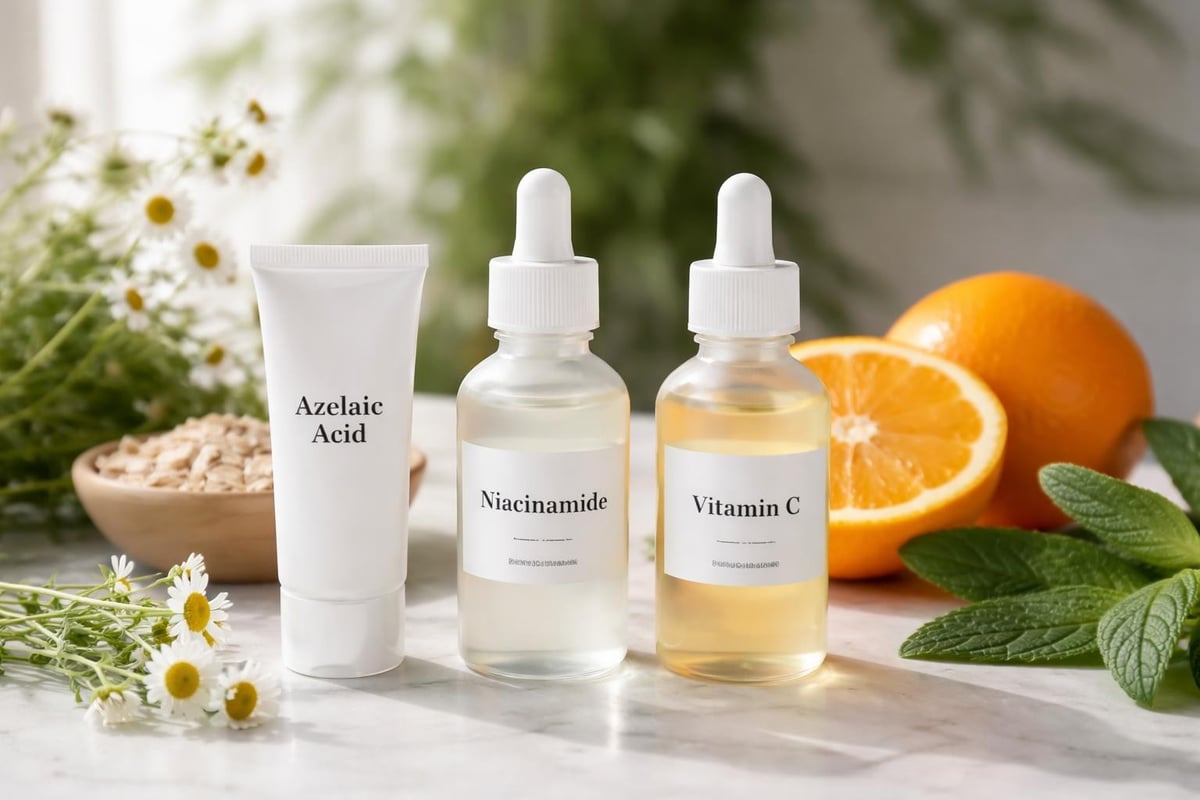
Azelaic Acid for Multiple Concerns
Azelaic acid deserves special mention as one of the few multitasking actives considered safe during pregnancy. It addresses acne, rosacea, and hyperpigmentation through antibacterial, anti-inflammatory, and tyrosinase-inhibiting mechanisms.
Pregnancy skincare ingredients like azelaic acid at 10-20% concentration can replace multiple restricted treatments. Korean formulations increasingly incorporate this ingredient, though it remains less common than in Western skincare.
Reading Labels and Verifying Safety
The complexity of korean skincare safe for pregnancy stems partly from labelling challenges. Ingredients appear under various names, concentrations aren't always disclosed, and proprietary complexes may contain restricted compounds within seemingly safe formulations.
Decoding Korean Ingredient Lists
Korean products follow INCI (International Nomenclature of Cosmetic Ingredients) standards, listing ingredients in descending concentration order. However, complexes, extracts, and trade-named ingredients complicate interpretation.
Red flags requiring investigation:
- "Proprietary complex" or "special blend" without ingredient breakdown
- "Natural" or "plant-derived" retinol alternatives (may contain retinyl palmitate or other restricted forms)
- Essential oil blends without specific oil identification
- "Exfoliating" or "resurfacing" products without acid disclosure
- Anything marketed for "intensive" or "professional-grade" results
When uncertain, research the specific product or contact the manufacturer. Korean skincare and pregnancy safety resources increasingly provide detailed ingredient analyses for popular products.
Working With Your Healthcare Provider
While dermatologists and obstetricians provide general guidance about restricted ingredients, individual risk tolerance varies. Some healthcare providers take conservative approaches (avoiding all questionable ingredients), while others permit certain actives based on research limitations.
Before eliminating products or introducing new treatments, discuss your routine with your care team. Bring ingredient lists, not just product names, as formulations vary by region and batch.
Adapting Your Routine Across Trimesters
Pregnancy skin changes aren't static. What works in your first trimester may trigger reactions in your third, and postpartum brings yet another transition. Korean skincare safe for pregnancy requires flexibility and responsiveness to your evolving needs.
First Trimester Adjustments
Early pregnancy often brings increased sensitivity, nausea (making heavily fragranced products intolerable), and either sudden dryness or unexpected oiliness. This is when you'll eliminate restricted ingredients and establish your foundation routine.
First trimester priorities:
- Gentle, fragrance-free cleansing
- Hydrating toners with simple ingredient lists
- Mineral sunscreen (establish daily habit)
- Basic moisturiser with barrier-supporting lipids
- Eliminate all retinoids, hydroquinone, and high-dose acids
Second Trimester: Addressing Emerging Concerns
Melasma often appears in the second trimester, and the "pregnancy glow" (increased circulation and oil production) may manifest as actual radiance or as unwanted shine and congestion. This is when targeted treatments become necessary.
Add pregnancy-safe brightening ingredients (vitamin C, niacinamide, tranexamic acid) and gentle exfoliants (lactic acid, PHA) if your skin tolerates them. Layer hydration if dryness persists, or incorporate lightweight, oil-free formulations if breakouts emerge.
Third Trimester and Preparation for Postpartum
Late pregnancy brings stretched skin (particularly across the abdomen), potential increased sensitivity, and anticipation of postpartum recovery. This is the time to introduce or maintain intensive hydration and barrier support that will serve you through delivery and early motherhood.
Focus on:
- Rich body moisturisers with safe ingredients (centella, ceramides, shea butter)
- Continued melasma management (sun protection, brightening actives)
- Simple, efficient routine that accommodates reduced sleep and energy postpartum
- Stock up on gentle, pregnancy-safe products to avoid shopping stress after delivery
Sheet Masks and Special Treatments
Korean sheet masks represent both opportunity and risk during pregnancy. These concentrated treatments deliver high doses of actives, which means they can provide intensive safe hydration or inadvertently introduce restricted ingredients.
Selecting Safe Sheet Masks
Read ingredient lists carefully. Many brightening sheet masks contain niacinamide and vitamin C (safe), but some include arbutin in high concentrations or undisclosed botanical extracts that may contain essential oils.
Safe sheet mask categories for pregnancy:
- Hydrating masks (hyaluronic acid, glycerin, beta glucan)
- Soothing masks (centella, madecassoside, panthenol)
- Brightening masks (vitamin C, niacinamide, tranexamic acid)
- Barrier-repair masks (ceramides, cholesterol, fatty acids)
Avoid masks marketed for intensive anti-aging, professional-grade resurfacing, or dramatic overnight transformation. These typically contain restricted actives or high concentrations that exceed pregnancy-safe levels.
Sleeping Packs and Overnight Treatments
Korean sleeping packs provide occlusive barriers that lock in hydration overnight. Most are pregnancy-safe, but verify they don't contain essential oils (lavender, chamomile, and rose are common in sleep-focused products) or active treatments disguised as hydration.
Look for sleeping packs emphasising:
- Moisture lock (squalane, ceramides, dimethicone)
- Barrier repair (cholesterol, fatty acids)
- Soothing (centella, madecassoside, allantoin)
- Simple ingredient lists without botanical complexes
Brand Considerations and Transparency
Not all Korean skincare brands provide equal transparency about pregnancy safety. Some clearly label products, others require significant research, and a few specifically formulate pregnancy-safe lines.
Brands With Strong Safety Profiles
Certain Korean brands build their philosophies around gentleness and minimal actives, making them naturally aligned with korean skincare safe for pregnancy principles:
- Brands focusing on fermented ingredients: Generally safe, emphasising hydration and barrier support
- Centella-focused brands: Built around soothing, anti-inflammatory actives without restricted compounds
- pH-balanced, minimal-ingredient brands: Shorter ingredient lists simplify verification
However, even gentle brands may include restricted ingredients in specific products (anti-aging lines, spot treatments, exfoliants). Never assume brand-wide safety without product-specific verification.
When Brands Don't Provide Guidance
Many Korean brands don't specifically address pregnancy safety, leaving consumers to research independently. Pregnancy-safe Korean skincare products guides and apps can help, but ultimately you need to become comfortable reading and interpreting ingredient lists.
Maintaining Skin Confidence Through Pregnancy
Pregnancy skin changes can undermine confidence, especially when your most effective treatments become off-limits. Korean skincare safe for pregnancy isn't about merely surviving nine months with minimal routine. It's about maintaining skin health and confidence through strategic, safe choices.
Realistic Expectations
Your skin won't respond to pregnancy-safe alternatives the way it did to retinol or prescription treatments. Brightening takes longer, acne management requires patience, and prevention (sunscreen, hydration) matters more than correction.
Accept that:
- Melasma may persist despite diligent treatment (and often improves postpartum)
- Hormonal acne follows its own timeline, often resolving after delivery
- Texture and tone fluctuate with hormonal shifts beyond skincare control
- Some changes (increased facial hair, skin tags, darkened freckles) are temporary
Maintaining realistic expectations prevents frustration and helps you appreciate the improvements that pregnancy-safe products can deliver.
System Over Products
The Routine. approach (Target. Boost. Maintain.) becomes particularly powerful during pregnancy. Rather than chasing trends or accumulating products with uncertain safety profiles, you build a disciplined system where each product has one clear, safe purpose.
Target specific concerns (hyperpigmentation, acne, dryness) with verified safe actives Boost skin response and circulation through safe modalities (gentle massage, hydration layering) Maintain improvements and barrier health with consistent, simple support products
This structure eliminates decision fatigue, reduces product exposure, and creates sustainable habits that extend beyond pregnancy.
Postpartum Transition and Breastfeeding Considerations
Many individuals assume skincare restrictions end at delivery, but breastfeeding introduces another phase requiring caution. While topical absorption to breast milk is minimal for most ingredients, conservative approaches often extend through nursing.
What Changes Postpartum
After delivery, you can potentially reintroduce some restricted ingredients, depending on whether you're breastfeeding and your healthcare provider's guidance. However, korean skincare safe for pregnancy often transitions smoothly to breastfeeding-safe routines because the restricted ingredients overlap significantly.
Generally safe to reintroduce while breastfeeding:
- Low-dose AHAs and BHAs (though some providers still recommend caution)
- Most peptides and growth factors
- Higher concentrations of vitamin C
- Azelaic acid (already used during pregnancy)
Generally still restricted while breastfeeding:
- Retinoids (oral forms definitely, topical forms debated)
- Hydroquinone
- High-dose salicylic acid treatments
- Certain essential oils
Rebuilding Your Routine
Postpartum skin often appears dull, dehydrated, and shows signs of interrupted sleep and stress. This is when you might slowly reintroduce stronger actives while maintaining the hydration and barrier focus that served you through pregnancy.
Start with one new active at a time, allowing several weeks to assess tolerance and effectiveness. Your skin may respond differently postpartum than pre-pregnancy, requiring recalibration of previously loved products.
Navigating korean skincare safe for pregnancy requires vigilance, flexibility, and commitment to both skin health and foetal safety. By understanding which ingredients to avoid, embracing gentle yet effective alternatives, and building a structured routine around clear purposes, you can maintain skin confidence throughout pregnancy and beyond. When you're ready to simplify your approach with a system-led philosophy that prioritises precision, safety, and long-term results, Routine. Beauty offers targeted solutions designed to work together rather than overwhelm. Each product serves one defined role, creating a disciplined framework that supports your skin through every transition with clarity and confidence.

