


Navigating the world of skincare becomes significantly more complex when your face presents multiple personalities at once. If you've ever found yourself reaching for both mattifying products and rich hydrators in the same routine, you're likely dealing with combo skin. This skin type doesn't follow a single set of rules, instead requiring a strategic, zone-specific approach that respects the unique needs of different facial areas. Understanding how to work with rather than against these variations forms the foundation of sustainable skin confidence.
What Defines Combo Skin
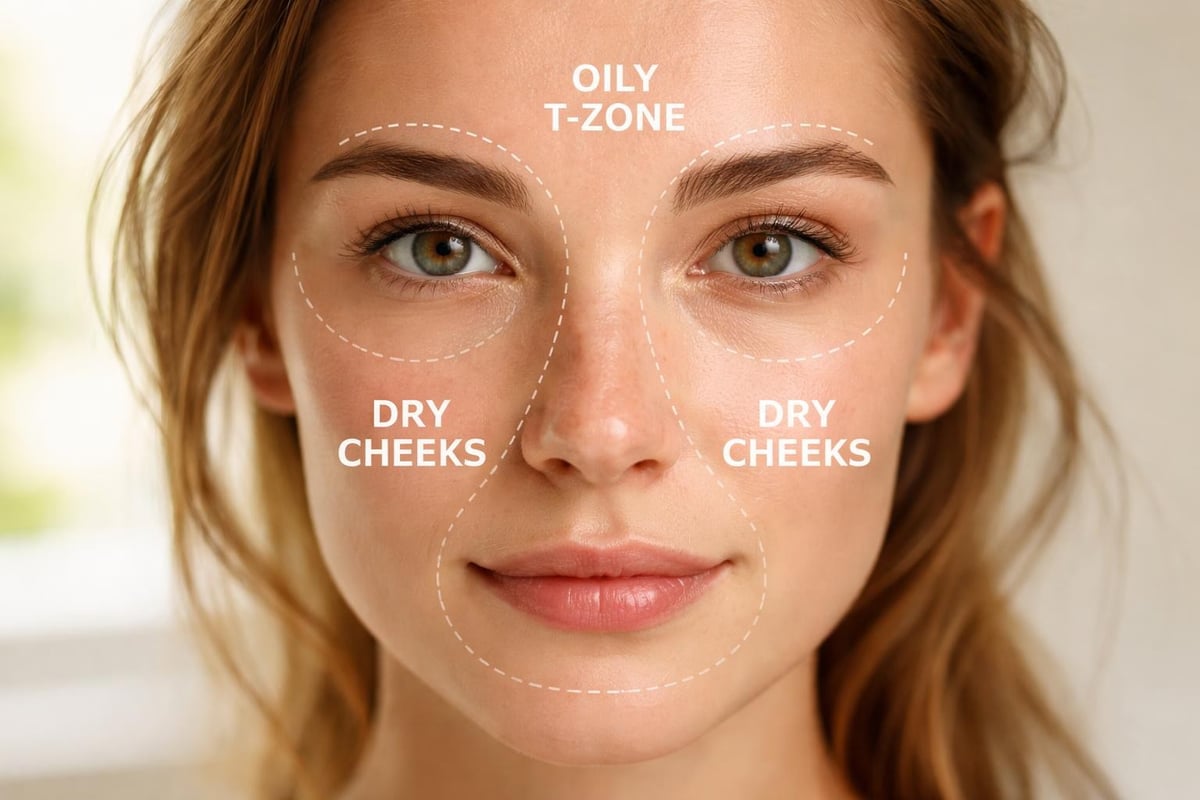
Combo skin operates as a hybrid condition where multiple skin types coexist on one face. The most common pattern involves an oily T-zone-encompassing the forehead, nose, and chin-paired with normal to dry cheeks. Some individuals experience this variation more dramatically, with noticeable shine and enlarged pores in central areas while simultaneously managing flakiness or tightness along the jawline and temples.
The defining characteristic isn't just the presence of both oily and dry zones, but the consistent pattern of where these zones appear. Unlike skin that occasionally fluctuates between states due to seasonal changes or hormonal shifts, combo skin maintains this dual nature year-round. Understanding combination skin involves recognising that these zones require different treatment strategies rather than attempting to force uniformity across the entire face.
The Science Behind Mixed Zones
Sebaceous glands concentrate more heavily in the T-zone area, which explains the increased oil production in this region. These glands respond to androgens and other hormonal signals, producing sebum that travels through pores to the skin's surface. In combo skin, this production operates in overdrive centrally while remaining moderate or even sluggish in peripheral facial areas.
Key factors influencing combo skin include:
- Genetic predisposition to uneven sebaceous gland distribution
- Hormonal fluctuations affecting oil production patterns
- Environmental stressors impacting different zones differently
- Previous skincare choices that may have disrupted natural balance
- Climate conditions that emphasise existing tendencies
The stratum corneum, or outermost skin layer, also behaves differently across facial zones. In areas prone to dryness, this barrier may not retain moisture as effectively, leading to transepidermal water loss. Meanwhile, oilier zones often maintain hydration more successfully but face challenges with excess surface lipids.
Building a Strategic Routine for Combo Skin
Creating an effective routine for combo skin requires abandoning the one-size-fits-all mentality. The Target. Boost. Maintain. philosophy proves particularly valuable here, as it encourages strategic thinking about which products serve which purposes and in which zones they deliver maximum benefit.
Cleansing Without Disruption
The cleansing step sets the tone for how your skin responds throughout the day. Too harsh, and you'll strip the already-dry areas, triggering compensatory oil production. Too gentle, and the T-zone remains congested. Finding the right cleanser for combination skin means seeking formulas that remove excess oil without compromising the moisture barrier.
Effective cleansing approaches include:
- Morning: Use a gentle, pH-balanced gel cleanser that lifts overnight oil accumulation without over-stripping
- Evening: Apply a more thorough cleanser, potentially incorporating mild exfoliating properties to address T-zone congestion
- Temperature: Stick with lukewarm water; hot water exacerbates dryness in cheek areas
- Technique: Focus circular motions on the T-zone for 20-30 seconds longer than cheek areas
- Frequency: Cleanse twice daily, but consider water-only morning cleansing if skin feels balanced
Double cleansing works exceptionally well for combo skin when executed thoughtfully. An oil-based first cleanse dissolves makeup and sunscreen without disrupting skin's natural oils, while a water-based second cleanse addresses zone-specific needs. This method prevents the tug-of-war between removing enough oil from congested areas and preserving moisture in drier zones.
Zone-Specific Treatment Strategies
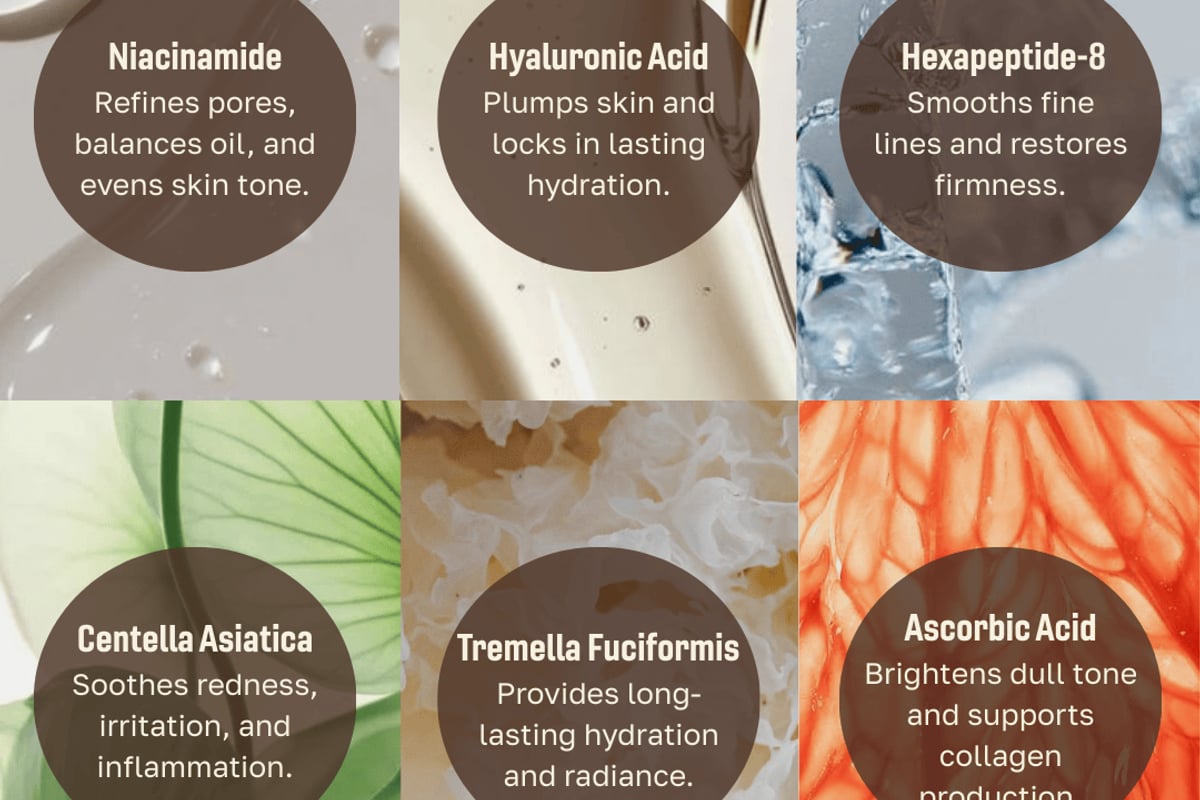
This is where combo skin management truly diverges from standard routines. Rather than applying the same serum or treatment across your entire face, consider targeted application based on actual need. The forehead might benefit from niacinamide to regulate sebum production, while the cheeks respond better to hyaluronic acid for moisture retention.
Precision tools like the Routine. Peptide MicroPatch exemplify this targeted philosophy, delivering concentrated actives exactly where needed without affecting balanced areas. When dealing with specific concerns like post-breakout marks in the T-zone or dry patches on the cheeks, this level of precision prevents overtreatment and maintains the delicate equilibrium combo skin requires.
| Zone | Primary Concern | Recommended Active | Application Frequency |
|---|---|---|---|
| T-Zone (Forehead) | Excess oil, congestion | Niacinamide, salicylic acid | Daily (morning) |
| Nose | Enlarged pores, blackheads | BHA, retinoids | 3-4 times weekly (evening) |
| Chin | Breakouts, texture | Targeted spot treatments | As needed |
| Cheeks | Dryness, sensitivity | Hyaluronic acid, ceramides | Daily (morning and evening) |
| Jawline | Dehydration, tightness | Peptides, squalane | Daily (evening) |
Moisturising the Contradiction
Perhaps no step confounds combo skin more than moisturising. The instinct to skip moisturiser on oily zones often backfires, as skin interprets this deprivation as a signal to produce more oil. Conversely, applying heavy creams uniformly leads to congestion and breakouts in already oily areas.
The solution lies in texture variation rather than complete omission. Combination skin care tips emphasise using lightweight, gel-based hydrators in the T-zone while reserving richer formulations for genuinely dry areas. This doesn't necessarily mean purchasing two separate moisturisers, though that remains an option for those with dramatically different zone needs.
Layering strategies for balanced hydration:
- Apply a thin, fast-absorbing serum across the entire face first
- Follow with a lightweight gel or lotion in the T-zone
- Add an extra layer of cream or facial oil only to cheek, temple, and jawline areas
- Wait 60 seconds between layers to allow proper absorption
- Adjust quantities based on how skin feels, not arbitrary measurements
Some formulas genuinely work across combo skin when applied intelligently. Look for descriptions like "balancing," "normalising," or "adaptive," which indicate ingredients that respond to skin's individual moisture levels. These often contain smart delivery systems that release hydration where needed while remaining lighter where excess moisture isn't required.
Seasonal Adjustments and Environmental Factors
Combo skin doesn't remain static throughout the year. As seasons shift, so do the dynamics between oily and dry zones. Winter typically amplifies dryness in cheek areas while potentially moderating T-zone oil production. Summer often reverses this pattern, with heat and humidity increasing overall oiliness while indoor air conditioning maintains some dry patches.
Adapting Your Approach
Rather than completely overhauling your routine four times annually, make incremental adjustments that respect these shifts. In 2026, the trend toward responsive, adaptable skincare rather than rigid protocols has gained significant traction, particularly for those managing combo skin.
Winter modifications typically include:
- Introducing richer textures to cheek areas
- Reducing exfoliation frequency in dry zones
- Maintaining T-zone treatments but watching for signs of over-drying
- Incorporating facial oils as a final step for peripheral areas
- Running a humidifier to prevent environmental moisture loss
Summer adjustments often involve:
- Switching to lighter textures across all zones
- Increasing gentle exfoliation to prevent T-zone congestion from sweat and sunscreen
- Introducing mattifying products strategically in oily areas
- Ensuring adequate hydration despite lighter textures
- Reapplying sunscreen without overloading pores

Climate also plays a decisive role beyond seasonal patterns. Those living in humid environments often experience more pronounced oiliness overall, though the cheek-versus-T-zone differential remains. Dry climates exaggerate the contrast, potentially leaving cheeks uncomfortably tight while the T-zone still produces noticeable shine. Recognising your baseline environment helps establish realistic expectations for what "balanced" combo skin actually looks like in your specific context.
Ingredients That Work With Combo Skin
Not all skincare actives suit the contradictory nature of combo skin equally well. Some ingredients work universally across zones, while others require strategic, targeted placement. Understanding these distinctions prevents the common pitfall of inadvertently worsening one zone while attempting to address another.
Universal Performers
Certain ingredients benefit all areas of combo skin without tipping the scales toward excessive dryness or oiliness. Niacinamide stands out as particularly versatile, regulating sebum production in oily zones while strengthening the moisture barrier in dry areas. Skincare routines for combination skin frequently feature this ingredient as a cornerstone active.
| Ingredient | Primary Benefit | Suitable Zones | Best Application Time |
|---|---|---|---|
| Niacinamide | Sebum regulation, barrier support | All zones | Morning and evening |
| Hyaluronic Acid | Moisture retention | All zones, emphasise dry areas | Morning and evening |
| Ceramides | Barrier repair | All zones, focus on dry patches | Evening |
| Centella Asiatica | Calming, anti-inflammatory | All zones | Morning or evening |
| Peptides | Texture improvement, firmness | All zones | Evening |
Zone-Specific Actives
Other ingredients deliver optimal results when confined to appropriate areas. Salicylic acid excels in the T-zone, penetrating pores to prevent congestion and breakouts, but may prove unnecessarily drying on already-parched cheeks. Conversely, rich botanical oils benefit dry zones beautifully while potentially overwhelming areas already managing excess sebum.
T-Zone targeted ingredients:
- Salicylic acid for pore clarity
- Clay or charcoal for oil absorption
- Lightweight retinoids for texture refinement
- Zinc for sebum control
- Tea tree oil for spot treatment
Dry zone nourishment:
- Squalane for non-greasy hydration
- Plant oils (rosehip, jojoba) for barrier support
- Shea butter or richer emollients for extreme dryness
- Glycerin for humectant properties
- Panthenol for soothing and softening
The key lies in thoughtful application rather than avoiding beneficial ingredients entirely. A product containing salicylic acid doesn't become off-limits; it simply requires precise placement on areas that actually need exfoliation rather than indiscriminate application across the entire face.
Common Mistakes That Worsen Combo Skin
Many well-intentioned skincare choices inadvertently exacerbate the oily-dry divide. Recognising these patterns allows you to course-correct before significant damage accumulates. The most frequent error involves over-treating the T-zone while neglecting dry areas, or vice versa, leading to an increasingly pronounced imbalance.
Over-Exfoliation Traps
The temptation to aggressively target oily, congested zones often results in over-exfoliation. While the T-zone may initially appear clearer, this approach compromises the skin barrier, triggering increased oil production as a protective response. Simultaneously, any exfoliating products that migrate to dry cheeks during application cause irritation, flaking, and sensitivity.
Signs you've over-exfoliated include:
- Increased oiliness in typically oily zones
- New sensitivity or stinging when applying products
- Persistent redness or inflammation
- Dry, flaky patches appearing in previously balanced areas
- Breakouts occurring in unusual locations
Recovery requires patience and restraint. Scale back active treatments to every second or third day, prioritise barrier-repair ingredients across all zones, and resist the urge to introduce new products while skin heals. Combination skin treatment tips often emphasise this less-is-more approach, particularly when skin shows signs of stress.
Product Layering Overwhelm
Combo skin tempts many into complex, multi-step routines that attempt to address every concern simultaneously. While Korean skincare's 10-step approach works beautifully for some, combo skin often responds better to strategic simplicity. Each additional layer creates opportunities for pilling, congestion, or ingredient conflicts that manifest differently across zones.
Pare back to essentials: cleanser, targeted treatment, moisturiser, and sunscreen. From this foundation, add only products that serve a clear, measurable purpose. If you can't articulate exactly which concern a product addresses and which zone needs it, reconsider its place in your routine. This discipline prevents the product overload that leaves T-zones congested and dry areas oversaturated with incompatible ingredients.
Ignoring Hydration Needs
A pervasive myth suggests oily skin doesn't need hydration, leading those with combo skin to skip moisturiser entirely or apply it only to dry areas. This creates a vicious cycle where dehydrated oily zones compensate by producing even more sebum. Dehydration and oiliness aren't opposites; they frequently coexist, particularly in combo skin.
Every zone requires hydration; only the delivery mechanism needs adjustment. Lightweight, water-based hydrators suit oily areas, while richer emollient formulas benefit dry zones. The goal isn't to eliminate moisture from oily areas but to provide it in a form that absorbs quickly without leaving residue or clogging pores.
Advanced Strategies for Long-Term Balance
Once you've established a solid foundation, certain advanced approaches can refine results and address persistent concerns. These strategies require more attention and potentially additional investment, but deliver worthwhile improvements for those committed to optimising their combo skin management.
Light Therapy Integration
Red and blue light therapy offers zone-specific benefits without the complications of topical products. Blue light targets acne-causing bacteria prevalent in congested T-zones, while red light supports circulation and healing in all areas. Devices designed for both face and body use provide flexibility in treatment zones. The key advantage lies in delivering therapeutic benefits without adding another layer of product that might overwhelm already-sensitive areas.
Consistency matters more than intensity with light therapy. Brief daily sessions of 3-5 minutes per zone yield better results than sporadic longer treatments. This approach integrates easily into existing routines, requiring minimal adjustment while providing measurable improvements in tone, clarity, and overall balance.
Precision Barrier Repair
Rather than addressing the entire face uniformly, focus barrier-repair efforts on genuinely compromised areas. This might mean intensive treatment for dry, flaky cheeks while maintaining lighter support in the balanced T-zone. Products rich in ceramides, cholesterol, and fatty acids rebuild the stratum corneum's lipid matrix, restoring its ability to retain moisture and resist environmental stressors.
Apply these richer formulas strategically, potentially even using different application techniques. Pat gently into dry zones to encourage absorption, while using light, sweeping motions in oilier areas to prevent overloading. This textural awareness-how you apply products, not just which products you use-significantly impacts final results.
Professional Treatments Tailored to Zones
When considering professional interventions, communicate clearly about your combo skin needs. Aestheticians can customise facials to address different zones with appropriate techniques: extractions and clay masks for the T-zone, hydrating masks and gentle massage for dry areas. Chemical peels can be applied at varying strengths across zones, with stronger formulations targeting congested areas and milder versions soothing dry patches.
Professional treatments worth considering:
- Customised facials that zone-map your specific needs
- Targeted chemical peels with varying acid strengths per area
- Microneedling focused on texture concerns in specific zones
- LED therapy sessions addressing different wavelengths per area
- Hydrafacials with customised serums for different zones
Always schedule professional treatments during periods when your skin feels relatively stable, not during active breakouts or extreme dryness. This allows practitioners to work with your baseline combo skin rather than temporary crisis states.
Lifestyle Factors That Influence Combo Skin
Skincare products represent only one dimension of combo skin management. Daily habits, dietary choices, stress levels, and environmental exposures all contribute to how dramatically your skin fluctuates between oily and dry states. Addressing these factors creates a more stable foundation upon which topical treatments can work effectively.
Dietary Considerations
While no single food causes combo skin, certain dietary patterns influence oil production and inflammation levels. High-glycemic foods may trigger increased sebum production, potentially worsening T-zone oiliness. Meanwhile, inadequate essential fatty acid intake can compromise the skin barrier, exacerbating dryness in cheek areas.
Dietary strategies that support balanced combo skin:
- Incorporate omega-3 fatty acids from fish, flaxseed, or walnuts for barrier support
- Reduce refined sugars and processed carbohydrates to moderate oil production
- Ensure adequate vitamin A from sweet potatoes, carrots, and leafy greens
- Maintain consistent hydration with water rather than sugary or caffeinated beverages
- Include zinc-rich foods like pumpkin seeds and legumes for sebum regulation
Rather than pursuing extreme dietary changes, focus on gradual improvements that become sustainable habits. Track how your skin responds to dietary shifts over 4-6 weeks, as the skin's cellular turnover cycle requires this timeframe to reflect internal changes.
Stress Management and Skin Response
Cortisol, the primary stress hormone, directly impacts sebaceous gland activity. Chronic stress often manifests as increased T-zone oiliness paired with compromised barrier function in dry areas, intensifying the combo skin pattern. Additionally, stress-related behaviours like touching your face or disrupted sleep patterns further aggravate the condition.
Implementing consistent stress-reduction practices doesn't require dramatic lifestyle overhauls. Even brief daily interventions-ten minutes of meditation, a short walk outdoors, deliberate breathing exercises-measurably reduce cortisol levels and their downstream effects on skin. Track your skin's appearance during high-stress versus calmer periods to identify your personal correlation between stress and skin behaviour.
Sleep Quality and Skin Regeneration
Skin performs most of its repair and regeneration during deep sleep phases. Insufficient or poor-quality sleep disrupts this process, leaving the skin less equipped to maintain balance. This manifests in combo skin as more pronounced zone differences: oilier T-zones from stress-hormone disruption and drier cheeks from impaired barrier repair.
Sleep optimisation strategies:
- Maintain consistent sleep and wake times, even on weekends
- Create a cool, dark sleeping environment (18-20°C optimal)
- Use a silk or satin pillowcase to reduce friction on dry areas
- Avoid screens for 60 minutes before bed to support melatonin production
- Apply evening skincare products 30-60 minutes before bed for proper absorption
Consider your sleep position as well. Consistently sleeping on one side can create asymmetric skin patterns, with increased congestion or dryness on the contact side. Alternating positions or transitioning to back sleeping may improve overall skin symmetry.
Product Selection and Formulation Awareness
Understanding how to decode product formulations empowers better decisions for combo skin. Marketing claims often emphasise universal benefits, but ingredient lists reveal whether a product truly suits your mixed needs. Developing this literacy prevents wasting money on unsuitable formulations while building confidence in your selections.
Reading Beyond Marketing Language
Terms like "for all skin types" or "balancing formula" provide minimal useful information. Instead, examine the first five to seven ingredients, which comprise the bulk of the formulation. Water-based products with humectants (glycerin, hyaluronic acid) but minimal oils suit T-zones well. Formulas listing plant oils, butters, or silicones early in the ingredient list deliver richer hydration appropriate for dry zones.
Red flags for combo skin include:
- Heavy oils (coconut, palm) listed early in the ingredient list
- High concentrations of alcohol denat, which strips all zones
- Thick, occlusive formulas without distinguishing between zone application
- Products that claim to "mattify" without specifying zone-appropriate use
- Overly fragranced formulas that may irritate sensitive dry areas
Conversely, promising indicators include multiple molecular weights of hyaluronic acid (providing both surface and deep hydration), ceramide complexes that mirror skin's natural lipid composition, and oil-control ingredients paired with barrier-support actives. These formulations acknowledge that combo skin needs both regulation and nourishment simultaneously.
Texture as a Selection Guide
Physical texture often predicts suitability better than ingredient lists alone. The best moisturisers for combination skin typically feature gel or lightweight lotion textures that absorb quickly without residue. When testing products, apply small amounts to different zones and observe absorption rates, residue levels, and how skin feels after 10-15 minutes.
| Texture Type | Best For | Application Strategy | Absorption Time |
|---|---|---|---|
| Gel | T-zone, summer | Thin layer, patting motion | Under 30 seconds |
| Lotion | All zones, transitional seasons | Moderate layer, massage gently | 30-60 seconds |
| Cream | Dry zones, winter | Generous on dry areas only | 60-90 seconds |
| Oil | Extreme dry patches | Last step, dry zones exclusively | 2-3 minutes |
| Balm | Targeted dry spots | Warm between fingers, press into skin | 3-5 minutes |
Remember that texture preferences prove highly individual. Some combo skin types tolerate richer formulas across all zones if applied sparingly, while others require strict texture differentiation. Experimentation within this framework helps identify your personal sweet spot.
Troubleshooting Persistent Issues
Even with diligent routine adherence, combo skin occasionally presents stubborn challenges. Rather than continuously adding products, systematic troubleshooting identifies root causes and prevents the trial-and-error spiral that often worsens the condition.
When the T-Zone Won't Clear
Persistent congestion despite consistent cleansing and exfoliation suggests either over-treatment triggering compensatory oil production or inadequate hydration causing the skin to protect itself with excess sebum. Counter-intuitively, the solution often involves gentler approaches and better hydration rather than stronger actives.
Troubleshooting steps:
- Reduce exfoliation to twice weekly for two weeks
- Introduce a lightweight hydrating serum specifically to the T-zone
- Assess cleansing temperature-switch to cool water
- Check product ingredients for pore-clogging components
- Consider hormonal factors if breakouts follow monthly patterns
- Evaluate pillowcase cleanliness and fabric type
If issues persist beyond four weeks of adjusted care, consider whether internal factors like diet, stress, or hormonal changes might be driving the concern. Sometimes combo skin reflects systemic imbalances that topical treatments alone cannot fully resolve.
Addressing Stubborn Dry Patches
Dry areas that don't respond to increased moisturisation might indicate barrier damage requiring repair rather than simply more hydration. The skin can't retain moisture if its lipid barrier remains compromised. Focus on barrier-rebuilding ingredients-ceramides, cholesterol, fatty acids-rather than continuously layering humectants that draw moisture the skin can't hold.
Additionally, examine whether products intended for oily zones might be migrating to dry areas during application. Ensure thorough hand-washing between applying T-zone treatments and dry-zone care to prevent cross-contamination. This seemingly minor detail significantly impacts results when using targeted formulations.
Managing Unexpected Breakouts in Dry Zones
Breakouts occurring in typically dry areas often result from barrier compromise allowing bacteria penetration or from overly rich products congesting pores. Unlike T-zone breakouts, these require gentler intervention that addresses the breakout without further compromising the already-delicate barrier. Spot treatments containing gentle antibacterial ingredients like tea tree oil or colloidal silver work better than harsh drying formulas designed for oilier skin.
Mastering combo skin requires embracing its contradictory nature rather than fighting against it. By understanding zone-specific needs and building strategic routines that address each area appropriately, you create the foundation for long-term skin confidence. Routine. Beauty transforms this approach into a structured ecosystem where each product serves one clear purpose within the Target. Boost. Maintain. framework, eliminating guesswork and bringing disciplined clarity to combination skincare management.

