


Achieving radiant, healthy-looking skin isn't about layering on endless products or chasing fleeting trends. It's about understanding what your skin actually needs and applying treatments with purpose and precision. Face packs for glowing skin have been used across cultures for centuries, but their modern application requires more than just mixing ingredients in a bowl. Today's approach combines traditional wisdom with evidence-based formulations, creating targeted treatments that address specific concerns while fitting seamlessly into a structured skincare ecosystem.
Understanding How Face Packs Create Skin Radiance
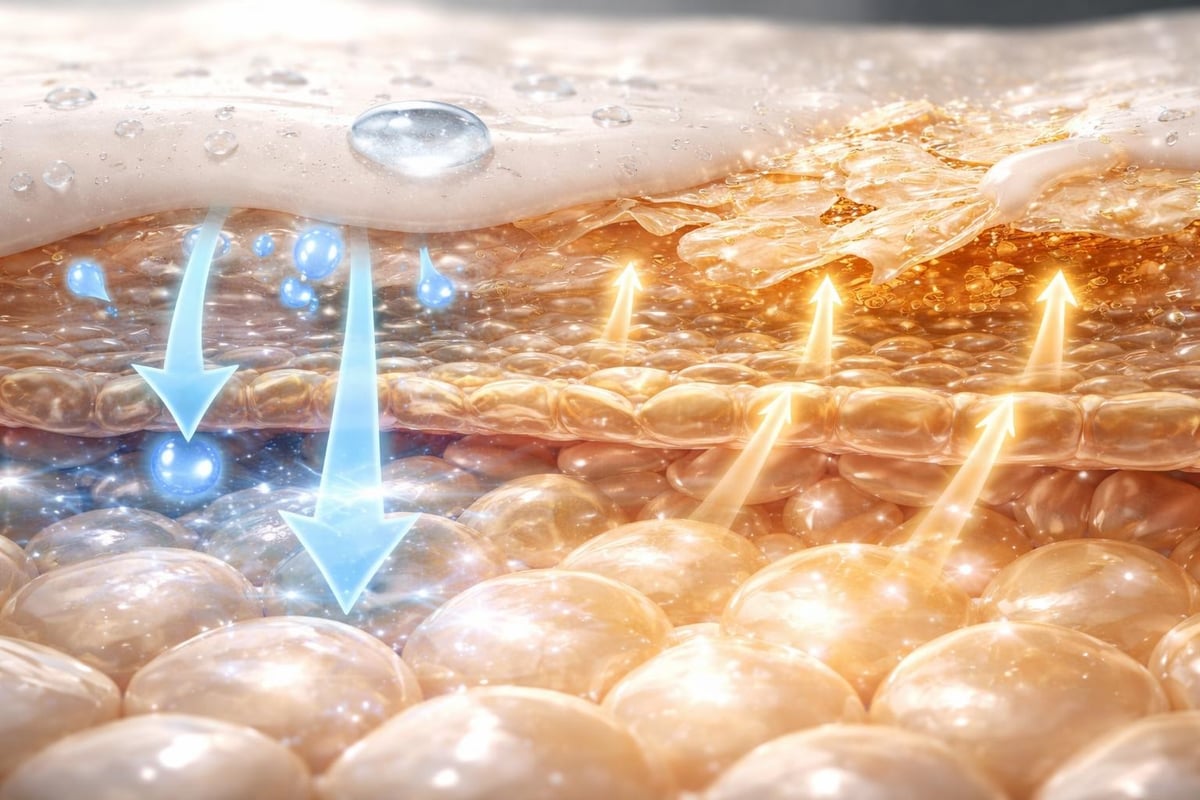
Face packs work through a combination of occlusion, active ingredient delivery, and stimulation. When applied to skin, they create a temporary barrier that prevents moisture loss whilst allowing concentrated actives to penetrate more effectively than standard leave-on products.
The glow we associate with healthy skin stems from several factors: proper hydration, even texture, balanced oil production, and the absence of inflammation or dullness. Face packs for glowing skin target these elements simultaneously, which explains their enduring popularity despite evolving skincare technology.
The Science Behind Radiance
Skin radiance occurs when light reflects evenly off the skin's surface. This requires a smooth, well-hydrated stratum corneum (the outermost skin layer) and minimal disruption from dead cell buildup, excess oil, or inflammation.
Key mechanisms that face packs use to enhance glow:
- Hydration delivery: Occlusives trap moisture and allow humectants to draw water into skin cells
- Exfoliation: Acids and enzymes dissolve dead cell buildup that creates dullness
- Barrier support: Lipids and ceramides strengthen the moisture barrier for sustained radiance
- Anti-inflammatory action: Calming ingredients reduce redness and uneven tone
- Antioxidant protection: Neutralizing free radicals prevents oxidative damage that dulls skin
Different face pack formulations emphasize different mechanisms depending on your primary concern. Understanding this allows you to select treatments that align with your specific skin goals rather than applying products indiscriminately.
Natural Ingredients That Deliver Measurable Results
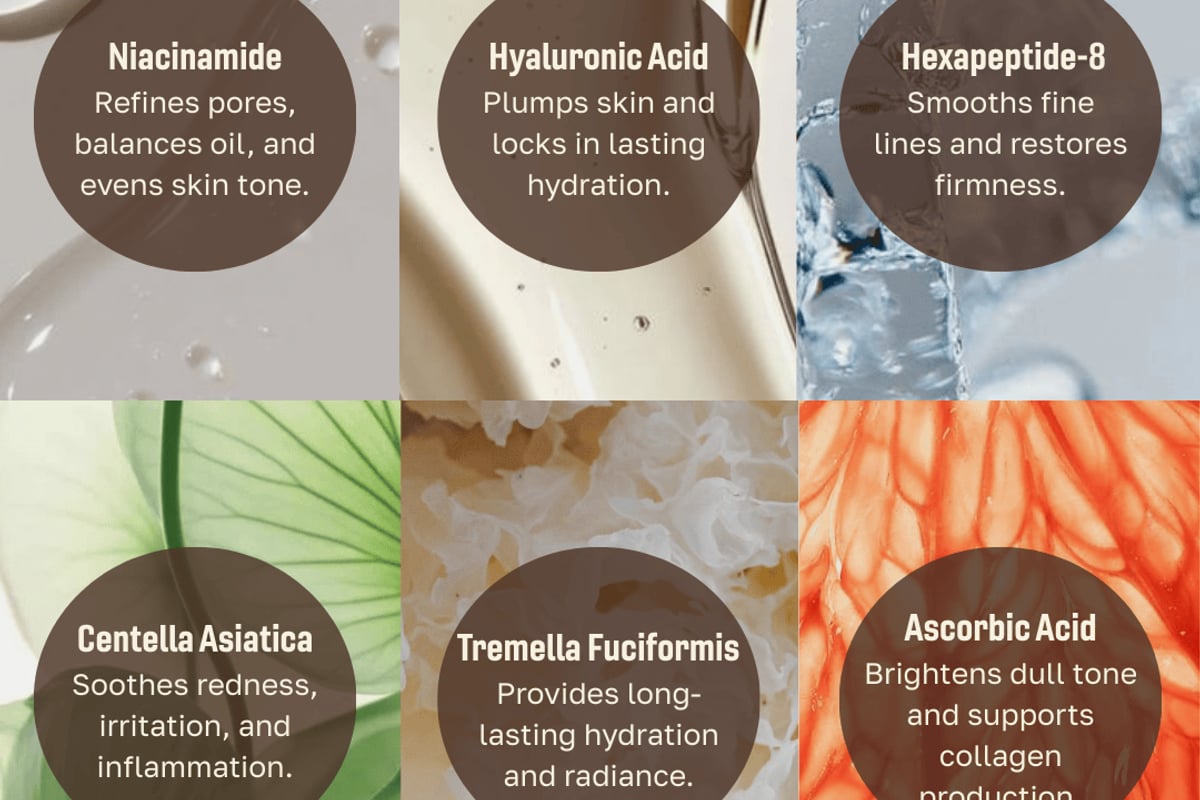
The effectiveness of face packs for glowing skin depends heavily on ingredient selection. Whilst the beauty industry constantly introduces novel compounds, certain natural ingredients have demonstrated consistent results across decades of use and scientific investigation.
Proven Brightening Ingredients
| Ingredient | Primary Benefit | Best For | Application Frequency |
|---|---|---|---|
| Vitamin C | Brightening, collagen support | Dull, aging skin | 2-3 times weekly |
| Niacinamide | Pore refinement, tone evening | Uneven texture, oiliness | Daily to 3x weekly |
| Lactic Acid | Gentle exfoliation, hydration | Dry, rough skin | 1-2 times weekly |
| Turmeric | Anti-inflammatory, radiance | Redness, inflammation | 2-3 times weekly |
| Honey | Humectant, antimicrobial | All skin types | 2-4 times weekly |
Turmeric has been used in traditional skincare for thousands of years, particularly in South Asian beauty rituals. Its active compound, curcumin, provides anti-inflammatory and antioxidant benefits that directly address factors contributing to dullness. When combined with yogurt or honey, it creates an accessible yet effective face pack for glowing skin.
Vitamin C remains one of the most researched brightening ingredients. However, it's notoriously unstable in water-based formulations. Face packs containing ascorbic acid derivatives or stabilized forms deliver better results than simple lemon juice applications, which can irritate skin due to high acidity and photosensitizing compounds.
Clay-Based Formulations for Deep Clarification
Clays absorb excess sebum, draw out impurities, and provide minerals that support skin health. Different clay types suit different needs:
- Kaolin: Gentle enough for sensitive skin, mildly absorbent
- Bentonite: Powerful oil absorption for oily, congested skin
- French green clay: Balances combination skin, refines pores
- Rhassoul clay: Detoxifies whilst maintaining hydration
Incorporating clay into face packs for glowing skin addresses the texture and clarity component of radiance. However, clays should always be removed before completely drying to prevent excessive moisture loss, which would counteract their benefits.
Building Face Pack Treatments Into a System
Random application of face packs yields inconsistent results. Strategic integration into a structured routine maximizes their impact whilst preventing over-treatment that can compromise skin barrier function.
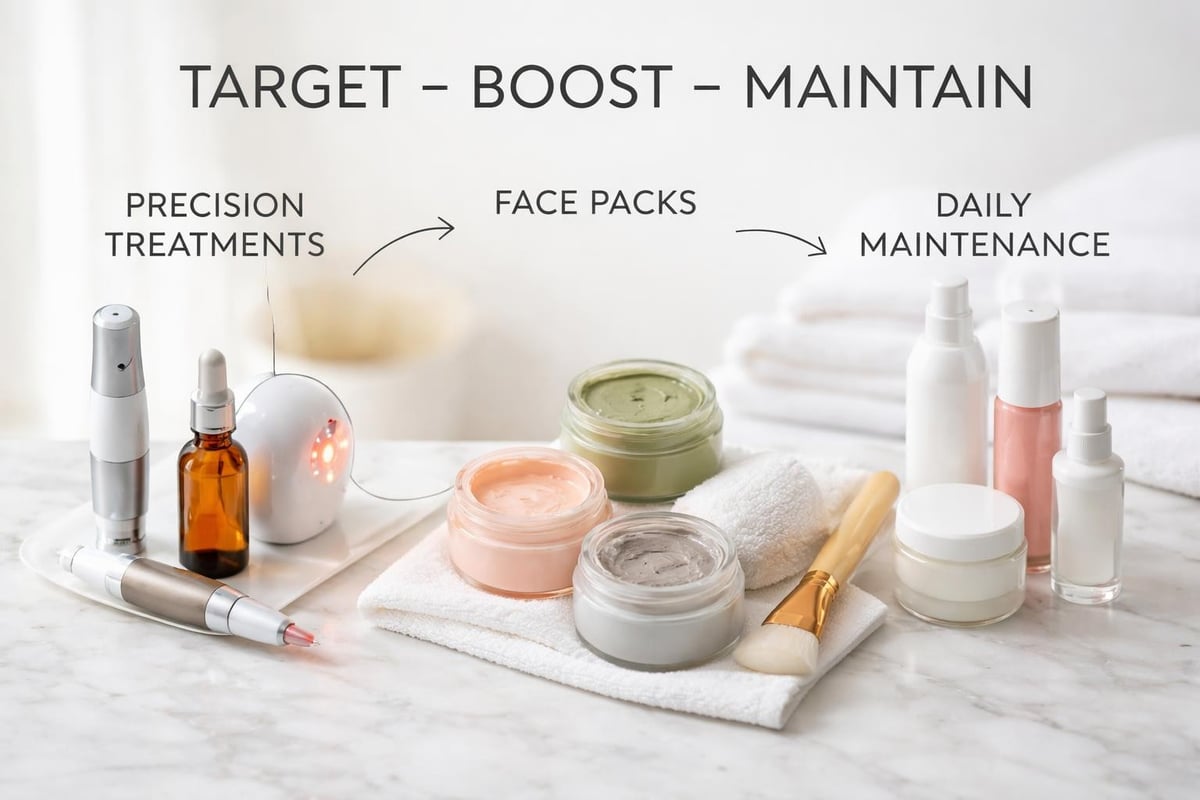
The Target-Boost-Maintain Framework
Rather than viewing face packs as standalone treatments, consider where they fit within a complete skincare ecosystem. This systematic approach ensures each product serves a defined purpose without redundancy or conflict.
Target: Address specific concerns with concentrated treatments applied precisely where needed. Face packs excel in this category when formulated for particular issues like hyperpigmentation, texture irregularities, or congestion.
Boost: Enhance overall skin function with periodic intensive treatments. Weekly face packs for glowing skin fall into this category, providing concentrated nourishment that daily products cannot deliver as effectively.
Maintain: Support long-term skin health with consistent daily care that preserves results from targeted and boost treatments. This prevents the need for constant intensive intervention.
For persistent concerns like dark spots or textured areas that need more than periodic face pack treatment, the Routine. Peptide MicroPatch offers a complementary approach through precision delivery of brightening actives directly into specific zones you want to improve.
Frequency and Timing Considerations
More frequent application doesn't equal better results. Skin needs recovery time between intensive treatments to process actives and rebuild its barrier.
Recommended application frequency by skin type:
| Skin Type | Active Treatments | Hydrating Treatments | Rest Days |
|---|---|---|---|
| Oily/Resilient | 2-3 times weekly | 1-2 times weekly | 2-3 weekly |
| Combination | 2 times weekly | 2 times weekly | 3 weekly |
| Normal | 1-2 times weekly | 2-3 times weekly | 2-3 weekly |
| Dry/Sensitive | 1 time weekly | 2-4 times weekly | 3-4 weekly |
Evening application generally proves more effective than morning use. Skin undergoes repair processes during sleep, and applying face packs before bed allows actives to work synergistically with these natural renewal mechanisms.
Formulation Strategies for Different Skin Concerns
Generic "glowing skin" formulations rarely address individual needs effectively. Customizing face packs for glowing skin based on your primary concern delivers superior outcomes.
For Hyperpigmentation and Uneven Tone
Dark spots and uneven tone result from irregular melanin distribution. Effective face packs for this concern combine melanin inhibitors with gentle exfoliants.
Key ingredient combinations:
- Vitamin C + licorice root extract + lactic acid
- Niacinamide + alpha arbutin + kojic acid
- Turmeric + yogurt (lactic acid) + honey
Homemade face packs for brightening can be effective when formulated correctly, though pre-formulated versions often deliver more consistent results due to standardized concentrations and pH levels.
Application technique matters as much as formulation. Apply thicker layers to darker areas whilst maintaining a thinner layer across the rest of the face for overall tone improvement without over-treating unaffected zones.
For Texture Irregularities and Dullness
Rough texture and dullness typically stem from dead cell accumulation and dehydration. Face packs addressing these concerns should incorporate both chemical and physical exfoliation alongside intense hydration.
- Start with clean, slightly damp skin to enhance ingredient penetration
- Apply exfoliating ingredients first if using a multi-step approach
- Layer hydrating ingredients to seal in moisture and plump skin
- Remove gently without aggressive rubbing that could irritate
- Follow with barrier-supporting products to lock in benefits
Enzyme-based face packs offer gentler exfoliation than acid-based options. Papaya and pumpkin enzymes dissolve the proteins binding dead cells without disrupting healthy tissue, making them suitable for sensitive skin seeking radiance improvement.
For Congestion and Enlarged Pores
Congested skin appears dull because trapped sebum and dead cells create an uneven surface that scatters rather than reflects light. Face packs for glowing skin in congested complexions must balance clarification with barrier support.
Overuse of aggressive clarifying treatments damages the moisture barrier, triggering increased oil production that worsens congestion. This creates a frustrating cycle that many people misinterpret as insufficient treatment.
Balanced congestion-targeting approach:
- Use clay masks 1-2 times weekly maximum
- Always follow with hydrating products
- Incorporate niacinamide to regulate sebum production
- Add salicylic acid for oil-soluble exfoliation inside pores
- Include soothing ingredients like centella or allantoin
The comprehensive approach to face packs emphasizes matching treatment intensity to your skin's current condition rather than its type, which can shift based on climate, stress, and hormonal factors.
Application Techniques That Maximize Efficacy
How you apply face packs for glowing skin influences their effectiveness as much as formulation quality. Proper technique ensures even distribution, optimal penetration, and minimal waste.
Preparation Protocol
Clean skin absorbs actives more effectively than skin with residual products, oils, or debris. However, the cleansing method matters.
Double cleansing removes makeup and sunscreen (oil-based cleanser) followed by water-based impurities (gel or foam cleanser). This creates an optimal canvas without stripping the skin's natural protective oils excessively.
Pre-treatment steps:
- Remove makeup and sunscreen with oil cleanser
- Cleanse with gentle, pH-balanced water-based cleanser
- Apply toner to normalize pH if using acid-based face packs
- Pat skin until slightly damp, not bone-dry
- Apply face pack immediately while skin retains moisture
Some ingredients penetrate better through damp skin, whilst others require completely dry skin. Water-based hydrating masks work well on damp skin, whilst clay and oil-based formulations need dry application.
Layer Thickness and Coverage
Thicker application doesn't necessarily improve results. Most face packs work optimally at 1-2mm thickness, creating adequate occlusion without wasting product or creating unnecessarily long removal processes.
Strategic application zones:
- Thicker application: Areas with specific concerns (dark spots, rough patches, congestion)
- Standard application: Overall face for general improvement
- Minimal application: Sensitive areas (around eyes, active breakouts)
- Avoid entirely: Open wounds, severely inflamed areas, infected skin
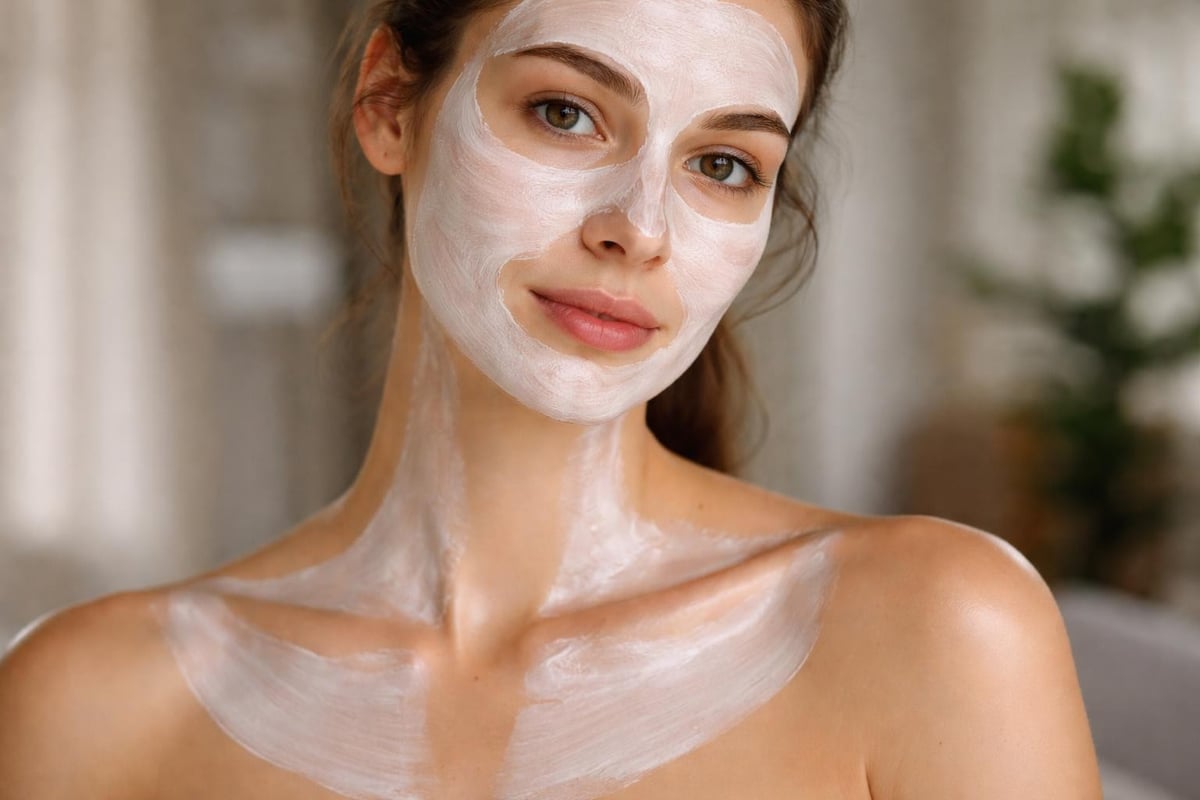
Many people skip the neck and décolletage, yet these areas show aging and dullness as readily as facial skin. Extending face pack application to these zones creates cohesive radiance rather than a distinct demarcation between glowing face and neglected neck.
Timing and Removal
Longer application time doesn't equal better results. Each formulation has an optimal contact time based on ingredient activity and base formula.
| Pack Type | Recommended Time | Signs of Completion |
|---|---|---|
| Clay-based | 10-15 minutes | Mostly dry but not cracking |
| Cream hydrating | 15-20 minutes | Absorbed or slightly tacky |
| Sheet masks | 15-20 minutes | Essence mostly absorbed |
| Exfoliating | 5-10 minutes | Tingling subsides |
| Overnight | 6-8 hours | Morning routine |
Remove face packs for glowing skin with lukewarm water and soft cloths rather than hot water and abrasive materials. Hot water strips natural oils, whilst rough removal can irritate skin and negate the treatment's benefits.
Pre-Made Versus DIY: Making Informed Choices
The debate between commercial and homemade face packs for glowing skin often generates more heat than light. Both approaches have legitimate applications depending on your priorities, resources, and skin requirements.
Advantages of DIY Formulations
Homemade face packs offer complete ingredient transparency and customization. You control every component, avoiding preservatives, fragrances, or fillers that might irritate sensitive skin.
Natural face pack recipes provide accessible starting points using kitchen ingredients. However, effectiveness varies significantly based on preparation methods, ingredient quality, and user technique.
DIY benefits:
- No synthetic preservatives needed for single-use batches
- Cost-effective for basic formulations
- Immediate freshness without oxidation concerns
- Complete customization based on current skin needs
- Educational value in understanding ingredient interactions
Fresh ingredients contain active enzymes and compounds that degrade in commercial products despite stabilizers. A freshly prepared yogurt and honey mask delivers live cultures and enzymes impossible to preserve in shelf-stable formulations.
Commercial Product Advantages
Pre-formulated face packs offer consistency, convenience, and access to ingredients difficult to source or stabilize at home. Professional formulations balance pH, optimize ingredient concentrations, and incorporate actives requiring specific delivery systems.
Commercial benefits:
- Standardized concentrations for predictable results
- Stabilized ingredients that maintain potency
- Access to advanced actives and delivery technologies
- Safety testing and quality control
- Convenience for consistent routine adherence
Certain ingredients like retinoids, stable vitamin C derivatives, and peptides require professional formulation to remain effective. Attempting to DIY these compounds often results in inactive or irritating products.
Selecting quality face packs requires evaluating ingredient lists, concentration transparency, and formulation pH when applicable. Not all commercial products offer superior quality to DIY options, particularly those heavy on fillers and light on actives.
Hybrid Approach for Optimal Results
Rather than choosing exclusively DIY or commercial, strategic combination leverages both approaches' strengths.
Use commercial products for:
- Advanced actives requiring professional formulation
- Treatments needed consistently over time
- Ingredients with stability or safety concerns when DIY
- Convenience during busy periods
Use DIY for:
- Fresh enzyme and probiotic treatments
- Basic hydrating and soothing masks
- Customization based on current skin fluctuations
- Cost-effective weekly treatments
This hybrid model provides flexibility whilst maintaining the structure necessary for consistent results. Ayurvedic face pack traditions demonstrate how time-tested natural formulations can complement modern skincare technology rather than compete with it.
Common Mistakes That Undermine Results
Even well-formulated face packs for glowing skin fail when applied incorrectly or integrated poorly into overall skincare. Awareness of frequent errors helps you avoid undermining your own efforts.
Over-Treatment and Barrier Damage
Enthusiasm often leads to excessive treatment frequency. The skin barrier requires time to process actives and rebuild between intensive treatments. Daily face packing with active ingredients strips protective lipids faster than skin can regenerate them.
Signs of over-treatment:
- Increased sensitivity to products previously tolerated
- Persistent redness or flushing
- Tightness and dehydration despite moisturizer use
- Increased breakouts (from compromised barrier function)
- Stinging or burning with previously gentle products
Recovery requires reducing treatment frequency and emphasizing barrier repair through ceramides, cholesterol, and fatty acids. This counterintuitive approach (doing less when skin looks worse) challenges many people but proves essential for restoration.
Ignoring Skin's Changing Needs
Your skin's requirements shift with seasons, hormones, stress levels, and environmental factors. A face pack formulation perfect for summer might prove inadequate in winter, whilst stress-related inflammation requires different ingredients than routine maintenance.
Rigid adherence to a single face pack formula ignores these fluctuations. Building a small collection addressing different needs (clarifying, hydrating, brightening, calming) allows responsive treatment.
Neglecting Supporting Steps
Face packs deliver concentrated benefits, but their results diminish quickly without proper follow-up care. Applying a brightening mask then skipping sunscreen allows UV exposure to trigger new pigmentation. Using a hydrating pack without sealing moisture permits trans-epidermal water loss that negates the treatment.
Essential supporting steps:
- Toner or essence: Rebalances pH and primes for absorption
- Targeted serums: Delivers concentrated actives to specific concerns
- Moisturizer: Seals in treatment benefits and supports barrier
- Sunscreen (morning): Protects from UV damage that causes dullness
- Overnight treatment (evening): Enhances repair during sleep
The best practices for face pack use emphasize integration rather than isolation, viewing treatments as components within a complete system.
Measuring Progress and Adjusting Protocols
Subjective assessment of "glow" proves unreliable. Lighting conditions, mood, and expectations colour perception. Objective tracking methods provide clearer progress indicators and inform necessary adjustments.
Documentation and Assessment
Photography under consistent conditions (same location, time, lighting) creates comparable records. Take photos before starting a new face pack protocol, then weekly thereafter from identical angles and distances.
Tracking parameters:
- Overall radiance and light reflection
- Texture smoothness (zoomed photos reveal changes)
- Tone evenness and hyperpigmentation intensity
- Pore appearance and clarity
- Hydration levels (visible plumpness)
Written notes complement photos by capturing subjective experiences photos cannot show: how skin feels, makeup application smoothness, compliments received, and confidence levels.
Timeline Expectations
Realistic expectations prevent premature protocol abandonment. Different skin concerns require different timelines for visible improvement.
| Concern | Initial Improvement | Significant Change | Optimal Results |
|---|---|---|---|
| Hydration | 1-3 days | 1-2 weeks | 4-6 weeks |
| Texture | 1-2 weeks | 4-6 weeks | 8-12 weeks |
| Brightness | 2-3 weeks | 6-8 weeks | 12-16 weeks |
| Pigmentation | 4-6 weeks | 8-12 weeks | 16-24 weeks |
| Pore appearance | 2-4 weeks | 6-8 weeks | 12-16 weeks |
Cell turnover cycles determine improvement speed. Skin regenerates approximately every 28 days in young adults, slowing to 45-60 days with age. Multiple turnover cycles must occur before significant visible changes accumulate.
When to Modify Your Approach
Lack of progress after appropriate timelines signals the need for protocol adjustment. However, distinguishing between insufficient time and genuinely ineffective treatment requires honest assessment.
Consider modifying when:
- No improvement after 2-3 complete skin turnover cycles
- Worsening of targeted concerns despite consistent use
- New concerns emerging (sensitivity, breakouts, excessive dryness)
- Seasonal changes requiring different formulation
- Lifestyle shifts affecting skin needs (stress, travel, climate change)
Modification doesn't necessarily mean complete protocol overhaul. Often, adjusting single variables (frequency, concentration, supporting products) resolves issues whilst maintaining beneficial elements.
Integrating Face Packs With Modern Treatment Technologies
Face packs for glowing skin need not exist in isolation from contemporary skincare innovations. Strategic integration creates synergistic benefits exceeding what either approach achieves alone.
Complementary Treatment Modalities
Light therapy, microcurrent, and targeted delivery systems address skin concerns through different mechanisms than topical ingredients. Combining these modalities with face packs creates multi-pronged approaches to radiance improvement.
Red light therapy stimulates cellular energy production and circulation, enhancing skin's ability to utilize nutrients from face packs. Blue light addresses acne-causing bacteria, improving clarity alongside clarifying face pack treatments.
Synergistic combinations:
- Clay mask + blue light therapy for comprehensive congestion management
- Brightening face pack + red light for enhanced circulation and glow
- Hydrating mask + gentle microcurrent for improved product penetration
- Peptide treatment + barrier-supporting ingredients for optimal anti-aging
Timing these combinations requires consideration. Some treatments work better sequentially (face pack, then device therapy), whilst others prove more effective when reversed (device therapy to prime, then treatment absorption).
Precision Targeting for Stubborn Concerns
Some concerns resist improvement from periodic face pack application alone. Persistent hyperpigmentation, localized texture issues, and specific problem zones benefit from more targeted, sustained treatment.
Modern delivery systems like dissolving micro-technology provide continuous active delivery to specific zones over extended periods. This precision approach complements the broad application of face packs, addressing stubborn individual concerns whilst maintaining overall skin health.
Strategic combination of periodic broad treatments (face packs) with continuous targeted intervention (precision patches or focused device therapy) creates comprehensive improvement across both specific problems and general skin quality.
Building Long-Term Skin Confidence
Sustainable radiance comes not from perfect product selection but from consistent, intelligent application within a structured system. Face packs for glowing skin serve as periodic boost treatments within a larger framework designed for long-term skin confidence rather than temporary improvements.
The Psychology of Structured Skincare
Random product application creates anxiety and uncertainty. Structured systems with defined roles for each product provide clarity and confidence. You understand why you're using each treatment, when to apply it, and what results to expect.
This psychological component proves as valuable as the physical benefits. Confidence in your approach reduces the temptation to constantly add new products or abandon effective protocols prematurely.
System-building principles:
- Assign each product a specific role (target, boost, or maintain)
- Eliminate redundant products serving identical functions
- Create clear application schedules based on skin's recovery capacity
- Track progress objectively to inform adjustments
- Prioritize consistency over perfection
Face packs for glowing skin fit naturally into the "boost" category, providing periodic intensive nourishment that daily products cannot deliver as effectively. This clear role prevents overuse whilst ensuring regular application.
Adapting to Life's Realities
Perfect adherence to any protocol proves impossible long-term. Travel, stress, illness, and schedule disruptions interrupt even the most committed routines. Building flexibility into your system prevents complete abandonment during challenging periods.
Adaptive strategies:
- Develop a minimal routine for disrupted periods (travel, extreme busy-ness)
- Pre-portion face pack ingredients for quick preparation
- Keep commercial alternatives for when DIY isn't feasible
- Accept that maintenance during difficult periods beats abandonment
- Resume full protocols gradually rather than attempting immediate return
Various face pack formulations offer different convenience levels, allowing selection based on current circumstances rather than forcing impractical adherence.
Beyond Surface Treatments
True radiance reflects overall wellness, not just topical treatments. Sleep quality, hydration, nutrition, and stress management influence skin appearance as significantly as any face pack.
A face pack for glowing skin applied to dehydrated, sleep-deprived, stress-affected skin yields limited results. Integrated wellness approaches that address lifestyle factors alongside targeted skincare deliver superior, sustainable outcomes.
This holistic perspective doesn't diminish face packs' value. Rather, it positions them appropriately within comprehensive skin health strategies that acknowledge the complex interplay between internal and external factors affecting radiance.
Face packs for glowing skin deliver measurable radiance improvements when formulated thoughtfully and integrated into structured routines that respect your skin's needs and recovery requirements. Understanding ingredient mechanisms, proper application techniques, and realistic timelines transforms face packs from hopeful rituals into reliable tools for long-term skin confidence. If you're ready to move beyond random product application toward a disciplined, system-led approach where every treatment serves a defined purpose, explore how Routine. Beauty rethinks skincare through precision targeting, strategic boosting, and intelligent maintenance designed for real life.

