


Korean skincare has transformed the global beauty industry through its innovative approach to hydration, formulation science, and multi-functional product design. The korean face moisturiser category represents years of research into skin barrier health, ingredient bioavailability, and sustainable hydration mechanisms that work across diverse skin types and climates. Unlike traditional Western moisturisers that often rely on heavy occlusives, Korean formulations emphasise lightweight layering, fermented actives, and synergistic ingredient combinations that deliver long-lasting moisture without overwhelming the skin. This approach aligns perfectly with modern skincare philosophy: precision, simplicity, and measurable results.
Understanding Korean Moisturiser Formulation Philosophy
Korean beauty brands approach moisturiser development through a fundamentally different lens than their Western counterparts. The focus centres on skin barrier optimisation rather than surface-level hydration alone.
Traditional moisturisers typically combine three component types: humectants that draw water into the skin, emollients that smooth and soften, and occlusives that seal moisture in. Korean formulations take this framework and elevate it through fermentation technology, botanical extraction methods, and molecular weight manipulation that allows actives to penetrate more effectively.
The Science Behind Fermented Ingredients
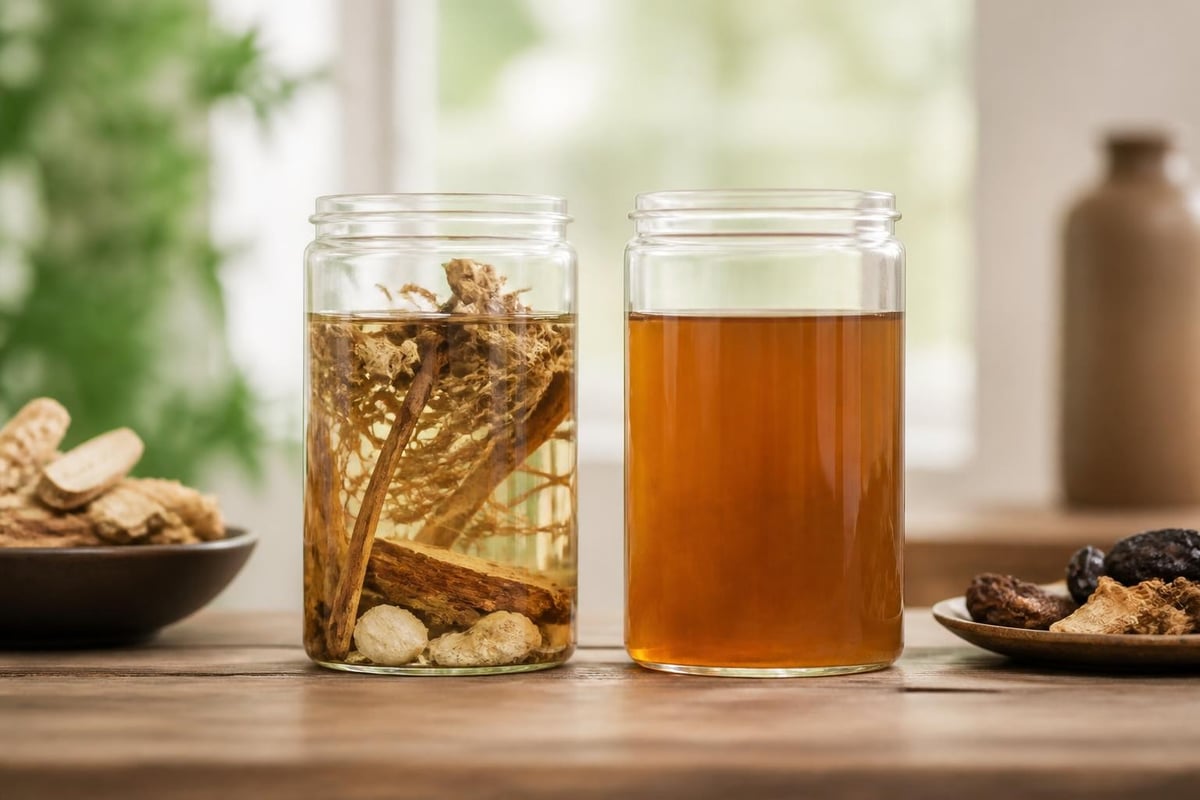
Fermentation breaks down ingredient molecules into smaller, more bioavailable forms that skin cells absorb more readily. This process also creates beneficial metabolites, including:
- Amino acids that support collagen synthesis and skin repair
- Organic acids that gently exfoliate and brighten
- Peptides that signal cellular renewal processes
- Probiotics that support the skin microbiome
Research published on PubMed examining bioactive ingredients in Korean cosmeceuticals demonstrates that fermented extracts show enhanced antioxidant activity and skin penetration compared to non-fermented versions. This scientific validation explains why fermented rice, soy, and yeast extracts appear so frequently in korean face moisturiser formulations.
Texture Innovation and Sensory Design
Korean moisturisers pioneered gel-creams, essence-lotions, and water-based formulas that feel weightless yet deliver intense hydration. This texture engineering serves multiple purposes beyond aesthetics.
Lighter textures encourage consistent use, particularly in humid climates or among users with oily skin types who historically avoided moisturiser altogether. The sensory experience becomes part of the therapeutic ritual, transforming a functional step into a moment of self-care that reinforces routine adherence.
| Texture Type | Key Characteristics | Best For | Absorption Time |
|---|---|---|---|
| Gel-Cream | Lightweight, bouncy, cooling | Combination to oily skin | 30-60 seconds |
| Essence-Lotion | Watery, layerable, fast-absorbing | All skin types, layering enthusiasts | 15-30 seconds |
| Sleeping Mask | Rich, occlusive, overnight treatment | Dry skin, intensive repair | Designed to remain on skin |
| Ampoule-Cream | Concentrated, silky, treatment-focused | Mature skin, specific concerns | 45-90 seconds |
Key Ingredients That Define Korean Face Moisturisers
The ingredient philosophy behind Korean skincare emphasises both immediate benefits and long-term skin health improvement. Rather than chasing trends, formulations build on ingredients with robust research backing.
Hyaluronic Acid in Multiple Molecular Weights
Korean face moisturiser formulations frequently employ hyaluronic acid at varying molecular weights within a single product. This layered approach provides benefits at different skin depths:
High molecular weight hyaluronic acid (over 1000 kDa) remains on the skin surface, creating a moisture-retaining film that prevents transepidermal water loss. Medium molecular weight (100-1000 kDa) penetrates into the upper epidermis, plumping fine lines. Low molecular weight (under 100 kDa) reaches deeper skin layers, supporting moisture from within.
This multi-weight strategy delivers both instant and sustained hydration, a hallmark of advanced korean face moisturiser technology.
Centella Asiatica and Madecassoside
Centella asiatica, known as "cica" or "tiger grass," appears across Korean skincare lines for its proven anti-inflammatory and wound-healing properties. The plant's active compounds-madecassoside, asiaticoside, madecassic acid, and asiatic acid-work synergistically to:
- Reduce redness and irritation
- Accelerate barrier repair after treatments
- Support collagen synthesis
- Provide antioxidant protection
For users incorporating active treatments like retinoids, acids, or targeted devices, a korean face moisturiser containing centella derivatives offers essential soothing and recovery support.
Niacinamide for Multi-Functional Benefits
Niacinamide (vitamin B3) demonstrates remarkable versatility backed by extensive research. At concentrations between 2-5%, this ingredient addresses multiple skin concerns simultaneously without the irritation potential of stronger actives.
Studies referenced in scientific reviews of modern moisturisers confirm that niacinamide strengthens the skin barrier, regulates sebum production, reduces hyperpigmentation, and minimises pore appearance. Korean formulations leverage these properties, often combining niacinamide with complementary ingredients that enhance its efficacy.
Selecting the Right Korean Face Moisturiser for Your Skin Type
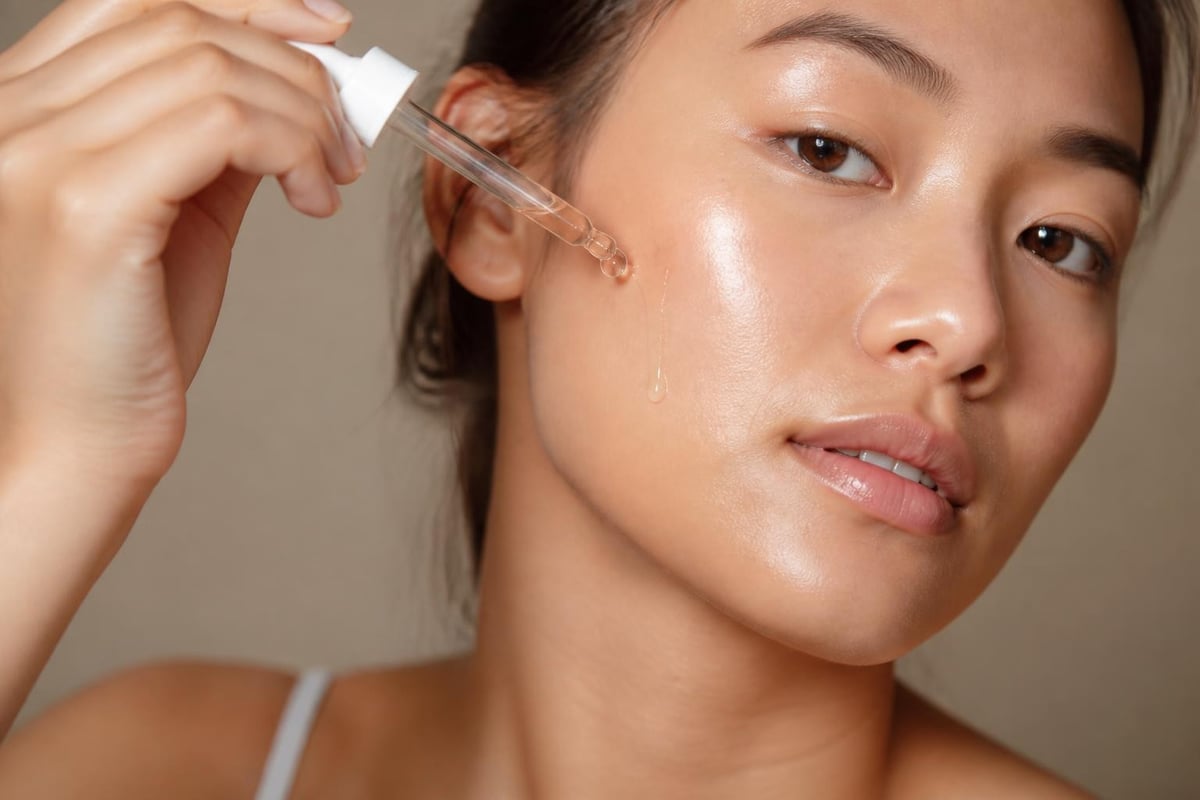
Product selection requires understanding both your current skin condition and your broader skincare ecosystem. A moisturiser doesn't function in isolation-it interacts with everything else in your routine.
For Oily and Combination Skin
Oily skin types benefit from gel-based or water-cream korean face moisturiser formulations that provide hydration without adding unnecessary oils. Look for ingredients like:
- Birch sap for mineral-rich hydration
- Green tea extract for antioxidant and sebum-regulating benefits
- Beta-glucan for soothing without heaviness
- Lightweight peptides for barrier support
Glamour's dermatologist-approved guide highlights several options specifically formulated for oil control while maintaining adequate moisture levels. The key lies in distinguishing between dehydration and oiliness-often oily skin lacks water, not oil, and responds well to hydrating ingredients that don't trigger excess sebum production.
For Dry and Mature Skin
Dry skin requires more robust moisturisation with ingredients that both hydrate and prevent moisture loss. Korean formulations address this through ceramide complexes, plant oils, and enhanced occlusive layers.
Effective ingredients include:
- Ceramide NP, AP, and EOP to restore barrier lipids
- Squalane for biomimetic moisture retention
- Shea butter or meadowfoam seed oil for nourishing emollience
- Adenosine for wrinkle improvement (approved by Korean FDA)
Mature skin particularly benefits from korean face moisturiser products incorporating adenosine, as this nucleoside derivative demonstrates clinically proven wrinkle-reducing effects when used consistently over 12 weeks.
For Sensitive and Reactive Skin
Sensitive skin demands minimal ingredient lists focused on barrier repair and inflammation reduction. Korean brands excel at creating gentle yet effective formulations by eliminating common irritants and focusing on proven soothers.
Priority ingredients include:
- Panthenol (Pro-vitamin B5) for healing and moisture retention
- Allantoin for calming and protecting
- Mugwort extract for traditional anti-inflammatory benefits
- Beta-glucan from oats or mushrooms for immune support
The best korean face moisturiser for sensitive skin avoids fragrance (even natural essential oils), alcohol denatured, and harsh preservatives, focusing instead on minimal, high-quality ingredients with established safety profiles.
Building a Structured Routine Around Korean Moisturiser
A moisturiser achieves maximum effectiveness when integrated into a thoughtful, disciplined routine rather than used sporadically or in isolation. The Korean skincare philosophy embraces this systems-thinking approach.
The Target-Boost-Maintain Framework
Modern skincare benefits from clear categorisation where each product serves one defined role. This prevents overlap, reduces irritation from excessive layering, and makes it easier to identify what's actually working.
Target refers to treatments that address specific concerns-blemishes, pigmentation, texture irregularities, or localised issues. These precision interventions work on particular areas without affecting the entire face.
Boost encompasses devices and technologies that enhance skin function-circulation support, barrier optimisation, or active delivery systems that prepare skin to respond better to treatments.
Maintain includes your korean face moisturiser and other products that sustain results, protect against environmental stress, and keep skin balanced day-to-day.
This structure ensures your moisturiser isn't fighting against harsh treatments or duplicating functions better served by targeted solutions.
Morning Versus Evening Moisturiser Selection
Your skin's needs shift throughout the day based on environmental exposure, activity levels, and natural circadian rhythms. Many users benefit from different korean face moisturiser choices for morning and evening.
| Time | Primary Functions | Ideal Formulation | Key Ingredients |
|---|---|---|---|
| Morning | Protection, prep for SPF, makeup base | Lightweight, fast-absorbing | Niacinamide, antioxidants, hyaluronic acid |
| Evening | Repair, recovery, intensive hydration | Richer, slower-absorbing | Ceramides, peptides, adenosine |
Morning formulations should layer seamlessly under sunscreen without pilling or creating greasiness. Evening products can be more treatment-focused, incorporating actives that work during the skin's natural repair cycle.
Layering Korean Moisturiser with Other Products
The famous Korean "10-step routine" taught the world about layering, but the key isn't the number of steps-it's the logic behind sequencing.
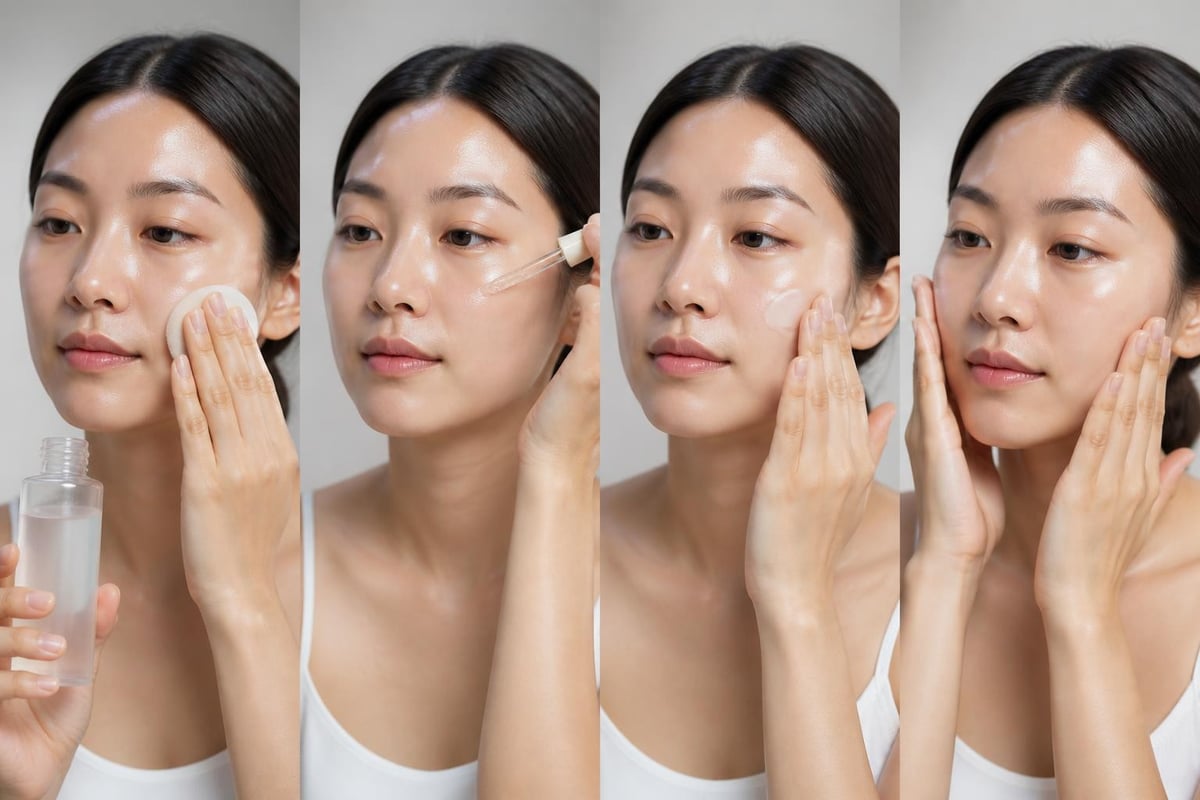
Apply products from thinnest to thickest consistency, allowing each layer to absorb before adding the next. Your korean face moisturiser typically comes after:
- Cleanser and toner/essence
- Targeted treatments (serums, ampoules)
- Eye cream (if used)
Then seal everything with sunscreen in the morning or a sleeping mask at night if additional occlusion is needed.
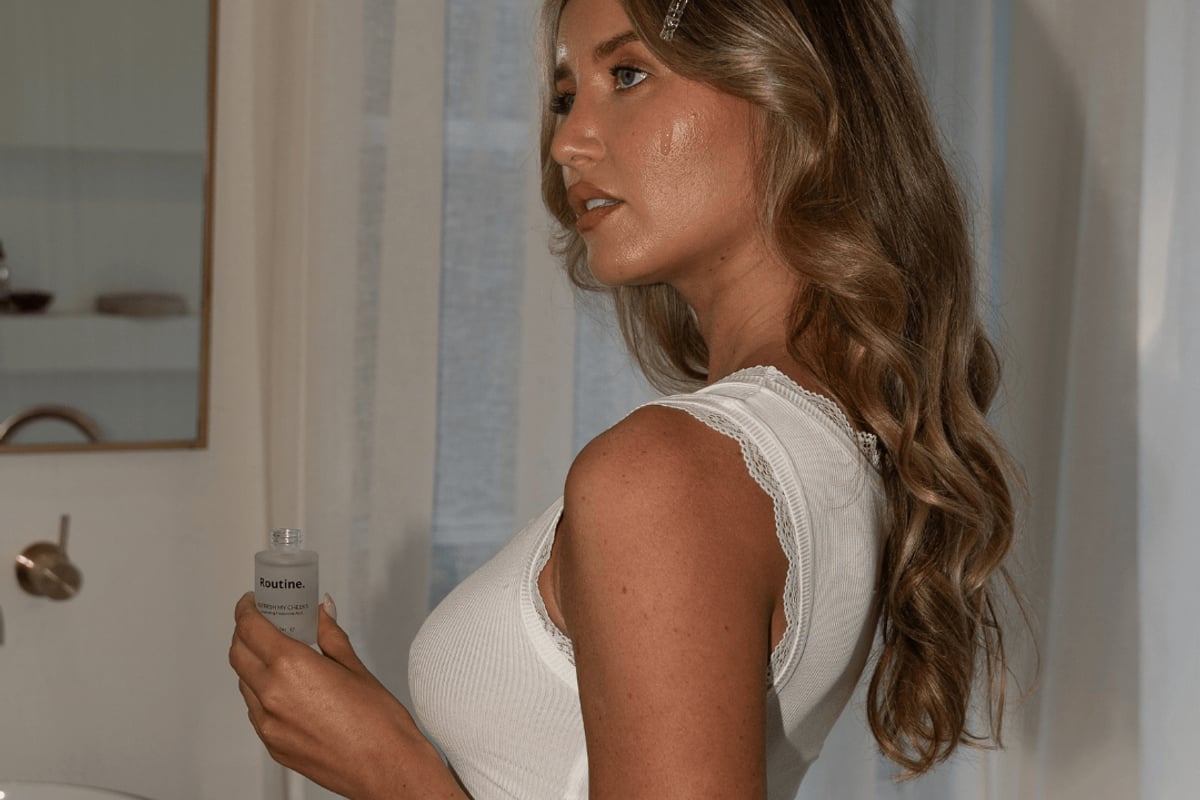
A lightweight hydrating serum can support this structure beautifully. Refresh My Cheeks replenishes moisture and soothes skin after targeted treatments, helping maintain the balanced environment your korean face moisturiser builds upon.
Innovative Technologies in Korean Face Moisturisers
Korean beauty brands continuously invest in research and development, bringing cosmeceutical-grade technologies to consumer products at accessible price points.
Liposomal Delivery Systems
Liposomes are microscopic spheres made from the same lipids found in cell membranes. These carriers encapsulate active ingredients, protecting them from degradation and delivering them deeper into the skin where they provide maximum benefit.
A korean face moisturiser using liposomal technology can transport ingredients like retinol, vitamin C, or peptides past the skin's outer defences, increasing bioavailability without requiring higher concentrations that might cause irritation.
Micro-Encapsulation and Time-Release Formulas
Some advanced formulations incorporate micro-encapsulated actives that break down gradually, providing sustained release over hours. This technology offers several advantages:
- Reduced irritation from high-concentration actives
- Extended efficacy throughout the day or night
- Improved stability of sensitive ingredients
- More controlled interaction with other routine products
Vogue's examination of cutting-edge Korean moisturisers explores several brands employing these technologies to enhance product performance beyond traditional formulation methods.
Biomimetic and Nature-Identical Ingredients
Rather than relying solely on plant extracts, Korean skincare increasingly uses lab-created ingredients that perfectly match compounds naturally found in healthy skin. These biomimetic ingredients include:
- Squalane (derived from olives or sugarcane, identical to human sebum component)
- Synthetic ceramides (matching skin's natural ceramide profile)
- Biomimetic peptides (signalling molecules that trigger specific skin responses)
This approach delivers consistency, purity, and sustainability advantages while maintaining the efficacy of nature-inspired skincare.
Understanding Glass Skin and Dewy Finish Aesthetics
The "glass skin" trend popularised by Korean beauty culture represents more than aesthetic preference-it signals genuinely healthy, well-hydrated skin with an intact barrier and optimal cellular function.
What Glass Skin Actually Indicates
Glass skin describes a complexion that appears:
- Luminous and reflective without obvious oils
- Smooth and even in texture
- Plump and hydrated at a cellular level
- Clear with minimal pores or imperfections
Achieving this requires a korean face moisturiser that hydrates thoroughly without creating greasiness, combined with a complete routine addressing barrier health, cellular turnover, and protection from environmental damage.
Who What Wear's guide to high-tech Korean moisturisers explores products specifically formulated to support this aesthetic through advanced hydration technology and light-reflecting ingredients.
The Science of Skin Luminosity
Skin appears luminous when light reflects evenly across its surface rather than scattering due to texture irregularities or dehydration. Several factors contribute:
Surface smoothness allows consistent light reflection. Well-hydrated skin cells lie flat and even rather than curling at edges when dehydrated.
Barrier integrity prevents transepidermal water loss that creates dull, flaky appearance. A properly formulated korean face moisturiser supplies the lipids and moisture needed to maintain this barrier.
Cellular turnover removes dead cells that scatter light randomly. Many Korean moisturisers incorporate gentle exfoliating ingredients like PHA or enzyme extracts that support this process without irritation.
Seasonal Adjustments and Climate Considerations
Your skin's moisture requirements fluctuate based on environmental humidity, temperature, and seasonal changes. A korean face moisturiser that works perfectly in humid summer might prove insufficient during dry winter months.
Adapting to Australian Climate Variations
Australia presents unique skincare challenges with intense UV exposure, varying humidity levels across regions, and dramatic seasonal shifts in some areas.
Tropical and coastal regions with high humidity year-round benefit from lighter gel-cream formulations that won't feel heavy or trigger excess oil production in the heat.
Temperate zones with distinct seasons require moisturiser adjustments. Summer calls for lightweight hydration, while winter demands richer formulations or layering strategies to combat heater-induced dryness.
Arid inland areas present constant dehydration challenges requiring robust moisture barriers and humectant-rich korean face moisturiser formulations that draw atmospheric moisture to the skin.
Indoor Environmental Factors
Modern life exposes skin to artificial environments that often prove more dehydrating than outdoor conditions. Consider:
- Air conditioning that strips moisture from air and skin
- Central heating that creates extremely dry conditions
- Artificial lighting and screen exposure
- Airplane travel with exceptionally low cabin humidity
These factors may necessitate more intensive moisturisation than outdoor climate alone would suggest, or carrying a supplementary hydration product for mid-day application.
Reading Korean Labels and Understanding Ingredient Lists
Korean cosmetic labelling follows INCI (International Nomenclature of Cosmetic Ingredients) standards with Korean language accompanying English or Latin names. Understanding how to decode these labels empowers better product selection.
Ingredient Order and Concentration
Like most regions, Korean regulations require ingredients listed in descending order by concentration until reaching 1%, after which order becomes flexible. This means the first five ingredients typically comprise the majority of the formula.
A quality korean face moisturiser should list functional ingredients within the first ten positions, not buried at the end where concentrations might be too low for efficacy.
Recognising Marketing Terms Versus Active Ingredients
Korean packaging often highlights trendy ingredients or benefits, but label scrutiny reveals whether these claims have substance. Look for:
Specific ingredient names rather than vague "botanical complex" or "proprietary blend"
Concentration indicators when provided (many Korean brands now include percentage listings for key actives)
Clinical ingredient forms like "niacinamide" rather than marketing terms like "vitamin B3 complex"
Marie Claire's comprehensive guide evaluates korean face moisturiser options partly based on ingredient transparency and clinically-proven component inclusion.
Price Points and Value Considerations
Korean skincare spans from accessible drugstore options to luxury treatments, but price doesn't always correlate directly with quality or effectiveness.
What You're Paying For
Understanding cost factors helps assess value:
| Price Factor | Impact on Cost | Impact on Results |
|---|---|---|
| Research and development | Moderate to high | Can be significant for innovative formulations |
| Ingredient quality and sourcing | Moderate | Important for stability and efficacy |
| Packaging design | Low to high | Minimal effect on performance |
| Brand positioning and marketing | High | No direct effect on results |
| Manufacturing standards | Moderate | Affects consistency and purity |
A well-formulated mid-range korean face moisturiser often delivers comparable results to luxury options, particularly when key active concentrations are similar and formulation quality meets professional standards.
Evaluating Cost Per Use
The 50ml or 100ml jar might seem expensive initially, but calculate actual cost per application. A korean face moisturiser requiring only a small amount per use may last six months, making it more economical than a larger, cheaper product that demands generous application for adequate hydration.
Consider also whether the product prevents or reduces need for additional corrective treatments, potentially saving money long-term through prevention rather than correction.
Integration with Treatment Devices and Technologies
Modern skincare increasingly combines topical products with devices that enhance absorption, boost cellular activity, or target specific concerns through non-invasive technologies.
Preparing Skin for Device Treatments
Using a korean face moisturiser after device treatments supports recovery and maximises results. Many devices generate mild heat or mechanical action that temporarily increases skin permeability, making the post-treatment window ideal for applying hydrating and reparative ingredients.
Light therapy devices that support circulation and inflammation control work synergistically with moisturiser application, helping actives distribute more effectively while the skin's enhanced blood flow supports nutrient delivery and waste removal.
Supporting Long-Term Skin Confidence
Consistent moisturisation combined with targeted treatments and supportive technologies creates the foundation for lasting skin health rather than temporary improvements that disappear when products stop.
This systematic approach-where each element serves a defined purpose and works together rather than competing-represents the future of effective skincare. Your korean face moisturiser isn't just a standalone product; it's part of an ecosystem designed to maintain the results your targeted treatments achieve.
Sustainability and Ethical Considerations in Korean Beauty
The Korean beauty industry increasingly addresses environmental and ethical concerns, responding to consumer demand for responsible production practices.
Packaging Innovation
Many Korean brands now offer:
- Refillable systems that reduce plastic waste
- Recyclable materials with clear sorting instructions
- Minimalist packaging that eliminates unnecessary components
- Biodegradable or ocean-safe formulations
When selecting a korean face moisturiser, consider whether the brand demonstrates genuine commitment to sustainability beyond marketing claims.
Ingredient Sourcing and Fair Trade
Transparent supply chains and fair trade certification for botanical ingredients represent growing priorities. Some Korean brands partner directly with farming communities, ensuring quality control while supporting ethical harvesting practices.
Fermented ingredients often come from food-industry byproducts, representing an upcycling approach that reduces waste while creating effective skincare actives.
Common Mistakes When Using Korean Face Moisturiser
Even quality products underperform when used incorrectly. Avoiding these common errors ensures you receive full benefits from your korean face moisturiser investment.
Over-Layering and Product Congestion
More products don't automatically mean better results. Excessive layering can:
- Prevent proper absorption of any single product
- Create pilling or balling when products interact poorly
- Overwhelm skin, triggering breakouts or irritation
- Make it impossible to identify which products actually work
Focus on quality over quantity, ensuring each product serves a distinct purpose within your routine structure.
Applying to Dry Skin
Korean skincare philosophy emphasises applying moisturiser to damp skin, maximising hydration by sealing in water already present on the skin surface. This simple technique dramatically improves efficacy without requiring more product.
After cleansing or applying toner, pat skin until just damp-not dripping but not completely dry-then apply your korean face moisturiser immediately.
Inconsistent Application
Sporadic use prevents most skincare ingredients from demonstrating their full potential. Ingredients like niacinamide, ceramides, and adenosine require consistent application over weeks to produce visible improvements.
Building a sustainable routine you'll actually maintain delivers better results than an elaborate regimen you abandon after two weeks.
Ignoring Neck and Décolletage
These areas show ageing as readily as the face but often receive less attention. Extend your korean face moisturiser application down the neck and across the chest, using upward motions that support rather than drag delicate skin.
Addressing Specific Skin Concerns with Korean Moisturisers
Beyond basic hydration, many korean face moisturiser formulations target particular concerns through specialised ingredients and delivery systems.
Hyperpigmentation and Uneven Tone
Look for moisturisers incorporating:
- Alpha-arbutin for gentle melanin suppression
- Vitamin C derivatives (ascorbyl glucoside, ethyl ascorbic acid) for brightening
- Tranexamic acid for stubborn discolouration
- Licorice root extract for inflammation-related darkening
These ingredients work gradually with consistent use, supporting the improvements achieved by targeted treatments while maintaining overall skin health.
Texture Irregularities and Enlarged Pores
Ingredients that refine texture include:
- PHA (polyhydroxy acids) for gentle surface smoothing
- Niacinamide for pore appearance reduction
- Peptides that support dermal density
- Adenosine for improved skin elasticity
Combination with appropriate exfoliation and barrier support creates the smooth, refined surface characteristic of well-maintained skin.
Redness and Sensitivity
Anti-inflammatory korean face moisturiser formulations feature:
- Centella asiatica and its derivatives
- Panthenol for barrier repair
- Allantoin for soothing
- Ceramides to reduce permeability and reactivity
These ingredients calm existing inflammation while strengthening skin against future triggers.
Expert Application Techniques for Maximum Efficacy
How you apply your korean face moisturiser influences how well it performs. Professional techniques maximise absorption and benefits.
The Pressing Method
Rather than rubbing moisturiser into skin, use gentle pressing motions:
- Warm product between palms for 5-10 seconds
- Press palms against face, holding for 2-3 seconds
- Repeat across all facial zones
- Use fingertips for detailed areas around nose and eyes
This technique minimises tugging that can contribute to premature sagging while encouraging deeper product penetration.
Facial Massage Integration
Incorporating brief massage while applying your korean face moisturiser supports lymphatic drainage and circulation:
- Sweep outward from nose to temples
- Move upward from jawline to cheekbones
- Circle gently around eye area from inner to outer corner
- Stroke down the neck from jaw to collarbone
These movements take only 30-60 seconds but enhance product absorption while providing stress-relief benefits.
Strategic Layering for Problem Areas
Areas needing extra attention-like dry patches, nasolabial folds, or dehydration-prone zones-benefit from focused application. After applying moisturiser to your entire face, add a second thin layer to these specific areas, pressing it in thoroughly.
This targeted approach addresses individual needs without over-moisturising areas that don't require it.
The Role of pH and Formulation Chemistry
Korean skincare brands pay particular attention to pH levels, recognising that skin functions optimally within a specific range.
Skin's Natural Acid Mantle
Healthy skin maintains a pH between 4.5 and 5.5, creating an acidic environment that:
- Discourages harmful bacterial growth
- Supports beneficial skin microbiome
- Optimises enzyme function for barrier repair
- Maintains proper moisture retention
A well-formulated korean face moisturiser respects this pH range rather than disrupting it with alkaline formulations that compromise skin health.
Ingredient Stability and pH
Some active ingredients perform optimally only within specific pH ranges. Korean formulations often employ:
- Buffering systems that maintain stable pH throughout the product
- pH-adjusters that ensure ingredients remain active
- Separation of incompatible actives into different products for optimal efficacy
This attention to formulation chemistry explains why some korean face moisturiser products deliver superior results despite similar ingredient lists to competitors.
Future Trends in Korean Moisturiser Development
The Korean beauty industry continues evolving, with several emerging trends likely to influence korean face moisturiser formulations in coming years.
Personalisation and Custom Formulation
Technology enabling personalised skincare based on genetic testing, microbiome analysis, or environmental factors represents the next frontier. Some Korean brands already offer custom-blended moisturisers tailored to individual assessment results.
This precision approach moves beyond skin type categories toward truly individualised care that addresses specific barrier compositions, moisture retention capabilities, and sensitivity patterns.
Microbiome-Focused Formulations
Research increasingly demonstrates that skin's bacterial ecosystem influences everything from hydration to inflammation to ageing. Future korean face moisturiser formulations will likely incorporate:
- Prebiotics that feed beneficial bacteria
- Probiotics (beneficial bacteria themselves, when stable)
- Postbiotics (beneficial metabolites from bacterial fermentation)
This approach supports skin health at a fundamental level rather than merely addressing symptoms.
Clean and Transparent Beauty Standards
Consumer demand for ingredient transparency, safety data, and environmental responsibility continues growing. Korean brands respond with:
- Full ingredient disclosure including processing methods
- Third-party testing verification
- Sustainable sourcing documentation
- Clear communication about what ingredients do and why they're included
This transparency helps consumers make informed decisions based on their values and specific skin needs.
Korean face moisturisers combine innovative formulation science with time-tested ingredients to deliver effective, elegant hydration across all skin types. By understanding the philosophy behind these products and integrating them thoughtfully into a structured routine, you create the foundation for long-term skin confidence.
Routine. Beauty builds on this same principle of systematic, purposeful skincare. Rather than accumulating endless products, Routine. offers a clear ecosystem where each treatment, device, and maintenance formula serves one defined role and works together as part of a disciplined approach. Discover how precision-focused skincare can transform your daily routine into a sustainable system for lasting results.

