


The youth skincare landscape has shifted dramatically over the past five years, with tweens and teenagers now navigating a complex marketplace once reserved for adults. Social media platforms overflow with product recommendations, multi-step routines, and influencer endorsements that promise transformative results. Yet beneath this glamorous surface lies a critical question: what does developing skin actually need, and how can young people build sustainable habits that support long-term skin health? Understanding the fundamentals of youth skincare requires separating evidence-based practices from marketing hype whilst recognising the unique characteristics of adolescent skin.
Understanding the Biology of Young Skin
Adolescent skin operates differently from adult skin, with distinct physiological processes that influence how it responds to products and environmental factors. During puberty, hormonal fluctuations trigger increased sebum production, often resulting in oilier skin texture and heightened acne susceptibility. The skin's natural barrier function continues developing throughout adolescence, making it simultaneously more resilient and more vulnerable than many people realise.
The skin microbiome in young people is still establishing its balanced ecosystem of beneficial bacteria. Harsh products or overly aggressive routines can disrupt this delicate balance, potentially creating long-term complications rather than solving immediate concerns. Research indicates that youth skincare should prioritise maintaining the skin's natural protective mechanisms rather than attempting to correct problems that haven't yet developed.
Sebum Production and Hormonal Changes
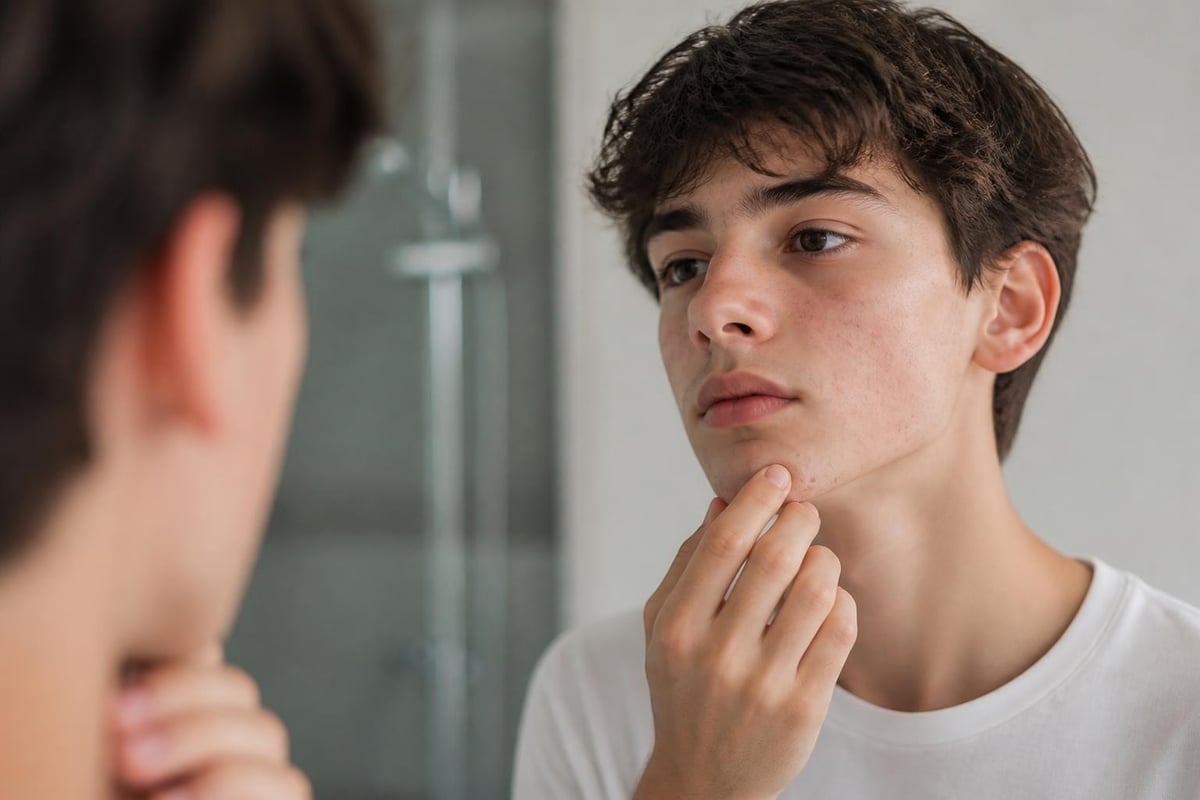
Between ages 10 and 16, sebaceous glands increase activity significantly, responding to androgens that surge during puberty. This biological shift explains why many young people experience their first breakouts during middle school years. The increased oil production serves a protective function, but when combined with dead skin cells and bacteria, it can lead to blocked pores.
Understanding this natural process helps frame realistic expectations for youth skincare outcomes. No product can stop hormonal changes, but appropriate cleansing and maintenance can support skin through this transitional period without causing unnecessary irritation or damage.
Common Mistakes in Youth Skincare Approaches
The explosion of skincare content targeting young audiences has created several problematic patterns that dermatologists increasingly warn against. Complex, multi-step routines borrowed from adult skincare regimens often contain ingredients that developing skin doesn't need and may not tolerate well.
Over-cleansing ranks among the most frequent mistakes. Young people, concerned about oily skin or breakouts, may wash their face four or five times daily with harsh cleansers. This strips the skin's natural oils, triggering a rebound effect where sebaceous glands produce even more oil to compensate. The result creates a frustrating cycle that actually worsens the original concern.
Inappropriate Active Ingredients
Many trending products contain potent active ingredients formulated for mature skin concerns like fine lines, hyperpigmentation, or loss of elasticity. When young people incorporate retinoids, high-percentage acids, or intensive vitamin C serums into their routines, they risk damaging their skin's protective barrier without addressing relevant concerns.
| Ingredient Type | Adult Skin Purpose | Youth Skin Risk |
|---|---|---|
| Retinoids (high concentration) | Anti-ageing, cell turnover | Excessive dryness, irritation, barrier damage |
| Alpha Hydroxy Acids (>10%) | Exfoliation, texture refinement | Over-exfoliation, sensitivity, compromised protection |
| Vitamin C (>15%) | Brightening, antioxidant | Unnecessary strength, potential irritation |
| Multiple actives layered | Targeted correction of age-related concerns | Overwhelming young skin, inflammation |
The growing obsession with complex skincare among tweens and teens reflects social media influence more than actual skincare needs. Products marketed with appealing packaging and influencer endorsements often contain formulations that may harm rather than help developing skin.
Age-Appropriate Youth Skincare Foundations
Effective youth skincare centres on three fundamental practices: gentle cleansing, appropriate moisturisation, and consistent sun protection. These pillars address the actual needs of adolescent skin without introducing unnecessary complexity or risk.
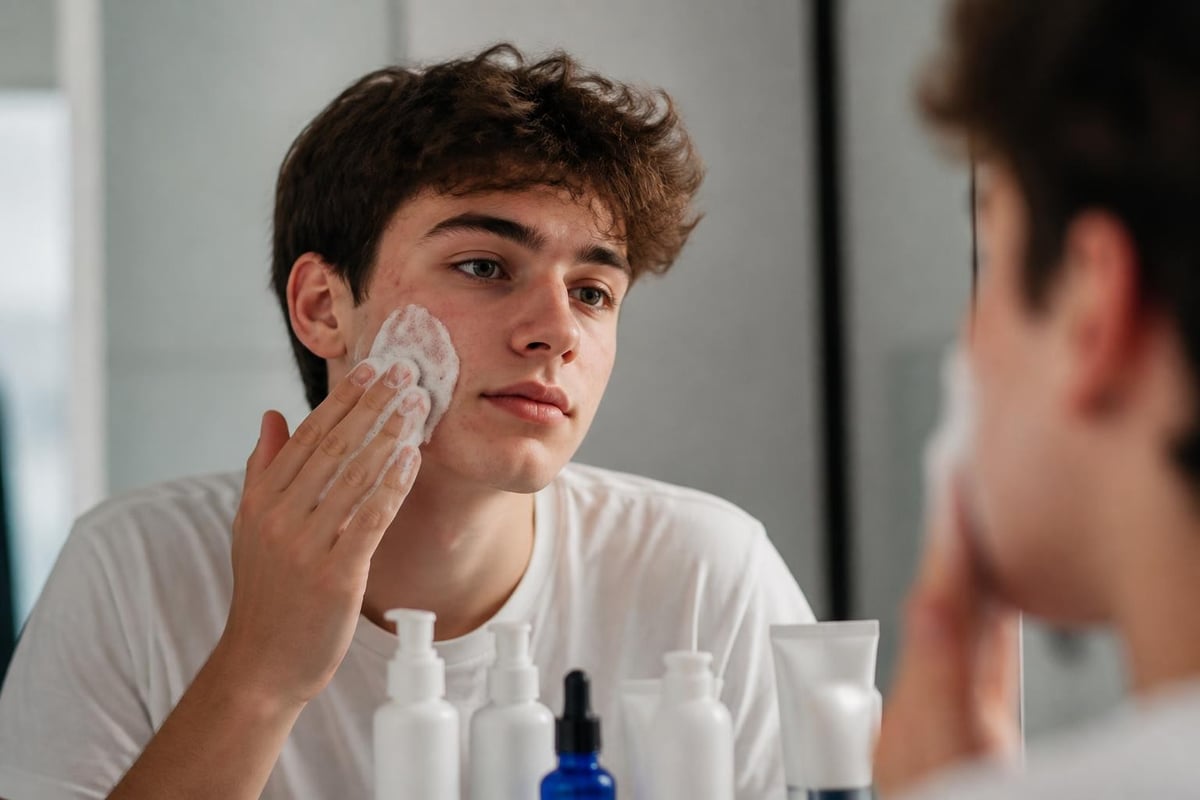
Cleansing twice daily with a mild, pH-balanced cleanser removes excess oil, environmental pollutants, and product build-up without stripping essential lipids. The ideal cleanser should leave skin feeling clean but not tight, squeaky, or uncomfortable. For most young people, a simple cream or gel cleanser without added fragrances or essential oils provides sufficient cleansing power.
The Role of Moisturisation
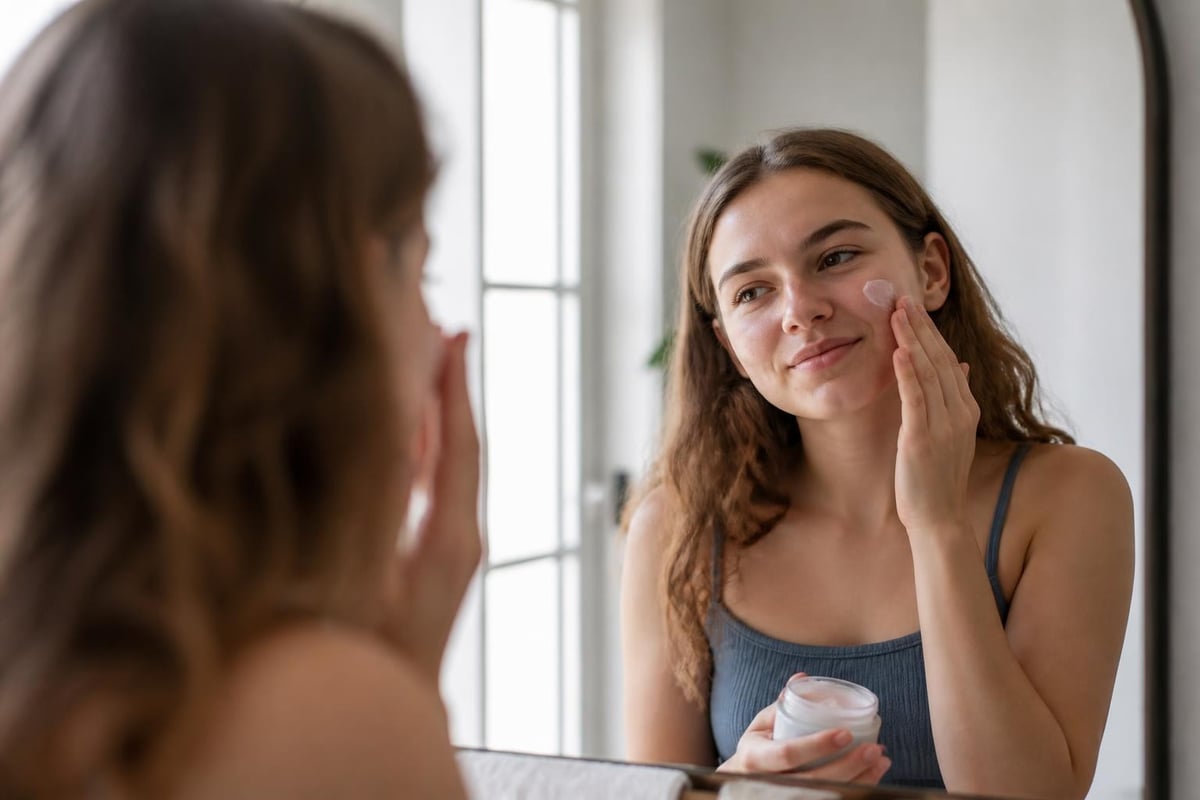
Even oily skin requires appropriate hydration. When young people skip moisturiser, fearing it will make skin greasier, they may actually trigger increased oil production as the skin attempts to compensate for dehydration. Lightweight, non-comedogenic formulations provide necessary hydration without clogging pores or creating unwanted shine.
- Choose gel-based or lightweight lotions for oilier skin types
- Apply moisturiser while skin is still slightly damp to lock in hydration
- Look for formulations with hyaluronic acid or glycerin for effective, gentle hydration
- Avoid heavy creams or occlusives unless skin is genuinely dry
Sun protection represents the single most important preventive measure in any youth skincare routine. Daily broad-spectrum SPF application prevents cumulative UV damage that manifests decades later as premature ageing, hyperpigmentation, and increased skin cancer risk. Dermatologists emphasise that establishing sun protection habits during youth provides lifelong benefits.
Addressing Common Youth Skin Concerns
Whilst basic routines suffice for many young people, specific concerns may require targeted intervention. The key lies in addressing these issues with age-appropriate solutions rather than adopting intensive adult treatments.
Acne Management for Young Skin
Acne affects approximately 85% of people between ages 12 and 24, making it the most common youth skincare concern. Effective management begins with understanding that not all acne responds to the same treatment approach.
Comedonal acne (blackheads and whiteheads) often responds well to gentle salicylic acid products used once daily. This beta hydroxy acid penetrates pores, dissolving the debris that creates blockages without requiring harsh scrubbing or aggressive exfoliation.
Inflammatory acne (red, painful pimples) may benefit from benzoyl peroxide products, which kill acne-causing bacteria and reduce inflammation. Starting with lower concentrations (2.5% rather than 10%) minimises irritation whilst still providing therapeutic benefits.
For persistent or severe acne, professional consultation becomes essential. Dermatologists can prescribe appropriate treatments, including topical retinoids formulated for adolescent skin or, when necessary, oral medications that address hormonal factors driving breakout patterns.
The Influence of Social Media on Youth Skincare
TikTok, Instagram, and YouTube have fundamentally transformed how young people learn about and engage with skincare. Influencers with millions of followers demonstrate elaborate routines, recommend specific products, and create trends that spread rapidly through youth communities. Dermatologists express concern about the disconnect between viral skincare content and evidence-based recommendations.
The "glass skin" trend, originating in Korean beauty culture, encourages extensive layering of hydrating products to achieve a luminous, poreless appearance. Whilst this approach may suit some adult skin types, young people with naturally robust collagen and elastin don't require such intensive hydration. The multiple product layers can overwhelm young skin, potentially causing congestion or sensitivity.
Decoding Influencer Marketing
Many young content creators partner with brands, receiving free products or payment in exchange for positive reviews and recommendations. This commercial relationship doesn't necessarily invalidate their opinions, but it creates inherent bias that young audiences may not recognise.
Critical thinking skills help youth evaluate skincare information more effectively:
- Question whether the influencer has relevant expertise or qualifications
- Consider whether they disclose sponsored content clearly
- Research ingredient claims through reputable scientific sources
- Recognise that individual results vary significantly
- Understand that lighting, filters, and editing can dramatically alter how skin appears in photos and videos
Building these analytical skills extends beyond skincare, developing media literacy that serves young people across all aspects of digital content consumption.
System-Based Thinking in Youth Skincare
Rather than accumulating individual products based on trending recommendations, effective youth skincare benefits from systematic thinking. Each product should serve a specific purpose within a coherent routine, with clear understanding of how different steps work together.
The Target. Boost. Maintain. framework offers a structured approach that prevents product overload whilst ensuring comprehensive skin support. Targeting addresses specific concerns with precision, boosting enhances skin function where needed, and maintaining preserves results through consistent foundational care.
For young people dealing with occasional blemishes or marks, precision treatments deliver active ingredients exactly where needed without exposing surrounding healthy skin to unnecessary intervention. This targeted approach proves particularly valuable during adolescence when skin concerns often appear localised rather than widespread.
Tools that support skin function through non-invasive methods complement topical products effectively. Technologies that promote circulation, calm inflammation, or enhance product absorption can accelerate improvement whilst teaching young people that effective skincare extends beyond what you apply topically.

Building a Sustainable Routine Structure
Youth skincare routines should grow with changing needs rather than remaining static. A 12-year-old experiencing their first breakouts requires different support than a 17-year-old managing persistent acne or post-inflammatory marks.
| Age Range | Primary Focus | Appropriate Complexity |
|---|---|---|
| 10-12 years | Basic hygiene, gentle cleansing, sun protection | 2-3 products maximum |
| 13-15 years | Oil control, early acne management, consistent habits | 3-4 targeted products |
| 16-18 years | Specific concern addressing, refinement, prevention | 4-5 products with clear purposes |
This graduated approach prevents overwhelming young people with excessive choices whilst ensuring their routine remains relevant to current needs. Regular reassessment every 6-12 months allows adjustments as skin changes and concerns evolve.
The Psychology of Youth Skincare Engagement
Skincare routines serve psychological functions beyond their direct skin benefits. For many young people, a consistent morning and evening routine provides structure, self-care time, and a sense of control during a period often characterised by physical and emotional changes.
The ritual aspect of skincare can reduce anxiety, create mindful moments, and establish healthy self-maintenance habits that extend into adulthood. When approached thoughtfully, youth skincare becomes an opportunity to develop patience, consistency, and realistic expectations rather than perfectionism or appearance obsession.
Balancing Self-Care and Self-Criticism
The line between healthy skin consciousness and problematic appearance anxiety requires careful navigation. Parents, educators, and healthcare providers play crucial roles in helping young people develop balanced perspectives on their appearance and skincare needs.
Warning signs that skincare interest has become unhealthy include:
- Spending excessive time or money on products and routines
- Experiencing significant distress about minor skin imperfections
- Avoiding social situations due to skin concerns
- Using products despite obvious irritation or worsening symptoms
- Comparing appearance obsessively to filtered or edited images online
When skincare engagement supports overall wellbeing, builds confidence, and incorporates evidence-based practices, it contributes positively to adolescent development. When it feeds anxiety, perfectionism, or disordered thinking about appearance, professional support may benefit the young person.
Ethical Considerations in Youth Skincare Marketing
Marketing practices targeting youth skincare raise important ethical questions about vulnerability, informed consent, and commercial exploitation. Young people possess developing critical thinking skills and may struggle to recognise manipulative advertising tactics or distinguish between genuine education and product promotion.
Brands bear responsibility for age-appropriate messaging, accurate ingredient communication, and avoiding tactics that prey on adolescent insecurities. Regulatory frameworks continue evolving to address these concerns, but gaps remain in oversight and enforcement.
Responsible Brand Practices
Ethical youth skincare companies demonstrate several key characteristics:
- Transparent ingredient disclosure with age-appropriate usage guidance
- Educational content that prioritises skin health over product sales
- Realistic imagery that doesn't rely on heavy filtering or editing
- Clear warnings about ingredients unsuitable for developing skin
- Accessible customer service that can answer questions about appropriate usage
Young consumers and their parents should prioritise brands demonstrating these commitments, using purchasing power to reward responsible practices and discourage exploitative marketing.
Environmental Factors in Youth Skincare
Beyond products and routines, environmental factors significantly influence adolescent skin health. Diet, sleep, stress, and lifestyle choices all contribute to how skin functions and appears during these formative years.
Nutrition provides the building blocks for healthy skin cell production and repair. Adequate protein supports collagen synthesis, essential fatty acids maintain barrier function, and antioxidants from colourful fruits and vegetables protect against oxidative stress. Guidance on age-appropriate skincare emphasises that internal health significantly impacts external appearance.
Sleep and Skin Regeneration
During adolescence, sleep needs actually increase compared to childhood, with most teenagers requiring 8-10 hours nightly for optimal function. Skin regeneration occurs predominantly during sleep, with cellular repair, collagen production, and toxin elimination ramping up during deep sleep stages.
Chronic sleep deprivation in young people correlates with increased inflammation, slower wound healing, and accelerated skin ageing. Establishing consistent sleep schedules provides skincare benefits that no topical product can replicate.
Stress management also plays crucial roles in youth skincare outcomes. Cortisol and other stress hormones trigger inflammatory responses, increase oil production, and can exacerbate acne, eczema, and other skin conditions. Teaching young people stress reduction techniques like mindfulness, exercise, or creative expression supports skin health alongside overall wellbeing.
Navigating Professional Skincare Guidance
Knowing when to seek professional help represents an important aspect of effective youth skincare management. Whilst many concerns respond well to over-the-counter products and basic routines, certain situations warrant dermatological consultation.
Red flags that indicate professional assessment would benefit young people include:
- Painful cystic acne or nodular breakouts
- Sudden changes in skin texture, colour, or sensitivity
- Persistent conditions that don't improve with basic treatment after 6-8 weeks
- Signs of infection like warmth, spreading redness, or pus
- Psychological distress related to skin appearance
Dermatologists specialising in adolescent skin bring expertise in age-appropriate treatments, can prescribe medications when necessary, and help young people develop realistic expectations about treatment timelines and outcomes.
Questions to Ask Skincare Professionals
When consulting healthcare providers about youth skincare, productive conversations begin with clear communication about concerns, current routine, and treatment goals. Young people should feel empowered to ask:
- What's causing my specific skin concern, and what are realistic improvement expectations?
- Which ingredients should I look for or avoid given my age and skin type?
- How long before I should expect to see results from recommended treatments?
- What side effects might occur, and how should I respond if they develop?
- Do you recommend specific product brands, and do you have any financial relationships with those companies?
These questions promote informed decision-making and help establish trust between young patients and their healthcare providers.
Long-Term Perspectives on Youth Skincare
The habits, knowledge, and attitudes young people develop around skincare often persist throughout adulthood. Establishing appropriate practices during the teen years creates foundations for lifelong skin health, sun protection consistency, and balanced self-care approaches.
Prevention focus during youth provides significant advantages compared to corrective treatments later in life. Daily sun protection started at age 12 prevents vastly more UV damage than intensive anti-ageing treatments begun at age 40. Similarly, learning to manage acne appropriately during adolescence reduces scarring and hyperpigmentation that might otherwise require complex treatments in adulthood.
Education as Investment
Time spent learning about skin biology, ingredient functions, and evidence-based practices during youth pays dividends throughout life. Young people who understand how their skin works, what it genuinely needs, and how to evaluate product claims become empowered consumers less vulnerable to marketing manipulation or trend-driven spending.
This educational foundation also supports critical thinking skills applicable far beyond skincare, teaching young people to:
- Question claims and seek evidence before accepting information
- Recognise commercial bias in content and recommendations
- Understand that complex problems rarely have simple solutions
- Appreciate that consistency matters more than perfection
- Value long-term health over short-term aesthetic trends
These metacognitive skills serve young people throughout their lives, extending the value of youth skincare education well beyond clear skin outcomes.
Practical Implementation Strategies
Translating youth skincare knowledge into consistent action requires practical strategies that account for real-world challenges teenagers face. Busy schedules, limited budgets, shared bathrooms, and competing priorities all influence routine adherence.
Simplicity increases sustainability. A three-step routine (cleanse, treat if needed, protect) performed consistently outperforms an elaborate ten-step routine done sporadically. Young people should identify the minimum effective routine that addresses their specific needs, then build additional steps only if clear benefits justify the extra time and cost.
Morning Versus Evening Routines
Adapting routines to different times of day maximises effectiveness whilst maintaining simplicity:
Morning focus:
- Gentle cleanse to remove overnight oil and product buildup
- Lightweight moisturiser if needed for comfort
- Broad-spectrum SPF 30+ (this step is non-negotiable)
Evening focus:
- Thorough cleanse to remove sunscreen, pollutants, and daily accumulation
- Targeted treatments for specific concerns (if applicable)
- Moisturiser to support overnight repair processes
This framework accommodates rushed school mornings whilst allowing more comprehensive evening care when time pressure typically decreases.
Budget-Conscious Youth Skincare
Effective youth skincare doesn't require premium pricing or luxury brands. Many affordable products contain evidence-based ingredients at appropriate concentrations, delivering results comparable to expensive alternatives.
Price comparison strategies help young people and families maximise skincare budgets:
| Product Type | Budget Option Focus | What to Prioritise |
|---|---|---|
| Cleanser | Simple, fragrance-free formulations | pH balance, gentle surfactants |
| Moisturiser | Non-comedogenic, basic hydrators | Glycerin, hyaluronic acid, ceramides |
| Sunscreen | Broad-spectrum, SPF 30-50 | Compliance (will you actually use it?) |
| Treatment | Single-ingredient products | Appropriate concentration for age |
Investing in quality sunscreen whilst economising on other steps represents sound financial prioritisation given sun protection's outsized impact on long-term skin health outcomes.
Product Longevity and Waste Reduction
Teaching young people appropriate product amounts extends supply life and reduces environmental waste. A pea-sized amount of cleanser, moisturiser, or treatment typically suffices for the entire face. Sunscreen requires approximately 1/4 teaspoon for face coverage, or 1/2 teaspoon when including neck and ears.
Multi-purpose products also enhance budget efficiency. A gentle, fragrance-free moisturiser suitable for both face and body reduces the number of separate products needed, simplifying routines whilst decreasing total spending.
The Role of Dermaplaning, Extractions, and Professional Treatments
Professional treatments marketed to adults increasingly target younger audiences, raising questions about age-appropriateness and necessity. Most dermatologists advise against professional extractions, dermaplaning, chemical peels, or laser treatments for typical adolescent skin concerns.
Home extraction attempts pose particular risks. Squeezing, picking, or attempting to manually extract comedones damages surrounding tissue, increases inflammation, and significantly raises scarring risk. The temporary satisfaction of removing a visible blemish often creates longer-term complications that prove far more difficult to address than the original concern.
When professional intervention becomes truly necessary (such as for deeply embedded comedones or stubborn milia), licensed aestheticians or dermatologists perform extractions in controlled, sterile conditions using appropriate tools and techniques. The difference between professional and amateur extraction isn't merely skill, it's understanding when extraction genuinely helps versus when it causes unnecessary trauma.
Building Youth Skincare Literacy
Empowering young people to make informed skincare decisions requires accessible education about ingredients, product types, and how to evaluate claims. This literacy begins with understanding basic terminology and builds toward critical evaluation skills.
Common ingredient categories worth understanding:
- Humectants (glycerin, hyaluronic acid): attract water to skin
- Emollients (squalane, fatty acids): smooth and soften
- Occlusives (petrolatum, dimethicone): seal in moisture
- Exfoliants (AHAs, BHAs): remove dead skin cells
- Antioxidants (vitamin C, niacinamide): protect against environmental damage
Young people don't need to become cosmetic chemists, but recognising these basic categories helps them understand what different products actually do versus what marketing claims suggest.
Evaluating Product Claims
Youth skincare products frequently make impressive-sounding claims that may or may not reflect genuine efficacy. Developing evaluation frameworks helps young consumers distinguish between evidence-based benefits and marketing hyperbole:
- Look for specific, measurable claims rather than vague promises
- Check whether clinical studies support claims, and whether those studies were conducted on relevant age groups
- Be sceptical of "miracle" ingredients or rapid transformation promises
- Consider whether the product format can actually deliver claimed benefits
- Recognise that "natural," "clean," and "non-toxic" lack regulatory definitions and may not indicate superior safety or efficacy
These critical thinking skills protect young consumers from wasting money on ineffective products whilst helping them identify genuinely beneficial options worth incorporating into their routines.
Cultural Perspectives on Youth Skincare
Youth skincare approaches vary significantly across cultures, reflecting different beauty ideals, ingredient traditions, and attitudes toward skin health. Korean and Japanese skincare cultures emphasise prevention and maintenance from young ages, whilst Western approaches have traditionally focused more on problem correction.
K-beauty philosophy introduced many Westerners to concepts like extensive sun protection, hydration layering, and preventive care. Whilst some K-beauty practices suit all ages, others (particularly elaborate multi-step routines) exceed most young people's actual needs.
French skincare tradition emphasises minimalism, quality over quantity, and developing a signature routine rather than constantly chasing trends. This philosophy often aligns well with age-appropriate youth skincare recommendations, focusing on mastering basics before adding complexity.
Avoiding Cultural Appropriation While Learning From Global Practices
Young people can learn valuable lessons from skincare traditions worldwide without appropriating cultural practices or reducing complex traditions to superficial trends. Respectful engagement involves:
- Understanding the cultural context behind practices, not just adopting surface-level aesthetics
- Supporting brands from the cultures that originated specific approaches
- Recognising that what works in one climate, lifestyle, or skin type may not translate universally
- Avoiding reducing entire skincare philosophies to Instagram-friendly aesthetics
This culturally informed approach enriches youth skincare understanding whilst promoting respect and global awareness.
Youth skincare succeeds when it balances evidence-based practices with age-appropriate simplicity, building habits that support long-term skin confidence rather than chasing temporary trends. By focusing on gentle cleansing, targeted treatment when genuinely needed, and consistent protection, young people establish foundations that serve them throughout life. If you're ready to experience skincare that fits into real life with clear purpose and measurable results, discover how Routine. Beauty brings structure and simplicity to your skincare journey through our Target. Boost. Maintain. system.

