


Glossy skin has become the hallmark of healthy, well-maintained skin in 2026. This coveted look goes beyond simple dewiness or artificial shine-it represents a fundamental shift in how we understand skin health, barrier function, and the interplay between hydration, light reflection, and cellular vitality. Achieving genuinely glossy skin requires more than slathering on highlighters or oils; it demands a systematic approach rooted in science, consistency, and understanding exactly what your skin needs to reflect light naturally and maintain that enviable luminosity throughout the day.
Understanding the Science Behind Glossy Skin
Glossy skin isn't just about surface appearance. It's a reflection of what's happening at multiple layers of your skin simultaneously.
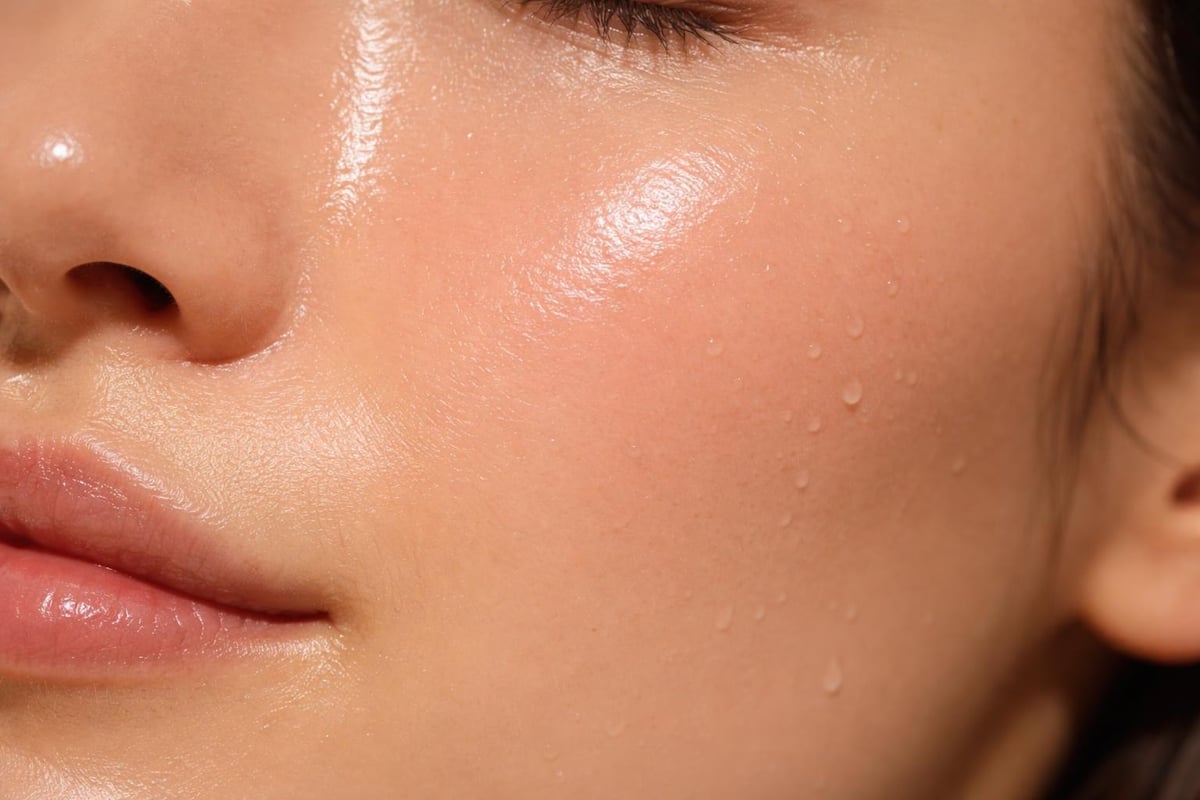
The epidermis-your outermost layer-plays a crucial role in determining how light interacts with your skin's surface. When skin cells are plump with water, properly aligned, and topped with an intact lipid barrier, light bounces off evenly rather than scattering. This creates that signature glossy finish.
The Hydration-Luminosity Connection
True glossiness begins at the cellular level. According to evidence-based research on topical treatments, skin quality improvements depend significantly on barrier function and moisture retention capacity.
Key hydration factors include:
- Humectants that draw water into the skin
- Occlusives that prevent transepidermal water loss
- Emollients that smooth the surface texture
- Natural moisturising factors that support cellular hydration
When these elements work together, skin maintains optimal hydration levels throughout the day. This isn't just about drinking water-though that helps-it's about ensuring your skin can capture, hold, and distribute moisture effectively across all layers.
Surface Texture and Light Reflection
Even perfectly hydrated skin won't achieve that glossy look if the surface is rough or uneven. Dead skin cells, flakiness, and texture irregularities scatter light rather than reflecting it uniformly.
| Texture Factor | Impact on Glossiness | Solution Approach |
|---|---|---|
| Dead cell buildup | Dulls light reflection | Regular gentle exfoliation |
| Rough patches | Creates uneven shine | Smoothing treatments |
| Enlarged pores | Breaks up surface uniformity | Pore-refining actives |
| Fine lines | Interrupts light path | Plumping hydration |
The goal isn't to strip away your protective barrier but to support natural cell turnover while maintaining hydration. This delicate balance separates genuinely healthy glossy skin from temporarily shiny but compromised skin.
Building a System for Glossy Skin
Achieving and maintaining glossy skin isn't about individual hero products. It requires a structured system where each component has a specific role.
Target Phase: Addressing Specific Concerns
Before you can achieve overall glossiness, you need to address any specific issues preventing your skin from reflecting light evenly. Dark spots, textured areas, or patches of dehydration create breaks in that uniform surface.
Targeted treatments work best when they deliver actives precisely where needed. This focused approach prevents overtreatment of already healthy areas while giving problem zones the concentrated attention they require.
Targeted treatment considerations:
- Identify exact areas needing intervention
- Choose delivery methods that concentrate actives
- Monitor response and adjust frequency
- Avoid spreading treatments unnecessarily
For precision targeting of texture irregularities or marks that interrupt glossiness, the Routine. Peptide MicroPatch offers a controlled delivery system. These dissolving micro-tip patches place brightening and smoothing actives exactly where you apply them, treating specific zones without affecting surrounding skin.
Boost Phase: Enhancing Skin Response
Once targeted concerns are addressed, the boost phase amplifies your skin's natural regenerative processes. This is where technologies that support circulation, cellular activity, and inflammation management become valuable.
Red and blue light therapy has gained significant attention in dermatology for good reason. Red light supports circulation and collagen activity, contributing to plumpness and resilience. Blue light helps manage inflammation and bacteria, keeping skin calmer and clearer.
The key is consistency rather than intensity. Daily, gentle sessions build cumulative benefits without overwhelming the skin. This approach aligns with the principle that glossy skin results from sustained health rather than dramatic interventions.
The Role of Barrier Health in Maintaining Glossiness
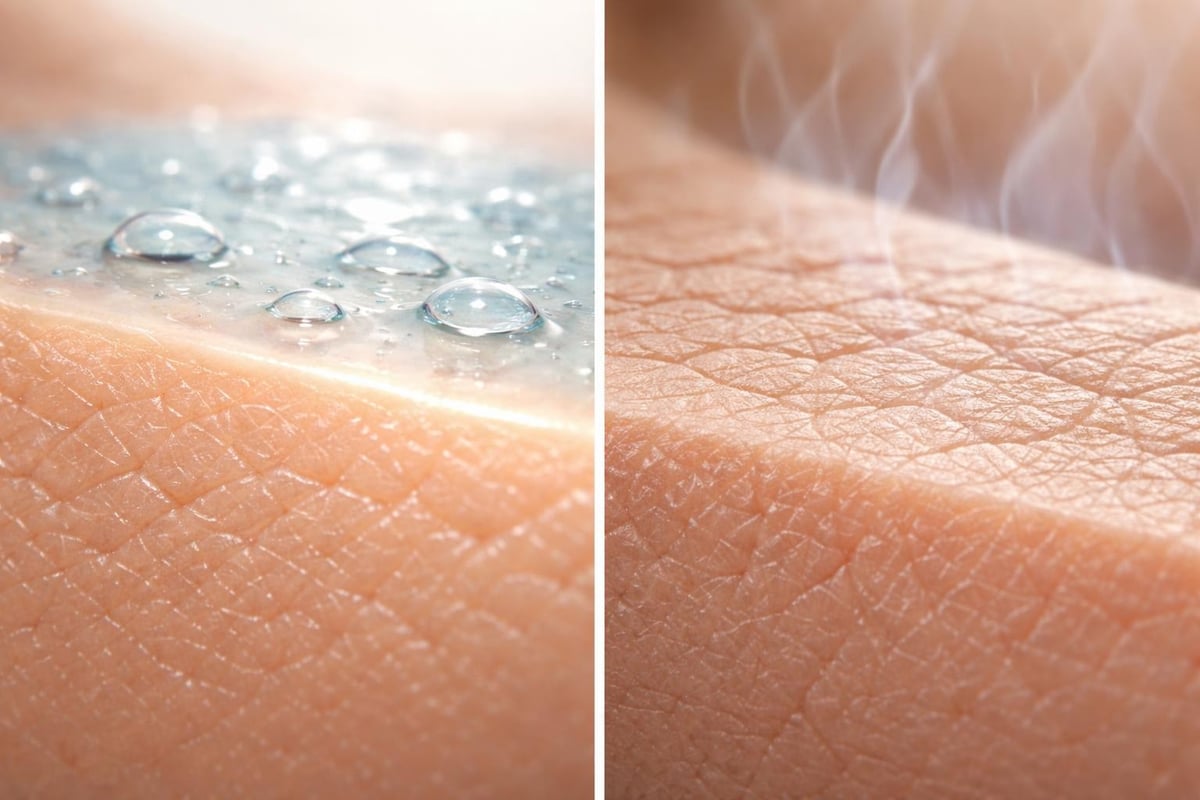
Your skin barrier is perhaps the most critical factor in sustaining glossy skin over time. A compromised barrier leads to water loss, inflammation, sensitivity, and that dull, lacklustre appearance that no amount of highlighting can fix.
Recognising Barrier Damage
Understanding what damages your barrier helps you avoid practices that undermine your glossiness goals.
Common barrier disruptors:
- Over-exfoliation or aggressive chemical peels
- Hot water exposure
- Harsh surfactants in cleansers
- Environmental stressors (pollution, UV, wind)
- Inconsistent skincare routines
Many people unknowingly damage their barrier while pursuing glossy skin. They over-exfoliate, layer too many actives, or skip moisturising steps thinking their skin looks "too shiny." This creates a cycle of damage and temporary fixes rather than sustained health.
Rebuilding and Protecting
Barrier repair requires patience and the right support ingredients. Ceramides, cholesterol, and fatty acids in proper ratios help reconstruct lipid layers. Soothing ingredients calm inflammation that can further damage barrier function.
| Barrier-Supporting Ingredient | Primary Function | Benefit for Glossiness |
|---|---|---|
| Ceramides | Lipid layer repair | Improved water retention |
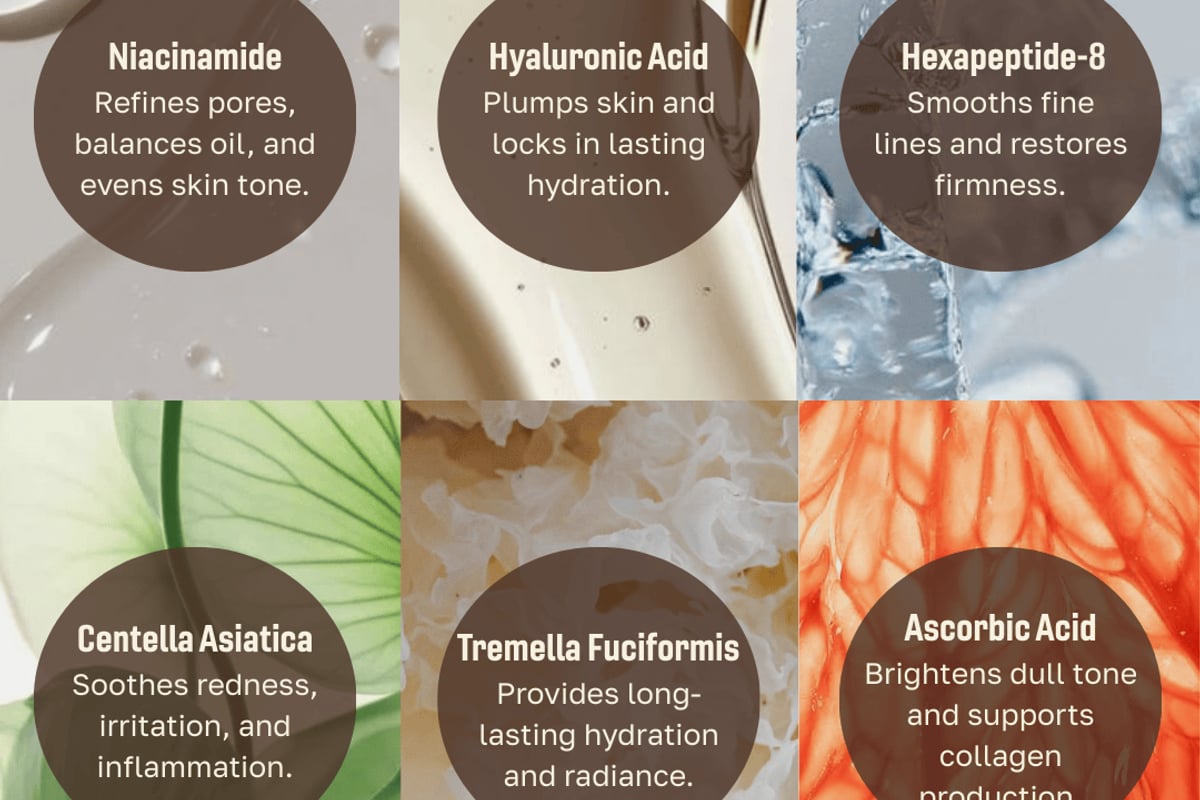
| Niacinamide | Anti-inflammatory | Reduced redness, even tone |
| Centella asiatica | Healing support | Faster barrier recovery |
| Hyaluronic acid | Humectant hydration | Surface plumpness |
The maintain phase of any effective skincare system focuses heavily on this protective function. It's not the glamorous step, but it's what allows all your targeted and boosting efforts to actually show results.
Ingredient Intelligence for Glossy Skin
Not all ingredients marketed for "glow" or "radiance" actually contribute to genuine glossy skin. Understanding which actives deliver measurable results helps you build a more effective routine.
Hydration Powerhouses
Glossy skin is hydrated skin, full stop. But hydration happens through multiple mechanisms that work best in combination.
Effective hydrating ingredients include:
- Sodium hyaluronate (various molecular weights for multi-depth hydration)
- Glycerin (time-tested humectant)
- Beta-glucan (soothing hydrator)
- Panthenol (moisture-binding)
- Tremella mushroom (natural hydration support)
These ingredients don't just sit on the surface. They help your skin maintain its own moisture balance, which is essential for lasting glossiness rather than temporary shine that disappears within hours.
Texture Refiners
Smooth texture allows for better light reflection. Ingredients that support gentle cell turnover without causing irritation help maintain that polished surface.
- Peptides encourage cellular renewal and collagen support
- Gentle AHAs (like lactic acid) refine without over-stripping
- Enzymes provide non-abrasive exfoliation
- Niacinamide improves overall texture and tone
- Retinol alternatives (bakuchiol) offer gentler renewal support
The key is finding the right strength and frequency for your skin. What works for someone else might be too aggressive or too gentle for you. This is where systematic approaches with clear roles for each product become invaluable.
Beyond the Face: Glossy Skin on the Body
The pursuit of glossy skin shouldn't stop at your jawline. Body skin presents unique challenges-it's typically drier, has fewer oil glands in many areas, and often receives less consistent care.
Body Skin Characteristics
Body skin varies significantly across different areas. Your décolletage might be oily and prone to texture issues, while your shins remain perpetually dry and dull. Your upper arms might show keratosis pilaris, interrupting smoothness.
Achieving glossy skin across your body requires adapting your approach to these variations rather than applying one solution everywhere.
Body zones requiring different strategies:
- Décolletage and chest: Similar to facial skin, benefits from targeted treatments
- Arms and legs: Need intensive hydration and texture support
- Back: Harder to reach but benefits from circulation-boosting treatments
- Hands: Experience frequent washing and environmental exposure
Systematic Body Skincare
The same principles that create glossy facial skin apply to body skin-target specific concerns, boost cellular response, and maintain barrier health.
For body areas with uneven texture or marks, consider extending your targeted treatments beyond just your face. The same precision delivery that works on facial spots can address stretch marks, scarring, or hyperpigmentation anywhere on your body.
Light therapy tools designed for both face and body use offer particular advantage here. They allow you to address larger surface areas efficiently while supporting circulation and texture refinement across zones that would be impractical to treat with topical products alone.
Lifestyle Factors That Impact Glossiness
Your skincare routine exists within the context of your overall lifestyle. Certain habits either support or undermine your efforts to achieve glossy skin.
Sleep and Cellular Renewal
Skin regeneration peaks during sleep. Insufficient or poor-quality sleep directly impacts your skin's ability to repair, hydrate, and maintain that glossy appearance.
During deep sleep, growth hormone levels rise, supporting collagen production and cellular repair. Blood flow to the skin increases, delivering nutrients and removing waste products. This is when your skin does its most important maintenance work.
| Sleep Factor | Impact on Skin | Optimisation Strategy |
|---|---|---|
| Duration | 7-9 hours supports full renewal cycle | Consistent sleep schedule |
| Quality | Deep sleep phases crucial for repair | Dark, cool environment |
| Position | Face-down increases fluid pooling | Sleep on back when possible |
| Timing | Circadian rhythm affects repair | Regular bedtime routine |
Advanced research in dermatology diagnostics continues to reveal connections between sleep patterns and measurable skin health markers, reinforcing what we observe visually in glossy versus dull skin.
Hydration and Nutrition
Topical hydration works better when supported by internal hydration. Your skin is an organ, and like all organs, it requires adequate water and nutrients to function optimally.
Key nutritional factors for glossy skin:
- Essential fatty acids (omega-3s) support barrier lipids
- Antioxidants (vitamins C and E) protect against oxidative damage
- Collagen-supporting nutrients (vitamin C, copper, amino acids)
- Adequate protein for cellular repair
- Water intake supporting overall hydration
This doesn't mean supplements can replace a proper skincare routine. But they can enhance your skin's ability to respond to topical treatments and maintain results.
Managing Sensitive Skin While Pursuing Glossiness
Sensitivity complicates the pursuit of glossy skin. Many treatments that refine texture or boost radiance can trigger irritation in sensitive skin types, creating redness and dullness rather than luminosity.
The Sensitive Skin Challenge
Research from the Global Sensitive Skincare Faculty highlights that sensitive skin requires specially formulated approaches that deliver results without compromising barrier integrity or triggering inflammatory responses.
Sensitive skin often shows these characteristics:
- Faster reaction to new ingredients
- Tendency toward redness or flushing
- Tighter, uncomfortable feeling
- Visible capillaries or uneven tone
- Heightened response to environmental factors
These factors make achieving glossy skin more challenging but not impossible. It requires more careful product selection and often slower introduction of active ingredients.
Gentle but Effective Approaches
The key for sensitive skin is choosing treatments that work with your skin's limitations rather than pushing through them. Multi-sensory approaches that combine gentle physical modalities with carefully selected topicals often work best.
Sensitive skin strategies include:
- Patch testing all new products
- Introducing one new treatment at a time
- Choosing formulas without common irritants
- Supporting barrier health before pursuing actives
- Using non-invasive technologies that don't stress skin
Technologies like gentle vibration combined with light therapy offer ways to enhance treatment response and support circulation without the irritation potential of aggressive chemical treatments.
Seasonal Adjustments for Year-Round Glossiness
Glossy skin isn't a summer-only goal, though the emphasis on summer skincare routines often dominates beauty conversations. Maintaining that luminous appearance throughout all seasons requires adapting your approach to environmental changes.
Winter Glossiness Challenges
Winter presents unique obstacles. Indoor heating depletes moisture. Cold outdoor air reduces circulation and can compromise barrier function. Lower humidity means your skin loses water more rapidly.
Winter adaptation strategies:
- Layer hydration with both humectants and occlusives
- Increase frequency of nourishing treatments
- Protect exposed skin from harsh weather
- Use a humidifier in heated environments
- Adjust exfoliation frequency to prevent over-stripping
Many people abandon their glossiness goals in winter, assuming dry weather makes it impossible. Actually, with proper barrier support and strategic hydration layering, winter can showcase particularly beautiful glossy skin against the season's muted palette.
Summer Maintenance
Summer brings its own considerations. Increased UV exposure, higher temperatures, and more perspiration all affect how your skin maintains glossiness.
| Summer Factor | Impact | Adjustment Needed |
|---|---|---|
| UV exposure | Accelerates aging, causes damage | Consistent SPF use |
| Heat | Increases oil production | Lighter hydration layers |
| Humidity | Can support hydration or cause congestion | Balance moisture levels |
| Swimming | Chlorine/salt can dry skin | Extra barrier support |
The goal is maintaining that glossy appearance without the greasy, overly shiny look that can occur when products are too heavy for warm weather conditions.
The Technology Enhancement Factor
Modern skincare increasingly incorporates technology to enhance results beyond what topical products alone can achieve. For glossy skin specifically, certain technologies offer measurable benefits.
Light Therapy Applications
Red and blue light therapy has moved from clinical settings into home use with good reason. Research continues to validate its effects on skin health markers that directly relate to glossiness.
Red light (typically 630-660nm wavelengths) penetrates to support:
- Collagen and elastin production
- Circulation and nutrient delivery
- Cellular energy production
- Tissue repair processes
Blue light (typically 415-455nm wavelengths) works more superficially to:
- Reduce acne-causing bacteria
- Calm inflammatory responses
- Support clearer, more even skin
- Reduce reactive redness
The combination addresses multiple factors that influence glossiness-from underlying structure and plumpness to surface clarity and calmness.
Microcurrent and Vibration Technologies
Gentle microcurrent and vibration technologies support product absorption and stimulate cellular response without invasive procedures.
Benefits include:
- Enhanced penetration of topical treatments
- Improved lymphatic drainage reducing puffiness
- Supported muscle tone for firmer appearance
- Increased circulation bringing nutrients to skin
- Better engagement with your skincare routine
These technologies work best as part of a system rather than as standalone solutions. They amplify the effects of well-chosen topical ingredients and support your skin's natural processes.
Troubleshooting Common Glossiness Obstacles
Even with the right approach, specific issues can prevent you from achieving glossy skin. Understanding these obstacles helps you adjust your strategy.
Persistent Dullness Despite Hydration
If your skin feels hydrated but still looks dull, the issue often lies with surface texture or barrier function rather than moisture levels.
Check for:
- Buildup of dead cells requiring gentler but more consistent exfoliation
- Product layering that's creating a film rather than absorbing
- Underlying inflammation causing a grey or ashen tone
- Inadequate barrier lipids preventing proper light reflection
Sometimes the solution is removing steps rather than adding more products. Streamlining to essentials often reveals where the breakdown occurs.
Uneven Glossiness
When some areas look glossy while others remain dull, you're dealing with variation in skin condition across your face or body.
Common patterns include:
- Centre face glossy, perimeter dull: Typically indicates drier cheeks needing extra hydration
- Forehead dull despite overall glow: May suggest product absorption issues or specific texture concerns
- Body areas inconsistently glossy: Usually reflects different treatment consistency or inherent variations in oil gland distribution
The solution involves mapping your skin and potentially using different products or concentrations in different zones rather than treating everything identically.
Short-Lived Glossiness
If your skin looks glossy immediately after your routine but dulls within hours, you're likely missing the maintenance component.
This often indicates:
- Insufficient occlusive protection allowing water loss
- Barrier damage that prevents moisture retention
- Environmental factors overwhelming your protection
- Product formulations that provide temporary cosmetic effect rather than actual skin improvement
Focus on ingredients that support long-term barrier health rather than those that create immediate but temporary shine.
Professional Treatments vs. Home Systems
The relationship between professional treatments and home care has evolved significantly. Rather than one replacing the other, they now complement each other as part of a comprehensive approach to glossy skin.
When to Consider Professional Support
Professional treatments can jumpstart improvements or address concerns beyond home care capabilities.
Professional options worth considering:
- Medical-grade peels for significant texture improvement
- Laser treatments for pigmentation or deep texture issues
- Professional hydrafacials for deep cleansing and infusion
- LED therapy at clinical-strength parameters
- Consultation for prescription-strength actives
However, professional treatments don't eliminate the need for consistent home care. They work best when supported by a disciplined daily routine that maintains and builds on professional results.
Building an Effective Home System
The advantage of well-designed home systems is consistency. Glossy skin responds better to daily moderate support than occasional intensive treatments punctuated by neglect.
Your home system should include:
- Targeted treatments for specific concerns
- Boosting technologies that enhance cellular response
- Maintenance products that protect and preserve
- Consistent routine that you actually follow
The structure matters as much as the individual components. Each element should have a clear purpose within the larger system rather than overlapping or competing with other steps.
Measuring Progress and Adjusting Approach
Glossy skin development isn't linear. Progress requires monitoring and willingness to adjust based on what you observe.
Objective Assessment Methods
Beyond simply looking in the mirror, consider more systematic evaluation:
| Assessment Method | What It Reveals | Frequency |
|---|---|---|
| Close-up photos in consistent lighting | Texture changes over time | Weekly |
| Hydration meter readings | Actual moisture levels | Daily |
| Touch assessment | Smoothness and plumpness | Daily |
| Makeup application ease | Surface texture improvement | Daily |
Photo documentation proves particularly valuable. Our perception of our own faces makes it difficult to notice gradual improvements. Comparing photos from weeks or months apart reveals progress that day-to-day observation might miss.
Knowing When to Adjust
If you're not seeing improvement after 6-8 weeks of consistent effort, something needs adjustment. Skin cell turnover cycles mean you need at least this long to see real results from any approach.
Reasons to adjust your approach:
- No visible improvement in target areas
- Increased sensitivity or irritation
- New concerns developing
- Lifestyle changes affecting skin response
- Seasonal transitions requiring adaptation
The goal isn't constantly changing products but rather refining your system based on actual results rather than marketing promises or trend chasing.
The Long-Term Commitment to Glossy Skin
Achieving glossy skin takes weeks. Maintaining it requires ongoing commitment. This isn't discouraging-it's realistic. Skin health, like overall health, requires sustained effort rather than quick fixes.
Building Sustainable Habits
The best skincare routine is one you'll actually follow. Complexity creates friction that undermines consistency.
Keys to sustainability:
- Choose products that genuinely fit your lifestyle
- Create routines you can maintain while travelling
- Select technologies that are convenient to use
- Build habits around existing daily rhythms
- Focus on essential steps rather than elaborate rituals
A simple routine performed consistently delivers better results than an elaborate system you abandon after two weeks.
The Confidence Factor
Perhaps the most valuable aspect of glossy skin isn't the appearance itself but what it represents-skin that's genuinely healthy, well-maintained, and radiating vitality. This visible health creates confidence that goes beyond surface aesthetics.
When your skin consistently looks its best, you spend less time worrying about coverage and concealing. You trust your skin to handle environmental challenges. You feel comfortable in various lighting conditions. This confidence itself becomes attractive, independent of the specific glossiness you've achieved.
System Integration for Optimal Results
The most effective approach to glossy skin integrates targeted treatments, boosting technologies, and maintenance support into a cohesive system where each component enhances the others.
The Target-Boost-Maintain Framework
This three-phase framework ensures you're addressing all aspects of glossy skin development:
Target specific concerns that interrupt uniformity-dark spots, texture irregularities, or particular zones of dullness. Use precision delivery methods that concentrate actives exactly where needed without affecting already healthy areas.
Boost your skin's natural responses through technologies and treatments that enhance cellular activity, circulation, and renewal. This amplifies your skin's ability to maintain hydration, reflect light, and repair itself.
Maintain barrier health and protection through consistent support that preserves your improvements. This phase prevents the damage and decline that would otherwise undermine your targeted and boosting efforts.
When these three elements work together systematically, glossy skin becomes not just achievable but sustainable. Each phase supports the others, creating cumulative benefits that compound over time rather than isolated temporary improvements.
Personalisation Within Structure
While the framework remains consistent, the specific implementation should reflect your unique skin characteristics, concerns, and lifestyle.
Personalisation factors include:
- Your specific texture concerns requiring targeting
- Sensitivity levels affecting active ingredient selection
- Time available for daily routine execution
- Environmental factors in your location
- Budget considerations for long-term sustainability
The beauty of a system-based approach is that it provides structure while allowing flexibility in how you implement each phase based on your individual needs.
Glossy skin represents the visible outcome of comprehensive skin health-proper hydration, smooth texture, intact barrier function, and cellular vitality all working together to create that enviable luminosity. Achieving and maintaining this requires moving beyond individual products to embrace systematic approaches where targeting, boosting, and maintaining each play their essential role. Routine. Beauty offers this structured ecosystem, providing precision tools like MicroPatches for targeting, light therapy for boosting cellular response, and supporting formulas for maintaining your results-all designed to work together as part of your disciplined path to lasting skin confidence.

