


The shift towards organic skin care has transformed from a niche preference into a mainstream movement, with consumers increasingly seeking products that deliver visible results without synthetic chemicals or unnecessary fillers. Finding the best organic skin care products in 2026 means understanding not just what's natural, but what actually works for your specific skin concerns. The modern organic beauty landscape combines traditional botanicals with innovative delivery systems, creating formulations that respect both your skin's biology and the environment. As the organic skin care market continues to expand globally, the challenge isn't finding organic options but identifying which products truly deserve a place in your routine.
Understanding What Makes Skin Care Truly Organic
Organic certification in skin care extends far beyond simply avoiding parabens or sulfates. Genuinely organic products must meet strict agricultural standards, use ingredients grown without synthetic pesticides or fertilisers, and maintain clean processing methods throughout production.
The term "organic" carries different meanings depending on certification bodies and regional standards. In Australia, organic certification typically requires at least 95% organic ingredients, with the remaining 5% coming from approved natural sources. This standard ensures you're getting authentic organic formulations rather than products with token organic ingredients.
Key Ingredients to Look for in Organic Products
The best organic skin care products rely on ingredients with proven efficacy backed by both traditional use and modern research. Plant oils rich in fatty acids, such as rosehip and jojoba, provide deep nourishment without synthetic emollients. Botanical extracts like green tea, chamomile, and calendula offer anti-inflammatory benefits comparable to their synthetic counterparts.
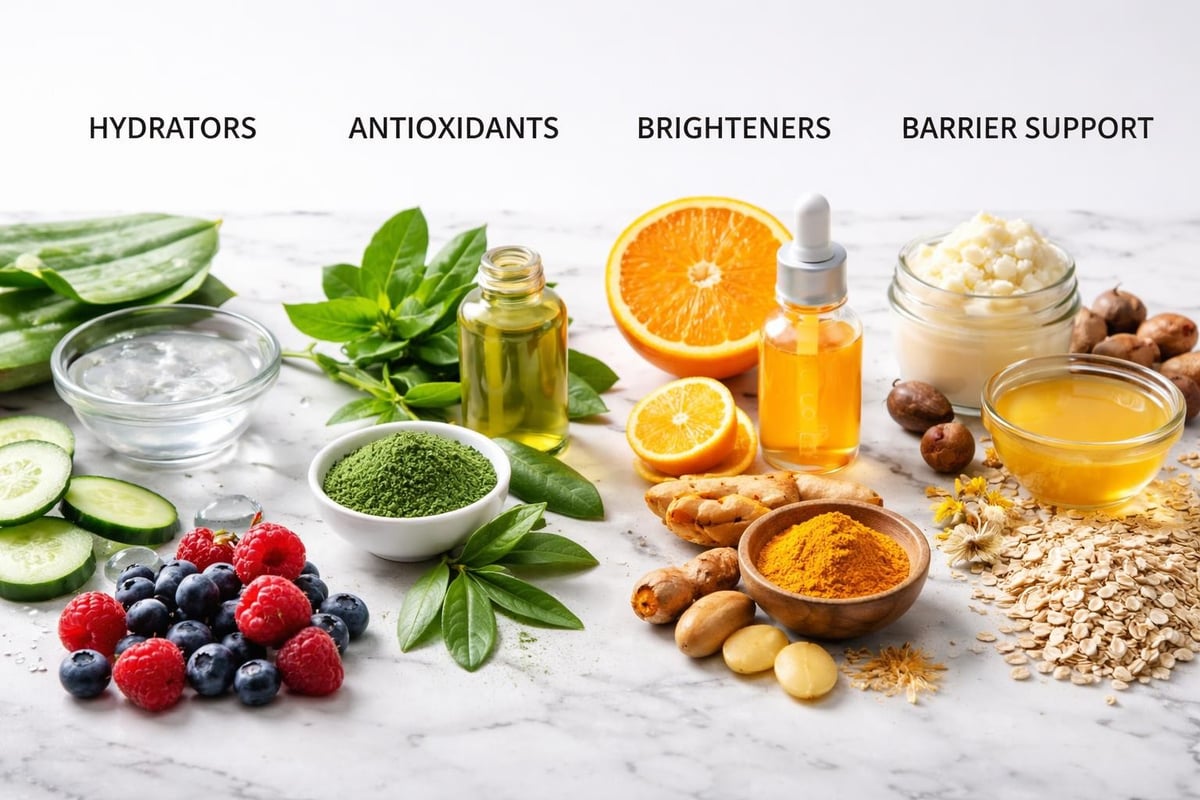
Consider these powerhouse organic ingredients when evaluating products:
- Hyaluronic acid (plant-derived): Holds up to 1000 times its weight in water for intense hydration
- Vitamin C from kakadu plum: Provides antioxidant protection and brightening effects
- Peptides from rice or soy: Supports collagen production and skin firmness
- Bakuchiol: A natural retinol alternative that smooths texture without irritation
- Australian native botanicals: Unique compounds from plants like wattleseed and finger lime
Natural doesn't automatically mean gentle. Some organic ingredients can be potent actives that require proper formulation and usage. The best natural skin care products balance concentration with compatibility, ensuring effectiveness without overwhelming the skin barrier.
Building a System-Based Organic Routine
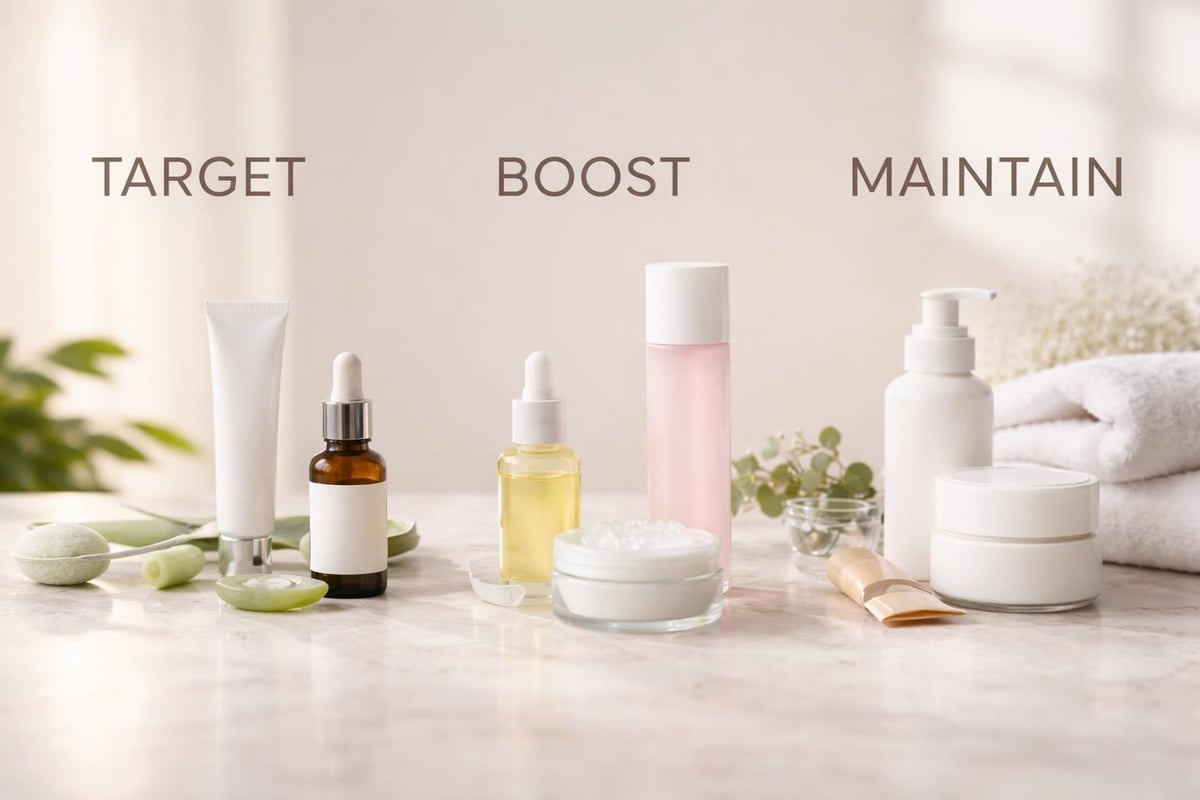
The concept of system-based skin care revolutionises how we approach organic products. Rather than collecting random "clean" items, a structured approach assigns each product a specific role within your routine: targeting concerns, boosting skin response, or maintaining results.
Target products address your primary skin concerns with concentrated actives. These might include serums for hyperpigmentation, treatments for texture irregularities, or spot-focused applications. The precision matters because organic ingredients often work best when delivered exactly where needed rather than spread across your entire face.
The Role of Targeted Treatments
Modern organic skin care has evolved beyond creams and cleansers to include sophisticated delivery methods. Patches, for instance, provide controlled absorption of actives directly into specific areas. A precision tool like the Routine. Peptide MicroPatch uses dissolving micro-tips to deliver brightening and smoothing ingredients exactly where dark spots or textured zones need attention, eliminating the waste and dilution that comes with applying product to unaffected areas.

Boost products enhance your skin's receptivity to treatments. Light therapy, for example, supports circulation and prepares skin to respond better to active ingredients. Physical tools that combine gentle vibration with therapeutic wavelengths help organic formulations penetrate more effectively while calming inflammation.
Maintenance products preserve your progress between targeted treatments. These include hydrating serums, protective moisturisers, and balancing toners that keep skin stable and receptive. The best organic skin care products in this category focus on simple, effective formulations rather than trying to solve every concern at once.
Evaluating Organic Brands and Product Claims
Not all brands claiming organic status deliver equal quality or transparency. The most trustworthy organic skincare brands provide clear certification information, full ingredient lists, and realistic expectations about results.
| Certification | Standard | What It Guarantees |
|---|---|---|
| ACO (Australian Certified Organic) | 95%+ organic ingredients | No synthetic pesticides, GMOs, or irradiation |
| COSMOS Organic | 95%+ organic of total plant content | Sustainable sourcing and processing methods |
| USDA Organic | 95%+ organic ingredients | Strict agricultural and handling standards |
| Soil Association | 95%+ organic ingredients | Animal welfare and environmental protection |
Look beyond marketing language to understand what organic certification actually covers. Some products market themselves as "natural" or "clean" without formal organic certification. While these may still be excellent products, organic certification provides third-party verification of claims.
Reading Labels Like a Professional
The ingredient list tells you more than any marketing claim. Organic products should list botanical ingredients by their common names or Latin binomial names, followed by certification indicators. Watch for "organic*" asterisks that show which specific ingredients meet organic standards.
Percentage claims matter too. A product advertised as "made with organic ingredients" might contain only 70% organic content, while "organic" products must hit 95%. Understanding these distinctions helps you choose the best organic skin care products for your investment.
Preservation systems in organic products deserve attention. Without synthetic preservatives, brands must rely on natural alternatives like radish root ferment, rosemary extract, or specific essential oil combinations. Effective natural preservation protects product integrity without compromising organic standards.
Product Categories That Deliver Results
Different skin care categories offer varying levels of organic innovation. Some product types translate beautifully to organic formulations, while others require more careful selection to ensure effectiveness.
Cleansers and First Steps
Organic cleansers excel because they rely on naturally derived surfactants from sources like coconut or sugar. The best formulations maintain skin pH while removing impurities without stripping natural oils. Oil cleansers made from jojoba, hemp seed, or grapeseed oil dissolve makeup and sunscreen effectively while nourishing skin.
Micellar waters using organic flower waters or aloe vera provide gentle cleansing for sensitive skin. These attract dirt and oil without requiring harsh rubbing or rinsing, making them ideal for maintaining skin barrier health.
Serums and Concentrated Treatments
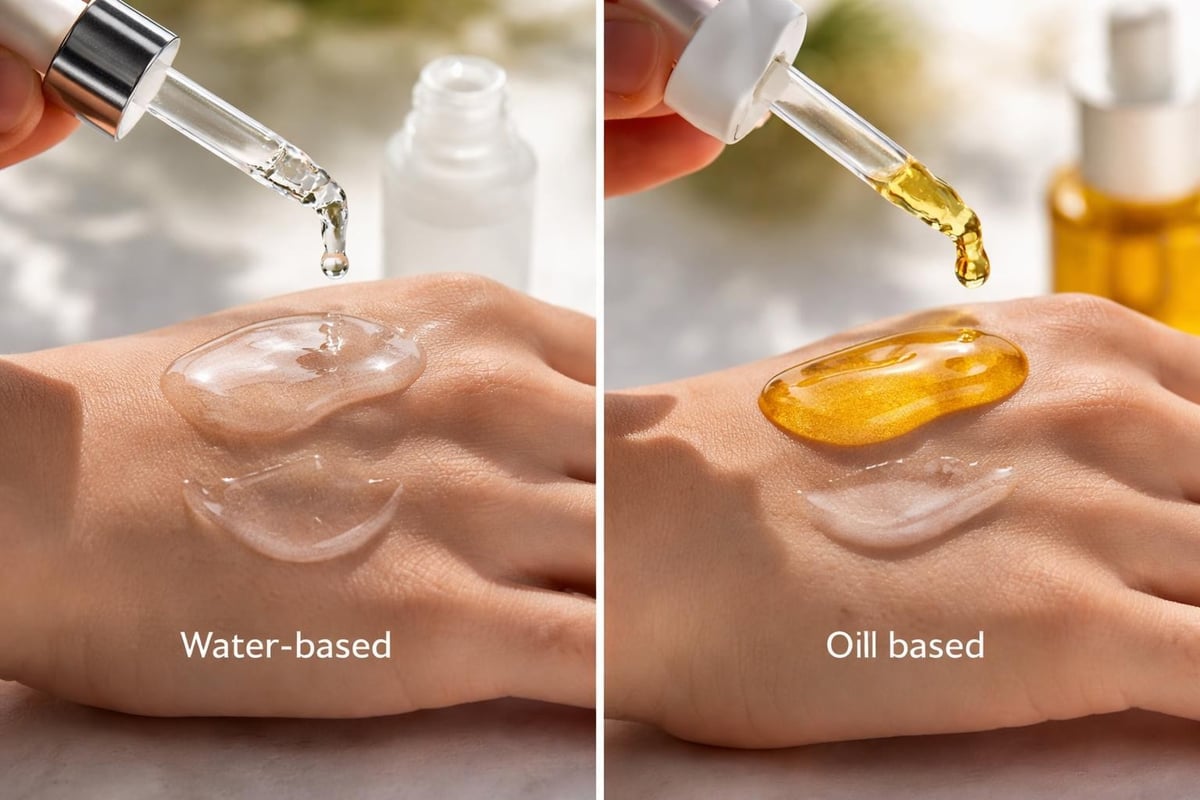
This category showcases organic skin care at its most potent. Face oils deliver concentrated fatty acids, vitamins, and antioxidants in their most bioavailable forms. Unlike synthetic serums that rely on silicones for texture, organic oils sink into skin through natural affinity with sebum composition.
Vitamin C serums using kakadu plum or sea buckthorn provide stability issues that plague synthetic ascorbic acid formulations. These natural sources deliver vitamin C alongside supporting bioflavonoids that enhance absorption and efficacy.
Hydrating serums featuring hyaluronic acid derived from plant sources or fermented sugars plump skin while supporting moisture retention. When combined with organic aloe vera or marine-derived ingredients like algae extracts, these serums provide multi-level hydration.
Moisturisers and Barrier Support
The best organic skin care products in this category balance occlusion with breathability. Plant butters like shea, cocoa, and mango provide rich moisture without petroleum derivatives. These contain natural ceramides and fatty acids that actually reinforce skin barrier structure rather than just sitting on top.
Lightweight moisturisers using organic gel bases from aloe vera or flax seed suit oily or combination skin. These deliver hydration and soothing benefits without weight or pore-clogging concerns.
Night creams with organic rosehip oil, evening primrose, or borage seed oil support skin repair during sleep. The high essential fatty acid content helps skin regenerate while you rest, maximising the natural renewal cycle.
Addressing Specific Skin Concerns Organically
Different skin concerns require tailored approaches within organic formulations. Understanding which natural ingredients target your specific issues helps you select the best organic skin care products for visible improvement.
Hyperpigmentation and Uneven Tone
Organic brightening relies on ingredients that inhibit melanin production or speed cell turnover naturally. Vitamin C from plant sources works alongside liquorice root extract, which contains glabridin that helps fade dark spots without harsh bleaching agents.
Niacinamide derived from plant sources helps reduce pigment transfer within skin layers. When combined with gentle exfoliants like lactic acid from fermented sugars, these ingredients reveal brighter, more even skin over consistent use.
For targeted dark spot treatment, precision application matters more than product volume. Concentrated treatments applied exactly where needed prevent unnecessary exposure of unaffected skin to potent actives.
Texture and Refinement
Organic exfoliation uses enzymatic action from papaya, pumpkin, or pineapple to dissolve dead skin cells. These fruit enzymes work more gently than physical scrubs while delivering comparable smoothing results. Alpha hydroxy acids from sugar cane or fermented rice provide chemical exfoliation without synthetic glycolic acid.
Regular but gentle exfoliation combined with nourishing oils helps refine skin texture over time. The key lies in consistency rather than intensity, allowing skin to shed and renew without damage or irritation.
| Concern | Organic Ingredients | Application Frequency |
|---|---|---|
| Fine lines | Bakuchiol, peptides, rosehip oil | Daily (AM/PM) |
| Dark spots | Vitamin C, liquorice root, kojic acid | Daily (PM) |
| Rough texture | Fruit enzymes, AHAs, jojoba beads | 2-3 times weekly |
| Redness | Chamomile, calendula, green tea | Daily (AM/PM) |
| Large pores | Niacinamide, witch hazel, clay | Daily (PM) |
Sensitivity and Inflammation
Organic ingredients excel at calming reactive skin. Chamomile, calendula, and centella asiatica (cica) contain natural anti-inflammatory compounds that reduce redness and discomfort. These botanicals have centuries of traditional use backed by modern research confirming their soothing mechanisms.
Colloidal oatmeal provides barrier repair and itch relief for sensitised skin. Its beta-glucans form a protective layer while delivering antioxidants that calm inflammation at multiple levels.
The Sustainability Factor in Organic Choices
Choosing the best organic skin care products extends beyond personal benefit to environmental impact. Organic agriculture protects soil health, biodiversity, and water quality by eliminating synthetic chemicals from cultivation practices.
Packaging decisions matter as much as ingredients. Eco-friendly organic brands use recycled materials, biodegradable containers, or refillable systems that reduce waste. Glass bottles, aluminium tubes, and post-consumer recycled plastics represent more sustainable options than virgin plastic packaging.
Ethical Sourcing and Fair Trade
The best organic brands ensure fair compensation for farmers and workers producing botanical ingredients. Fair trade certification guarantees living wages and safe working conditions for people growing ingredients like shea butter, argan oil, or rosehip.
Transparent supply chains allow you to trace ingredients from farm to finished product. Brands that share sourcing stories demonstrate commitment to ethical practices beyond minimum organic standards.
Professional Insights on Organic Efficacy
Dermatologists increasingly recognise that well-formulated organic products deliver results comparable to conventional alternatives for many skin concerns. The concentration and delivery method matter more than whether an active ingredient comes from synthetic or natural sources.
Some conditions still benefit from prescription treatments, but organic products provide excellent support for overall skin health. They excel at prevention, maintenance, and mild to moderate concern management when used consistently within a structured routine.
When to Combine Organic with Clinical
Many people successfully blend organic daily care with occasional clinical treatments. You might use organic cleansers, serums, and moisturisers while incorporating prescription retinoids or professional treatments for specific concerns.
The best organic skin care products support clinical treatments by maintaining barrier health and reducing inflammation. This combination approach lets you benefit from both natural wellness and medical innovation.
Practical Selection Criteria
Choosing products requires balancing multiple factors beyond organic certification. Consider your skin type, primary concerns, lifestyle constraints, and budget when building your routine.
Start with these selection questions:
- What's your main skin concern requiring targeted treatment?
- Does your skin tend toward oily, dry, combination, or sensitive?
- How much time can you realistically dedicate to daily skin care?
- What texture preferences do you have (lightweight, rich, oil-based)?
- Are you addressing prevention, active concerns, or maintenance?
Your answers guide product selection more effectively than generic "best of" lists. Top organic brands offer ranges addressing different needs, but identifying your specific requirements narrows choices to genuinely suitable options.
Testing and Transitioning
Even organic products require patch testing if you have reactive skin. Apply new products to your inner arm for 24 hours before facial use to check for sensitivity.
Transition gradually when switching to organic skin care. Replace one product at a time, starting with cleansers, then moisturisers, then treatment products. This approach helps you identify which changes benefit your skin most.
Investment Value and Realistic Expectations
Quality organic products often carry higher price points than conventional alternatives due to ingredient sourcing, certification costs, and smaller production batches. However, concentrated formulations mean you use less per application, extending product life.
The best organic skin care products deliver value through multifunctional benefits. A single organic oil might serve as makeup remover, facial moisturiser, and hair treatment, reducing your overall product collection.
Set realistic timelines for results. Organic ingredients work with your skin's natural renewal cycle, typically requiring 4-6 weeks of consistent use before visible improvement. Unlike some synthetic actives that provide immediate but temporary effects, organic results build progressively and last longer.
Price Comparison Across Categories
Budget allocation depends on which products deliver the most impact for your concerns. Invest more in targeted treatments and serums where active concentration matters most. Save on basics like cleansers where simple, effective organic formulations perform beautifully at lower price points.
| Product Category | Price Range (AUD) | Value Factors |
|---|---|---|
| Cleansers | $25-$60 | Large volumes, daily essential |
| Serums | $60-$150 | Concentrated actives, targeted results |
| Moisturisers | $40-$100 | Daily use, multiple benefits |
| Treatments/Tools | $80-$200 | Long-term use, precision targeting |
| Masks | $30-$80 | Occasional use, boost effects |
Long-Term Skin Confidence Through Structured Care
The ultimate goal of choosing the best organic skin care products isn't perfect skin, but confident skin that feels healthy and resilient. A system-based approach using organic formulations supports this by creating predictable routines with reliable results.
Consistency matters more than product count. Three well-chosen organic products used daily outperform ten products applied sporadically. Structure your routine around your actual lifestyle rather than aspirational habits you won't maintain.
Track your progress through monthly photos in consistent lighting. This objective record shows gradual improvement that daily mirror checks might miss. Note how your skin feels, not just how it looks, as texture, comfort, and resilience indicate health as much as visible clarity.
Building Habits That Last
Sustainable skin care habits emerge from simplicity and satisfaction. If your routine feels like a chore, you'll abandon it during busy periods. The best organic skin care products fit seamlessly into morning and evening flows without demanding excessive time or steps.
Morning routines might include a gentle cleanse, targeted treatment, hydrating serum, and protective moisturiser. Evening adds deeper cleansing, active treatments, and richer barrier support. This basic structure accommodates different products while maintaining consistent habits.
Emerging Trends in Organic Formulation
The organic skin care sector continues evolving with innovations in ingredient sourcing, preservation, and delivery systems. Fermented ingredients provide enhanced bioavailability, allowing your skin to absorb and use actives more efficiently.
Probiotic skincare introduces beneficial bacteria that support skin microbiome health. These live cultures or their metabolites help maintain the diverse bacterial ecosystem that protects against inflammation and infection.
Waterless formulations concentrate active ingredients while reducing environmental impact from water sourcing and transport. Powders, solid serums, and anhydrous oils deliver potency without unnecessary dilution.
Biotechnology creates identical-to-nature ingredients through fermentation rather than plant extraction. This approach provides consistency and sustainability, particularly for rare or endangered plant species traditionally used in skin care.
Regional Variations in Organic Standards
Understanding regional certification differences helps you evaluate products from international brands. European COSMOS certification emphasises sustainable sourcing and processing. American USDA Organic focuses on agricultural practices. Australian ACO certification combines both aspects with additional environmental protections.
Products meeting multiple international organic standards demonstrate exceptional commitment to clean formulation. However, smaller artisan brands might produce excellent organic products without formal certification due to cost barriers. In these cases, full transparency about ingredient sourcing and processing methods indicates genuine organic practices.
Maximising Results From Your Organic Routine
Even the best organic skin care products require proper application technique for optimal results. Cleanse with lukewarm water rather than hot, which strips natural oils. Apply products to damp skin when possible, enhancing absorption of water-based serums and actives.
Layer products from thinnest to thickest consistency, allowing each to absorb before applying the next. This sequencing prevents pilling and ensures each product reaches skin rather than mixing with the previous layer.
Application timing optimisation:
- Morning: Antioxidants, light hydration, protection
- Evening: Active treatments, repair ingredients, barrier support
- Weekly: Exfoliation, masks, intensive treatments
- Monthly: Assessment and routine adjustment
Adjust your routine seasonally as environmental conditions change. Winter might require richer moisturisers and more frequent barrier support. Summer calls for lighter textures and enhanced antioxidant protection.
Choosing the best organic skin care products comes down to understanding your specific needs and committing to a structured approach that assigns each product a clear purpose. When you move beyond collecting random clean beauty items and instead build a disciplined system around targeting concerns, boosting skin response, and maintaining results, you create the foundation for genuine, long-term confidence. Routine. Beauty offers a refreshingly clear alternative to endless product confusion, with precision tools and supporting formulations designed to work together as part of your Target. Boost. Maintain. ecosystem, fitting seamlessly into real life while delivering visible improvement exactly where you need it.

