


Managing oily skin during summer presents unique challenges that require strategic product selection and application. The combination of heat, humidity, and increased sun exposure triggers excess sebum production, leaving skin shiny, congested, and prone to breakouts. Finding the right summer cream for oily skin means understanding how lightweight hydration supports skin health without adding to the greasiness. This comprehensive guide explores formulation science, ingredient selection, application techniques, and how to build a routine that keeps oily skin balanced, protected, and comfortable throughout the warmest months of 2026.
Understanding Why Oily Skin Behaves Differently in Summer
Sebaceous glands respond to temperature and environmental conditions with remarkable sensitivity. When ambient temperatures rise, your skin's natural oil production increases as part of the body's cooling mechanism. This biological response, combined with humidity that prevents natural evaporation, creates the perfect storm for excessive shine and clogged pores.
The Science Behind Seasonal Sebum Production
Research shows that sebum production can increase by up to 10% for every degree Celsius rise in temperature. During Australian summer, when temperatures regularly exceed 30°C, this translates to significantly more oil on the skin's surface. The lipid composition of this seasonal sebum also changes, becoming lighter and more fluid, which explains why skin feels greasier rather than simply more moisturized.
Key factors affecting oily skin in summer:
- Elevated cortisol levels from heat stress stimulate sebaceous glands
- UV exposure triggers inflammatory responses that increase oil production
- Sweat mixes with sebum, creating a film that traps bacteria and dead skin cells
- Air conditioning cycles between hot and cool environments, confusing skin's regulatory systems
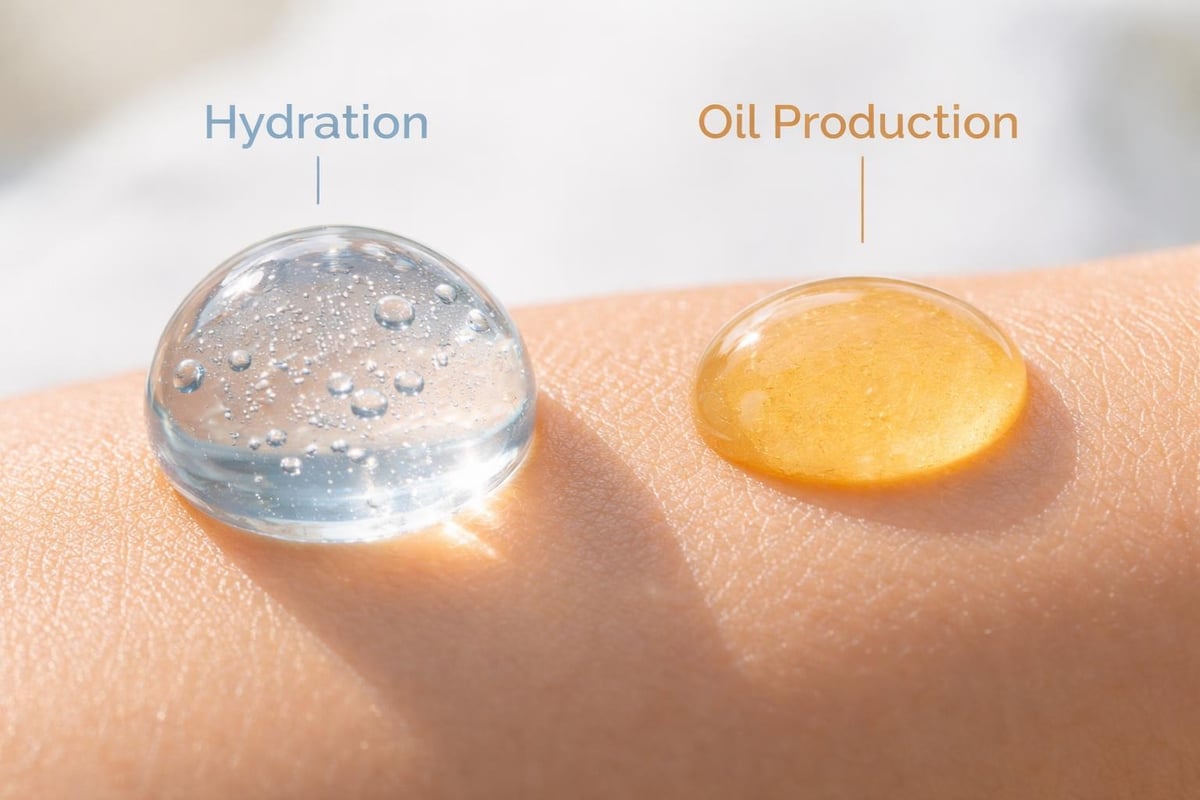
The moisture paradox presents another challenge. Despite increased oiliness, skin can actually become dehydrated. Oil and water serve different functions, and when skin lacks water, it may overproduce oil to compensate. This is why selecting the right summer cream for oily skin remains essential, even when your complexion feels slick by midday.
What Makes a Summer Cream Suitable for Oily Skin
Not all moisturizers perform equally when temperatures soar. The ideal summer cream for oily skin combines specific textural properties with carefully selected active ingredients that support the skin barrier without overwhelming already active sebaceous glands.
Texture and Formulation Types
Formulation science has advanced considerably, offering multiple approaches to lightweight hydration. Gel moisturizers have become increasingly popular for their cooling sensation and rapid absorption. These water-based formulas typically contain humectants that draw moisture into the skin without leaving residue.
| Formulation Type | Texture | Best For | Absorption Speed |
|---|---|---|---|
| Gel | Bouncy, transparent | Very oily skin, humid climates | Fast (under 30 seconds) |
| Gel-cream | Lightweight, slightly creamy | Oily-combination skin | Medium (30-60 seconds) |
| Lotion | Fluid, pourable | Normal-oily skin | Medium-fast (45 seconds) |
| Serum-moisturizer hybrid | Silky, thin | All oily skin types | Very fast (under 20 seconds) |
Water-gel technology represents one of the most significant innovations in summer skincare. These formulations contain up to 90% water locked within a gel matrix, releasing hydration gradually while maintaining a completely matte finish. The absence of occlusive ingredients means pores remain clear and skin can regulate temperature effectively.
Oil-free doesn't necessarily mean better. Some botanical oils, when formulated at precise percentages, actually help regulate sebum production. Ingredients like squalane (the stable form of skin's natural squalene) and certain silicones provide slip and protection without triggering breakouts. The key lies in formulation balance rather than complete oil avoidance.
Critical Ingredients for Summer Oily Skin Management
Active ingredients transform a basic summer cream for oily skin from simple hydration into a multi-functional treatment that addresses excess oil at its source.
Hydrating ingredients that won't cause congestion:
- Hyaluronic acid in multiple molecular weights for surface and deep hydration
- Glycerin at 3-5% concentration for humectant properties without stickiness
- Niacinamide at 2-5% to regulate sebum production and minimize pores
- Panthenol (vitamin B5) for barrier support and soothing properties
- Beta-glucan for moisture retention without weight
Sebum-regulating actives:
- Zinc PCA to control oil production and provide antimicrobial benefits
- Salicylic acid at 0.5-2% for gentle exfoliation and pore clarity
- Green tea extract (EGCG) for antioxidant protection and sebum reduction
- Azelaic acid to address both oiliness and post-inflammatory hyperpigmentation
- Retinol derivatives for cell turnover and pore refinement
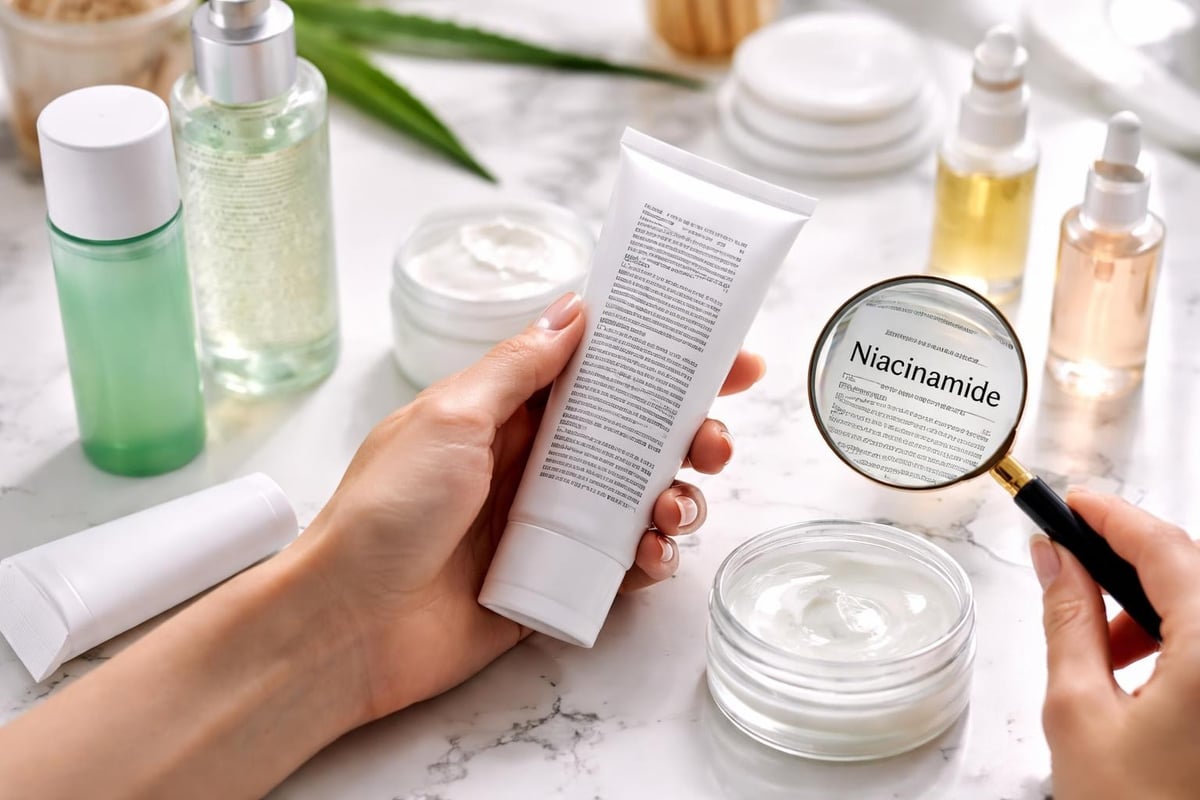
Niacinamide deserves particular attention for oily skin types. This vitamin B3 derivative regulates sebaceous gland activity at the cellular level, reducing oil production by approximately 30-50% with consistent use. It also strengthens the skin barrier, reducing transepidermal water loss that can trigger compensatory oil production.
Dr. Michele Green emphasizes the importance of lightweight moisturizers during summer months, noting that proper hydration actually helps normalize oil production rather than exacerbating it. This counterintuitive approach forms the foundation of effective summer skincare for oily complexions.
Choosing Your Ideal Summer Cream for Oily Skin
Selection criteria extend beyond ingredient lists to include lifestyle factors, climate specifics, and individual skin sensitivities. The Australian summer environment presents particular challenges with its intense UV exposure and variable humidity levels across regions.
SPF Integration and Sun Protection
Separate sunscreen versus moisturizer-SPF combinations remains a debated topic. For oily skin in summer, this decision carries additional weight. Heavy sunscreens can trigger breakouts and shine, while insufficient protection leads to inflammation that stimulates more oil production.
SPF considerations for oily skin:
- Choose mineral or hybrid formulas with modern textures that don't leave white casts
- Look for terms like "invisible finish," "ultra-light," or "dry touch"
- Consider separate application of a mattifying moisturizer followed by a specialized sunscreen
- Reapplication becomes easier with powder or spray formats designed for oily skin
- Night creams should be even lighter than day formulas since no SPF weight is needed
Chemical versus physical sunscreen debates often overlook newer formulations that combine both technologies. These hybrid approaches use zinc oxide or titanium dioxide enhanced with chemical filters, achieving broad-spectrum protection at lower concentrations that feel less heavy on oily skin.
Noncomedogenic Certification and What It Really Means
The term "noncomedogenic" appears on countless products, but understanding what makes moisturizers truly noncomedogenic requires looking beyond marketing claims. This designation indicates that ingredients have been tested and shown not to clog pores, but testing methods vary significantly between brands.
Ingredients commonly flagged as comedogenic to avoid:
- Coconut oil (comedogenic rating: 4/5)
- Cocoa butter (comedogenic rating: 4/5)
- Wheat germ oil (comedogenic rating: 5/5)
- Acetylated lanolin (comedogenic rating: 4/5)
- Isopropyl myristate (comedogenic rating: 5/5)
However, comedogenic ratings don't tell the complete story. Formulation technology, ingredient percentages, and individual skin chemistry all influence whether a product will cause congestion. A summer cream for oily skin might contain a technically comedogenic ingredient at such a low concentration that it poses no practical risk.
Application Techniques That Maximize Performance
Even the most perfectly formulated summer cream for oily skin underperforms without proper application. Technique influences absorption, efficacy, and how long skin remains shine-free throughout the day.
Layering Strategy for Oily Skin
The skincare layering sequence follows a specific logic: thinnest to thickest, water-based before oil-based, treatment before protection. For oily skin in summer, this often means using fewer layers overall but ensuring each serves a distinct purpose.
Morning routine structure:
- Cleanser (gel or foam-based with salicylic acid)
- Toner or essence (alcohol-free, mattifying)
- Treatment serum (niacinamide or vitamin C)
- Eye cream (gel-based, minimal)
- Summer cream for oily skin (lightweight, fast-absorbing)
- Sunscreen (if not included in moisturizer)
- Primer or mattifying powder (optional, for extended wear)
Wait times between layers prove crucial. Allowing 30-60 seconds between each product gives the previous layer time to absorb, preventing product pilling and ensuring each ingredient can penetrate effectively. Rushing this process creates a slippery, unabsorbed film that triggers more oil production and makeup sliding.
Quantity Calibration and the Half-Pea Rule
Standard moisturizer guidance suggests using a "pea-sized amount" for the entire face. Oily skin types often need less. The half-pea rule works better: approximately 0.25ml of product, warmed between fingertips, then pressed into skin rather than rubbed.
Pressing motions support absorption without stimulating sebaceous glands through friction. Massage and rubbing can increase surface temperature and blood flow, both of which trigger oil production. Gentle pressing encourages product penetration through slight compression without activating skin's stress responses.
The Role of Targeted Treatments in an Oily Skin Routine
Beyond broad-application creams, targeted treatments address specific concerns without overwhelming the entire complexion. For areas prone to hyperpigmentation from sun exposure or post-acne marks, precision delivery systems ensure active ingredients reach problem zones without affecting balanced areas.
When dealing with stubborn dark spots or textured zones that often worsen with summer sun exposure, the Routine. Peptide MicroPatch offers a controlled approach. These dissolving micro-tip patches deliver brightening actives directly into targeted areas, working within Routine.'s Target. phase to address specific concerns without adding another cream layer across oily skin.

Adapting Your Routine Throughout Summer
Static routines fail to account for summer's variable conditions. Weekly adjustments based on temperature, humidity, and skin response keep your approach optimized rather than reactive.
High-Heat Days Versus Mild Summer Weather
Temperature variations of 10-15 degrees between weeks require formula adjustments. On extreme heat days (above 35°C), even oily skin benefits from minimal product application. Consider these modifications:
| Temperature Range | Formula Adjustment | Application Method |
|---|---|---|
| 20-25°C | Standard gel-cream | Normal layering |
| 26-30°C | Pure gel formula | Reduced quantity |
| 31-35°C | Serum-moisturizer hybrid | Targeted zones only |
| 36°C+ | Hydrating mist + minimal cream | Spray and press |
Dermatologists recommend adjusting not just products but application timing. Applying your summer cream for oily skin immediately after a cool shower when pores are contracted helps product absorb before heat exposure triggers oil production.
Humidity and Its Effect on Product Performance
Coastal versus inland Australian climates present different challenges. Humidity above 60% affects how quickly products absorb and how long they maintain efficacy. High-humidity environments require different formulations than dry-heat areas.
Coastal high-humidity strategy:
- Ultra-light gel formulas that absorb in under 30 seconds
- Mattifying primers to extend shine-free periods
- Blotting papers rather than powder throughout the day
- Minimal layering (3-4 products maximum)
Inland dry-heat strategy:
- Slightly richer gel-cream formulas to prevent dehydration
- Hydrating mists for midday moisture boosts
- Focus on barrier protection to prevent moisture loss
- Can tolerate one additional layer compared to humid climates
Complementary Products That Support Your Summer Cream
A summer cream for oily skin works optimally within a complete system. Supporting products enhance performance while addressing the full spectrum of warm-weather skin concerns.
Cleansing Without Over-Stripping
Oil production accelerates when skin feels stripped and tight after cleansing. The surfactant systems in summer cleansers should remove excess sebum and sunscreen without disrupting the acid mantle. Salicylic acid cleansers offer the dual benefit of oil control and gentle exfoliation, preventing the buildup that leads to summer breakouts.
Cleansing guidelines for oily summer skin:
- Morning: Gentle gel cleanser with pH 5.5 to refresh without stripping
- Evening: BHA cleanser to remove sunscreen, sebum, and environmental debris
- Weekly: Clay mask to deep-clean pores without daily over-cleansing
- Avoid: Foaming cleansers that leave skin squeaky (sign of over-stripping)
Double cleansing during summer remains beneficial, but the first cleanse should use a lightweight oil or micellar water specifically formulated for oily skin. This removes sunscreen and sebum effectively, allowing the second cleanse to focus on water-based impurities.
Treatment Boosters and Serums
Serums deliver concentrated actives in minimal volume, making them ideal companions to lightweight summer creams. Layering a treatment serum beneath your moisturizer provides specific benefits without adding heaviness.
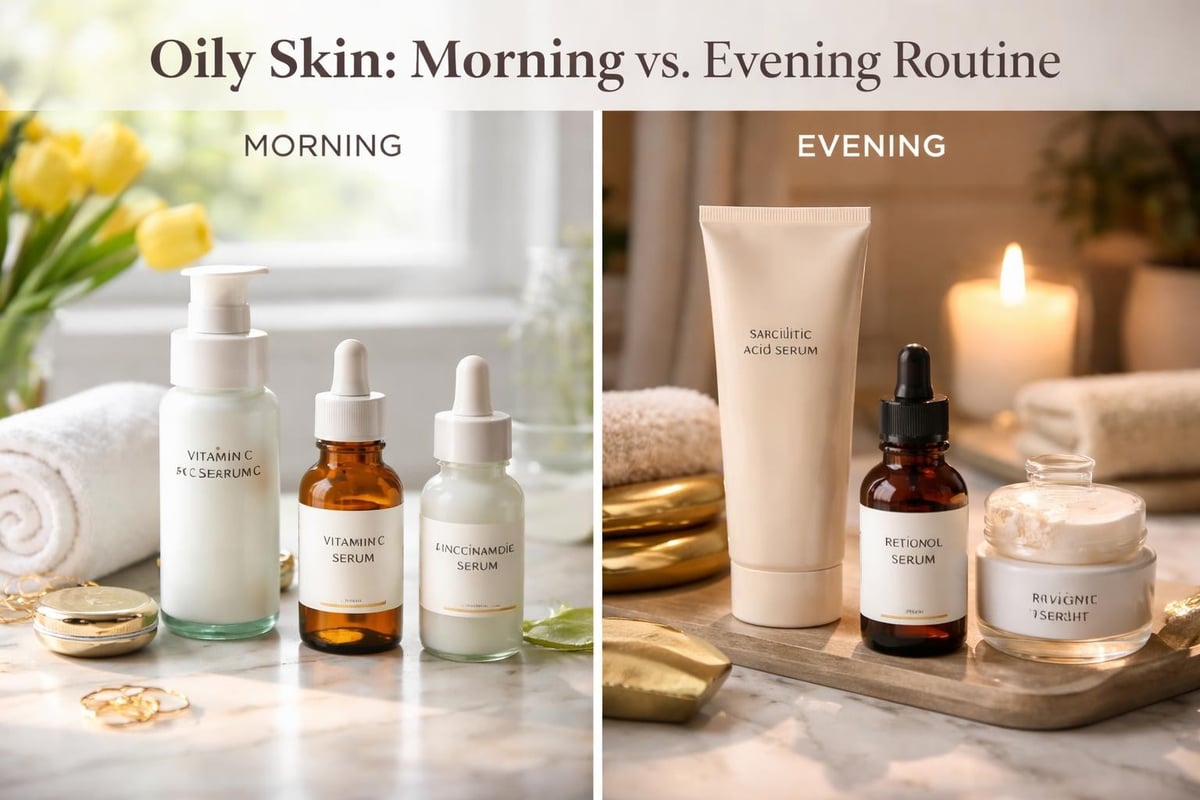
Effective serum pairings for oily skin:
- Niacinamide serum (morning) to regulate oil production throughout the day
- Retinol serum (evening) to refine pores and improve cell turnover
- Vitamin C serum (morning) for antioxidant protection and brightening
- Hyaluronic acid serum (both) for hydration without weight
Serum application follows the same pressing technique as moisturizer. A few drops warmed between palms, then pressed into damp (not wet) skin ensures optimal absorption. Applying serums to completely dry skin reduces penetration effectiveness by up to 40%.
Common Mistakes That Undermine Summer Skincare
Even with the right summer cream for oily skin, application errors and routine missteps sabotage results. Recognizing these patterns helps adjust habits before problems compound.
Over-Cleansing and the Rebound Effect
The shine-panic-cleanse cycle traps many oily-skinned individuals. Washing your face 4-5 times daily strips protective lipids, triggering emergency sebum production that actually increases oiliness. This rebound effect can elevate oil production by 30-50% within hours of aggressive cleansing.
Blotting papers or mattifying powders address midday shine without disrupting skin's balance. These tools remove excess surface oil without triggering the defensive sebum surge that follows over-cleansing.
Skipping Moisturizer to Reduce Oiliness
The myth that oily skin doesn't need moisturizer persists despite decades of dermatological evidence to the contrary. When you skip your summer cream for oily skin, dehydration signals the sebaceous glands to compensate, often producing more oil than they would with proper hydration maintenance.
Vogue editors emphasize that lightweight moisturizers actually help control oil production by maintaining optimal hydration levels. This prevents the moisture-crisis response that floods skin with emergency sebum.
Inconsistent Application Timing
Circadian rhythms influence sebum production, with peak oil output occurring between 12pm and 2pm. Applying your summer cream for oily skin at strategic times supports natural regulatory cycles rather than fighting them.
Optimal timing framework:
- 7-8am: Morning application before oil production ramps up
- 10-11pm: Evening application during peak skin repair hours
- Midday: Blot and mist only, no additional cream
- Post-exercise: Cleanse and reapply after sweat removal
Consistency matters more than perfection. Even a basic routine maintained daily outperforms an elaborate system used sporadically. Skin cells respond to repeated signals, learning to regulate oil production based on consistent care patterns.
Ingredient Combinations That Amplify Results
Strategic ingredient pairing creates synergistic effects where combined benefits exceed individual ingredient performance. Understanding these relationships helps you select products that work together rather than competing for absorption or neutralizing each other's effects.
Complementary Active Partnerships
Certain ingredients enhance each other's stability, penetration, or efficacy when formulated together. A summer cream for oily skin that incorporates these partnerships delivers superior results compared to products with isolated actives.
| Primary Active | Synergistic Partner | Combined Benefit |
|---|---|---|
| Niacinamide | Zinc PCA | Enhanced sebum control + pore minimization |
| Hyaluronic Acid | Glycerin | Multi-level hydration with improved retention |
| Salicylic Acid | Niacinamide | Exfoliation + barrier support + oil regulation |
| Vitamin C | Vitamin E | Antioxidant protection with extended stability |
| Retinol | Peptides | Cell turnover + collagen support with less irritation |
pH compatibility also determines whether actives can coexist effectively. Vitamin C requires acidic pH (3.0-3.5), while niacinamide performs best at neutral pH (5.0-7.0). Products combining these ingredients use buffering systems or time-release technology to maintain each active's optimal environment.
Ingredients to Separate
Some powerful skincare ingredients conflict when used simultaneously, reducing efficacy or increasing irritation risk. For oily skin prone to sensitivity from summer sun exposure, understanding these conflicts prevents unnecessary reactions.
Avoid combining in the same routine:
- Retinol + BHA/AHA (evening): Can over-exfoliate and compromise barrier
- Vitamin C + Retinol (same application): pH conflicts reduce both actives' effectiveness
- Multiple acids (AHA + BHA + PHA): Excessive exfoliation triggers oil rebound
- Benzoyl peroxide + Retinol: Oxidizes retinol, rendering it ineffective
Alternating these ingredients between morning and evening routines, or using them on different days, maintains their benefits without triggering conflicts. Monday-Wednesday-Friday retinol with Tuesday-Thursday-Saturday BHA toner, for example, provides both benefits without overlap.
Monitoring Progress and Adjusting Your Approach
Skin responds to routine changes over weeks rather than days. Tracking visible and tactile changes helps determine whether your selected summer cream for oily skin delivers promised results or requires adjustment.
Key Performance Indicators for Oily Skin
Objective measurements provide clearer feedback than subjective impressions. These markers indicate whether your summer routine effectively manages oil production and maintains skin health.
Weekly assessment checklist:
- Shine onset timing (how many hours until visible oiliness appears)
- Blotting paper frequency (number of times needed throughout the day)
- Pore appearance (visual size and clarity)
- Breakout frequency (number of new blemishes per week)
- Skin texture (smoothness, roughness, congestion levels)
- Hydration sensation (tight, comfortable, or plump feeling)
Photographic documentation using consistent lighting and angles reveals gradual changes invisible to daily observation. Weekly photos taken in natural light without makeup show textural improvements, pore refinement, and tone evening that confirm your summer cream for oily skin is performing effectively.
When to Modify Your Formula Choice
Several signals indicate your current product isn't meeting summer's demands. Rather than persisting with an inadequate formula, switching to a better-suited alternative prevents cumulative skin damage.
Switch indicators:
- Breakouts increase despite consistent routine (formula too heavy)
- Skin feels tight or dehydrated despite oiliness (insufficient hydration)
- Shine returns within 2-3 hours of application (inadequate oil control)
- Product pills or doesn't absorb after 5 minutes (texture incompatibility)
- Redness or irritation develops (sensitivity to specific ingredients)
The transition period when switching products should last 2-3 weeks minimum before assessing new results. Skin cell turnover cycles mean surface changes reflect decisions made 28-40 days prior, so patience during formula adjustments prevents premature product abandonment.
Advanced Considerations for Specific Oily Skin Scenarios
Oily skin presents in various subtypes, each requiring nuanced approaches. The ideal summer cream for oily skin depends on whether you're managing pure oiliness, combination patterns, or oil accompanying other concerns like sensitivity or aging.
Oily-Sensitive Skin Combinations
Sensitivity often accompanies oiliness, particularly when aggressive oil-control products have compromised the barrier. This combination requires balancing sebum management with gentle, non-irritating ingredients.
Allure's dermatologist-approved recommendations emphasize fragrance-free, minimal-ingredient formulas for sensitive-oily skin. These products prioritize barrier support alongside oil control, using soothing agents like centella asiatica and bisabolol with gentle sebum regulators like niacinamide.
Aging Oily Skin Considerations
Oily skin maintains moisture better than dry types, often showing fewer early aging signs. However, summer sun exposure accelerates photoaging regardless of skin type. A summer cream for oily skin over 40 needs anti-aging actives without the heavy textures traditional in mature-skin products.
Age-appropriate ingredients for oily skin:
- Peptides for collagen support in lightweight delivery systems
- Bakuchiol as a gentler retinol alternative
- Antioxidants (resveratrol, CoQ10) to combat oxidative stress
- Ceramides to maintain barrier integrity without greasiness
- Growth factors in water-based serums rather than rich creams
The key lies in selecting anti-aging actives formulated specifically for oily skin rather than trying to tolerate formulas designed for dry, mature complexions.
Building a Complete Summer System Around Your Cream
Your summer cream for oily skin serves as the hydration anchor, but supporting products create the complete ecosystem that maintains balanced, healthy skin throughout warm months.
The Target-Boost-Maintain Framework
Routine.'s approach to skincare organization provides a practical structure for oily skin management. Rather than accumulating products without clear purpose, this system assigns each formula a specific role.
Target phase:
Products that address specific concerns-dark spots, texture, congestion-using concentrated actives in precise delivery methods. These work on problem areas without affecting the entire complexion.
Boost phase:
Tools and treatments that enhance skin's responsiveness to other products, supporting circulation, promoting absorption, and optimizing cellular function.
Maintain phase:
Daily staples like cleansers, moisturizers, and sunscreens that preserve skin health and support the foundation for targeted treatments to work effectively.
This structured approach prevents the common trap of buying multiple products that all attempt the same function. Your summer cream for oily skin sits in the Maintain category, providing consistent daily hydration that supports targeted treatments without interfering with them.
Product Ecosystem Mapping
Creating a visual map of your routine reveals redundancies and gaps. List every product you use, categorize it by function, and identify whether it truly serves a unique purpose.
| Product Type | Function | Frequency | Category |
|---|---|---|---|
| BHA Cleanser | Exfoliation + cleansing | Daily PM | Maintain |
| Niacinamide Serum | Sebum regulation | Daily AM/PM | Target |
| Summer Gel Cream | Hydration | Daily AM/PM | Maintain |
| SPF 50 Sunscreen | UV protection | Daily AM | Maintain |
| Clay Mask | Deep pore cleansing | Weekly | Target |
This visualization shows whether you're over-treating certain concerns while neglecting others, enabling smarter product selection that builds cohesion rather than complexity.
Real-World Application: Summer Scenarios and Solutions
Theoretical knowledge becomes practical through scenario-based application. These common situations demonstrate how to adapt your summer cream for oily skin approach to real-life challenges.
Beach and Pool Days
Saltwater, chlorine, and extended sun exposure create unique demands. Your regular summer cream for oily skin needs supplementation with water-resistant sunscreen and post-swim cleansing protocols.
Beach day routine:
- Morning: Apply summer cream, wait 5 minutes, layer water-resistant SPF 50+
- During: Reapply sunscreen every 80 minutes of water exposure
- Post-swim: Rinse immediately with fresh water to remove salt/chlorine
- Evening: Double cleanse, apply hydrating serum, then regular summer cream
The mistake many make involves skipping moisturizer before beach days, assuming sun and water will dry skin anyway. This dehydration actually triggers increased oil production the following day, creating a cycle of excessive sebum output.
Festival and Outdoor Events
Long days in direct sun wearing makeup require formulas that work under cosmetics without breaking down or causing product separation.
Event preparation:
- Choose a mattifying summer cream that creates a smooth primer effect
- Allow full 10 minutes for absorption before makeup application
- Use setting spray formulated for oily skin to lock in makeup
- Carry oil-blotting papers and powder for touch-ups without adding cream layers
Who What Wear's oil-free moisturizer recommendations include several options specifically tested under makeup, ensuring long-wear compatibility without greasiness.
Air-Conditioned Office Environments
The extreme temperature differential between outdoor heat and indoor cooling confuses skin's regulatory systems. Office environments often have low humidity that dehydrates skin despite oiliness.
Climate-transition strategy:
- Apply summer cream before leaving home
- Keep a facial mist at your desk for midday hydration boosts
- Avoid applying additional cream layers when moving between temperatures
- Use a humidifier at your desk if office air is particularly dry
- Evening routine should include extra hydration to counter daytime dehydration
The air conditioning paradox means skin produces more oil on the surface while suffering dehydration deeper in the epidermis. This requires maintaining consistent moisture input without adding heavy products that exacerbate surface oiliness.
The Future of Summer Skincare for Oily Skin
Innovation in formulation science continues advancing, with several emerging technologies particularly relevant for oily skin management during summer months.
Microbiome-Focused Formulations
Skin microbiome research reveals that sebum composition influences bacterial populations, which in turn affect oil production and inflammation. Next-generation summer creams for oily skin incorporate prebiotics and postbiotics that support beneficial bacteria while discouraging problematic strains.
Microbiome-supporting ingredients:
- Prebiotics (inulin, fructooligosaccharides) that feed beneficial bacteria
- Postbiotics (ferment filtrates) that provide bacterial metabolites directly
- pH-optimizing buffers that maintain skin's natural acid mantle
- Gentle preservative systems that don't disrupt microbial balance
These formulations work with skin's ecosystem rather than against it, supporting long-term oil regulation through bacterial balance rather than aggressive sebum suppression.
Smart Delivery Systems
Encapsulation technology allows incompatible ingredients to coexist in single formulas, releasing at different times or in response to specific triggers. Time-release retinol combined with immediate-acting niacinamide, for example, provides both instant oil control and gradual pore refinement from one summer cream for oily skin.
Advanced delivery mechanisms:
- Liposomal encapsulation for deeper penetration of water-soluble actives
- Cyclodextrin complexes that stabilize volatile ingredients
- pH-responsive polymers that release actives at specific skin pH levels
- Temperature-sensitive carriers that activate with body heat
These technologies allow formulators to pack more active ingredients into lightweight textures without increasing irritation risk or heaviness, perfect for oily skin's summer needs.
Finding the right summer cream for oily skin transforms your relationship with warm weather, turning the season from a shine-management struggle into an opportunity for confident, balanced skin. The combination of lightweight hydration, sebum-regulating actives, and strategic application keeps oily complexions comfortable without the heaviness that traditional moisturizers impose.
Routine. Beauty offers a systematic approach to skincare that eliminates the guesswork from product selection and routine building. Through the Target. Boost. Maintain. framework, each product serves one defined role, working together as part of a disciplined routine rather than competing for space on your skin. Explore how precision tools like MicroPatches, portable light therapy, and supporting maintenance formulas create a complete ecosystem designed for real life, helping you build long-term skin confidence through structure and simplicity.

