


Dry skin affects millions of Australians each year, causing discomfort, flaking, and a compromised skin barrier that can accelerate ageing. While the market overflows with synthetic formulations promising instant relief, many people now seek a natural moisturiser for dry skin that works with their body's biology rather than against it. The shift toward clean, transparent skincare reflects a deeper understanding: the most effective moisture comes from ingredients our skin already recognises and can integrate seamlessly into its natural repair processes.
Understanding Why Skin Becomes Dry
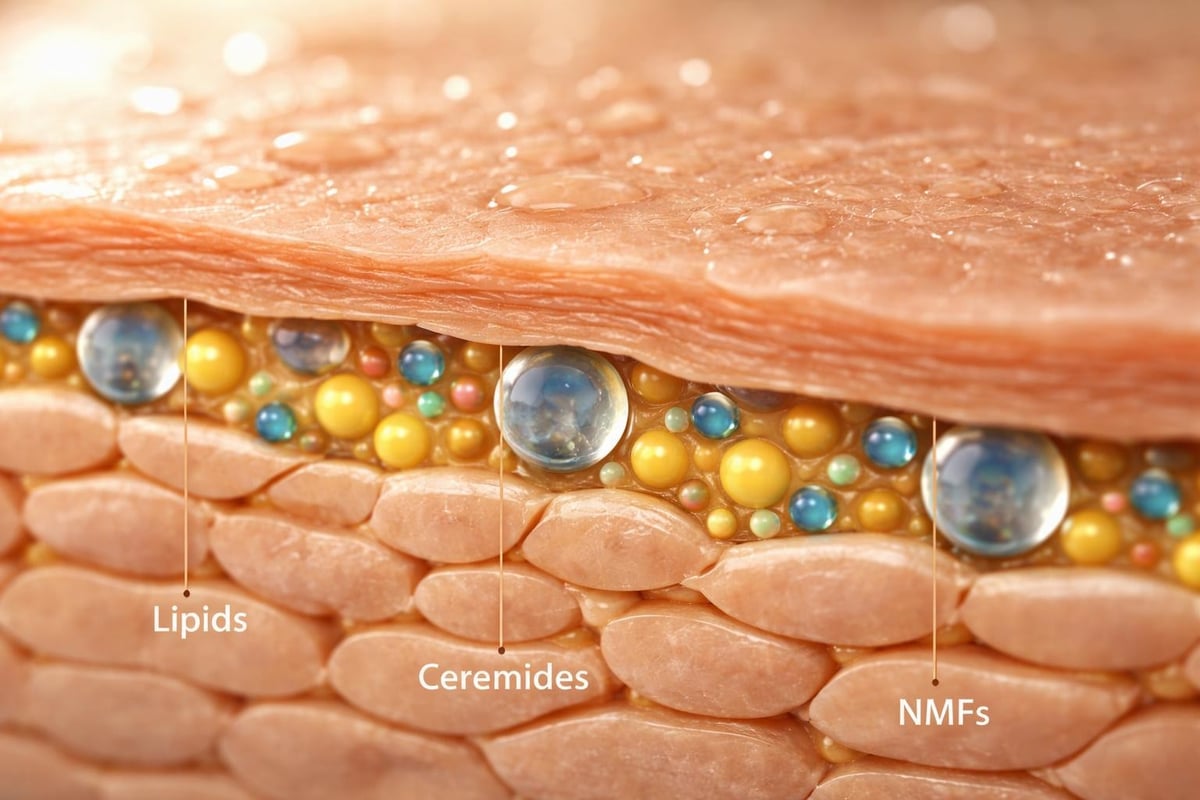
Dry skin occurs when the outermost layer, the stratum corneum, loses its ability to retain water. This protective barrier relies on a complex combination of lipids, natural moisturising factors, and ceramides to prevent transepidermal water loss.
When this system breaks down, moisture evaporates faster than the skin can replenish it. Environmental factors accelerate this process significantly. Low humidity, harsh winds, excessive sun exposure, and indoor heating all strip moisture from the skin's surface.
The Science Behind Skin Hydration
The skin's natural moisturising factor (NMF) consists of amino acids, urea, lactic acid, and other hygroscopic compounds that draw water from the atmosphere into the skin cells. Natural moisturising factors play a crucial role in maintaining hydration levels beyond what ceramides alone can provide.
When NMF levels decline, the skin cannot hold moisture effectively. This creates a vicious cycle where dryness leads to barrier damage, which further reduces the skin's capacity to stay hydrated. Age, genetics, and lifestyle choices all influence how efficiently your skin maintains these critical components.
Key factors that deplete skin moisture include:
- Over-cleansing with harsh surfactants
- Hot showers that strip protective oils
- Low-fat diets lacking essential fatty acids
- Dehydration from insufficient water intake
- Medical conditions like eczema or psoriasis
- Certain medications including diuretics and retinoids
What Makes a Moisturiser Natural
The term "natural" in skincare lacks strict regulatory definition, but generally refers to ingredients derived from plants, minerals, or other non-synthetic sources. A true natural moisturiser for dry skin contains components that exist in nature without extensive chemical modification.
This doesn't mean natural automatically equals safe or effective. Poison ivy is natural, yet hardly beneficial for your face. Similarly, not all synthetic ingredients cause harm. The value of natural moisturisers lies in their biocompatibility and the lower likelihood of triggering sensitivities in already compromised dry skin.
Defining Natural vs Clean vs Organic
These terms often overlap but carry distinct meanings. Natural indicates botanical or mineral origins. Clean suggests formulations free from known irritants, regardless of origin. Organic certification requires ingredients grown without synthetic pesticides or fertilisers.
For dry skin specifically, the ideal natural moisturiser for dry skin combines these principles. It uses plant-based oils and extracts that mimic the skin's own sebum composition while avoiding common irritants like synthetic fragrances, parabens, and sulphates.
| Category | Definition | Best for Dry Skin |
|---|---|---|
| Natural | Plant or mineral derived | High compatibility with skin barrier |
| Clean | Free from known irritants | Reduces sensitivity risk |
| Organic | Certified pesticide-free growing | Lower toxin exposure |
| Synthetic | Lab-created molecules | Targeted delivery, consistent potency |
Essential Natural Ingredients That Combat Dryness
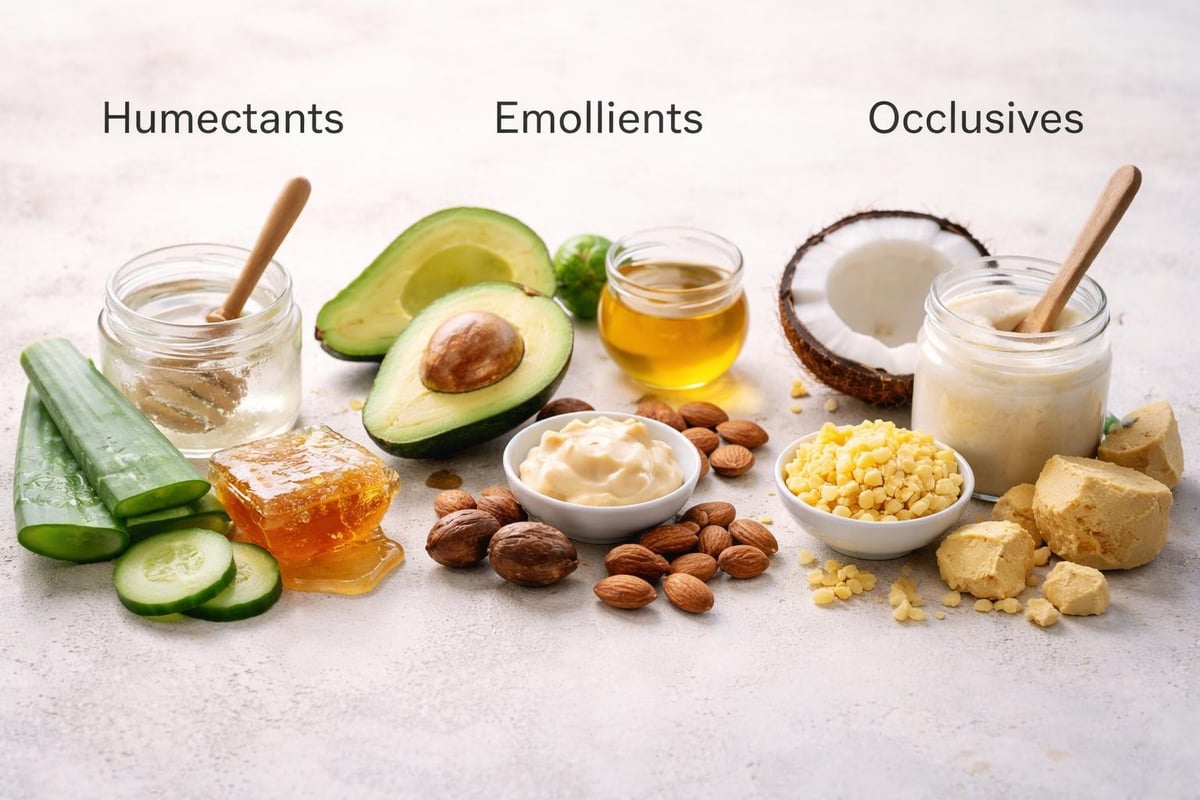
The most effective natural ingredients for dry skin fall into three categories: humectants, emollients, and occlusives. Understanding how each works helps you choose or create the perfect natural moisturiser for dry skin.
Humectants Draw Moisture Into Skin
Humectants attract water molecules from the environment and deeper skin layers to the stratum corneum. Hyaluronic acid, while often synthesised now, occurs naturally in the body and can hold up to 1,000 times its weight in water.
Glycerin, derived from plant oils, performs similar functions. Key ingredients for dry skin include these humectants alongside emollients for comprehensive hydration. Honey, aloe vera, and sodium PCA are natural humectants that provide immediate plumping effects.
However, humectants alone can backfire in extremely dry climates. Without adequate environmental moisture or an occlusive layer to seal them in, they may actually draw water out of the skin, worsening dehydration.
Emollients Soften and Smooth
Emollients fill the gaps between skin cells, creating a smoother surface and improving barrier function. Plant oils serve as exceptional natural emollients because their fatty acid profiles closely match human sebum.
Top natural emollient oils for dry skin:
- Jojoba oil (technically a wax ester, nearly identical to sebum)
- Squalane (derived from olives or sugarcane)
- Rosehip seed oil (high in linoleic acid)
- Argan oil (rich in vitamin E and fatty acids)
- Shea butter (solid at room temperature, melts on contact)
These ingredients don't just sit on the surface. They penetrate the upper layers of the epidermis, delivering fatty acids that the skin incorporates into its own lipid matrix. This integration strengthens the moisture barrier from within.
Occlusives Seal Everything In
Occlusives create a protective film that prevents water evaporation. While petroleum jelly remains the gold standard, natural alternatives include beeswax, plant waxes, and certain butters.
Lanolin, derived from sheep's wool, offers impressive occlusive properties with additional moisturising benefits. Though animal-derived, many consider it natural. For those seeking plant-based options, candelilla wax and sunflower seed butter provide similar barrier protection.
The most effective natural moisturiser for dry skin typically combines all three mechanisms. A formula might include hyaluronic acid (humectant), jojoba oil (emollient), and shea butter (occlusive) to address hydration from multiple angles simultaneously.
Popular Natural Moisturisers and Their Benefits
The natural skincare market offers numerous options, from single-ingredient oils to complex botanical formulations. Natural moisturiser options span simple household ingredients to sophisticated blends designed for specific skin needs.
Coconut Oil: The Controversial Choice
Coconut oil generates passionate debate in skincare communities. Rich in lauric acid and medium-chain fatty acids, it provides antimicrobial benefits alongside deep moisturisation. Many people with dry skin experience remarkable softness after consistent use.
However, coconut oil is highly comedogenic, meaning it can clog pores and trigger breakouts in acne-prone individuals. Its molecular structure doesn't perfectly match human sebum, making absorption less efficient than oils like jojoba.
For dry skin without acne concerns, virgin coconut oil works beautifully on the body. Use it sparingly on the face, perhaps as an overnight treatment on particularly parched areas. Always patch test first, especially if you have sensitive or combination skin.
Aloe Vera: Lightweight Hydration
Aloe vera gel offers cooling, soothing relief for dry, irritated skin. Its high water content provides instant hydration, while polysaccharides help the skin retain moisture over time. Natural moisturisers for itchy and dry skin frequently feature aloe as a primary ingredient.
Pure aloe vera gel absorbs quickly without greasiness, making it ideal for daytime use under makeup. However, as primarily a humectant, it requires a follow-up occlusive layer in very dry conditions. Layer it under a richer cream or oil for optimal results.
The anti-inflammatory compounds in aloe, including acemannan, calm redness and support healing in damaged, over-dry skin. This makes it particularly valuable for those whose dryness stems from irritation or sensitivity.
Plant Oils: Targeted Solutions
Different plant oils address specific dry skin concerns:
- Argan oil balances moisture without heaviness, suitable for dry but sensitive skin
- Rosehip seed oil provides vitamin A (retinol) alongside hydration, supporting cell turnover
- Sweet almond oil offers gentle moisturisation safe for all skin types, including babies
- Avocado oil delivers intense nourishment for severely dry, mature skin
- Marula oil absorbs rapidly while providing antioxidant protection against environmental damage
The best natural moisturiser for dry skin often involves mixing oils to create a custom blend. A combination of 60% jojoba, 20% rosehip, and 20% argan provides balanced hydration, anti-ageing benefits, and quick absorption suitable for daily use.
Building an Effective Natural Skincare Routine
A natural moisturiser for dry skin works best within a complete system that supports skin health at every stage. Routine structure matters as much as product selection.
The Target. Boost. Maintain. Framework
Effective skincare operates on a clear hierarchy. First, target specific concerns with precision treatments. Second, boost the skin's overall function with active therapies. Finally, maintain results with consistent hydration and protection.
For dry skin, targeting might address particularly rough patches or areas of flaking. Boosting involves treatments that enhance the skin's natural moisture production and barrier repair. Maintenance encompasses the daily moisturiser that keeps hydration levels stable.
This systematic approach prevents the common mistake of over-layering products with redundant functions. Each step serves a distinct purpose, working together toward sustained skin confidence rather than temporary fixes.
Cleansing Without Stripping
Many people unknowingly cause their own dryness through overly aggressive cleansing. Harsh surfactants strip the skin's protective acid mantle and natural oils, leaving it vulnerable to moisture loss.
For dry skin, choose oil-based or cream cleansers that dissolve makeup and impurities without foam. The "squeaky clean" feeling actually indicates over-cleansing. Skin should feel soft and slightly supple after washing, never tight or taut.
Gentle cleansing guidelines:
- Use lukewarm water, never hot
- Cleanse only once daily (evening) unless skin is genuinely dirty
- Pat dry, don't rub
- Apply moisturiser immediately while skin is still slightly damp
- Consider micellar water for morning refresh instead of full cleansing
Layering Products Correctly
Product application order significantly impacts effectiveness. The general rule progresses from thinnest to thickest consistency, allowing each layer to absorb before adding the next.
| Step | Product Type | Purpose for Dry Skin |
|---|---|---|
| 1 | Hydrating toner/essence | Prep skin to absorb subsequent layers |
| 2 | Serum (water-based) | Deliver concentrated actives |
| 3 | Treatment oils | Provide essential fatty acids |
| 4 | Moisturiser | Lock in previous layers |
| 5 | Facial oil (optional) | Additional occlusive protection |
Wait 30-60 seconds between layers for optimal absorption. This patience pays dividends in how well your natural moisturiser for dry skin performs. Rushing the process reduces efficacy by preventing proper penetration.
After targeted treatments, maintaining balanced hydration becomes crucial. A lightweight, hydrating serum supports moisture balance while keeping texture smooth and even across face and body. This maintenance step prevents the dry skin from returning by continuously supporting the barrier repair initiated by your treatment products.

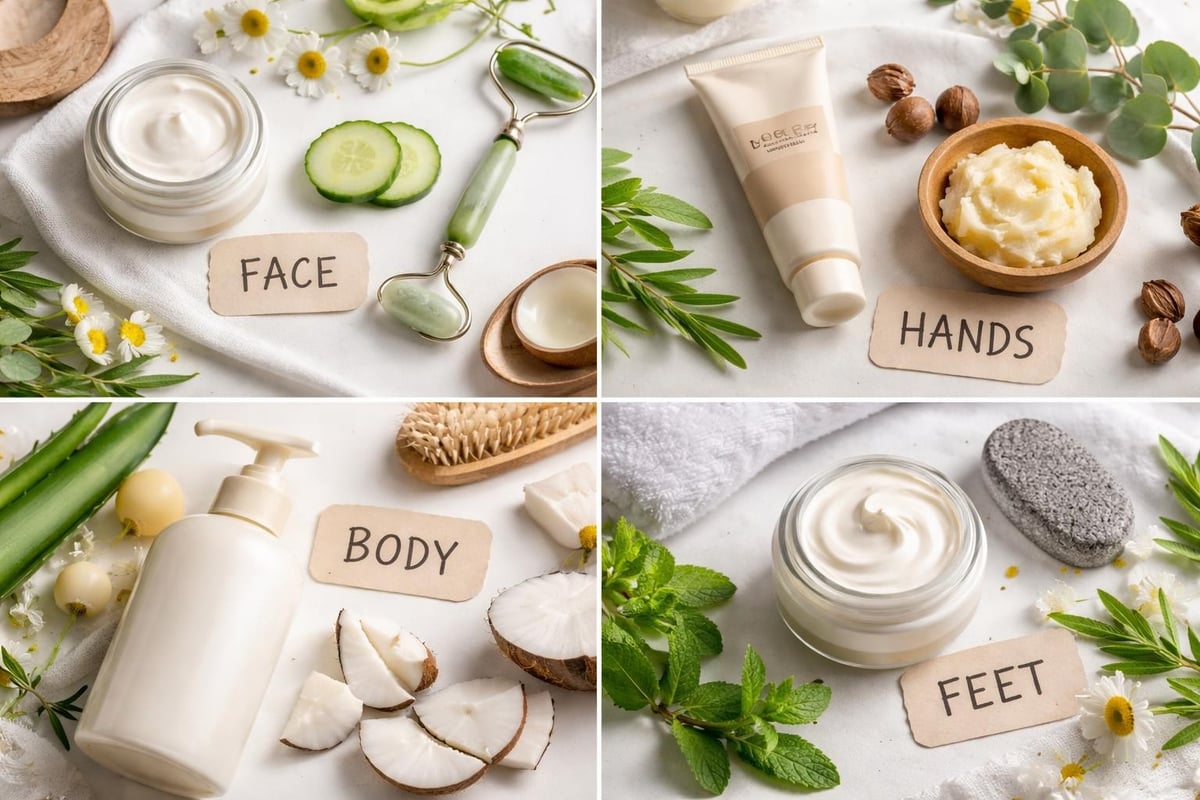
Customising Natural Moisturisers for Different Skin Areas
Dry skin manifests differently across the body, requiring tailored approaches. The delicate eye area needs gentler formulations than tough elbows or heels.
Face: Balance and Absorption
Facial skin contains more sebaceous glands than most body areas, yet many people still experience dry patches, especially around the cheeks, jawline, and forehead. The ideal natural moisturiser for dry skin on the face absorbs quickly without residue.
Lightweight oils like squalane or grapeseed provide hydration without congestion. For those concerned about shine, gel-cream hybrids combine aloe vera or hyaluronic acid with minimal oils, offering moisture without heaviness.
Night-time allows richer formulations. A sleeping mask or thick balm with shea butter and ceramides supports intensive barrier repair while you rest. This split approach addresses dry skin needs without compromising daytime comfort or makeup application.
Body: Intensive Hydration
Body skin, particularly on legs, arms, and back, tends to be drier due to fewer sebaceous glands. Here, you can use heavier natural moisturisers without concern for breakouts.
Natural moisturisers suitable for winter skin care often feature rich butters and oils perfect for body application. Cocoa butter, mango butter, and coconut oil work beautifully on areas that tolerate occlusive ingredients.
Apply body moisturiser immediately after showering, while skin remains damp. This traps water in the outer layers, maximising hydration from your chosen natural product. For extremely dry areas like elbows and knees, consider layering a humectant serum under your body butter.
Hands and Feet: Extra Protection
Hands face constant exposure to water, soap, and environmental stressors. Feet endure friction and pressure that thickens skin and increases moisture needs. Both areas benefit from intensive natural treatments.
For hands, keep a natural moisturiser for dry skin at every sink. Reapply after each washing to counteract moisture loss. Look for formulations with beeswax or plant waxes that create a protective barrier against repeated water exposure.
Feet respond well to overnight treatments. Apply a thick layer of shea butter or cocoa butter, then wear cotton socks to bed. This occlusive method softens even severely calloused heels, with visible improvement after just a few nights.
Addressing Common Dry Skin Challenges
Even with the best natural moisturiser for dry skin, certain conditions require additional strategies. Understanding these challenges helps you troubleshoot when standard approaches fall short.
Seasonal Dryness and Climate Factors
Winter brings unique challenges. Cold outdoor air holds less moisture, while indoor heating actively removes humidity from the environment. This double assault can overwhelm even well-moisturised skin.
During cold months, consider adding a humidifier to your bedroom. Maintaining 40-50% relative humidity helps your natural moisturiser work more effectively by reducing the moisture gradient between skin and air.
Switch to richer formulations in winter. The lightweight lotion perfect for summer may need reinforcement with a facial oil or balm during harsh weather. Think of this as seasonal adaptation, not product failure.
Conversely, humid climates may allow lighter formulations to work effectively. Adjust your approach based on environmental conditions, always listening to how your skin responds.
Dry Skin from Ageing
Mature skin produces less sebum and has a slower cell turnover rate, leading to increased dryness and roughness. The skin's natural moisturising factor also declines with age, reducing its water-binding capacity.
For ageing dry skin, prioritise ingredients that support both hydration and repair. Natural moisturisers effective for dry skin often combine hyaluronic acid with antioxidant-rich oils to address multiple age-related concerns simultaneously.
Rosehip seed oil provides natural retinol alongside essential fatty acids. Sea buckthorn oil delivers omega fatty acids and vitamin C. Both support collagen production while moisturising, making them excellent choices for mature, dry skin.
Eczema and Sensitive Dry Skin
When dry skin crosses into chronic conditions like eczema or dermatitis, extra care becomes essential. These conditions compromise the skin barrier more severely, allowing irritants to penetrate while moisture escapes.
Choose fragrance-free natural moisturisers, as even essential oils can trigger reactions in highly sensitive skin. Colloidal oatmeal soothes inflammation while providing gentle moisture. Calendula extract calms redness and supports healing.
Apply moisturiser multiple times daily during flare-ups. The compromised barrier cannot retain moisture as effectively, requiring more frequent application to maintain adequate hydration levels.
Making Your Own Natural Moisturiser
Creating custom formulations allows complete control over ingredients while often reducing costs. However, DIY skincare requires careful attention to hygiene and formulation ratios.
Basic Recipe Structure
A simple natural moisturiser for dry skin combines water phase ingredients (distilled water, aloe vera gel, glycerin) with oil phase ingredients (carrier oils, butters) and an emulsifier to bind them together.
Simple whipped body butter recipe:
- Melt 1/2 cup shea butter and 1/4 cup coconut oil in a double boiler
- Remove from heat and add 1/4 cup jojoba oil
- Refrigerate until partially solid (30-45 minutes)
- Whip with electric mixer until light and fluffy
- Store in clean jar; use within 3 months
This oil-only formulation requires no preservatives and provides intensive moisture for body skin. For face use, reduce the coconut oil proportion and increase lighter oils like jojoba or rosehip.
Safety and Preservation
Water-based formulations require preservatives to prevent bacterial and mould growth. Contrary to popular belief, "natural" preservatives like vitamin E do not prevent microbial contamination; they only slow oxidation of oils.
If creating water-containing products, research broad-spectrum natural preservatives like leucidal liquid or use them within one week when refrigerated. Alternatively, stick with anhydrous (water-free) formulations that use only oils and butters.
Always use sterilised containers and utensils. Contamination introduces bacteria that can multiply in your product, causing skin infections. The convenience and safety of professionally formulated products often outweighs DIY benefits, especially for facial use.
Customisation for Your Needs
The beauty of DIY lies in adjusting formulations to your exact requirements. Experiment with different oil ratios to find your ideal texture and absorption rate.
For more lightweight moisture, increase fast-absorbing oils like squalane or grapeseed. For richer protection, add more butters or beeswax. Track your formulations in a notebook, noting how each performs on your skin.
However, avoid adding too many ingredients. More complexity increases the risk of reactions and makes it harder to identify problematic components if irritation occurs.
Evaluating Commercial Natural Moisturisers
When choosing commercial products, certain factors indicate quality and effectiveness. Not all products marketed as natural truly benefit dry skin.
Reading Ingredient Lists
Ingredients appear in descending order by weight. The first five components comprise the bulk of any product. If the fifth ingredient is a plant extract, it indicates more marketing than meaningful benefit.
Look for humectants, emollients, and occlusives in the top half of the ingredient list. A natural moisturiser for dry skin should feature these functional categories prominently, not buried beneath water and preservatives.
Be wary of products with alcohol (especially denatured alcohol or SD alcohol) high on the list, as these can be drying. However, fatty alcohols like cetyl alcohol or stearyl alcohol actually function as emollients and pose no drying risk.
Certifications and Standards
While "natural" lacks regulation, various certifications provide some assurance. COSMOS, Natrue, and ACO (Australian Certified Organic) all enforce standards for ingredient sourcing and processing.
These certifications guarantee a minimum percentage of organic or natural ingredients and prohibit certain synthetic additives. However, certification doesn't guarantee effectiveness. A poorly formulated certified product still underperforms a well-designed conventional one.
Price vs Value
Expensive doesn't always mean effective. Some luxury natural moisturisers for dry skin charge premium prices primarily for packaging and marketing. Conversely, some affordable options deliver excellent results using simple, quality ingredients.
| Price Range | Typical Features | Best for |
|---|---|---|
| Budget | Single ingredients or simple formulas | Body care, experimentation |
| Mid-range | Balanced formulations, some specialty ingredients | Daily facial care, proven brands |
| Premium | Rare botanicals, advanced delivery systems | Treatment products, specific concerns |
Focus on ingredient quality and formulation design rather than brand prestige. Natural moisturisers reviewed for effectiveness span all price points, with some drugstore options outperforming luxury competitors.
Integrating Natural Moisturisers Into Modern Skincare
The most effective approach combines natural moisturising with targeted treatments that address dry skin at its source. This integration supports both immediate comfort and long-term skin health.
Supporting Barrier Repair
While a natural moisturiser for dry skin provides external moisture, truly resolving chronic dryness requires strengthening the skin's own moisture retention capacity. This means supporting the lipid barrier and natural moisturising factor production.
Niacinamide (vitamin B3) stimulates ceramide synthesis, helping the skin rebuild its protective barrier from within. Though often synthesised, it occurs naturally in foods and can be included in natural formulations.
Consistent use of the right moisturiser, combined with gentle care and adequate hydration, allows the skin to gradually restore its natural function. This process takes time, typically 4-6 weeks of consistent routine before seeing sustained improvement.
When to Seek Professional Advice
Persistent dryness despite appropriate moisturising may indicate underlying conditions requiring medical attention. Thyroid disorders, diabetes, and certain nutritional deficiencies all manifest as chronic dry skin.
If your skin shows signs of cracking, bleeding, infection, or extreme sensitivity, consult a dermatologist. Dermatologist-approved natural moisturisers can complement medical treatment, but some conditions need professional intervention beyond topical care alone.
Similarly, if you develop sudden sensitivity to previously tolerated products, this may indicate contact dermatitis or another condition requiring diagnosis and targeted treatment.
Long-Term Strategies for Healthy, Hydrated Skin
Beyond topical products, overall lifestyle choices significantly impact skin hydration. A holistic approach addresses dry skin from multiple angles.
Hydration from Within
Water intake affects skin moisture, though not as directly as marketing suggests. Severe dehydration does manifest in dry skin, but drinking excessive water won't transform dry skin to normal if you're already adequately hydrated.
However, ensuring consistent hydration supports all bodily functions, including skin cell production and circulation. Aim for 2-3 litres daily, adjusting for activity level and climate.
Dietary fats also matter. Essential fatty acids from fish, nuts, and seeds provide building blocks for the skin's lipid barrier. A very low-fat diet can contribute to chronic dryness by depriving the skin of necessary components for barrier repair.
Environmental Protection
Prevention often proves easier than treatment. Protect dry skin from unnecessary moisture loss by adjusting environmental exposures.
Daily protection strategies:
- Wear gloves during cleaning or when exposing hands to water
- Use sunscreen daily, as UV damage degrades the moisture barrier
- Avoid prolonged hot showers or baths
- Layer clothing in cold weather to protect exposed skin
- Run a humidifier during heating season
- Choose breathable, natural fabrics that don't irritate dry skin
Patience and Consistency
The most common mistake with natural moisturisers for dry skin involves inconsistent application or frequently switching products. Skin needs time to respond to new routines.
Commit to a product for at least 4 weeks before evaluating its effectiveness. Keep notes on texture, absorption, any irritation, and how your skin feels throughout the day. This data helps you make informed decisions about continuing or changing your approach.
Consistency matters more than perfection. A simple routine performed daily outperforms an elaborate regimen used sporadically. Choose products and practices you can sustain long-term rather than complicated protocols that quickly become burdensome.
The Future of Natural Skincare
Innovation in natural beauty continues to accelerate, with new extraction methods, fermentation technologies, and delivery systems expanding what's possible with plant-based ingredients.
Biotechnology and Natural Ingredients
Fermented ingredients represent an exciting frontier in natural skincare. Fermentation breaks down molecules into smaller, more bioavailable forms while creating new beneficial compounds. Fermented oils and extracts often provide superior results compared to their non-fermented counterparts.
Lab-grown natural ingredients also emerge as a sustainable option. Squalane from sugarcane represents an early success, replacing shark-derived squalene. As technology advances, more bioidentical natural compounds can be produced sustainably without resource-intensive farming or harvesting.
Personalised Natural Skincare
Advances in skin analysis allow more targeted product selection. Some companies now offer microbiome testing to identify which natural ingredients will work best for your unique skin bacterial community.
This precision approach prevents the trial-and-error frustration common with natural products. Understanding your skin's specific needs guides you toward the most effective natural moisturiser for dry skin based on your individual biology, not general marketing claims.
Transparency and Traceability
Consumers increasingly demand to know not just what ingredients appear in their moisturiser, but where those ingredients originate and how they're sourced. Brands responding to this demand provide full traceability from farm to formulation.
This transparency extends beyond environmental concerns to efficacy. Knowing that your rosehip oil comes from high-altitude organic cultivation in Chile, harvested at peak potency, provides confidence in its quality that generic "rosehip oil" cannot match.
Finding the right natural moisturiser for dry skin transforms your daily routine from managing discomfort to supporting genuine skin health. By understanding how different ingredients work, building a structured approach, and maintaining consistency, you create the foundation for lasting hydration and skin confidence. Routine. Beauty takes the guesswork out of skincare with a clear Target. Boost. Maintain. ecosystem where each product serves one defined role, working together to support your skin's natural moisture balance without overwhelming complexity or endless product trials.

