


Uneven skin remains one of the most common concerns across all age groups and skin types, manifesting as textural irregularities, pigmentation variations, or a combination of both. While perfectly smooth, uniformly toned skin is often held as an ideal, the reality is that most people experience some degree of unevenness throughout their lifetime. Understanding what causes these variations and how to address them systematically can transform not just appearance, but long-term skin health and confidence.
What Uneven Skin Actually Means
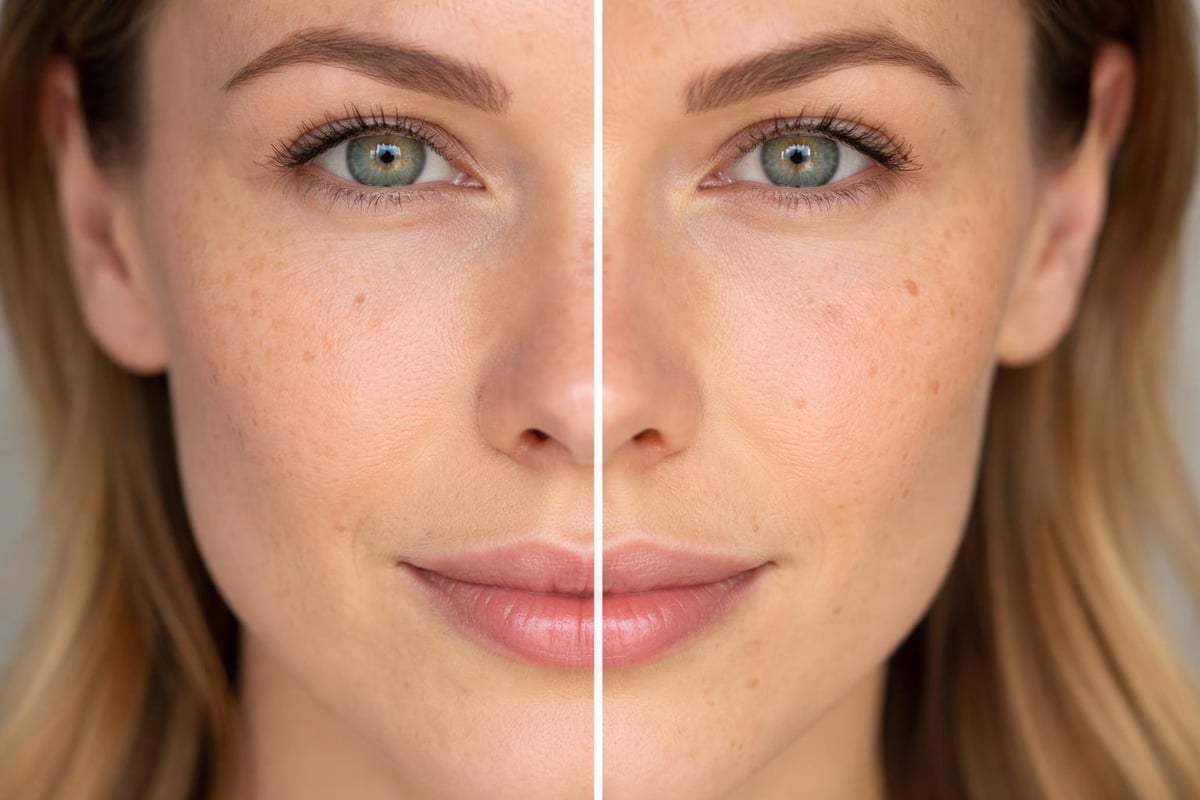
Uneven skin isn't a single condition but rather a broad term encompassing several distinct concerns that affect how your skin looks and feels. The phrase can refer to textural irregularities where the surface appears rough, bumpy, or contains enlarged pores. It can also describe tonal variations, where patches of skin appear darker or lighter than surrounding areas due to pigmentation differences.
Texture Versus Tone
Understanding the distinction between texture and tone helps clarify which treatments will be most effective for your specific concerns. Textural unevenness involves the physical surface of the skin, including fine lines, rough patches, acne scarring, or visible pores. Tonal unevenness relates to colour variations, such as dark spots, post-inflammatory hyperpigmentation, sun damage, or areas of hypopigmentation.
Many people experience both textural and tonal concerns simultaneously, which is why comprehensive approaches to skin irregularities often yield the best results. A dark spot may sit within an area of rough texture, or smooth skin may still show significant colour variation.
Common Manifestations
- Rough patches that feel different from surrounding skin
- Dark spots or hyperpigmentation from sun exposure or inflammation
- Enlarged or visible pores concentrated in certain zones
- Acne scarring creating indentations or raised areas
- Fine lines and wrinkles adding surface variation
- Dullness where certain areas lack the same luminosity
- Redness or discolouration appearing in patches
Primary Causes of Uneven Skin
Multiple factors contribute to skin irregularity, and understanding the root causes helps inform more targeted treatment approaches. While some causes are within your control, others relate to genetics, hormonal changes, or environmental exposure over time.
Sun Damage and UV Exposure
Ultraviolet radiation remains the leading preventable cause of both textural and tonal unevenness. UV exposure triggers melanin production unevenly, creating dark spots and patches that worsen with continued exposure. Sun exposure also affects skin tone by breaking down collagen and elastin, leading to rough texture, fine lines, and a leather-like surface quality.
Cumulative sun damage can take years or decades to become fully visible, which is why protection should start early and remain consistent. Even incidental exposure during daily activities adds up, particularly on the face, neck, chest, and hands.
Aging and Natural Cell Turnover Decline
As skin ages, the rate of cellular turnover slows significantly. Younger skin typically renews itself every 28 days, but this process can extend to 45 days or longer as you age. Dead skin cells accumulate on the surface, creating dullness and textural roughness.
Collagen and elastin production also decline, reducing skin's structural support and contributing to fine lines, enlarged pores, and sagging that creates shadow and textural variation. This natural aging process affects everyone but manifests differently based on genetics, lifestyle, and cumulative environmental exposure.
Acne and Post-Inflammatory Hyperpigmentation
Active acne creates inflammation that damages skin tissue, often leaving behind textural scars or dark marks. Post-inflammatory hyperpigmentation (PIH) occurs when inflammation triggers excess melanin production in specific spots, creating persistent dark patches even after the original blemish heals.
PIH affects all skin types but appears more frequently and persists longer in medium to deep skin tones. The condition can take months or even years to fade without intervention, particularly when new breakouts continue to create fresh marks.
Dehydration and Moisture Barrier Damage
When skin lacks adequate hydration or the moisture barrier becomes compromised, the surface appears rough, flaky, and uneven. Dehydrated skin also emphasises fine lines and makes pores appear larger and more visible.
Environmental factors like low humidity, harsh weather, over-cleansing, and certain medications can strip moisture from skin and damage the protective barrier. Once compromised, the barrier struggles to retain water and becomes more vulnerable to irritation, sensitivity, and further texture problems.
| Contributing Factor | Textural Impact | Tonal Impact | Prevention Strategy |
|---|---|---|---|
| UV exposure | Collagen breakdown, roughness | Dark spots, uneven pigmentation | Daily broad-spectrum SPF |
| Aging | Fine lines, enlarged pores | Age spots, dullness | Retinoids, antioxidants |
| Acne/inflammation | Scarring, raised/indented areas | Post-inflammatory marks | Gentle treatment, avoid picking |
| Dehydration | Rough patches, flaking | Dull, ashy appearance | Barrier support, hydration |
Professional Treatment Options
Professional interventions offer more intensive correction for moderate to severe uneven skin, particularly when home care hasn't produced desired results. Understanding what each treatment addresses helps you make informed decisions with your dermatologist or aesthetician.
Chemical Peels
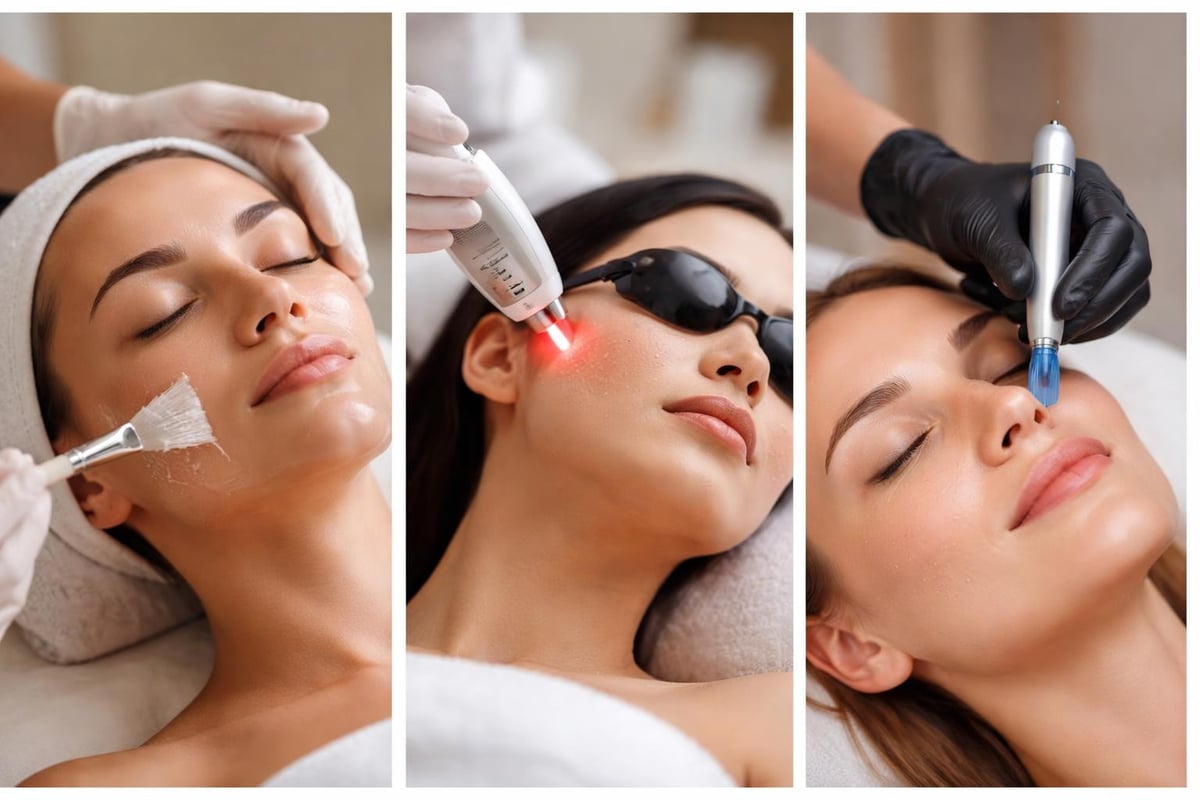
Chemical peels use acids of varying strengths to remove dead skin cells and trigger controlled exfoliation. Superficial peels address mild texture and tone concerns, while medium and deep peels penetrate further to treat more significant irregularities.
Benefits include:
- Improved texture through controlled exfoliation
- Reduced appearance of dark spots and pigmentation
- Stimulated collagen production
- Enhanced absorption of topical products
Recovery time varies based on peel depth, from minimal downtime with superficial treatments to several weeks for deep peels. Professional treatments like chemical peels require proper aftercare and sun protection to prevent complications.
Laser Therapy and Light-Based Treatments
Various laser and light-based technologies target specific skin concerns with precision. Ablative lasers remove outer skin layers while heating underlying tissue to promote collagen production. Non-ablative lasers work beneath the surface without removing skin, creating controlled injury that triggers repair processes.
Intense pulsed light (IPL) treatments target pigmentation by heating melanin, causing dark spots to darken initially before flaking off over subsequent weeks. Multiple sessions typically produce optimal results, with improvements continuing for months after treatment.
Microdermabrasion and Dermaplaning
Microdermabrasion uses fine crystals or a diamond-tipped wand to physically exfoliate the outermost skin layer, improving texture and promoting cell turnover. The treatment works well for mild unevenness, dullness, and fine lines, with minimal downtime.
Dermaplaning uses a surgical blade to remove dead skin cells and vellus hair, creating immediate smoothness and allowing better product penetration. Both treatments require ongoing maintenance sessions to sustain results.
Microneedling
Microneedling creates controlled micro-injuries using fine needles, triggering the skin's repair response and boosting collagen and elastin production. The treatment improves texture, reduces the appearance of scars, and can enhance absorption of topical serums applied during the procedure.
Results develop gradually over several months as new collagen forms, with most people requiring a series of treatments for optimal improvement. Microneedling works on all skin types and carries less risk of post-inflammatory hyperpigmentation than some other procedures.
At-Home Treatment Strategies
Consistent home care forms the foundation of managing uneven skin, whether used alone for mild concerns or to support professional treatments for more significant irregularities. A systematic approach targeting specific concerns produces better results than sporadic product use.
Active Ingredients That Work
Retinoids remain the gold standard for addressing both textural and tonal unevenness. These vitamin A derivatives accelerate cell turnover, stimulate collagen production, and help fade hyperpigmentation. Prescription-strength retinoids work faster than over-the-counter retinol, but both require gradual introduction to minimise irritation.
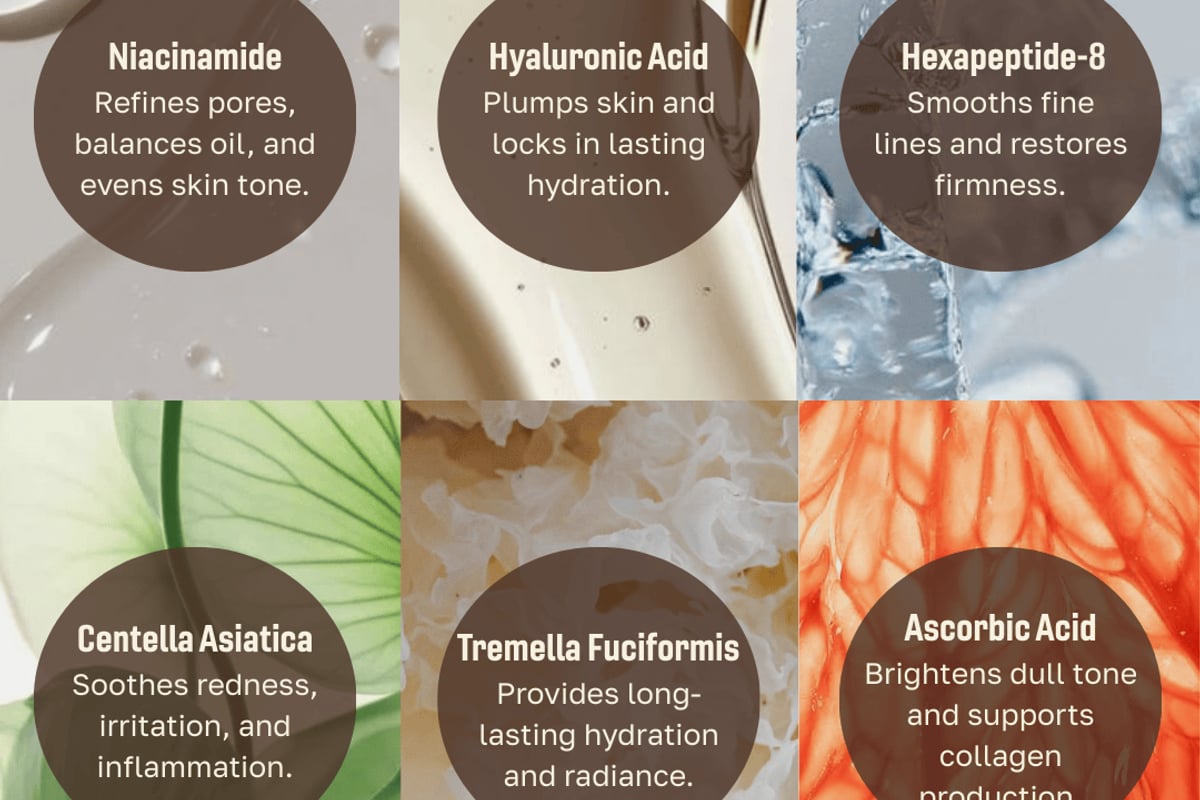
Vitamin C brightens skin, fades dark spots, and provides antioxidant protection against environmental damage. L-ascorbic acid is the most researched form, though derivatives like ascorbyl glucoside offer more stability with slightly less potency.
Alpha hydroxy acids (AHAs) like glycolic and lactic acid exfoliate the surface, improving texture and tone while enhancing moisture retention. Beta hydroxy acids (BHAs) like salicylic acid penetrate pores to clear congestion and smooth rough patches, particularly beneficial for acne-prone skin.
Niacinamide reduces inflammation, strengthens the moisture barrier, regulates oil production, and helps fade hyperpigmentation. This versatile ingredient works well for most skin types and rarely causes irritation.
Targeted Treatment Approaches
For precise correction of specific uneven areas, targeted treatments like MicroPatches deliver concentrated actives exactly where you need them. Rather than treating your entire face when only certain zones show irregularity, these precision tools focus correction on dark spots, textured patches, or specific concerns without exposing unaffected skin to unnecessary intervention.
Exfoliation Balance
Regular exfoliation removes dead cell buildup that contributes to rough texture and dullness, but over-exfoliation damages the moisture barrier and worsens unevenness. Most skin types benefit from chemical exfoliation 2-3 times weekly, adjusting frequency based on tolerance and results.
Physical exfoliants should be gentle and used sparingly, as harsh scrubs can create micro-tears and inflammation. Chemical exfoliants typically provide more even, controlled exfoliation without mechanical abrasion.
Hydration and Barrier Support
Maintaining adequate hydration and a healthy moisture barrier prevents texture problems and helps skin respond better to active treatments. Hyaluronic acid draws moisture into skin, while ceramides and fatty acids reinforce barrier function.
Layering lighter serums beneath richer moisturisers helps different molecular weights penetrate appropriately, maximising hydration at various skin depths.
Prevention and Maintenance Strategies
Preventing new irregularities while addressing existing concerns requires consistent protective measures and disciplined routines. The most effective prevention strategies target the primary causes of uneven skin before they create lasting damage.
Sun Protection as Foundation
Daily broad-spectrum sunscreen with SPF 30 or higher remains non-negotiable for preventing both textural and tonal unevenness. UV damage accumulates daily, even during brief outdoor exposure or through windows.
Application guidelines:
- Use approximately 1/4 teaspoon for face and neck
- Apply 15 minutes before sun exposure
- Reapply every two hours during extended outdoor time
- Don't forget ears, neck, chest, and hands
Physical sunscreens containing zinc oxide or titanium dioxide reflect UV rays, while chemical sunscreens absorb them. Many modern formulations combine both for broad protection and cosmetic elegance.
Antioxidant Protection
Topical antioxidants neutralise free radicals from UV exposure, pollution, and other environmental stressors before they damage skin cells. Vitamin C, vitamin E, ferulic acid, and resveratrol provide complementary protection when used consistently.
Applying antioxidant serums beneath sunscreen creates layered defence against environmental damage that contributes to uneven skin over time. Morning application maximises protective benefits during daytime exposure.
Gentle Cleansing Practices
Harsh cleansing strips natural oils, damages the moisture barrier, and can worsen texture problems. Choose gentle, pH-balanced cleansers that remove impurities without leaving skin tight or stripped.
Double cleansing at night ensures thorough removal of sunscreen, makeup, and accumulated debris without over-cleansing. An oil-based first cleanse dissolves oil-soluble ingredients, followed by a water-based cleanser for water-soluble residue.
Lifestyle Factors
Sleep quality affects skin repair processes, with inadequate rest contributing to dullness, fine lines, and impaired barrier function. Aim for 7-9 hours nightly to support optimal cellular renewal.
Diet impacts skin health through inflammation, hydration, and nutrient availability. Environmental and lifestyle factors like smoking, alcohol consumption, and stress levels all influence skin quality and evenness.
Staying hydrated from within supports moisture balance, while limiting processed foods and sugar helps reduce inflammation that can trigger texture and tone concerns.
Understanding Your Specific Concerns
Different types of uneven skin respond better to specific treatment approaches, making accurate identification important for results. What works brilliantly for textural concerns might have minimal impact on pigmentation, and vice versa.
Rough Texture and Enlarged Pores
When texture is your primary concern, focus on exfoliation, collagen stimulation, and barrier support. Retinoids address multiple aspects of texture simultaneously, making them first-line treatments for this concern.
Regular chemical exfoliation with AHAs or BHAs smooths the surface and helps minimise pore appearance. Niacinamide also helps regulate oil production and refine pore size over consistent use.
Professional treatments like microdermabrasion, laser resurfacing, or microneedling can significantly improve stubborn textural irregularities that don't respond adequately to topical care alone.
Hyperpigmentation and Dark Spots
Tonal unevenness requires ingredients that inhibit melanin production, accelerate cell turnover to remove pigmented cells, and protect against UV exposure that triggers darkening. Consistent sun protection is absolutely essential, as UV exposure will undo any correction achieved through treatment.
Vitamin C, niacinamide, kojic acid, azelaic acid, and tranexamic acid all work through different mechanisms to fade hyperpigmentation. Combining multiple approaches often produces better results than single-ingredient treatments.
Professional treatments for uneven skin tone like laser therapy, IPL, or chemical peels can accelerate fading when home care produces slow results.
Combination Concerns
Many people deal with both textural and tonal unevenness simultaneously, requiring layered approaches that address multiple concerns. Start with prevention (sun protection), add exfoliation for texture, incorporate brightening ingredients for tone, and support with hydration.
Building a systematic routine where each product serves a specific purpose prevents overlap and reduces the risk of irritation from using too many active ingredients simultaneously.
Building an Effective Routine
Creating a structured, consistent routine specifically designed for uneven skin requires understanding which products to use, in what order, and at what frequency. Random product application rarely produces optimal results.
Morning Routine Structure
- Gentle cleanser to remove overnight oil and prepare skin
- Antioxidant serum (vitamin C) for environmental protection
- Hydrating serum with hyaluronic acid for moisture
- Moisturiser appropriate for your skin type
- Broad-spectrum SPF as the final protective layer
Keep morning routines relatively simple, focusing on protection and hydration rather than intensive treatment. Save more active ingredients for evening when skin isn't exposed to UV and environmental stressors.
Evening Routine Structure
- First cleanse (oil-based) to remove sunscreen and makeup
- Second cleanse (water-based) for thorough cleaning
- Exfoliating treatment (2-3 times weekly)
- Treatment serums targeting specific concerns (retinoid, niacinamide, peptides)
- Hydrating layers as needed
- Richer moisturiser or night cream
Evening routines can include more active ingredients since skin repairs itself during sleep and won't face immediate UV exposure. Allow adequate time between steps for absorption, particularly with treatment serums.
Frequency and Consistency
Consistency matters more than intensity when addressing uneven skin. Using gentle treatments regularly produces better results with less irritation than aggressive treatments used sporadically.
Start new active ingredients slowly, gradually increasing frequency as tolerance develops:
- Retinoids: Begin 1-2 nights weekly, increase to 3-4 nights over 4-6 weeks, eventually building to nightly use if tolerated
- AHAs/BHAs: Start 1-2 times weekly, increase to 3-4 times if needed
- Vitamin C: Usually tolerated daily once skin adjusts to initial tingling
Track your routine and results to identify what works specifically for your skin rather than assuming products that work for others will work identically for you.
When to Seek Professional Guidance
While many cases of uneven skin respond well to consistent home care, certain situations warrant professional evaluation and treatment. Recognising when to consult a dermatologist or qualified aesthetician prevents wasted time and money on ineffective approaches.
Signs Professional Help Is Needed
Persistent concerns that don't improve after 12-16 weeks of consistent, appropriate home care may require stronger prescription treatments or professional procedures. Dermatological evaluation helps identify underlying conditions contributing to irregularity.
Severe or worsening conditions like deep acne scarring, significant hyperpigmentation, or rapidly changing skin texture warrant immediate professional assessment. Some concerns indicate underlying health issues requiring medical attention beyond cosmetic treatment.
Uncertain diagnosis makes choosing effective treatments difficult. If you're unsure whether texture, tone, or another factor causes your concerns, professional skin analysis provides clarity and direction.
Combination Approaches
Often, the most effective strategy combines professional treatments with disciplined home care. Professional procedures create significant improvement quickly, while home routines maintain and enhance results over time.
Your dermatologist can prescribe stronger retinoids, hydroquinone for stubborn hyperpigmentation, or other prescription-strength ingredients not available over the counter. These often work faster and more effectively than cosmetic alternatives for moderate to severe concerns.
Common Mistakes to Avoid
Well-intentioned skincare efforts sometimes worsen uneven skin when based on misconceptions or trending advice rather than evidence-based approaches. Understanding common pitfalls helps you avoid setbacks.
Over-Exfoliation
More exfoliation doesn't equal better results. Over-exfoliating damages the moisture barrier, increases sensitivity, causes inflammation, and can actually worsen both texture and tone. Limit chemical exfoliation to 2-4 times weekly maximum, and avoid combining multiple exfoliating products in the same routine.
Inconsistent Sun Protection
Sporadic sunscreen use allows UV damage to continue, undoing corrective efforts and creating new irregularities. Dark spots will darken, texture will worsen, and active ingredients like retinoids increase photosensitivity, making protection even more critical.
Product Overload
Using too many active ingredients simultaneously increases irritation risk without proportionally increasing benefits. Focus on a few evidence-based ingredients used consistently rather than incorporating every trending product.
Effective minimalism beats overwhelming complexity. Each product should have a clear purpose within your routine, working synergistically rather than creating redundancy or conflict.
Expecting Overnight Results
Uneven skin develops over months or years, and correction requires similar patience. Cell turnover cycles take weeks, collagen production takes months, and hyperpigmentation fading occurs gradually.
Most treatments require 8-12 weeks of consistent use before producing visible improvements. Abandoning effective approaches too early because results aren't immediate wastes the investment you've already made.
Ignoring Individual Skin Response
What works for influencers, friends, or family members may not work identically for you. Skin type, concern severity, lifestyle factors, and individual tolerance all affect treatment response.
Pay attention to how your skin reacts rather than following generic advice, adjusting products and frequency based on actual results and tolerance rather than prescribed rules.
Long-Term Skin Confidence
Addressing uneven skin isn't just about short-term correction but building long-term habits that maintain results and prevent future concerns. Sustainable approaches that fit into real life produce lasting confidence rather than temporary improvement followed by regression.
Realistic Expectations
Perfect skin doesn't exist, and pursuing unrealistic standards creates frustration rather than confidence. Healthy, clear, relatively even skin is achievable for most people through consistent care, but expecting complete elimination of all variation sets unrealistic goals.
Understanding normal skin variation helps you appreciate real improvement rather than focusing on impossible ideals. Pores will always be visible, some texture variation is normal, and minor tonal differences don't require aggressive correction.
Sustainable Practices
Routines that feel burdensome or require excessive time and expense rarely remain consistent long-term. Build practices you can maintain through busy periods, travel, and life changes.
Simplicity supports consistency. A straightforward routine with essential steps performed reliably outperforms elaborate routines followed sporadically.
System-Led Thinking
Approaching skincare as an interconnected system rather than isolated products creates better results with less confusion. Each step serves a specific function (cleanse, treat, protect), with products chosen intentionally for their role rather than accumulated randomly.
This systematic approach aligns with how skin actually functions, supporting natural processes rather than fighting against them with mismatched or contradictory products.
Understanding uneven skin and addressing it through evidence-based treatments, consistent prevention, and realistic expectations creates lasting improvement and confidence. Whether you're dealing with textural concerns, tonal variation, or both, systematic approaches targeting specific causes produce better results than random product experimentation. Routine. Beauty offers a structured ecosystem where each product plays a defined role-Target. Boost. Maintain.-removing the guesswork from skincare and supporting long-term skin health through disciplined, sustainable practices that fit seamlessly into real life.

