


The modern skincare landscape has evolved far beyond guesswork and generic solutions. At the heart of this transformation lies the skin lab, a controlled environment where scientific rigour meets aesthetic innovation. These specialised research facilities bridge the gap between dermatological science and practical skincare, developing targeted solutions that address specific skin concerns with measurable precision. Understanding how the skin lab operates reveals why system-based, evidence-driven approaches to skincare consistently outperform trend-chasing product collections.
Understanding the Skin Lab Environment
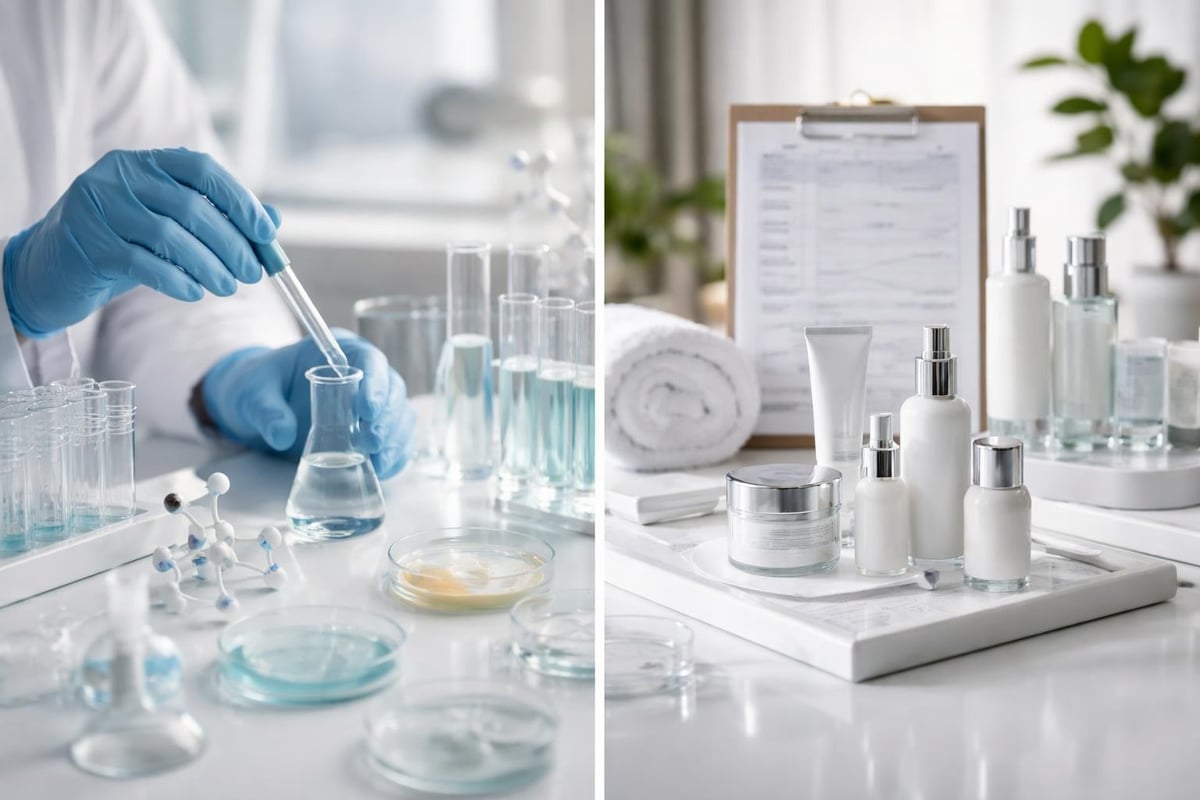
The skin lab represents a fundamental shift in how skincare solutions are developed and validated. Unlike traditional cosmetic formulation spaces, these research facilities prioritise reproducibility, controlled testing conditions, and measurable outcomes.
The Core Components of Skin Research Facilities
Modern skin research facilities integrate multiple disciplines to create comprehensive testing environments. Research institutions like SUNY Downstate's Skin Lab focus on phototherapy, neurobiomodulators, and antioxidants, demonstrating how specialised facilities target specific therapeutic areas.
The skin lab typically includes:
- Climate-controlled chambers for standardised testing conditions
- Advanced imaging technology to track cellular-level changes
- In vitro skin models replicating human tissue responses
- Microbiome analysis equipment for understanding skin ecosystem interactions
- Phototherapy units for light-based treatment research
These elements work together to create an environment where variables can be isolated and outcomes precisely measured. The controlled nature of the skin lab enables researchers to identify which active ingredients genuinely deliver results, at what concentrations, and through which delivery mechanisms.
How Laboratory Precision Translates to Consumer Skincare
The journey from the skin lab to your bathroom cabinet involves rigorous validation protocols. Researchers test formulations across diverse skin types, environmental conditions, and usage patterns to ensure consistency and safety.
Stanford Medicine's dermatology research labs exemplify this comprehensive approach, with multiple specialised facilities each focusing on distinct aspects of skin health. This distributed expertise model ensures that treatments are examined from numerous scientific angles before reaching consumers.
| Research Phase | Duration | Focus Area | Outcome Measured |
|---|---|---|---|
| Initial screening | 2-4 weeks | Ingredient efficacy | Active ingredient penetration |
| Stability testing | 3-6 months | Formulation integrity | Product consistency over time |
| Safety assessment | 6-12 months | Irritation potential | Adverse reaction rates |
| Clinical trials | 12-24 months | Real-world performance | Visible improvement metrics |
The data generated through these phases informs not just individual product development but entire skincare systems. This is where the skin lab becomes particularly valuable for creating coherent, synergistic routines rather than isolated products.
The Science Behind Targeted Skin Treatments
The skin lab environment has revolutionised our understanding of how active ingredients interact with different skin layers and conditions. This knowledge directly influences which delivery systems prove most effective for specific concerns.
Precision Delivery Mechanisms
Traditional skincare relies on topical absorption, where active ingredients must penetrate the skin barrier to reach target cells. The skin lab has enabled researchers to develop more sophisticated delivery methods that overcome this limitation.
Recent advances in skin regeneration research, including studies on how skin responds to aesthetic procedures like microneedling, reveal that controlled micro-injury stimulates healing responses that can be harnessed therapeutically. This understanding has led to innovations in targeted delivery systems.
Key delivery innovations from skin lab research:
- Dissolving micro-structures that penetrate the stratum corneum
- Encapsulated actives that release at specific skin depths
- Light-activated compounds triggered at precise wavelengths
- pH-responsive formulations that activate in targeted zones
- Time-release technologies for sustained ingredient delivery
These mechanisms allow active ingredients to reach their intended destination with minimal waste and maximum efficacy. The precision achieved through the skin lab approach means treatments can be applied exactly where needed, reducing unnecessary exposure of healthy skin to potent actives.
The Role of Light Therapy in Modern Skin Science
The skin lab has been instrumental in validating light-based treatments that were once considered purely aesthetic gadgets. Through controlled research, specific wavelengths have been proven to trigger beneficial cellular responses.
Red light therapy (typically 630-660nm wavelengths) has shown measurable effects on circulation and collagen synthesis. Blue light (415-445nm wavelengths) demonstrates antibacterial properties particularly effective against acne-causing bacteria. The skin lab environment allows researchers to isolate these wavelengths, determine optimal exposure durations, and identify which skin concerns respond most effectively.
Validated light therapy applications:
- Reducing inflammatory markers in acne-prone skin
- Supporting post-procedure healing and recovery
- Improving circulation in areas with poor microvascular flow
- Calming reactive skin responses to environmental stressors
- Enhancing texture through controlled cellular stimulation
The portable nature of modern light therapy devices brings the skin lab's precision into daily routines, allowing consistent exposure that compounds over time for measurable improvement.
Creating System-Based Skincare From Laboratory Insights
The most significant contribution of the skin lab extends beyond individual product development. Research facilities have revealed how skincare products interact within a routine, leading to the concept of synergistic systems rather than standalone solutions.
The Three-Tier Treatment Framework
Evidence from the skin lab consistently demonstrates that effective skincare follows a hierarchical structure. This framework ensures that treatments build upon each other rather than competing or cancelling each other's effects.
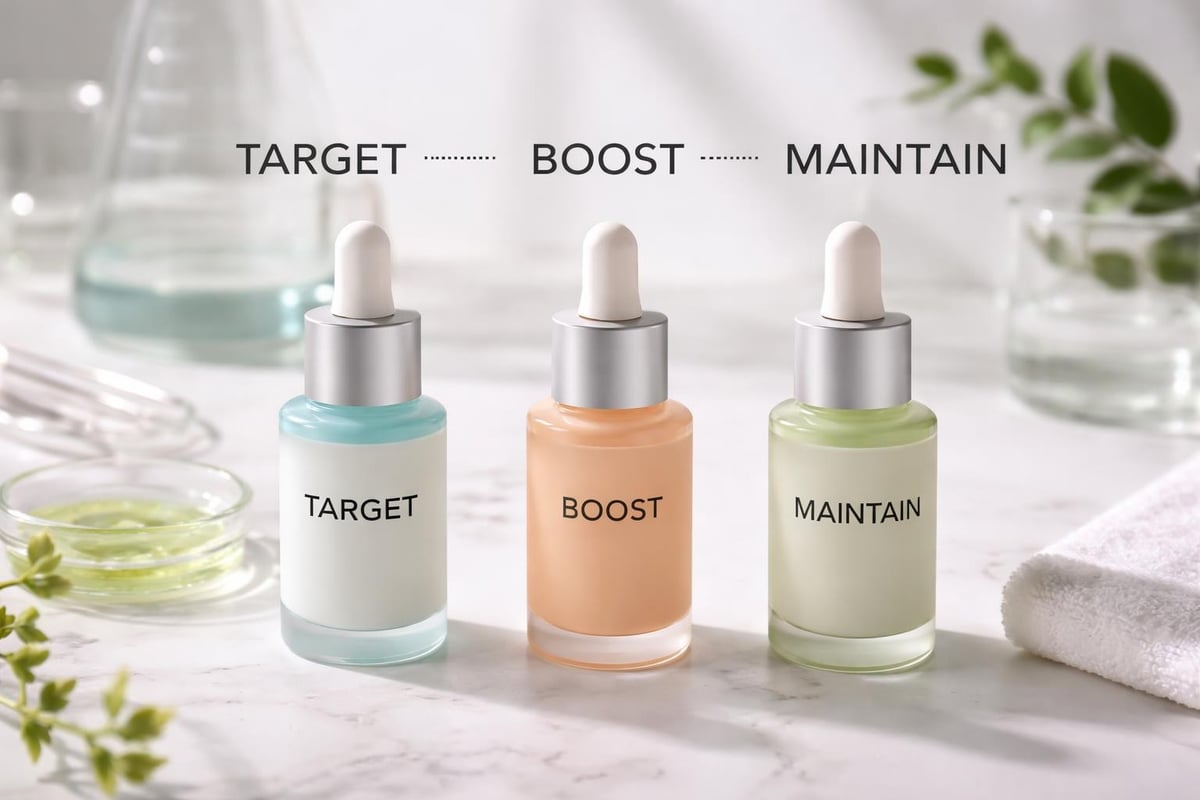
Target: Address specific concerns with concentrated, localised treatments. The skin lab shows that precision application prevents ingredient overload and reduces irritation risk. Targeted treatments work best when applied directly to problem areas rather than across entire surfaces.
For instance, precision patches with dissolving micro-tips deliver brightening and smoothing actives directly into dark spots, marks, or textured zones. This controlled approach, validated through the skin lab research on penetration depth and absorption rates, ensures actives reach their destination without affecting surrounding tissue. The Routine. Peptide MicroPatch exemplifies this targeted philosophy, placing treatment exactly where you need it for measurable, visible improvement.
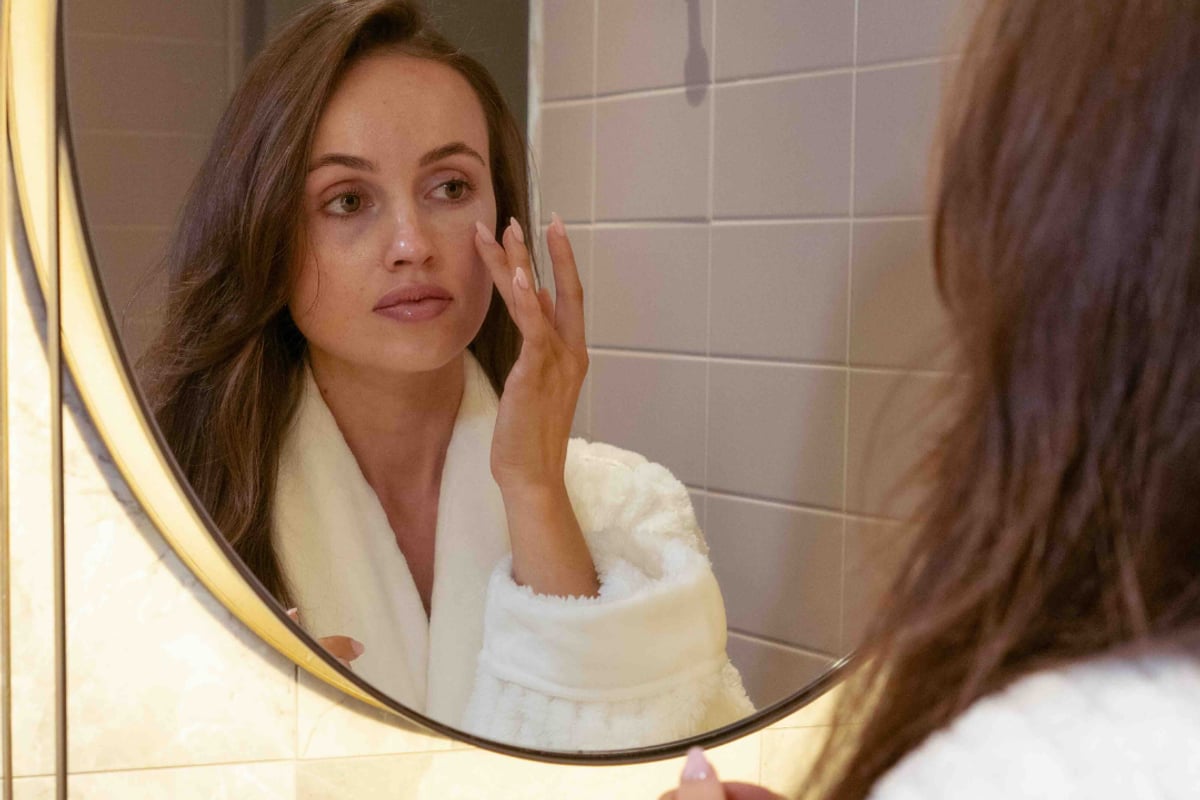
Boost: Enhance skin's responsiveness through treatments that support cellular function. The skin lab has identified that certain interventions prime skin to respond better to subsequent treatments, creating compounding benefits.
Maintain: Preserve results and support skin barrier function with formulations that replenish and protect. Laboratory research emphasises that maintenance isn't about adding more actives but about creating optimal conditions for skin to function properly.
Why Product Ecosystems Outperform Random Combinations
The skin lab environment enables researchers to test product combinations under controlled conditions, revealing which ingredients complement each other and which interfere with efficacy.
| Approach | Products Used | Active Overlap | Outcome Consistency | Long-term Results |
|---|---|---|---|---|
| Random combination | 8-12 products | 60-80% redundancy | Highly variable | Unpredictable plateau |
| System-based routine | 4-6 products | Minimal overlap | Reproducible | Progressive improvement |
Research from facilities like the University of Alabama at Birmingham's Dermatology Department focuses on modelling human skin diseases and developing targeted therapies. This work demonstrates that fewer, well-coordinated interventions consistently outperform complex regimens with overlapping actives.
The skin lab reveals a critical insight: more products rarely equal better results. Instead, strategic product selection based on defined roles within a system delivers superior outcomes with lower risk of adverse reactions.
Microbiome Research and the Skin Lab
One of the most exciting frontiers in the skin lab involves understanding the complex ecosystem of microorganisms living on skin surfaces. This research challenges many traditional skincare assumptions about cleanliness and sterility.
The Complexity of Skin Microbiome Studies
Replicating skin's natural environment in the skin lab presents unique challenges. Research into developing human model systems for skin microbiome studies highlights the difficulties in creating laboratory conditions that accurately reflect the living skin ecosystem.
The microbiome research conducted in the skin lab has revealed:
- Over 1,000 different bacterial species colonise healthy human skin
- Disrupting this balance often worsens rather than improves skin conditions
- Products that support microbial diversity tend to improve skin resilience
- Over-sterilisation can compromise skin's natural defence mechanisms
- Different skin zones require different microbiome support strategies
This knowledge fundamentally changes how the skin lab approaches product development. Rather than focusing solely on eliminating bacteria, modern formulations aim to maintain beneficial microbial populations while controlling problematic strains.
Practical Applications of Microbiome Science
The skin lab has translated microbiome research into practical skincare principles that anyone can apply. These insights emphasise balance over elimination and support over disruption.
Microbiome-friendly practices validated through the skin lab:
- Gentle cleansing that preserves natural pH balance
- Selective treatment that targets concerns without broad-spectrum disruption
- Moisture support that creates favourable conditions for beneficial bacteria
- Minimal ingredient lists that reduce unnecessary chemical exposure
- Consistency in routine to allow microbiome adaptation
The implications for daily skincare are profound. The skin lab demonstrates that simpler formulations with clear purposes often support healthier skin ecosystems than complex products loaded with multiple active ingredients.
Stem Cell Research and Skin Regeneration
The skin lab has been central to breakthrough discoveries in how skin cells regenerate and repair damage. This research informs everything from post-procedure care to anti-ageing strategies.
Advances in Regenerative Skin Science
Significant progress in stem-cell therapy for skin regeneration showcases how collaboration between basic research and clinical application drives innovation. The skin lab provides the controlled environment necessary for these delicate investigations.
Stem cell research in the skin lab focuses on:
- Identifying signals that trigger cellular renewal
- Understanding how aged cells differ from youthful ones
- Developing treatments that support natural regeneration processes
- Creating conditions that optimise healing after injury or treatment
- Preventing premature cellular senescence through environmental control
These discoveries inform skincare formulations designed to support skin's innate healing capacity rather than attempting to override natural processes.
Supporting Natural Regeneration Through Skincare
The practical application of stem cell research doesn't require laboratory-grade interventions. The skin lab has identified everyday factors that significantly influence cellular renewal rates.
Environmental factors affecting skin regeneration:
- Sleep quality: Cellular repair peaks during deep sleep phases
- Stress levels: Chronic stress accelerates cellular ageing markers
- Nutrition status: Specific nutrients directly influence collagen synthesis
- Hydration: Adequate moisture supports enzymatic processes essential for renewal
- UV exposure: Even minimal daily sun damage compromises regenerative capacity
Creating conditions that support these factors becomes as important as the products applied to skin. The skin lab approach emphasises that skincare exists within a broader context of lifestyle factors that collectively determine outcomes.

From Clinical Research to Daily Practice
The distance between the skin lab and your bathroom mirror may seem vast, but the most significant advances occur when laboratory precision translates into accessible, consistent practices.
Adapting Laboratory Protocols for Home Use
Professional-grade treatments performed in clinical settings follow strict protocols developed through the skin lab research. Adapting these approaches for daily use requires understanding which elements deliver the most significant benefits when applied consistently.
The skin lab has identified that frequency often matters more than intensity for many skin concerns. Gentle, regular intervention produces better long-term results than occasional aggressive treatment. This principle underpins the shift toward home-use devices and precisely formulated maintenance products.
Key principles from the skin lab for home skincare:
- Consistency beats intensity for most concerns
- Targeted application reduces unnecessary exposure
- Multi-modal approaches (combining modalities) enhance results
- Recovery periods matter as much as active treatment
- Tracking progress objectively prevents over-treatment
These guidelines help translate complex skin lab findings into straightforward routines that fit real life without compromising efficacy.
Measuring Progress Like a Researcher
One advantage of the skin lab approach is its emphasis on measurable outcomes. Applying this mindset to personal skincare helps identify what genuinely works versus what merely feels luxurious.
| Measurement Method | Frequency | What It Reveals | Reliability |
|---|---|---|---|
| Photographic documentation | Weekly | Texture, tone, pigmentation changes | High when lighting controlled |
| Tactile assessment | Daily | Smoothness, firmness, hydration | Moderate, subjective variation |
| Product tracking | Ongoing | Which products correlate with improvement | High when variables minimised |
| Professional evaluation | Quarterly | Deep tissue changes, barrier function | Very high, requires expertise |
The skin lab mindset encourages patience and objectivity. Many effective treatments require 8-12 weeks of consistent use before visible changes emerge, a timeline that contradicts marketing promises of instant transformation but reflects biological reality.
The Future of Skin Lab Innovation
Emerging technologies and research methodologies continue to expand what's possible within the skin lab environment. These advances promise increasingly personalised and effective skincare solutions.
Artificial Intelligence and Skin Analysis
The skin lab increasingly incorporates machine learning algorithms capable of identifying patterns invisible to human observation. AI systems can analyse thousands of skin samples to predict which treatments will prove most effective for specific concern combinations.
This technology enables:
- Predictive modelling of how individual skin will respond to treatments
- Identification of subtle early markers of skin ageing or damage
- Optimisation of ingredient combinations based on vast datasets
- Real-time adjustment of treatment protocols based on response
- Discovery of previously unknown connections between skin health factors
As these technologies become more accessible, personalised skincare based on individual skin mapping may transition from the skin lab to consumer applications.
Biomaterial Innovations
The skin lab is developing new materials that better mimic or interact with human skin. These biomaterials range from advanced patch technologies to scaffold systems that support tissue regeneration.
Promising biomaterial research areas:
- Biocompatible films that extend active ingredient contact time
- Smart materials that respond to skin pH or temperature changes
- Dissolvable structures that eliminate need for removal
- Cell-derived materials that signal skin's own repair mechanisms
- Sustainable alternatives to synthetic skincare bases
These innovations emerge from the skin lab's unique ability to test materials under conditions that replicate real skin environments, ensuring safety and efficacy before commercial application.
Building Skincare Confidence Through Scientific Understanding
Perhaps the most valuable contribution of the skin lab extends beyond specific products or treatments. By demystifying how skin functions and responds to intervention, laboratory research empowers more informed decisions about skincare.
Moving Beyond Marketing to Mechanism
The skin lab provides objective data that cuts through marketing hype. Understanding mechanism of action helps identify when product claims align with scientific reality versus when they represent creative storytelling.
Questions the skin lab helps answer:
- Which ingredient concentrations actually deliver results?
- How long should specific treatments be applied for optimal effect?
- Which combinations enhance efficacy versus causing interference?
- What realistic timeframes exist for visible improvement?
- When does adding more products become counterproductive?
This knowledge transforms skincare from an act of faith into an informed practice built on evidence and realistic expectations.
The Psychological Benefits of System-Based Approaches
Research in the skin lab environment reveals not just physiological effects but also psychological benefits of structured routines. The clarity of knowing each product's specific purpose reduces anxiety about whether you're doing enough or using the right combination.
Psychological advantages of system-based skincare:
- Reduced decision fatigue from endless product options
- Clear progress markers tied to specific interventions
- Confidence from understanding what you're applying and why
- Freedom from constant product switching and routine disruption
- Trust built through consistent, measurable results
The skin lab demonstrates that skincare success depends as much on adherence to effective protocols as on the specific products used. Systems that people actually follow consistently outperform theoretically superior approaches that prove too complex to maintain.
Integrating Professional and At-Home Care
The skin lab bridges professional treatments and daily maintenance, revealing how these two approaches work synergistically when properly coordinated.
When to Seek Professional Intervention
While the skin lab has enabled increasingly sophisticated at-home options, certain concerns still benefit from professional assessment and treatment. Understanding these boundaries prevents wasted time on DIY approaches to problems requiring expert intervention.
Concerns warranting professional evaluation:
- Sudden changes in skin appearance or texture
- Persistent conditions unresponsive to targeted treatment
- Significant scarring or deep textural irregularities
- Suspicious lesions or unusual pigmentation
- Severe inflammatory conditions
The skin lab research conducted at professional facilities informs both in-office treatments and the home-care protocols that support and extend professional results.
Maximising Professional Treatment Results
When professional intervention is appropriate, the skin lab provides insights into how to prepare skin beforehand and support healing afterward. These protocols significantly influence treatment outcomes and recovery time.
Pre-treatment preparation based on skin lab research includes optimising barrier function, ensuring adequate hydration, and temporarily discontinuing certain actives that might increase sensitivity. Post-treatment care focuses on supporting natural healing processes identified through regeneration research rather than interfering with recovery.
The most effective approach combines professional treatments for significant concerns with structured daily care that maintains and gradually improves results between appointments. The skin lab model demonstrates this integration delivers superior long-term outcomes compared to either approach alone.
The skin lab represents the convergence of scientific rigour and practical skincare innovation, transforming abstract research into treatments that deliver measurable results. By understanding how laboratory precision informs product development and routine structure, you can make more informed decisions that align with how skin actually functions rather than how marketing suggests it should. Routine. Beauty translates this skin lab philosophy into a clear, system-based approach where each product serves one defined purpose within the Target-Boost-Maintain ecosystem, delivering the long-term skin confidence that comes from structure, simplicity, and science-backed solutions that fit into real life.

