


Achieving luminous, healthy-looking skin isn't about luck or genetics alone. It's about understanding what your skin needs and delivering those benefits through focused, intentional care. Face masks for glowing skin have evolved from occasional pampering rituals into precision tools that address specific concerns while building long-term radiance. In 2026, the conversation has shifted from quick fixes to sustainable results-masks that work within a broader ecosystem of targeted treatment, active boosting, and consistent maintenance.
Understanding Why Face Masks Deliver Radiance
Face masks create an occlusive environment that drives active ingredients deeper into the skin's surface layers. Unlike serums or moisturisers that you apply and forget, masks concentrate their effects through controlled contact time and enhanced absorption.
The glow you see after using face masks for glowing skin comes from multiple mechanisms working simultaneously. Hydration plumps the skin's surface, reducing the appearance of fine lines and creating light-reflective smoothness. Exfoliating ingredients remove dulling dead cells that scatter light unevenly. Brightening actives address pigmentation irregularities that create visual flatness.
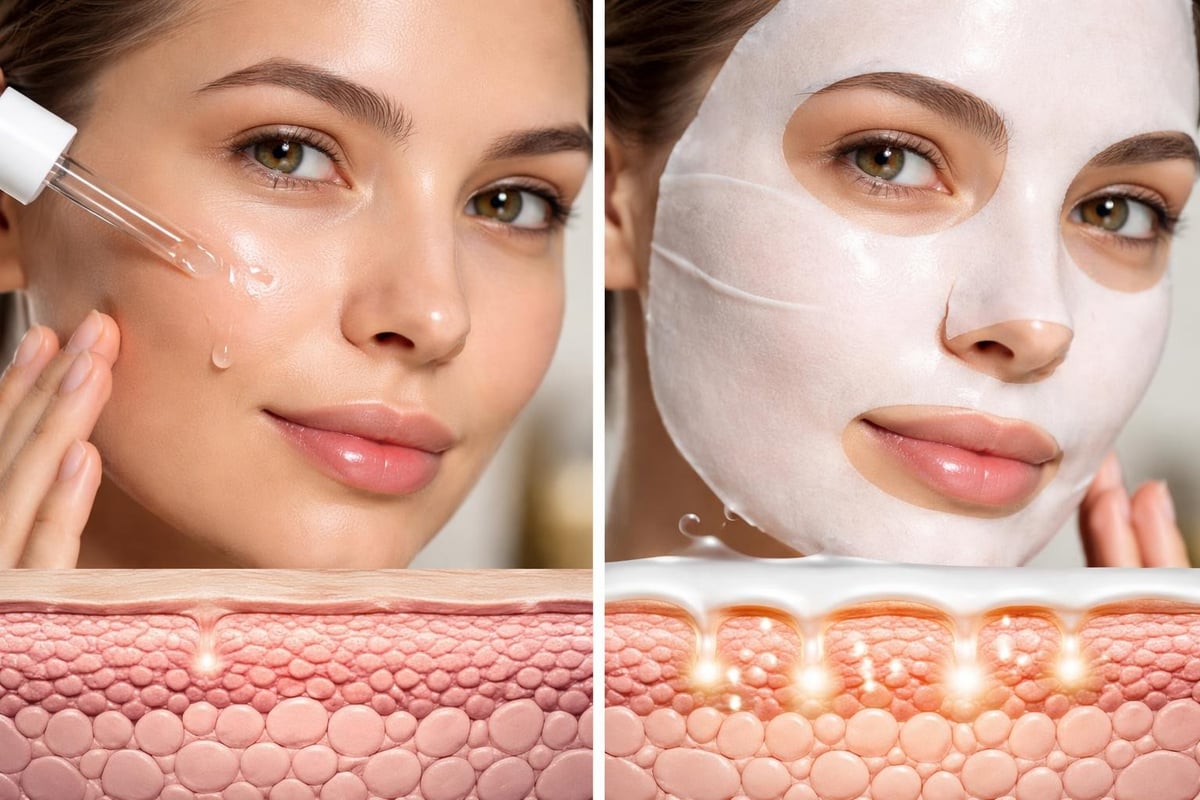
Modern formulations deliver these benefits without disrupting the skin barrier. The best masks support your skin's natural functions rather than forcing dramatic changes that create dependency or sensitivity.
The Science of Skin Radiance
Radiant skin reflects light uniformly across its surface. This requires three foundational elements: adequate hydration in the stratum corneum, even melanin distribution, and smooth cellular turnover that prevents buildup.
Key factors that determine skin luminosity:
- Surface texture uniformity – Smooth skin reflects light more evenly than textured or flaky skin
- Hydration levels – Well-hydrated cells appear plumper and more translucent
- Pigmentation balance – Even melanin distribution prevents dark patches that absorb light
- Blood circulation – Healthy microcirculation brings oxygen and nutrients that support cellular vitality
Face masks for glowing skin address these factors through concentrated exposure to specific actives. A clay mask pulls impurities that clog pores and dull complexion. A hydrating gel mask floods the skin with humectants that bind water molecules. A brightening treatment delivers concentrated doses of ingredients that inhibit excess melanin production.
Types of Face Masks That Transform Skin
Not all masks serve the same purpose. Understanding the distinct categories helps you select treatments that align with your specific skin needs and broader skincare goals.
Clay and Mud Formulations
These absorbent masks draw out excess sebum, environmental pollutants, and pore-clogging debris. They're particularly effective for congested skin that appears dull due to buildup rather than dehydration.
Common clay types and their properties:
| Clay Type | Best For | Key Benefit |
|---|---|---|
| Kaolin | Sensitive, dry skin | Gentle cleansing without stripping |
| Bentonite | Oily, congested skin | Strong absorption of excess oil |
| French Green | Combination, normal skin | Balanced purification and mineral delivery |
| Pink Clay | All skin types | Mild exfoliation with soothing properties |
Clay masks create temporary tightness as they dry, which some interpret as "working." The actual benefit comes from the mineral content and absorption capacity, not the tightening sensation itself.
Hydrating Gel and Cream Masks
These formulations focus on moisture replenishment and barrier support. Hydrating face masks work particularly well after exfoliating treatments or for skin that appears dull due to dehydration rather than congestion.
Humectants like hyaluronic acid, glycerin, and panthenol bind water molecules to the skin's surface. Occlusives like squalane and ceramides prevent that moisture from evaporating. The combination creates lasting plumpness that reflects light beautifully.
Gel masks often contain additional soothing ingredients-allantoin, centella asiatica, or niacinamide-that calm inflammation while hydrating. This dual action makes them suitable even for reactive skin types.
Sheet Masks and Bio-Cellulose
Sheet masks deliver concentrated serums in a format that prevents evaporation and maximises contact time. The best sheet masks combine effective ingredient concentrations with materials that conform closely to facial contours.
Bio-cellulose sheets, made from fermented coconut water, adhere more closely than traditional cotton or paper sheets. This enhanced contact improves ingredient transfer and creates a cooling effect that reduces puffiness.
Advantages of sheet mask formats:
- Pre-measured dosing eliminates guesswork
- Occlusion enhances ingredient penetration
- No mess or cleanup required
- Portable for travel or quick application
The serum formulations in quality sheet masks often contain multiple actives working synergistically-vitamin C with ferulic acid, niacinamide with peptides, or hyaluronic acid with ceramides.
Exfoliating and Enzyme Treatments
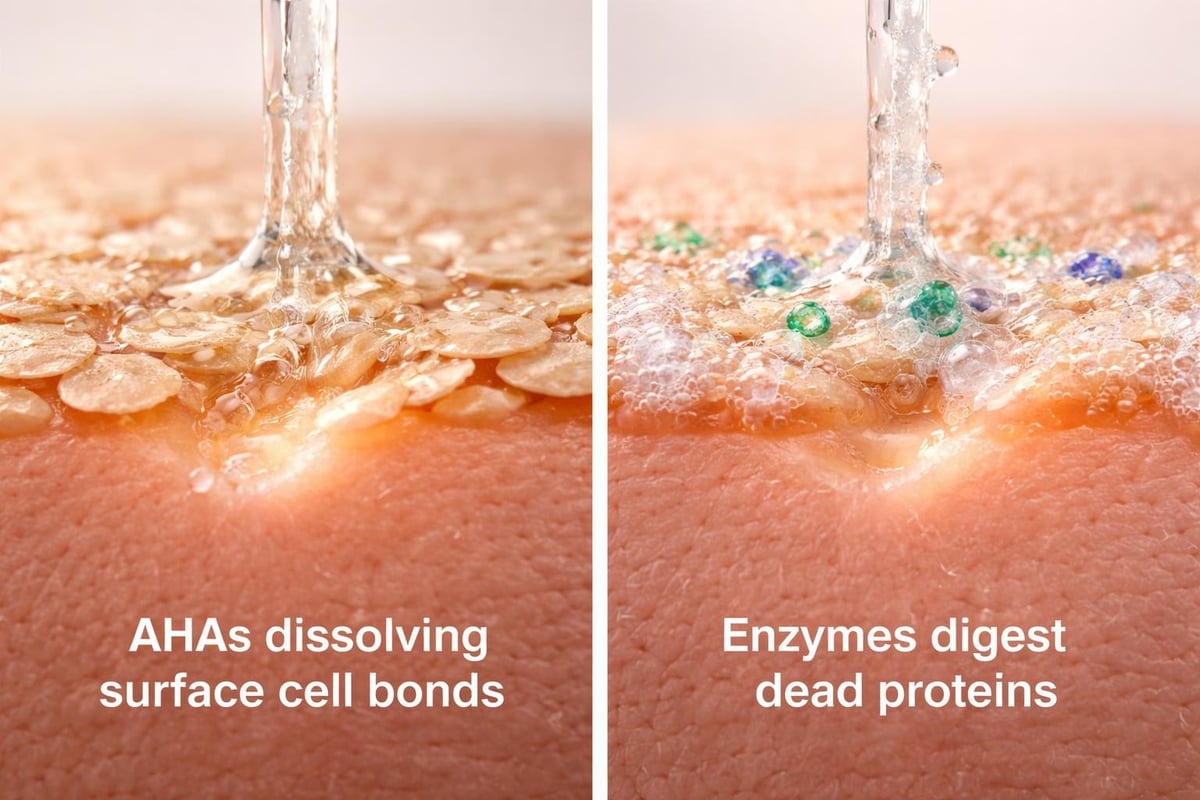
Chemical exfoliants in mask form provide controlled exposure to acids or enzymes that dissolve dead cell buildup. This category of face masks for glowing skin creates immediate visible smoothness by removing the dulling layer of accumulated keratinocytes.
AHAs like glycolic and lactic acid work on the skin's surface, dissolving the bonds between dead cells. BHAs like salicylic acid penetrate into pores, making them more effective for congested or acne-prone skin. PHAs offer gentler exfoliation for sensitive complexions.
Enzyme masks use fruit-derived enzymes-papain from papaya, bromelain from pineapple-to digest dead proteins without the potential irritation of acid formulations. They're particularly suited to reactive or rosacea-prone skin that still needs regular exfoliation.
LED and Light Therapy Integration
Advanced LED face masks represent the convergence of traditional masking and clinical technology. Different light wavelengths trigger specific cellular responses that support skin health and radiance from within.
Red light stimulates fibroblast activity and increases circulation, which enhances nutrient delivery and collagen production. Blue light targets acne-causing bacteria and helps regulate sebum production. Combination devices allow targeted treatment based on changing skin needs.
Research into at-home red light devices shows consistent use can improve skin texture, reduce inflammation, and support overall skin vitality-all factors that contribute to natural radiance.
Essential Ingredients That Create Radiance
The formulation behind any face mask determines its effectiveness. Understanding key ingredients helps you select treatments aligned with your specific skin goals.
Brightening and Pigmentation Actives
Vitamin C remains the gold standard for brightening treatments, but its instability requires careful formulation. L-ascorbic acid delivers the strongest results but oxidises quickly. More stable derivatives like ascorbyl glucoside or sodium ascorbyl phosphate offer reliable brightening with less irritation potential.
Niacinamide inhibits melanosome transfer from melanocytes to keratinocytes, effectively reducing the appearance of dark spots and overall skin tone irregularities. It also strengthens the skin barrier and regulates sebum production, making it valuable for multiple concerns simultaneously.
Alpha arbutin, kojic acid, and tranexamic acid each interrupt different stages of melanin synthesis. Face masks for glowing skin often combine multiple brightening mechanisms for comprehensive pigmentation management.
Hydration Heroes
Humectants that bind moisture to skin:
- Hyaluronic acid – Holds up to 1000 times its weight in water
- Glycerin – Draws water from deeper skin layers and environment
- Panthenol (Pro-Vitamin B5) – Penetrates easily and soothes while hydrating
- Sodium PCA – Natural moisturising factor component
- Betaine – Protects cells from osmotic stress
These ingredients work best when combined with occlusives that prevent transepidermal water loss. Masks that layer humectants under occlusive carriers deliver lasting hydration rather than temporary plumpness that disappears hours after application.
Antioxidant Protection
Environmental aggressors-UV exposure, pollution, blue light-generate free radicals that damage cellular structures and accelerate visible ageing. Antioxidants neutralise these reactive molecules before they cause oxidative stress.
Vitamin E, green tea extract, resveratrol, and coenzyme Q10 provide protective and reparative benefits. When delivered through mask formulations, these antioxidants saturate the skin at concentrations that daily serums may not achieve.
Ferulic acid enhances the stability and effectiveness of vitamins C and E, making it a valuable addition to brightening mask formulations. This synergistic combination provides both immediate radiance and long-term protection.
Texture-Refining Actives
Smooth skin texture reflects light uniformly, creating the appearance of radiance. Peptides signal increased collagen and elastin production, gradually improving skin density and smoothness. Retinol accelerates cellular turnover, preventing the buildup that creates rough texture.
AHAs in mask formulations provide immediate smoothing through surface exfoliation. Regular use-once or twice weekly depending on concentration-maintains the light-reflective surface that defines glowing skin.
Building an Effective Masking Routine
Random application of various masks produces inconsistent results. Strategic integration within a broader skincare system delivers compounding benefits that build real, lasting radiance.
Assessing Your Starting Point
Before selecting face masks for glowing skin, evaluate your current skin state honestly. Is dullness caused by dehydration, congestion, pigmentation, or texture irregularity? Each requires different treatment approaches.
Common causes of dull-looking skin:
| Cause | Visual Signs | Mask Solution |
|---|---|---|
| Dehydration | Flaky patches, tightness, fine lines | Hydrating gel or cream masks |
| Congestion | Visible pores, rough texture, blackheads | Clay or enzyme treatments |
| Dead cell buildup | Uneven tone, makeup sits poorly | Chemical exfoliating masks |
| Pigmentation | Dark spots, uneven patches | Brightening masks with vitamin C or niacinamide |
| Poor circulation | Pale or grey cast, puffiness | Masks with circulation-boosting ingredients |
Combination causes require rotation between different mask types rather than searching for a single solution that addresses everything simultaneously.
Frequency and Timing Strategy
More isn't better with active treatments. Over-masking can disrupt barrier function and create sensitivity that ultimately dulls skin appearance.
Most exfoliating or clay-based face masks for glowing skin work best once or twice weekly. Hydrating masks can be used more frequently-even daily during periods of environmental stress or after intensive treatments.
Evening application allows actives to work during the skin's natural repair cycle. Morning masks before events provide immediate plumping and radiance but should contain gentle, non-irritating formulations that won't interfere with makeup application.
Layering Masks for Targeted Results
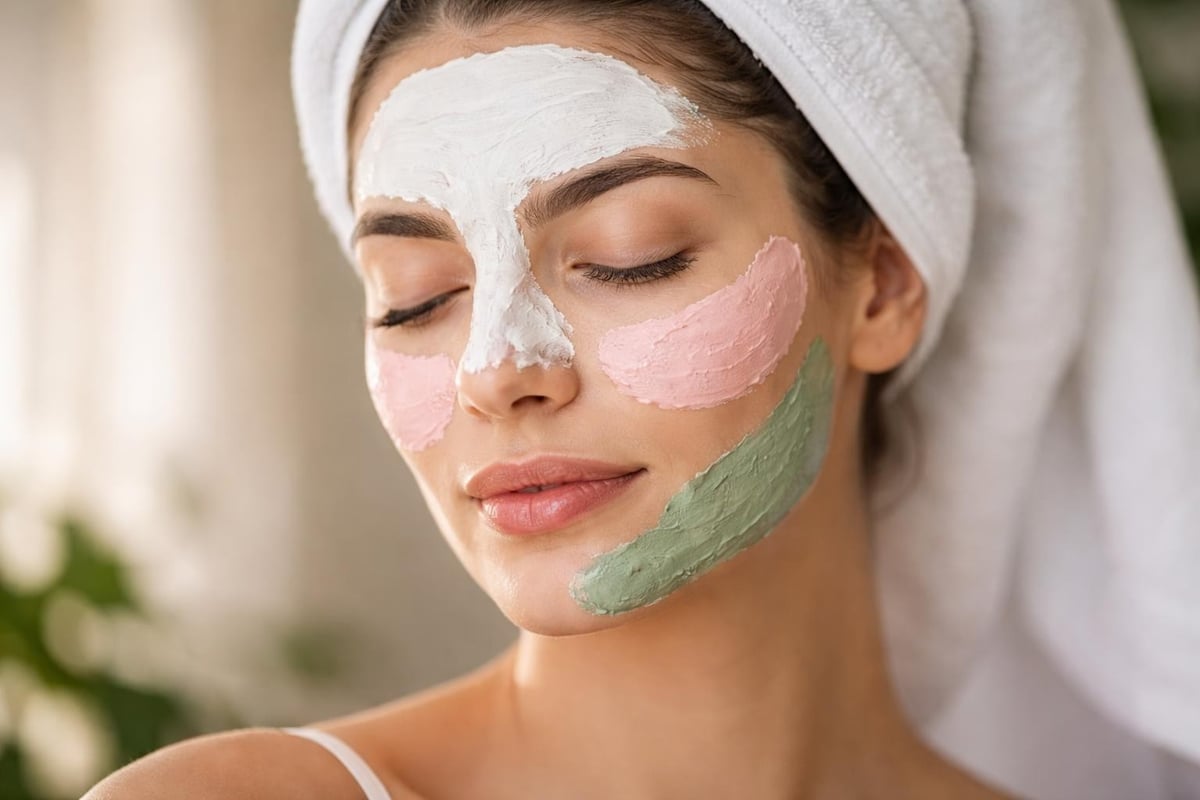
Multi-masking applies different formulations to different facial zones simultaneously. This approach acknowledges that your T-zone, cheeks, and jaw may have entirely different needs.
Apply a clay mask to congested areas, a hydrating mask to dry patches, and a brightening treatment to pigmented zones. This precision targeting prevents over-treating already balanced areas while addressing specific concerns efficiently.
Sequential masking uses different masks in stages. Start with an exfoliating treatment to remove dead cells, follow with a brightening mask to deliver actives to freshly revealed skin, then seal with a hydrating mask that supports barrier recovery.
Supporting Your Mask Treatments
Face masks for glowing skin work best within a complete system. Cleanse thoroughly before masking to remove barriers that prevent ingredient absorption. Apply toner or essence after removing the mask to prepare skin for subsequent products.
Follow masks with serums and moisturisers that complement the treatment you've just completed. After a vitamin C brightening mask, apply a niacinamide serum and barrier-supporting moisturiser. After clay clarification, use a lightweight hydrating serum that won't clog freshly cleaned pores.
For concerns like dark spots or textured areas that need concentrated attention, targeted treatments deliver actives precisely where needed without affecting surrounding skin. The Routine. Peptide MicroPatch takes this precision further-thin, flexible patches with dissolving micro-tips place brightening and smoothing actives directly into specific zones like old acne marks or uneven areas, offering controlled absorption that complements your broader masking routine.

Ingredient Combinations That Amplify Results
Strategic pairing of actives creates synergistic effects that exceed what individual ingredients deliver alone. Understanding these relationships helps you select face masks for glowing skin that work smarter, not just harder.
Vitamin C and Ferulic Acid
Ferulic acid stabilises vitamin C formulations and doubles photoprotection. Masks containing this combination deliver brightening benefits while protecting against the environmental damage that causes future pigmentation.
This pairing works particularly well in morning applications before sun exposure, though vitamin C provides antioxidant benefits regardless of timing.
Niacinamide and Peptides
Niacinamide supports barrier function and reduces inflammation, creating an optimal environment for peptides to signal cellular activity. Together, they address multiple ageing concerns-fine lines, uneven tone, and texture irregularities-while maintaining skin comfort.
This gentle combination suits even sensitive skin types when concentrations remain within appropriate ranges (typically 2-5% niacinamide, peptides at 1-3%).
Hyaluronic Acid and Ceramides
Hyaluronic acid attracts water to the skin's surface, while ceramides prevent that moisture from evaporating. Face masks that support skin hydration often combine these ingredients for immediate plumping and lasting moisture retention.
This pairing particularly benefits dehydrated skin that appears dull despite adequate oil production-a common issue in air-conditioned or heated environments.
AHAs and Soothing Botanicals
Chemical exfoliants deliver smoothing results but can irritate sensitive complexions. Formulations that balance acids with soothing ingredients like centella asiatica, allantoin, or bisabolol minimise discomfort while maintaining exfoliating effectiveness.
This combination allows regular exfoliation that maintains radiance without triggering the redness or sensitivity that makes some avoid acids entirely.
Professional Treatments vs. At-Home Masking
Clinical facials deliver higher concentrations of actives under professional supervision, but consistent at-home care often produces superior long-term results through regular, sustained treatment.
What Professional Treatments Offer
Estheticians can use stronger acid concentrations, medical-grade devices, and extraction techniques not suitable for home use. Professional LED therapy treatments deliver higher intensity light at precise wavelengths calibrated for specific skin concerns.
These treatments create dramatic immediate results-smoothness, clarity, and radiance that make them worthwhile before important events. However, effects fade without consistent at-home maintenance.
The At-Home Advantage
Regular application of face masks for glowing skin at appropriate concentrations builds cumulative improvement without the downtime or sensitivity that intensive treatments sometimes create. You control frequency, timing, and product selection based on how your skin responds.
Benefits of home masking routines:
- Consistent treatment schedule without appointment constraints
- Lower per-application cost despite higher frequency
- Ability to adjust immediately based on skin response
- No recovery period that interferes with social or professional commitments
- Gradual improvement that looks natural rather than suddenly different
Dermatologist-recommended options now include clinical-grade formulations designed for home use, closing the gap between professional and personal care.
Hybrid Approaches
The most effective strategy combines periodic professional treatments with disciplined home care. Quarterly or monthly facials address deep congestion or provide intensive exfoliation, while weekly at-home masks maintain those results between appointments.
This approach also allows professionals to assess progress and adjust recommendations based on how your skin responds to your home routine.
Addressing Specific Concerns That Dim Radiance
Different skin issues require targeted approaches. Face masks for glowing skin work best when selected to address your particular barriers to radiance rather than following generic recommendations.
Hyperpigmentation and Dark Spots
Post-inflammatory hyperpigmentation from previous breakouts, sun damage, or melasma creates uneven tone that prevents uniform light reflection. Brightening masks with vitamin C, niacinamide, alpha arbutin, or tranexamic acid inhibit melanin production while antioxidants protect against further damage.
Consistency matters more than intensity with pigmentation treatment. Gentle daily application often outperforms weekly intensive treatments that irritate skin and potentially trigger more pigmentation.
Textural Irregularities
Rough, bumpy, or uneven skin scatters light randomly instead of reflecting it uniformly. Regular exfoliation with AHA or enzyme masks removes the dead cell buildup that creates texture issues.
Retinol masks or peptide treatments support increased cellular turnover and collagen production, gradually smoothing texture from within. This dual approach-surface refinement and deeper structural improvement-delivers lasting smoothness.
Dehydration Lines and Dullness
Fine lines caused by dehydration respond immediately to intensive hydration. Masks with multiple molecular weights of hyaluronic acid penetrate different skin depths, providing surface plumping and deeper moisture retention.
However, if barrier dysfunction allows moisture loss, hydrating masks provide only temporary relief. Look for formulations that include ceramides, cholesterol, and fatty acids that repair barrier integrity for lasting hydration.
Congestion and Enlarged Pores
Pores don't actually open or close, but congestion stretches them visibly. Clay masks draw out sebum and debris, while salicylic acid penetrates oil to exfoliate inside pore channels. Regular clarifying treatments keep pores clear, making them appear smaller.
Avoid over-stripping, which triggers rebound oil production that worsens congestion. Balance clarifying masks with hydrating treatments that support healthy sebum regulation.
Redness and Sensitivity
Compromised barriers and inflammation create uneven tone and prevent the clear, even complexion associated with radiant skin. Soothing masks with centella asiatica, niacinamide, azelaic acid, or colloidal oatmeal calm reactivity while supporting barrier repair.
Face masks designed for sensitive skin avoid common irritants-fragrance, essential oils, high alcohol content-that trigger inflammation and counteract radiance goals.
Formulation Quality Indicators
Not all face masks for glowing skin deliver on their promises. Understanding formulation quality helps you invest in products that produce real results rather than temporary cosmetic effects.
Active Ingredient Concentrations
Ingredient lists show components in descending order by weight, but percentages matter enormously. A product listing vitamin C fourth after water, glycerin, and another humectant likely contains insufficient concentration for meaningful brightening.
Quality brands often publish concentration ranges for key actives. Look for vitamin C at 10-20%, niacinamide at 2-5%, and AHAs at 5-10% for visible results without excessive irritation.
pH Considerations
Chemical exfoliants work within specific pH ranges. AHAs function optimally between pH 3-4, while BHAs work best at pH 3-4.5. Higher pH formulations feel gentler but may not deliver effective exfoliation.
Vitamin C (L-ascorbic acid) requires pH below 3.5 for stability and penetration. More comfortable pH levels often indicate derivative forms that sacrifice some efficacy for improved tolerance.
Preservation and Stability
Antioxidants oxidise when exposed to air and light. Quality formulations use airless pumps, opaque containers, or single-use packaging that protects ingredient integrity.
Check expiration dates and PAO (Period After Opening) symbols. Using oxidised vitamin C or rancid oils not only wastes money but potentially irritates skin and creates free radicals you're trying to avoid.
Texture and Absorption
Effective masks should feel pleasant during application and absorb or rinse completely without residue. Pilling, greasiness, or sticky films suggest formulation issues that may indicate poor ingredient quality or improper ratios.
Natural and Clean Formulation Considerations
The clean beauty movement has brought welcome attention to ingredient safety, but also created confusion about what "natural" actually means for effectiveness and skin health.
When Natural Works
Plant-derived ingredients offer genuine benefits. Green tea provides powerful antioxidants, willow bark contains natural salicylates, and fruit enzymes deliver gentle exfoliation. These ingredients can be as effective as synthetic alternatives when properly formulated.
However, "natural" doesn't automatically mean safe or non-irritating. Essential oils, while natural, frequently cause sensitisation. Lemon juice, though plant-based, can create photosensitivity and chemical burns.
When Synthetic Excels
Many effective actives don't exist in nature at useful concentrations. Stabilised vitamin C derivatives, peptides, and hyaluronic acid require laboratory synthesis to achieve the purity and concentration needed for visible results.
These ingredients undergo extensive safety testing and stability studies that natural extracts often lack. The "chemical" label doesn't indicate danger-it describes molecular structure.
The Balanced Approach
Focus on ingredient function rather than origin. Does this formulation deliver actives your skin needs at effective concentrations with minimal irritation potential? That matters more than whether components come from plants or labs.
Quality face masks balance natural and synthetic ingredients based on what works best for each formulation goal rather than adhering to arbitrary "clean" or "natural" definitions.
Common Masking Mistakes That Prevent Results
Even effective face masks for glowing skin underperform when application technique or routine integration undermines their potential. Avoiding these errors maximises your investment and results.
Over-Application and Barrier Damage
More frequent masking doesn't accelerate results-it often reverses them. Over-exfoliation strips the barrier, triggering inflammation, sensitivity, and the dull, rough texture you're trying to eliminate.
Respect recommended usage frequencies. If a mask suggests weekly application, don't assume three times weekly will triple benefits. You'll likely triple irritation instead.
Insufficient Contact Time
Leaving masks on too long can irritate, but removing them too quickly prevents proper ingredient absorption. Clay masks work during drying-removing them while still wet eliminates their purifying benefits.
Hydrating masks need adequate time for humectants to bind water molecules. Follow package directions rather than guessing at timing.
Poor Surface Preparation
Applying masks to inadequately cleansed skin means actives penetrate through layers of makeup, sunscreen, and environmental debris rather than reaching clean skin. Double cleanse before masking to remove all barriers to absorption.
Conversely, over-cleansing with harsh surfactants before masks can compromise barrier integrity and increase irritation potential from active ingredients.
Ignoring Skin Responses
Tingling during acid application is expected. Burning, stinging, or intense redness indicates excessive irritation. Continuing to use products that cause discomfort hoping skin will "adjust" usually worsens sensitivity rather than building tolerance.
Pay attention to how skin responds in the 24-48 hours after masking. Increased smoothness, even tone, and comfortable hydration indicate effective treatment. Tightness, flaking, or new breakouts suggest adjustments needed.
Inconsistent Application
Sporadic masking-intensive treatment for a week then nothing for months-prevents the cumulative improvement that builds real radiance. Skin responds to consistent, appropriate stimulation, not erratic intensive sessions.
Establish a sustainable routine you'll maintain long-term rather than an ambitious programme you'll abandon after initial enthusiasm fades.
Seasonal Adjustments for Year-Round Radiance
Your skin's needs shift with environmental conditions. Face masks for glowing skin should adapt to seasonal changes that affect hydration, sensitivity, and cellular activity.
Summer Considerations
Heat and humidity increase sebum production, making lightweight gel masks more appropriate than heavy creams. Clay and charcoal formulations manage the excess oil that can cause congestion and dullness.
UV exposure intensifies free radical damage and pigmentation concerns. Antioxidant and brightening masks used consistently through summer months prevent the cumulative damage that manifests as spots and uneven tone.
Winter Adjustments
Cold air and indoor heating severely compromise barrier function and moisture retention. Shift toward cream-based hydrating masks with ceramides and fatty acids that support barrier repair.
Reduce exfoliation frequency as compromised barriers become more sensitive to acids. When you do exfoliate, follow immediately with intensive hydration to prevent the tightness and flaking that cold weather exacerbates.
Spring and Autumn Transitions
These moderate seasons allow introduction of stronger actives or new treatments without the stress of temperature extremes. Use transitional periods to establish routines you'll maintain year-round with seasonal modifications.
Spring is ideal for addressing pigmentation accumulated during winter when sun exposure was lower. Autumn allows intensive exfoliation and retinol treatments to repair summer damage before winter's harsh conditions arrive.
Technology Integration in Modern Masking
Traditional formulations now integrate with devices and delivery systems that enhance effectiveness and user experience.
Warming and Cooling Technologies
Some masks generate gentle heat that increases circulation and enhances ingredient penetration. Others create cooling effects that reduce puffiness and calm inflammation.
These temperature variations aren't just sensory-they trigger physiological responses that support the mask's functional goals beyond active ingredient delivery alone.
Microcurrent and Vibration
Devices that deliver gentle electrical stimulation during mask application enhance product absorption while providing temporary lifting and toning effects. Regular use may support improved facial muscle tone that contributes to overall radiance.
Vibration increases local circulation, bringing nutrients and oxygen while supporting lymphatic drainage that reduces puffiness. This enhanced microenvironment allows skin to respond more effectively to treatment.
Smart Formulations
pH-adjusting masks adapt to your skin's current state, delivering appropriate acid levels based on starting pH. Time-release formulations extend active delivery beyond initial application, providing sustained benefits.
These innovations make face masks for glowing skin more effective and user-friendly, reducing guesswork and improving consistency of results.
Building Long-Term Skin Confidence
Radiant skin isn't a destination you reach and maintain effortlessly. It requires ongoing commitment to appropriate care that evolves with your skin's changing needs.
Tracking Progress Effectively
Monthly photos in consistent lighting reveal gradual improvements that daily mirror checks miss. Note texture changes, tone evenness, and how long your skin maintains hydration between applications.
This documentation helps identify which masks deliver real results versus which provide only temporary cosmetic effects. Invest your time and money in treatments that build lasting improvement.
Adjusting as Needs Change
Hormonal fluctuations, stress, environmental changes, and natural ageing alter skin behaviour. The face masks for glowing skin that worked beautifully last year might need adjustment as circumstances shift.
Reassess your routine quarterly. Are you still addressing your current primary concern, or has something else become the main barrier to radiance?
Integrating Professional Guidance
Dermatologists and experienced estheticians provide valuable perspective on skin analysis and treatment selection. Annual or biannual consultations ensure your home routine aligns with professional recommendations and current skin state.
They can also identify concerns-like persistent pigmentation or textural issues-that might benefit from prescription treatments or clinical procedures beyond what home care alone can address.
Face masks for glowing skin deliver concentrated benefits that support radiance through hydration, clarification, brightening, and texture refinement. The key lies not in finding a single perfect product but in building a strategic routine that addresses your specific barriers to luminosity with appropriate frequency and formulation quality. When you approach masking as part of a complete ecosystem-targeted treatment, active boosting, and consistent maintenance-you create the foundation for skin confidence that compounds over time. Routine. Beauty builds this exact philosophy into every product, offering a clear system where each treatment has one defined role and works together as part of a disciplined routine designed for real life and lasting results.

