


Finding the right simple moisturizer for oily skin can feel counterintuitive. When your face already produces excess sebum throughout the day, the last thing you want is another layer that might trigger more shine, clogged pores, or breakouts. Yet skipping moisturizer entirely creates a vicious cycle where your skin overcompensates by producing even more oil. The key lies in understanding what oily skin truly needs and selecting formulas that deliver hydration without heaviness, structure without complexity, and results without unnecessary ingredients.
Understanding Why Oily Skin Still Needs Moisture
Oily skin produces excess sebum, but sebum and hydration are not the same thing. Your skin can be simultaneously oily and dehydrated, a condition where the surface feels greasy while the deeper layers lack water content. When you strip away moisture through harsh cleansing or avoid moisturizers altogether, your sebaceous glands interpret this as a signal to produce more oil as a protective mechanism.
A balanced approach to oily skin care includes:
- Lightweight hydration that doesn't add additional oils
- Ingredients that support the skin barrier
- Formulas that regulate rather than suppress natural sebum production
- Non-comedogenic products that won't block pores
The concept of a simple moisturizer for oily skin centers on eliminating unnecessary additives while focusing on what your skin genuinely requires. This means avoiding heavy occlusives, fragrance, and thick emollients that sit on the surface rather than absorbing cleanly.
The Science Behind Oil Production
Sebaceous glands respond to various internal and external triggers. Hormones, genetics, climate, stress levels, and skincare routines all influence how much oil your skin produces. When you use products that are too heavy or occlusive, they can trap heat and bacteria against the skin, leading to congestion and inflammation.
Research shows that maintaining proper hydration actually helps regulate oil production over time. When the skin barrier functions optimally, it doesn't send distress signals that trigger excess sebum. This is why choosing the right moisturizer becomes a foundational step in managing oily skin long-term.
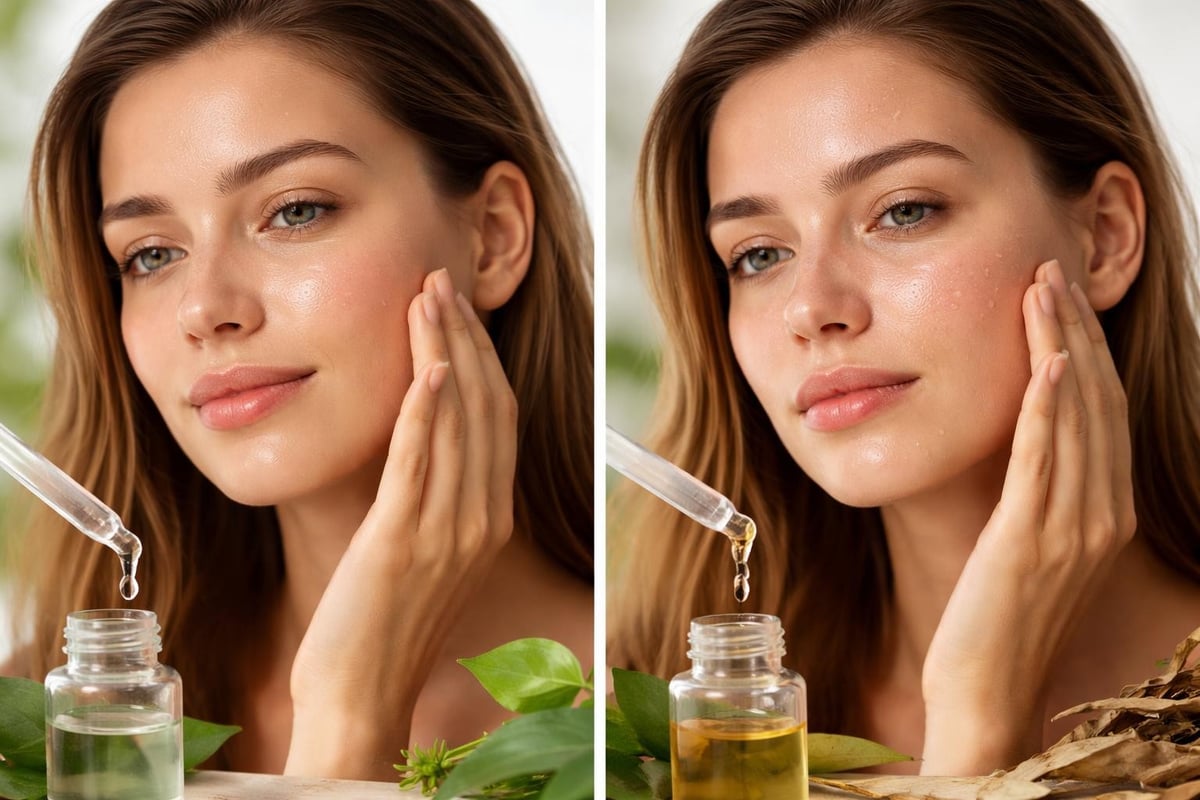
Key Ingredients for Simple Moisturizers That Work
Not all moisturizing ingredients suit oily skin equally. The most effective formulas combine humectants that draw water into the skin with lightweight agents that don't contribute to surface greasiness. Understanding these ingredient categories helps you decode product labels and make informed decisions.
Humectants That Hydrate Without Weight
Humectants attract water molecules from the environment and deeper skin layers, binding moisture where it's needed most. For oily skin, these ingredients provide hydration without adding oils or creating a heavy feel.
| Ingredient | Benefit | Texture Impact |
|---|---|---|
| Hyaluronic Acid | Holds 1000x its weight in water | Weightless, absorbs quickly |
| Glycerin | Draws moisture from air | Slightly tacky if used alone |
| Niacinamide | Regulates sebum, strengthens barrier | Smooth, non-greasy |
| Panthenol | Soothes and hydrates | Light, silky finish |
Hyaluronic acid stands out as particularly suitable for a simple moisturizer for oily skin because it delivers intense hydration in a molecule that feels virtually weightless on application. Different molecular weights penetrate to various skin depths, so formulas containing multiple forms provide comprehensive hydration.
Niacinamide deserves special mention for oily skin types. This form of vitamin B3 doesn't just hydrate-it actively helps regulate sebum production while strengthening the skin barrier and reducing inflammation. Studies show consistent use can visibly reduce pore appearance and improve skin texture.
Lightweight Occlusives and Emollients
While oily skin doesn't need heavy oils, it does benefit from strategic barrier support. The right occlusives seal in hydration without creating a greasy film.
- Squalane: A biomimetic oil that's lightweight and non-comedogenic
- Dimethicone: Creates a breathable barrier that feels silky
- Ceramides: Lipids that repair and maintain the skin barrier
- Silica: Mattifies while allowing moisture to penetrate
These ingredients work best in balanced ratios. Too much of any occlusive element overwhelms oily skin, while too little fails to prevent transepidermal water loss. A simple moisturizer for oily skin typically contains around 2-5% occlusive ingredients versus 10-20% in formulas designed for dry skin.
What to Avoid in Oily Skin Moisturizers
Certain ingredients commonly found in moisturizers can exacerbate oiliness or trigger breakouts. When evaluating products, watch for these potential problematic components:
- Heavy oils like coconut oil, palm oil, or cocoa butter
- Thick waxes such as beeswax or carnauba wax
- Synthetic fragrances that can irritate and inflame
- Alcohol denat as the primary ingredient (occasional use is fine)
- Comedogenic ingredients rated 4-5 on the comedogenicity scale
Simplicity becomes particularly important for oily, acne-prone skin. The fewer ingredients a formula contains, the easier it becomes to identify what works for your skin and what doesn't.
Texture and Formula Types That Suit Oily Skin
The vehicle that delivers moisturizing ingredients matters as much as the ingredients themselves. A simple moisturizer for oily skin should feel comfortable from the moment you apply it, absorbing cleanly without leaving residue or shine.
Gel Moisturizers
Gel formulas use water as the primary base rather than oils or emollients. They spread easily, absorb rapidly, and typically leave a fresh, cooling sensation. These work exceptionally well in humid climates or during warmer months when heavier creams feel suffocating.
Advantages of gel textures:
- Immediate absorption with no waiting time
- Won't pill under makeup or sunscreen
- Refreshing application experience
- Usually oil-free formulations
The main limitation with gel moisturizers is that some may not provide enough barrier support for very dehydrated skin or harsh environmental conditions. Layering with a targeted serum can address this gap.
Lotion and Emulsion Textures
Lotions and emulsions strike a middle ground between gels and creams. They contain some emollient ingredients but in lighter concentrations that maintain a fluid, pourable consistency. These formulas often incorporate both water-based and oil-based components in carefully balanced ratios.
Expert dermatologists often recommend lotion textures for oily skin because they provide more robust hydration than gels while remaining significantly lighter than traditional creams. Look for milky, thin lotions rather than thick, opaque formulas.
Serum-Moisturizer Hybrids
The skincare market has evolved to create products that blur traditional category lines. Serum-moisturizer hybrids deliver concentrated active ingredients in a hydrating base that functions as your final moisture step. These streamlined products align perfectly with the concept of simplicity.
For someone seeking a simple moisturizer for oily skin, hybrid formulas eliminate the need to layer multiple products. They typically feature higher concentrations of active ingredients like niacinamide or peptides while maintaining the lightweight feel essential for oily complexions.
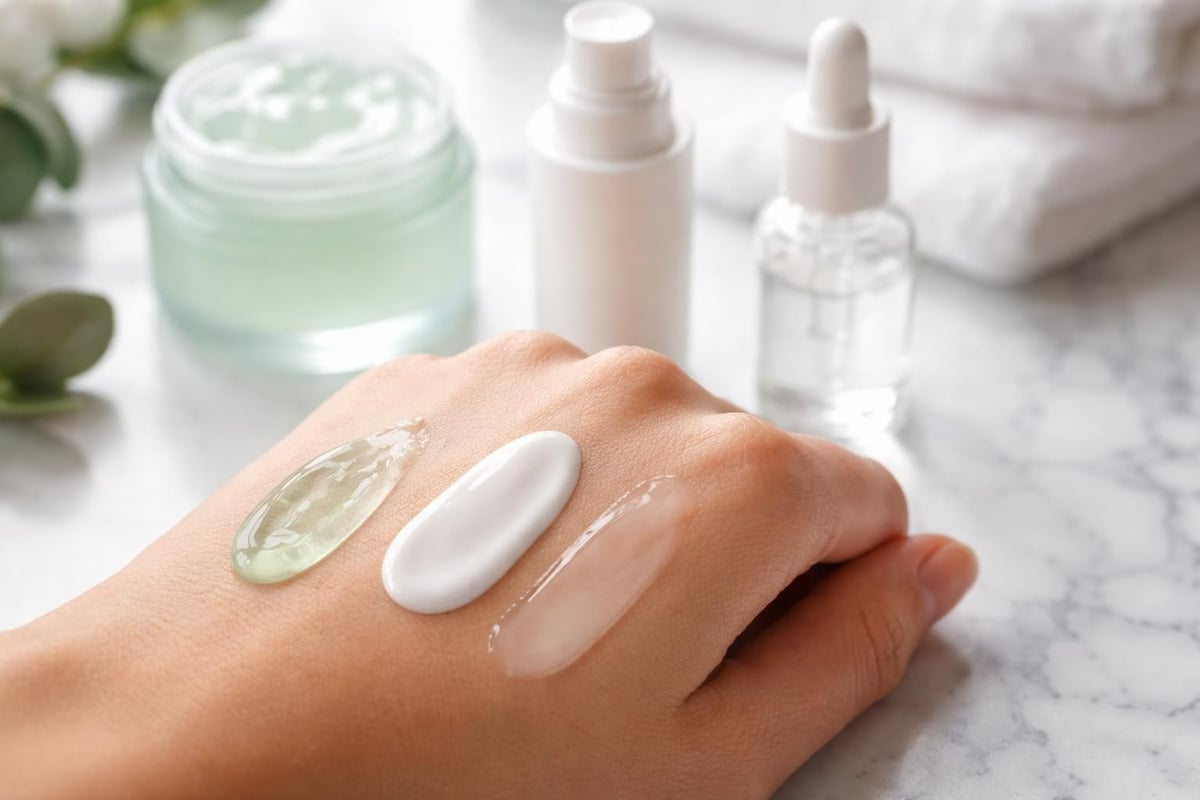
Application Techniques That Maximize Results
How you apply your moisturizer influences its effectiveness just as much as which product you choose. Oily skin requires strategic application that supports absorption and prevents product buildup.
Timing and Skin Preparation
Apply moisturizer to slightly damp skin whenever possible. Water on the skin's surface helps humectant ingredients work more effectively, pulling that moisture into deeper layers. Wait 30-60 seconds after cleansing or applying toner, leaving skin lightly damp but not dripping wet.
Step-by-step application process:
- Cleanse thoroughly but gently, avoiding stripping formulas
- Apply any treatment serums or targeted products
- While skin remains slightly damp, dispense moisturizer
- Warm product between clean fingertips
- Press and pat into skin rather than rubbing aggressively
- Focus on areas prone to dehydration (cheeks, around nose)
- Use less product in your T-zone if it's particularly oily
The pressing and patting motion encourages absorption while minimizing the stimulation that can trigger oil production. Aggressive rubbing can actually signal sebaceous glands to increase activity.
Layering for Targeted Results
Oily skin benefits from a system-based approach where each product serves a specific purpose. Rather than piling on multiple moisturizers, consider how your simple moisturizer for oily skin fits within a complete routine.
A structured routine might include targeted treatments for specific concerns, products that boost skin function, and maintenance formulas that preserve results. This systematic approach prevents product overload while addressing your unique skin needs comprehensively.
Supporting your moisturizer with complementary treatments can enhance its effectiveness. For example, using light therapy before moisturizing helps improve circulation and reduce inflammation, allowing the skin to better utilize hydrating ingredients. The gentle stimulation creates an optimal environment for product absorption while supporting clearer, more balanced skin tone over time.
Adjusting for Climate and Season
Your moisturizer needs fluctuate based on environmental conditions. A simple moisturizer for oily skin in summer might feel insufficient during winter months when heating systems and cold air increase transepidermal water loss.
| Season | Adjustment Strategy | Product Modification |
|---|---|---|
| Summer/Humid | Use lighter gel formulas | Consider skipping moisturizer in very oily zones |
| Winter/Dry | Layer hydrating serum first | Choose lotion over pure gel |
| Spring/Fall | Standard application | Monitor and adjust as needed |
| Air Travel | Extra hydration layers | Don't skip despite increased oil |
Rather than completely changing products, you can adjust application amounts and frequency. Using slightly more moisturizer in dry conditions or applying it only to specific facial zones during peak oil production helps maintain balance year-round.
Building a Minimal Routine Around Your Moisturizer
The philosophy of simplicity extends beyond choosing a single product. A complete approach to managing oily skin requires discipline and structure, where each step serves a clear purpose without redundancy or excess.
The Essential Three-Step Framework
Most oily skin types achieve optimal results with a streamlined routine that includes cleansing, treating, and moisturizing. This framework prevents product overload while ensuring skin receives necessary support.
Morning routine structure:
- Gentle, pH-balanced cleanser
- Targeted treatment for specific concerns
- Simple moisturizer for oily skin
- Broad-spectrum SPF 30 or higher
Evening routine structure:
- Thorough cleansing (double cleanse if wearing makeup)
- Active treatment ingredients (if tolerance allows)
- Hydrating moisturizer
- Optional: Targeted treatment patches for specific areas
This structure ensures your simple moisturizer for oily skin works within a system designed to support long-term skin health. Each product complements the others rather than competing for absorption or creating conflicting signals.
When to Add Targeted Treatments
Oily skin often accompanies other concerns like active breakouts, post-inflammatory marks, enlarged pores, or uneven texture. Understanding how to address these issues without overwhelming your routine requires strategic product selection.
Targeted treatments should address specific concerns in precise locations rather than being applied across the entire face. This concentrated approach delivers results where needed while avoiding irritation or excess product in areas that don't require intervention.
The Role of Hydrating Serums
Some oily skin types benefit from layering a lightweight hydrating serum beneath moisturizer, particularly if dealing with dehydration, compromised barrier function, or sensitivity. Serums deliver high concentrations of specific ingredients in formats designed to penetrate deeply.
A hydrating serum that replenishes and soothes works particularly well under a simple moisturizer for oily skin when you need additional support without heaviness. These products typically contain multiple molecular weights of hyaluronic acid, soothing botanicals, and barrier-supporting ingredients that help maintain clearer, calmer, more even-looking skin.
Refresh My Cheeks offers this type of lightweight hydration that complements rather than competes with your moisturizer, supporting moisture balance while softening texture across both face and body.
Common Mistakes When Moisturizing Oily Skin
Even with the right product, application errors can undermine results. Recognizing these common pitfalls helps you optimize your routine for better outcomes.
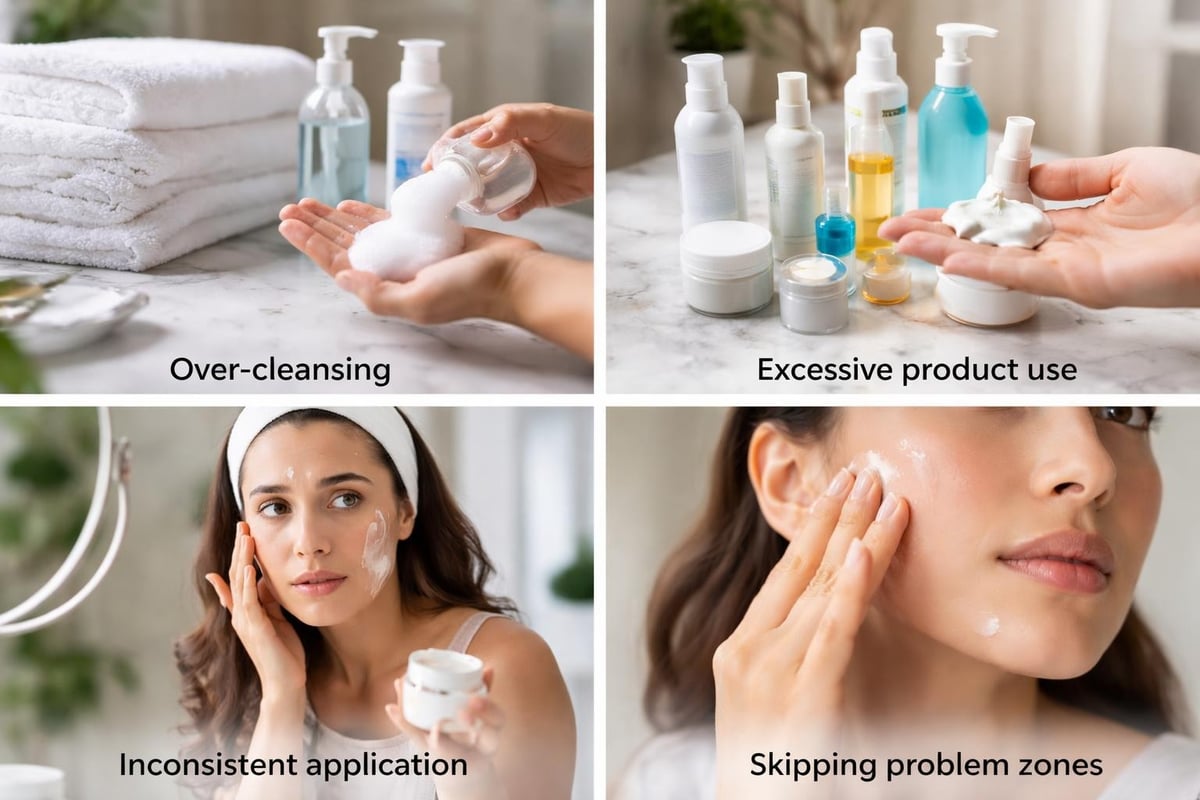
Over-Cleansing and Stripping
One of the most frequent mistakes involves using harsh, stripping cleansers that remove every trace of oil. This creates a rebound effect where skin compensates by producing excessive sebum. Your simple moisturizer for oily skin can't overcome the damage caused by aggressive cleansing.
Signs you're over-cleansing:
- Tight, uncomfortable feeling after washing
- Increased oil production within hours
- Sensitivity or stinging when applying products
- Flaking or rough texture despite oiliness
Choose gentle cleansers with pH levels between 4.5 and 6.5 that clean effectively without disrupting the skin barrier. Your moisturizer works better when applied to properly cleansed but not compromised skin.
Using Too Much Product
More moisturizer doesn't equal better hydration. Oily skin requires significantly less product than packaging directions often suggest. A pea-sized amount typically covers the entire face adequately.
Excess product sits on the skin's surface, potentially clogging pores, interfering with subsequent layers, or creating a greasy appearance. Start with less and add more only if genuinely needed.
Inconsistent Application
Sporadic moisturizer use prevents your skin from establishing equilibrium. The barrier needs consistent support to regulate oil production effectively. Skipping moisturizer some days while over-applying others creates confusion that manifests as unpredictable oil patterns.
Commit to applying your simple moisturizer for oily skin twice daily for at least four weeks before evaluating effectiveness. Skin cell turnover and barrier repair require time, and premature product switching prevents accurate assessment.
Avoiding Moisturizer in Problem Areas
Many people with oily skin skip moisturizer entirely on their T-zone, believing this prevents shine and breakouts. Research actually suggests that targeted hydration in these zones helps regulate rather than increase oil production.
Apply slightly less product to very oily areas rather than avoiding them completely. This maintains barrier integrity while preventing the dehydration that triggers excess sebum.
Evaluating Product Performance Over Time
Determining whether a simple moisturizer for oily skin truly works requires systematic observation and patience. Your skin won't transform overnight, but consistent use with proper evaluation reveals genuine effectiveness.
Realistic Timeline for Results
Different improvements appear on varying timelines. Understanding these patterns helps you maintain realistic expectations and commit to products long enough to see benefits.
| Timeframe | Expected Changes | What to Monitor |
|---|---|---|
| 1-2 weeks | Initial comfort, absorption | Texture feel, immediate finish |
| 3-4 weeks | Hydration balance | Oil production patterns, plumpness |
| 6-8 weeks | Barrier improvement | Resilience, sensitivity reduction |
| 12+ weeks | Sebum regulation | Overall oil control, pore appearance |
Some ingredients like niacinamide show visible pore refinement and oil control within 4-6 weeks, while barrier-strengthening ceramides require 8-12 weeks to demonstrate full benefits. Maintaining a consistent routine throughout this evaluation period provides accurate performance data.
Tracking Skin Changes
Objective tracking prevents bias and helps identify genuine improvements versus placebo effects. Consider these monitoring methods:
- Take consistent photos in identical lighting weekly
- Note oil blotting frequency throughout the day
- Record any breakouts, irritation, or sensitivity
- Assess how long makeup stays fresh
- Monitor skin comfort levels in various environments
This data-driven approach reveals patterns that subjective assessment might miss. You might discover your simple moisturizer for oily skin performs better in certain seasons or that oil production stabilizes after an initial adjustment period.
When to Switch Products
Not every moisturizer suits every person, even when formulated appropriately for your skin type. Certain signs indicate a product isn't working and deserves replacement:
- Persistent breakouts that worsen over time
- Increased sensitivity or stinging
- No improvement in dehydration after 6-8 weeks
- Uncomfortable texture that never absorbs properly
- Consistent need to blot within 1-2 hours
However, minor initial adjustments are normal. Slight purging when adding active ingredients or temporary increased oil as skin adjusts to proper hydration shouldn't trigger immediate product abandonment.
Complementary Practices for Managing Oily Skin
Your simple moisturizer for oily skin functions most effectively within a holistic approach to oil management. Lifestyle factors, environmental controls, and supportive practices all influence sebum production and skin balance.
Dietary Considerations
While skincare products work topically, internal factors significantly impact oil production. Certain dietary patterns correlate with increased sebaceous activity.
Dietary factors that may influence oily skin:
- High glycemic foods that spike blood sugar
- Dairy products, particularly skim milk
- Excessive saturated and trans fats
- Insufficient omega-3 fatty acids
- Dehydration from inadequate water intake
Maintaining stable blood sugar through balanced meals with protein, healthy fats, and fiber supports hormonal balance that affects sebaceous glands. Adequate water consumption ensures skin doesn't trigger oil production to compensate for dehydration.
Environmental and Lifestyle Factors
External conditions and daily habits directly impact how your moisturizer performs and how much oil your skin produces throughout the day.
Temperature and humidity: Hot, humid environments increase sweating and oil production. Air conditioning and heating dry the air, potentially triggering compensatory sebum. Using your simple moisturizer for oily skin consistently helps skin maintain balance despite these fluctuations.
Sleep quality: Inadequate or poor-quality sleep increases stress hormones that stimulate sebaceous glands. Prioritizing 7-9 hours of quality sleep supports skin regulation and allows your nighttime moisturizer to work optimally during peak repair hours.
Stress management: Cortisol elevation from chronic stress directly triggers increased oil production. Incorporating stress-reduction practices supports your skincare routine's effectiveness by addressing internal triggers.
Phone and pillowcase hygiene: These surfaces contact your face repeatedly, transferring bacteria and oil that can compromise even the best skincare routine. Regular cleaning prevents external contamination that undermines your moisturizer's benefits.
Professional Treatments and Support
Some oily skin presentations benefit from professional interventions alongside home care. These treatments complement rather than replace your daily simple moisturizer for oily skin.
Professional options to consider include chemical peels that regulate cell turnover, hydrafacials that deep clean while hydrating, LED light therapy that reduces inflammation and bacteria, and prescription retinoids for severe cases. These interventions work synergistically with proper home moisturization to achieve optimal oil control and skin health.
Formulation Philosophy: Why Simple Works Better
The skincare industry often promotes complexity, suggesting that more ingredients, more steps, and more products deliver superior results. For oily skin, the opposite often proves true. A simple moisturizer for oily skin with a focused ingredient list typically outperforms elaborate formulas laden with multiple actives.
The Problem with Product Overload
Every ingredient carries potential for irritation, sensitization, or incompatibility. When formulas contain 40-50 ingredients, identifying problematic components becomes nearly impossible. Oily skin already tends toward reactivity and sensitivity, making this complexity particularly problematic.
Simplified formulations offer several advantages:
- Easier identification of effective versus irritating ingredients
- Reduced risk of interactions between competing actives
- Better absorption due to less competition for penetration
- Lower likelihood of barrier disruption from excessive additives
Focused Functionality Over Marketing Claims
Effective moisturizers for oily skin don't need exotic ingredients or trend-driven actives. Core hydrators like hyaluronic acid, glycerin, and niacinamide, proven barrier supporters such as ceramides and panthenol, and minimal, stable preservatives deliver consistent results without unnecessary additions.
Marketing often emphasizes novel ingredients with limited research over established performers with decades of clinical validation. A simple moisturizer for oily skin built on proven actives in effective concentrations outperforms products chasing trends regardless of packaging claims or price points.
System Integration vs. Standalone Products
Rather than expecting a single moisturizer to address every skin concern, a structured approach assigns specific roles to each product. Your moisturizer maintains hydration and barrier function. Separate targeted treatments address hyperpigmentation, active breakouts, or texture concerns. This division of labor prevents any single product from becoming overloaded with conflicting objectives.
This systematic philosophy recognizes that skin confidence builds through consistent, disciplined routines where each element serves one clear purpose and works cohesively with complementary products.
Seasonal Adjustments and Long-Term Management
Oily skin isn't static. Hormonal fluctuations, environmental changes, aging, and lifestyle factors all influence sebum production over time. Managing oily skin long-term requires flexibility within a structured framework.
Adapting Your Routine Across Life Stages
Teenage oily skin driven by hormonal surges requires different support than oily skin in your thirties or forties. As you age, oil production typically decreases, though some areas may remain persistently oily while others develop dryness.
A simple moisturizer for oily skin might suffice in your twenties, but combination skin emerging in your thirties could benefit from targeted application-lighter formulas on the T-zone, slightly richer textures on the cheeks. This customization maintains the simplicity principle while acknowledging evolving needs.
Responding to Hormonal Fluctuations
For those experiencing menstrual cycles, oil production often increases during the luteal phase (post-ovulation to menstruation). Pregnancy, perimenopause, and menopause all trigger hormonal shifts that impact sebaceous activity.
Rather than completely changing products monthly, subtle adjustments maintain balance. You might use slightly less moisturizer during high-hormone phases or add a mattifying primer before makeup. These minor modifications work within your established routine rather than disrupting it.
Climate Migration and Travel
Relocating to a different climate or extended travel exposes skin to dramatically different environmental conditions. Moving from a humid coastal area to a dry inland region changes how your simple moisturizer for oily skin performs.
When traveling, bring your core products but consider supplementary options. A hydrating mist for flights, slightly richer night cream for dry climates, or extra blotting papers for tropical humidity maintains your routine's foundation while accommodating temporary changes.
Understanding Product Labels and Marketing
Navigating skincare marketing requires translation skills. Terms like "oil-free," "non-comedogenic," "mattifying," and "lightweight" appear frequently on moisturizers marketed for oily skin, but these descriptors lack standardized definitions.
Decoding Common Claims
"Oil-free" means the formula contains no traditional oils, but may include silicones or synthetic emollients that feel heavy. Check the full ingredient list rather than relying solely on this claim.
"Non-comedogenic" suggests ingredients won't clog pores, though no regulatory body enforces this designation. Companies self-determine this classification, often based on limited testing. Individual reactions vary regardless of labels.
"Lightweight" describes texture rather than efficacy. Some lightweight formulas provide inadequate hydration, while others deliver comprehensive moisture in elegant textures. Testing remains necessary.
"Mattifying" indicates the product contains oil-absorbing ingredients like silica or claims to reduce shine. These formulas sometimes include alcohol or astringent ingredients that can compromise the barrier over time.
Ingredient List Literacy
Ingredients appear in descending order by concentration until reaching 1%, after which order becomes arbitrary. This helps you assess whether beneficial actives appear in meaningful amounts or serve primarily as marketing tools.
For a simple moisturizer for oily skin, look for humectants like hyaluronic acid, glycerin, or niacinamide in the first 5-7 ingredients. If they appear near the end after preservatives, concentrations likely prove insufficient for genuine benefit.
Price vs. Performance
Expensive doesn't equal effective. Some drugstore moisturizers outperform luxury options because they focus on proven ingredients in optimal concentrations rather than exotic additives and premium packaging. Conversely, some high-end formulas justify cost through superior stability systems, elegant textures, and clinical research.
Evaluate products based on ingredient quality, concentration, formula design, and personal experience rather than price point alone. The best simple moisturizer for oily skin is the one you'll use consistently that delivers results within your budget.
Choosing and using a simple moisturizer for oily skin successfully requires understanding what your skin truly needs beyond surface oil production. When you combine the right lightweight formula with consistent application, supportive practices, and realistic expectations, you create the foundation for long-term skin balance and confidence. Routine. Beauty builds on this philosophy of structure and simplicity, offering a clear system where each product serves one defined role-whether that's targeted treatment, functional boost, or essential maintenance-so your routine works cohesively rather than competing against itself.

