


The skincare industry has experienced a seismic shift as consumers become increasingly aware of what they apply to their skin. Non toxic skin care has emerged not as a passing trend, but as a fundamental rethinking of how we approach beauty and wellness. This movement extends beyond simple ingredient swaps, challenging the entire premise of how skincare products are formulated, tested, and marketed. Understanding what truly constitutes non toxic skin care requires examining scientific research, regulatory frameworks, and practical application strategies that empower you to make informed decisions about the products you trust with your skin's health.
Understanding Non Toxic Skin Care Fundamentals
Non toxic skin care represents a commitment to formulations that prioritize both safety and efficacy. This approach eliminates potentially harmful synthetic chemicals whilst maintaining the performance standards modern consumers expect. The definition extends beyond natural versus synthetic debates, focusing instead on ingredient transparency, sustainable sourcing, and proven skin compatibility.
The foundation of non toxic skin care lies in understanding which ingredients warrant concern and why. Many conventional products contain compounds linked to hormonal disruption, skin sensitization, or long-term health implications. These include certain preservatives, synthetic fragrances, and stabilizers that, whilst approved for use, raise questions about their accumulative effects over years of daily application.
Key Principles Behind Clean Formulations
Building a non toxic skin care routine starts with recognizing that effectiveness doesn't require chemical aggression. Modern formulation science has advanced significantly, offering sophisticated alternatives to traditional problematic ingredients.
Core principles include:
- Ingredient transparency with full disclosure of all components
- Exclusion of known irritants and endocrine disruptors
- Reliance on clinical research rather than marketing claims
- Sustainable sourcing that respects both skin and environmental health
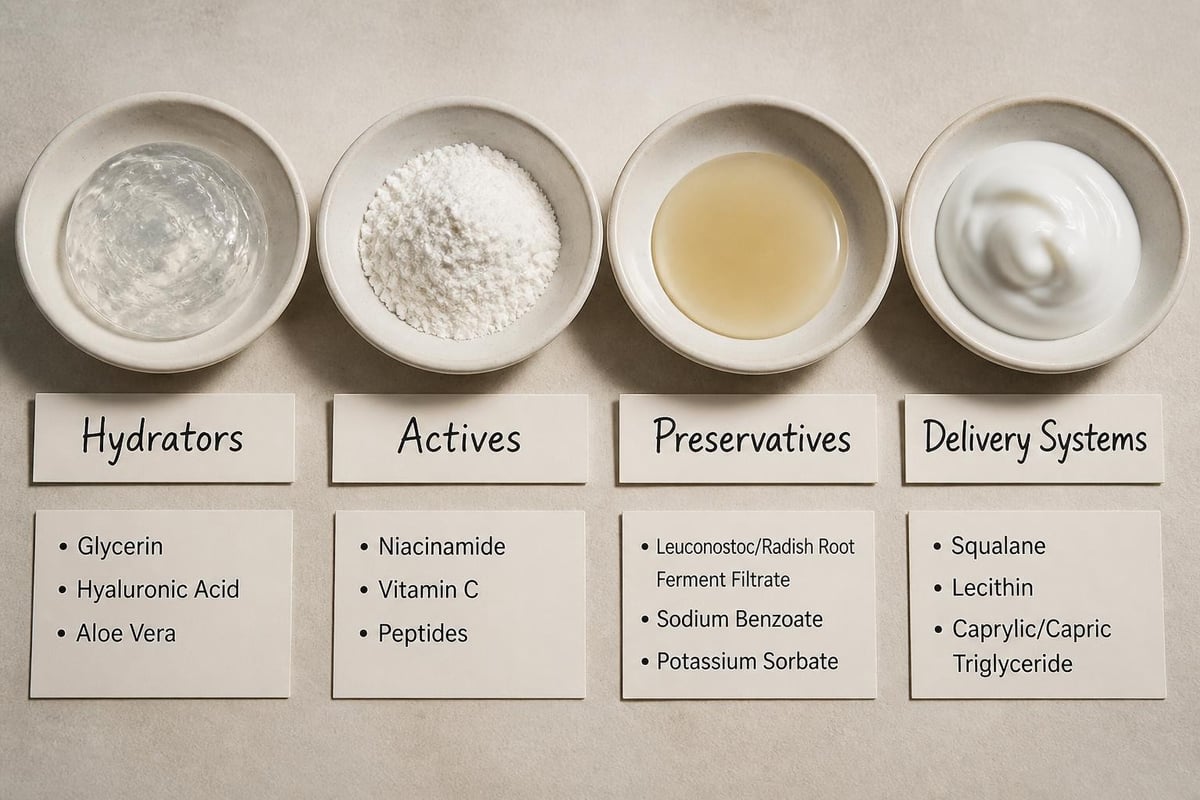
- Preservation systems that protect product integrity without harsh chemicals
The Natural Products Association outlines clear standards for natural personal care products, establishing guidelines that help consumers navigate the complex landscape of clean beauty claims. These frameworks provide valuable benchmarks, though individual skin needs always remain paramount.
Identifying Ingredients to Avoid
Understanding which ingredients contradict non toxic skin care principles empowers better purchasing decisions. The skincare industry's regulatory environment varies globally, with some regions permitting ingredients that others have restricted or banned entirely.
Common Problematic Compounds
Certain ingredient categories appear frequently in conventional products despite growing evidence suggesting potential concerns. Parabens, once ubiquitous preservatives, have faced scrutiny for their estrogen-mimicking properties. Whilst research remains ongoing, many consumers now seek alternatives as a precautionary measure.
Synthetic fragrances represent another significant concern in non toxic skin care discussions. The term "fragrance" or "parfum" can legally conceal dozens of individual chemicals, some potentially allergenic or irritating. This lack of transparency conflicts with the foundational principles of clean formulation.
| Ingredient Category | Common Names | Primary Concerns | Non Toxic Alternatives |
|---|---|---|---|
| Parabens | Methylparaben, Propylparaben | Endocrine disruption potential | Phenoxyethanol, natural preservative systems |
| Phthalates | DBP, DEHP, DEP | Reproductive health questions | Phthalate-free fragrance blends |
| Sulfates | SLS, SLES | Skin barrier disruption | Gentle surfactants like decyl glucoside |
| Synthetic Fragrance | Parfum, Fragrance | Allergen concerns, opacity | Essential oils, botanical extracts |
The American Academy of Dermatology warns against unsafe skin care trends that promise dramatic results but may compromise skin health. This guidance reinforces the importance of evidence-based approaches over viral beauty hacks.
Hidden Chemical Concerns
Beyond the obvious culprits, non toxic skin care scrutiny extends to less-discussed ingredients. Certain UV filters, emulsifiers, and colorants warrant attention despite their widespread use. The challenge lies in balancing safety concerns against practical formulation needs.
Some ingredients exist in a grey area where research hasn't definitively established harm but hasn't conclusively proven absolute safety either. In these cases, the precautionary principle that guides non toxic skin care suggests choosing alternatives when equally effective options exist.
Science-Backed Approaches to Clean Beauty
The intersection of non toxic skin care and scientific rigor remains essential for separating genuine innovation from marketing rhetoric. Recent research explores predictive modeling for sustainable ingredient combinations, demonstrating how technology can identify natural alternatives that match or exceed synthetic performance without compromising safety.
Effective non toxic skin care doesn't reject all synthetic ingredients; rather, it evaluates each component based on comprehensive safety data, intended function, and potential skin impact. Some synthesized ingredients prove gentler and more stable than their natural counterparts, highlighting the nuance required in clean formulation.
Evidence-Based Ingredient Selection
Building products around clinical evidence rather than trend cycles defines sophisticated non toxic skin care. Ingredients should demonstrate measurable benefits through peer-reviewed research, not merely anecdotal success stories.
Proven non toxic actives include:
- Niacinamide for barrier strengthening and tone evening
- Peptides for supporting structural protein synthesis
- Hyaluronic acid for multi-level hydration
- Vitamin C derivatives for antioxidant protection
- Bakuchiol as a gentler retinol alternative
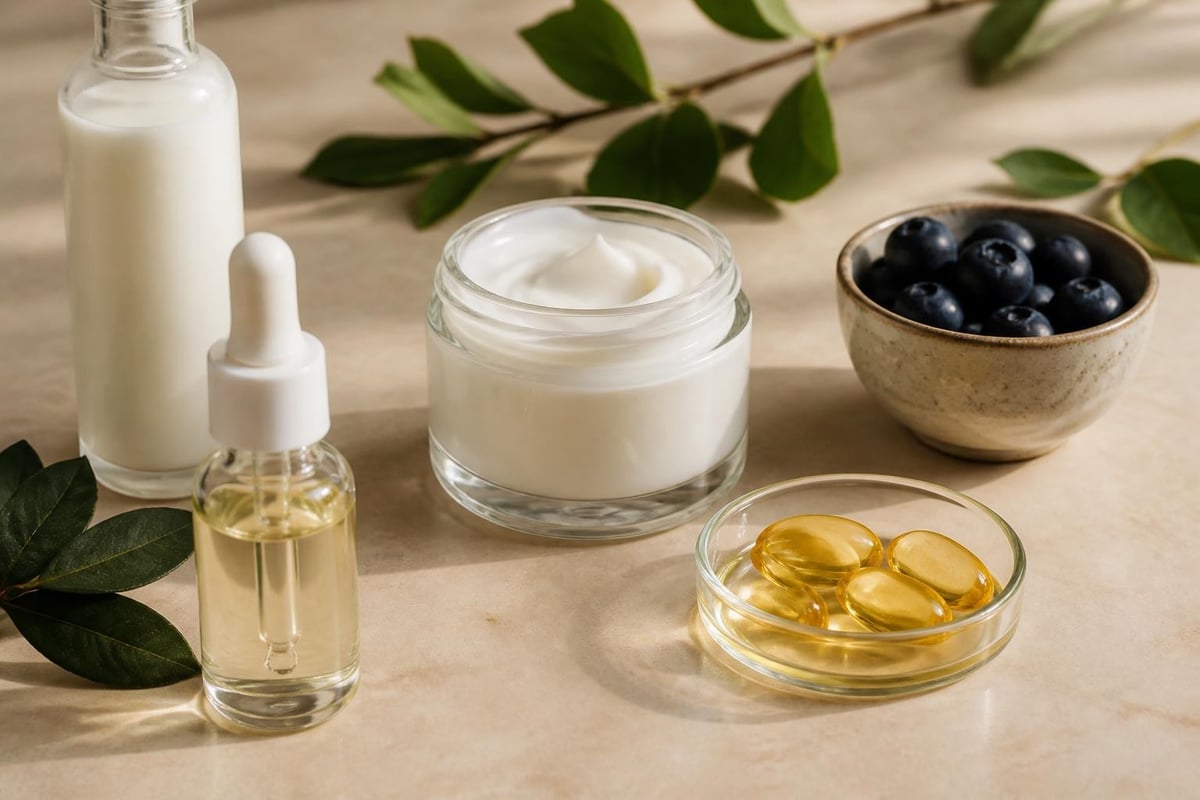
These ingredients exemplify how non toxic skin care leverages both nature and science. Many occur naturally but benefit from stabilization or encapsulation technologies that enhance their effectiveness without introducing concerning chemicals.
Building Your Non Toxic Routine
Transitioning to non toxic skin care requires strategy rather than wholesale product replacement. Your skin's microbiome and barrier function need time to adjust, particularly if you've used harsh conventional products for years.
The Target, Boost, Maintain Framework
Effective skincare follows a systematic approach where each product serves a specific, non-overlapping function. This structure-led methodology prevents ingredient redundancy whilst ensuring comprehensive skin support.
Target addresses specific concerns with precision delivery. Rather than applying actives across your entire face, targeted treatments like the Routine. Peptide MicroPatch deliver brightening and smoothing compounds directly to dark spots, textured areas, or stretch lines. This controlled absorption minimizes unnecessary exposure whilst maximizing visible improvement where you need it most.
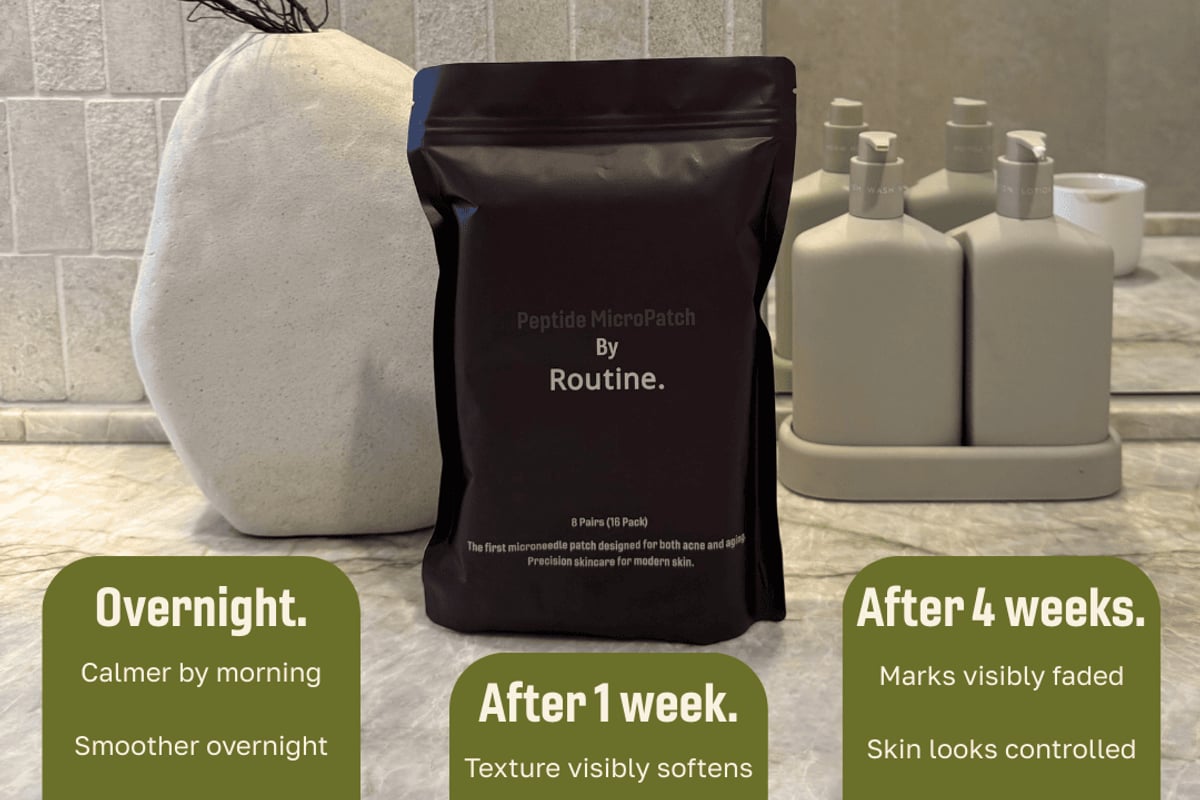
Boost enhances your skin's responsiveness and resilience through supportive technologies that work beneath surface-level concerns. Light therapy, circulation support, and inflammation management fall into this category, preparing your skin to better utilize targeted treatments.
Maintain preserves results through daily hydration, protection, and barrier support. These products work consistently across your entire complexion, creating the foundation that allows targeted treatments to perform optimally.
Practical Implementation Steps
Starting with non toxic skin care doesn't mean abandoning everything overnight. Begin by replacing products you use daily and in large quantities, as these represent your greatest exposure risk.
- Cleansers first: You use them twice daily, making them high-impact switches
- Moisturizers second: They remain on skin for extended periods
- Treatments third: Replace as current products finish
- Makeup last: Once base skincare establishes tolerance
This phased approach lets you observe how your skin responds whilst minimizing waste. Some people experience initial adjustment periods as their skin recalibrates, particularly if transitioning from silicone-heavy or occlusive conventional products.
Reading Labels Like an Expert
Ingredient lists often overwhelm consumers, especially when chemical names don't immediately signal their origin or safety profile. Developing label literacy transforms shopping from guesswork into informed decision-making.
Decoding INCI Nomenclature
The International Nomenclature of Cosmetic Ingredients (INCI) system standardizes ingredient naming globally. Understanding this framework helps identify both beneficial components and those you wish to avoid in non toxic skin care products.
Many intimidating chemical names simply represent botanical extracts or vitamins. Tocopherol sounds synthetic but represents vitamin E. Conversely, "natural fragrance" provides no meaningful information about specific components or potential allergens.
Position matters significantly: Ingredients appear in descending order by concentration until reaching the 1% threshold, after which manufacturers may list them in any sequence. This means the first five ingredients typically constitute the bulk of the formulation.
| Label Term | What It Actually Means | Non Toxic Implications |
|---|---|---|
| Fragrance-Free | No added scent compounds | Reduces allergen risk significantly |
| Unscented | Masking fragrances may be present | Less ideal than fragrance-free |
| Hypoallergenic | Minimized allergen potential | No regulated standard; verify ingredients |
| Dermatologist-Tested | A dermatologist reviewed it | Doesn't guarantee safety or efficacy |
| Clean Beauty | Varies by brand definition | Research specific exclusion lists |
The Harvard Health analysis of clean cosmetics emphasizes that natural doesn't automatically equal safer, reinforcing the importance of evaluating each ingredient individually rather than relying on categorical assumptions.
Addressing Common Misconceptions
Non toxic skin care conversations often perpetuate myths that confuse rather than clarify. Separating fact from fiction enables more effective product selection and realistic expectation setting.
Natural Versus Synthetic Debate
The assumption that natural ingredients inherently surpass synthetic ones oversimplifies formulation science. Poison ivy is natural; hyaluronic acid can be synthesized. Neither origin determines safety or effectiveness for non toxic skin care applications.
Many plant-derived ingredients contain complex chemical mixtures where active concentrations vary by growing conditions, harvest timing, and extraction methods. Synthesized versions often provide greater consistency and purity, reducing contamination risks whilst delivering predictable results.
Conversely, some synthetic compounds demonstrate excellent safety profiles with decades of research supporting their use. The distinction matters less than comprehensive safety testing, appropriate concentration levels, and proven skin compatibility.
Preservation and Product Safety
Preservatives often receive unfair criticism in non toxic skin care discussions, yet they serve essential protective functions. Products containing water and botanical extracts require preservation systems to prevent microbial growth that could cause serious skin infections.
The question isn't whether to use preservatives but which preservation strategies balance safety with effectiveness. Modern alternatives to controversial parabens include combinations of organic acids, fermented ingredients, and antimicrobial botanical extracts.
The Mind-Body Connection in Skin Health
Whilst non toxic skin care focuses primarily on topical applications, holistic skin health extends beyond products alone. The intricate relationship between mental state, stress levels, and skin condition influences how effectively any skincare routine performs.
Chronic stress triggers inflammatory cascades that compromise barrier function and exacerbate conditions like acne, eczema, and premature aging. Strategic Hypnotherapy Clinic offers approaches that address the mind-body connection, helping individuals manage stress and anxiety that may manifest through skin concerns. This integrative perspective recognizes that true skin health requires addressing both external and internal factors.
Quality sleep, stress management, and emotional wellbeing create the foundation upon which non toxic skin care products build visible results. Even the most sophisticated formulations cannot fully compensate for chronic sleep deprivation or unmanaged stress.

Nutritional Foundations for Skin Vitality
What you consume impacts skin health as significantly as what you apply topically. Non toxic skin care extends to dietary choices that support optimal skin function from within.
Essential Nutrients for Skin Support
Certain vitamins, minerals, and fatty acids play direct roles in skin structure, barrier integrity, and cellular turnover. The American Academy of Dermatology discusses supplements for skin health, noting that whilst a balanced diet should provide adequate nutrition, targeted supplementation may benefit specific conditions under professional guidance.
Key nutritional elements include:
- Omega-3 fatty acids for anti-inflammatory support
- Vitamin C for collagen synthesis and antioxidant protection
- Vitamin E working synergistically with C for enhanced stability
- Zinc supporting healing processes and sebum regulation
- Biotin contributing to healthy skin cell production
Hydration represents perhaps the most fundamental nutritional factor. Adequate water intake supports cellular processes, nutrient delivery, and toxin elimination. No topical hydrator can fully compensate for chronic dehydration.
The Oral-Skin Health Connection
Emerging research continues revealing connections between oral health and skin condition. Systemic inflammation originating from dental issues can manifest through skin problems, highlighting the importance of comprehensive health maintenance.
Regular dental care through providers like Dental Plus Clinic addresses bacterial concerns that might otherwise contribute to inflammatory skin conditions. This preventive approach aligns with the non toxic skin care philosophy of addressing root causes rather than merely treating surface symptoms.
Navigating Marketing Claims Responsibly
The beauty industry's marketing sophistication often outpaces regulatory oversight, creating an environment where unregulated skincare claims proliferate. Consumers committed to non toxic skin care must develop critical evaluation skills to distinguish genuine innovation from clever marketing.
Red Flags in Product Marketing
Certain promotional tactics should trigger additional scrutiny rather than immediate trust. Extraordinary claims require extraordinary evidence, yet many products promise transformative results based on minimal or poorly designed studies.
Be wary of products that claim to "detoxify" skin, as your liver and kidneys handle detoxification. Skin doesn't accumulate toxins requiring special removal. Similarly, "chemical-free" represents scientific impossibility, as water itself is a chemical compound (H₂O).
Marketing terms requiring verification:
- Clinical studies (check sample size, methodology, independence)
- Patented formulas (patents don't guarantee effectiveness)
- Award-winning (investigate awarding organization credibility)
- Dermatologist-recommended (how many, under what conditions)
- Instant results (sustainable change requires time)
Non toxic skin care decisions should rest on ingredient analysis, company transparency, and realistic expectations rather than aspirational marketing language.
Complementary Approaches for Enhanced Results
While topical non toxic skin care products form your routine's foundation, complementary strategies can amplify their effectiveness and support comprehensive skin health.
Professional Treatments and Home Care
The National Center for Complementary and Integrative Health examines complementary approaches for skin conditions, providing evidence-based perspectives on vitamins, minerals, and herbal supplements that may support specific concerns.
Light therapy represents one scientifically-supported complementary approach. Red light wavelengths support circulation and collagen production, whilst blue light addresses acne-causing bacteria. These technologies work synergistically with topical non toxic skin care, enhancing product absorption and cellular responsiveness.
Facial massage, gua sha, and lymphatic drainage techniques complement product application by improving circulation, reducing fluid retention, and promoting relaxation. These manual methods require no products, making them inherently non toxic additions to your routine.
Environmental Protection Strategies
Non toxic skin care extends beyond product selection to environmental factors that influence skin health. UV exposure, pollution, and climate conditions significantly impact how your skin functions and ages.
Broad-spectrum sun protection remains non-negotiable for preventing premature aging and skin cancer. Modern mineral sunscreens using zinc oxide or titanium dioxide provide effective protection without the endocrine disruption concerns associated with some chemical filters.
Air quality affects skin barrier integrity and inflammatory responses. When possible, use air purifiers indoors and thoroughly cleanse skin after pollution exposure. Consider adjusting your non toxic skin care routine seasonally, as skin needs shift with humidity, temperature, and environmental stressors.
Long-Term Commitment and Realistic Expectations
Transitioning to non toxic skin care represents a long-term investment in skin health rather than a quick fix for immediate concerns. Sustainable results require consistency, patience, and appropriate expectation management.
Timeline for Visible Changes
Skin cell turnover averages 28 days in young adults, lengthening with age. This biological reality means genuine improvements require weeks to months of consistent application. Products promising overnight transformation likely rely on temporary optical effects rather than structural changes.
Realistic improvement timelines:
- Hydration changes: 1-2 weeks of consistent use
- Texture refinement: 4-6 weeks with appropriate exfoliation
- Tone evening: 8-12 weeks for visible pigmentation shifts
- Fine line softening: 12-16 weeks with proven actives
- Significant structural changes: 6+ months of dedicated routine adherence
These timelines assume appropriate product selection, proper application technique, and comprehensive lifestyle support. Individual results vary based on genetics, age, existing damage, and overall health status.
Adjusting Your Approach Over Time
Non toxic skin care isn't static; your routine should evolve as your skin changes with seasons, life stages, and environmental factors. What works perfectly in humid summer may prove insufficient during dry winter months.
Regular assessment helps identify when adjustments become necessary. Take consistent photos in similar lighting to track subtle changes that daily mirror checks might miss. Note how products feel during application and how your skin responds throughout the day.
Consider professional consultations annually to evaluate your approach objectively. Dermatologists or qualified aestheticians can identify concerns you might overlook and recommend evidence-based adjustments to optimize your non toxic skin care strategy.
System-Led Skincare Philosophy
The most effective non toxic skin care follows systematic principles where products work together rather than competing or creating redundancy. This disciplined approach prevents ingredient overload whilst ensuring each application serves a specific purpose.
Avoiding Product Proliferation
The beauty industry profits from convincing consumers they need extensive product collections. In reality, non toxic skin care performs optimally with focused routines where each product fulfills one defined role.
Excessive layering can overwhelm skin, compromise barrier function, and make identifying problematic ingredients nearly impossible. More products don't equal better results; strategic selection and proper application technique matter significantly more than quantity.
Core routine structure:
- Cleanse (remove debris without stripping)
- Target (address specific concerns precisely)
- Boost (enhance skin responsiveness)
- Maintain (hydrate and protect)
This framework accommodates individual needs whilst preventing the chaos of unfocused product accumulation. You might use different targeting treatments for different concerns, but each product maintains its distinct function without overlap.
Integration and Compatibility
Product interactions significantly impact non toxic skin care effectiveness. Certain ingredients work synergistically, whilst others neutralize each other or increase irritation risk when combined improperly.
Vitamin C and vitamin E demonstrate positive synergy, with each stabilizing and enhancing the other's antioxidant capacity. Conversely, combining strong exfoliating acids with retinoids may prove too aggressive for many skin types, causing irritation that compromises rather than improves skin health.
| Ingredient Pairing | Compatibility | Notes |
|---|---|---|
| Vitamin C + Vitamin E | Synergistic | Enhanced antioxidant protection |
| Niacinamide + Peptides | Compatible | Complementary barrier support |
| AHA/BHA + Retinol | Cautious | May increase sensitivity; separate or alternate |
| Hyaluronic Acid + Ceramides | Synergistic | Comprehensive hydration and barrier repair |
Understanding these relationships helps you build a cohesive non toxic skin care routine where products enhance rather than interfere with each other's performance.
Individual Skin Needs Assessment
Generic recommendations provide starting points, but optimal non toxic skin care requires understanding your unique skin characteristics, concerns, and goals.
Identifying Your Skin Type and Concerns
Skin typing systems offer frameworks for categorizing general tendencies, but few people fit neatly into single categories. You might have combination skin that's oily centrally but dry peripherally, or sensitive skin that's also acne-prone.
Current concerns matter as much as inherent skin type. Someone with naturally oily skin experiencing dehydration from over-cleansing needs different non toxic skin care approaches than someone whose oiliness stems from barrier damage and compensatory sebum production.
Assessment considerations:
- How does skin feel upon waking (tight, comfortable, oily)
- Mid-day texture and appearance changes
- Reaction patterns to new products
- Seasonal variation in skin behavior
- Current concerns versus long-term prevention goals
This comprehensive evaluation informs product selection more effectively than simple categorization. Your non toxic skin care routine should address your specific reality rather than conforming to theoretical skin type descriptions.
Patch Testing and Introduction Protocols
Even non toxic skin care products with impeccable ingredient profiles can trigger individual sensitivities. Responsible introduction practices help identify potential issues before they affect your entire face.
Patch testing involves applying new products to a small, inconspicuous area (inner arm or behind ear) for 24-48 hours before facial use. Whilst this doesn't guarantee compatibility, it identifies obvious reactions before they become problematic.
When introducing multiple new products, stagger their addition by at least one week each. This isolation makes identifying any irritant straightforward rather than guessing which of several simultaneous changes caused problems.
Sustainability Beyond Personal Health
Non toxic skin care philosophy naturally extends to environmental considerations, recognizing that human health and planetary health remain interconnected. Truly clean beauty considers impacts beyond individual skin concerns.
Packaging and Production Ethics
Product packaging significantly influences environmental footprint. Glass containers offer recyclability but require more energy to produce and transport than plastic. Aluminum presents excellent recycling potential with lower production impact than glass.
Some brands now offer refillable systems, reducing packaging waste dramatically over time. Others use post-consumer recycled materials or biodegradable alternatives to conventional plastics. These considerations align with non toxic skin care values by acknowledging broader health implications.
Production ethics matter equally. Ingredient sourcing affects ecosystems, farming communities, and long-term agricultural sustainability. Fair trade practices, sustainable harvesting methods, and transparent supply chains distinguish genuinely ethical brands from those practicing "greenwashing."
Water Conservation and Formulation Innovation
Water typically comprises 60-80% of conventional skincare formulations, serving primarily as an inexpensive base. Waterless formulations concentrate active ingredients whilst reducing preservation requirements and transportation weight.
These innovative approaches to non toxic skin care deliver potent results with smaller environmental footprints. Concentrated serums, anhydrous balms, and powder-to-foam cleansers represent evolution beyond water-heavy traditional formats.
Consumer habits also influence water usage. Multi-step routines requiring extensive rinsing consume significant water resources. Efficient application techniques and product selection can maintain results whilst reducing environmental impact.
Non toxic skin care represents more than ingredient avoidance; it embodies a comprehensive commitment to skin health through transparency, science, and thoughtful formulation. By understanding which ingredients to embrace and which to question, reading labels critically, and building routines around clear functional frameworks, you create sustainable approaches that respect both your skin and overall wellbeing. Routine. Beauty simplifies this journey with a system-led approach where every product serves one defined purpose within the Target, Boost, Maintain ecosystem, helping you build confidence through structure and precision rather than overwhelming complexity.

