


Dry skin doesn't just feel uncomfortable-it shows. Tightness, flaking, dullness, and fine lines all signal that your skin barrier needs more than a basic moisturiser can provide. The best serums for dry skin work differently than creams: they deliver concentrated active ingredients deeper into the skin, where hydration can actually be restored at a cellular level. In 2026, the science behind hydration has evolved beyond surface-level fixes, and understanding which serums truly work requires looking at formulation, ingredient synergy, and how they fit into a structured skincare routine.
What Makes a Serum Effective for Dry Skin
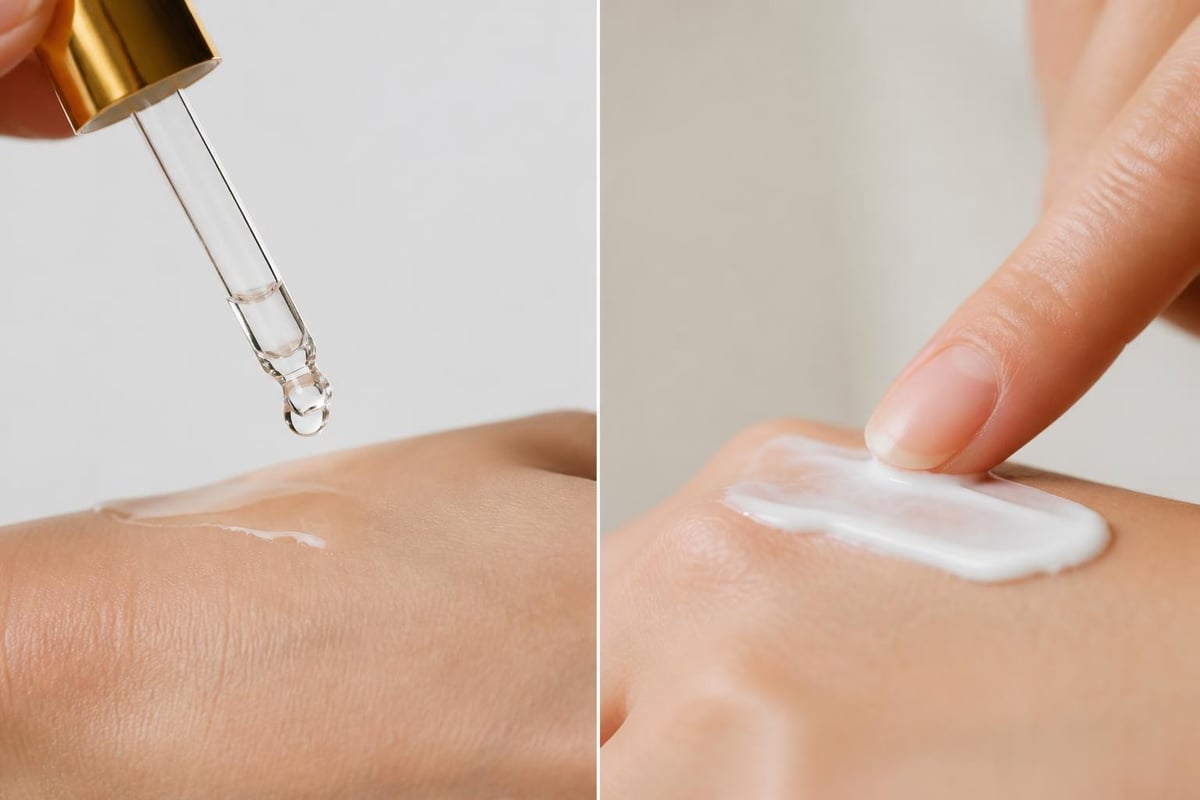
Serums differ from moisturisers in molecular weight and purpose. While creams sit on the surface to lock in moisture, serums penetrate deeper with smaller molecules that can reach the dermis. For dry skin, this means delivering humectants that attract water, emollients that smooth rough texture, and occlusives that prevent transepidermal water loss.
The Science Behind Serum Absorption
The skin's barrier function relies on a delicate balance of lipids, ceramides, and natural moisturising factors. When this barrier is compromised-through environmental stress, age, or genetics-dry skin develops. According to Harvard Health, serums containing vitamin E, niacinamide, and ceramides can strengthen this barrier more effectively than traditional moisturisers alone.
A serum's efficacy depends on:
- Molecular size: Smaller molecules penetrate deeper
- pH level: Formulas between 4.5-5.5 support barrier repair
- Concentration: Active ingredients should be listed in the first five components
- Delivery system: Encapsulation technology protects unstable ingredients
The best serums for dry skin combine multiple mechanisms-drawing water in, preventing water loss, and repairing the structural integrity of the skin barrier simultaneously.
Essential Ingredients to Look for in Hydrating Serums
Not all hydrating ingredients perform the same function. Building an effective serum routine means understanding which actives address your specific type of dryness.
Hyaluronic Acid and Its Molecular Weights
Hyaluronic acid remains the gold standard for hydration because each molecule can hold up to 1,000 times its weight in water. However, molecular weight matters significantly. The most effective formulas contain multiple weights:
| Molecular Weight | Penetration Level | Primary Benefit |
|---|---|---|
| High (1,000-1,800 kDa) | Surface | Immediate plumping, film formation |
| Medium (100-300 kDa) | Mid-epidermis | Sustained hydration through layers |
| Low (5-50 kDa) | Deep dermis | Long-term moisture retention |
Dermatologists recommend looking for serums that list multiple forms of sodium hyaluronate or hyaluronic acid to ensure hydration at every skin level.
Ceramides and Barrier Repair
Ceramides are lipids that naturally occur in the skin, making up approximately 50% of the skin barrier. When depleted, dry skin develops along with sensitivity and inflammation. Serums containing ceramide 1, 3, and 6-II work synergistically to restore barrier function.
Research shows that topical ceramides can reduce transepidermal water loss by up to 14% within two weeks of consistent use. For those with chronic dryness, ceramide-rich serums provide structural repair that humectants alone cannot achieve.
Niacinamide for Multi-Functional Hydration
Niacinamide (vitamin B3) serves multiple roles in dry skin treatment. At concentrations between 2-5%, it:
- Increases ceramide production naturally
- Reduces inflammation and redness
- Improves skin elasticity
- Minimises pore appearance
Unlike some actives that can irritate dry skin, niacinamide is well-tolerated even by sensitive types. The Cleveland Clinic notes that niacinamide works particularly well when paired with hyaluronic acid and ceramides in a single formula.
Glycerin and Polyglutamic Acid
Glycerin is an underrated humectant that draws moisture from the environment and deeper skin layers to the surface. At 5-10% concentration, it provides immediate softening without the sticky residue of older formulations.
Polyglutamic acid (PGA) is emerging as a more powerful alternative to hyaluronic acid, holding up to 4,000 times its weight in water. It also inhibits hyaluronidase, the enzyme that breaks down hyaluronic acid, making hydration more sustainable.
How to Apply Serums for Maximum Hydration
Application technique influences how well active ingredients absorb and perform. For dry skin, the goal is to maximise penetration while preventing evaporation.
The Damp Skin Method
Apply serums to slightly damp skin immediately after cleansing. Water on the skin's surface helps humectants pull moisture deeper rather than drawing it from the dermis during dry conditions. This technique can increase absorption by up to 30%.
Step-by-step application:
- Cleanse and pat skin until 70% dry
- Apply 2-3 drops of serum to fingertips
- Press gently into skin using upward motions
- Wait 60-90 seconds for absorption
- Follow with moisturiser to seal in serum
Layering Multiple Serums
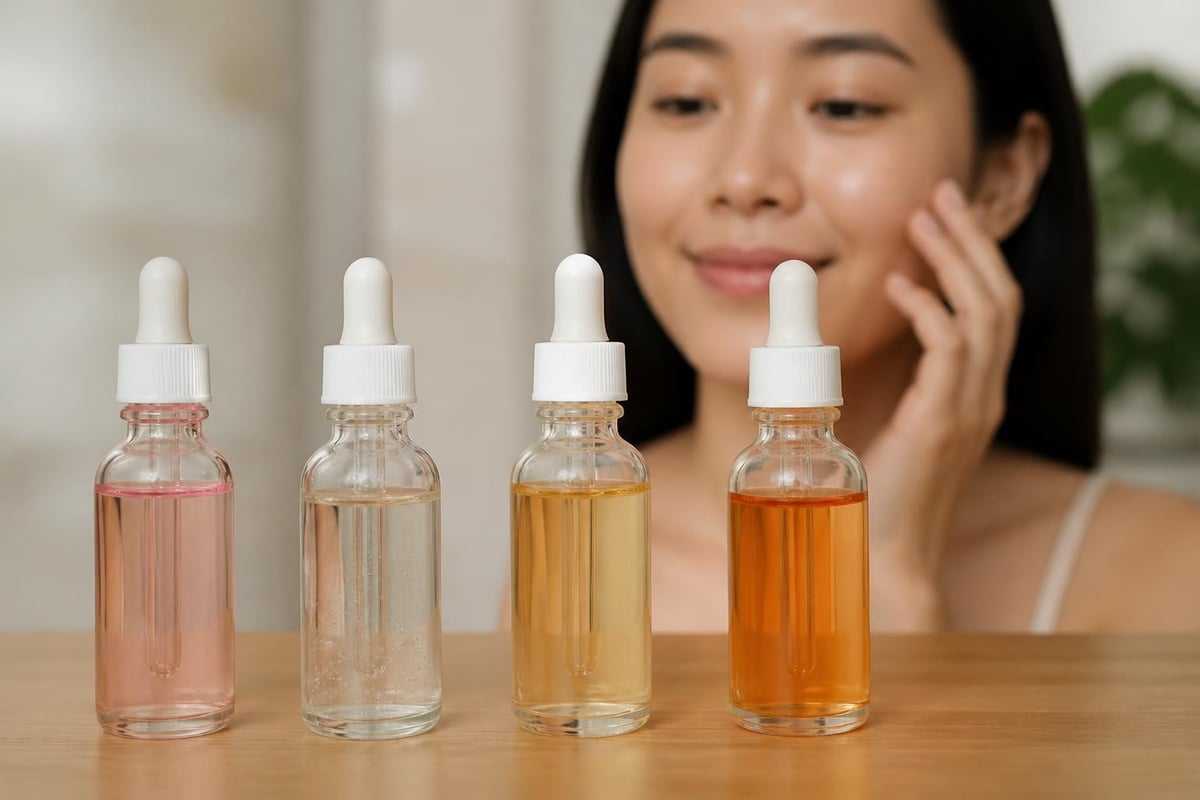
When using more than one serum, apply from thinnest to thickest consistency. Water-based serums go first, followed by oil-based formulas. Allow 60 seconds between each layer for proper absorption.
For dry skin, an effective layering sequence might include:
- Hyaluronic acid serum (water-based, lightweight)
- Niacinamide serum (slightly thicker, gel consistency)
- Ceramide or peptide serum (richer, more emollient)
Avoid applying more than three serums at once, as this can overwhelm the skin barrier and reduce the efficacy of individual actives.
Morning Versus Evening Serum Routines
The best serums for dry skin serve different purposes depending on when they're applied. Morning routines should focus on protection and hydration, while evening applications prioritise repair and regeneration.
Morning Hydration Strategy
Morning serums need to work under sunscreen and makeup while providing all-day moisture. Look for formulas that:
- Contain antioxidants like vitamin C or E
- Include lightweight humectants
- Create a smooth base for subsequent products
- Offer some environmental protection
Avoid heavy oils in the morning, as they can interfere with sunscreen efficacy and cause makeup to slide. Water-based serums with hyaluronic acid and niacinamide perform best under makeup.
Evening Repair Protocol
Night is when skin enters repair mode, making it the ideal time for richer, more active serums. Evening formulas can include:
- Higher concentrations of ceramides
- Peptides for collagen support
- Retinol or bakuchiol (for anti-ageing alongside hydration)
- Heavier botanical oils
According to skin care experts at Vogue, the skin's permeability increases at night, making active ingredients up to 20% more effective during sleep hours.
Common Mistakes When Using Hydrating Serums
Even the best serums for dry skin can underperform if used incorrectly. These errors are surprisingly common and easily avoided.
Using Serums on Completely Dry Skin
Applying serums to completely dry skin, especially in low-humidity environments, can actually cause hyaluronic acid to pull moisture from deeper skin layers, worsening dryness. Always apply to damp skin or in a humid bathroom immediately after showering.
Skipping Moisturiser After Serum
Serums alone cannot prevent water loss. Without an occlusive layer on top, the water drawn in by humectants will evaporate. Think of serums as the hydration and moisturisers as the seal.
Overusing Active Ingredients
More is not better with serums. Using too much product (more than 2-3 drops) or applying multiple times daily can overwhelm dry skin and trigger irritation. Consistency matters more than quantity.
| Common Mistake | Why It Fails | Correct Approach |
|---|---|---|
| Applying to dry skin | Humectants pull water from dermis | Apply to damp skin within 60 seconds of cleansing |
| No moisturiser after | Hydration evaporates | Always seal with cream or oil |
| Too much product | Overwhelms absorption capacity | Use 2-3 drops, press don't rub |
| Inconsistent use | Skin barrier needs sustained support | Apply twice daily for 4-6 weeks minimum |
Building a Complete Hydration System
The most effective approach to treating dry skin isn't about finding one miracle serum-it's about creating a system where each product has a defined role and works synergistically with others.
The Target, Boost, Maintain Framework
Rather than layering endless products, structure your routine around three clear functions. Target addresses specific concerns like dehydration or texture. Boost amplifies treatment effectiveness through tools like massage or light therapy. Maintain preserves results with daily essentials.
For dry skin, this might translate to:
- Target: A concentrated hyaluronic acid or ceramide serum applied to problem areas
- Boost: Tools that improve circulation and product absorption
- Maintain: A lightweight daily serum that prevents moisture loss
This systematic approach prevents product overload while ensuring each treatment serves a specific purpose.
When to Add Treatment Tools
Refresh My Cheeks offers a lightweight, hydrating serum that replenishes moisture balance after targeted treatments, helping maintain clearer, calmer, and more even-looking skin. When incorporated into a structured routine, maintenance serums like this support long-term hydration without overwhelming the skin barrier.

Adjusting for Seasonal Changes
Dry skin fluctuates with humidity, temperature, and environmental stress. The best serums for dry skin in summer may be too lightweight for winter. Adjust concentration and texture based on:
- Winter/dry climates: Richer serums with ceramides and plant oils
- Summer/humid climates: Lightweight hyaluronic acid gels
- Transitional seasons: Layer lightweight serums under slightly heavier moisturisers
Track how your skin responds over two-week periods and adjust accordingly rather than changing products daily.
Serum Textures and Formulation Types
The physical form of a serum affects both its performance and user experience. Understanding texture helps you choose formulas that suit your skin's needs and your lifestyle.
Water-Based Versus Oil-Based Serums
Water-based serums absorb quickly and layer well under other products. They're ideal for morning use and oily-dry combination skin. Oil-based serums provide more occlusion and work better for severe dryness or evening application.
Water-based benefits:
- Fast absorption
- Lightweight feel
- Excellent for layering
- Works well under makeup
Oil-based benefits:
- Stronger barrier protection
- Better for very dry skin
- Can replace night moisturiser
- Provides facial massage slip
Gel, Lotion, and Essence Formulations
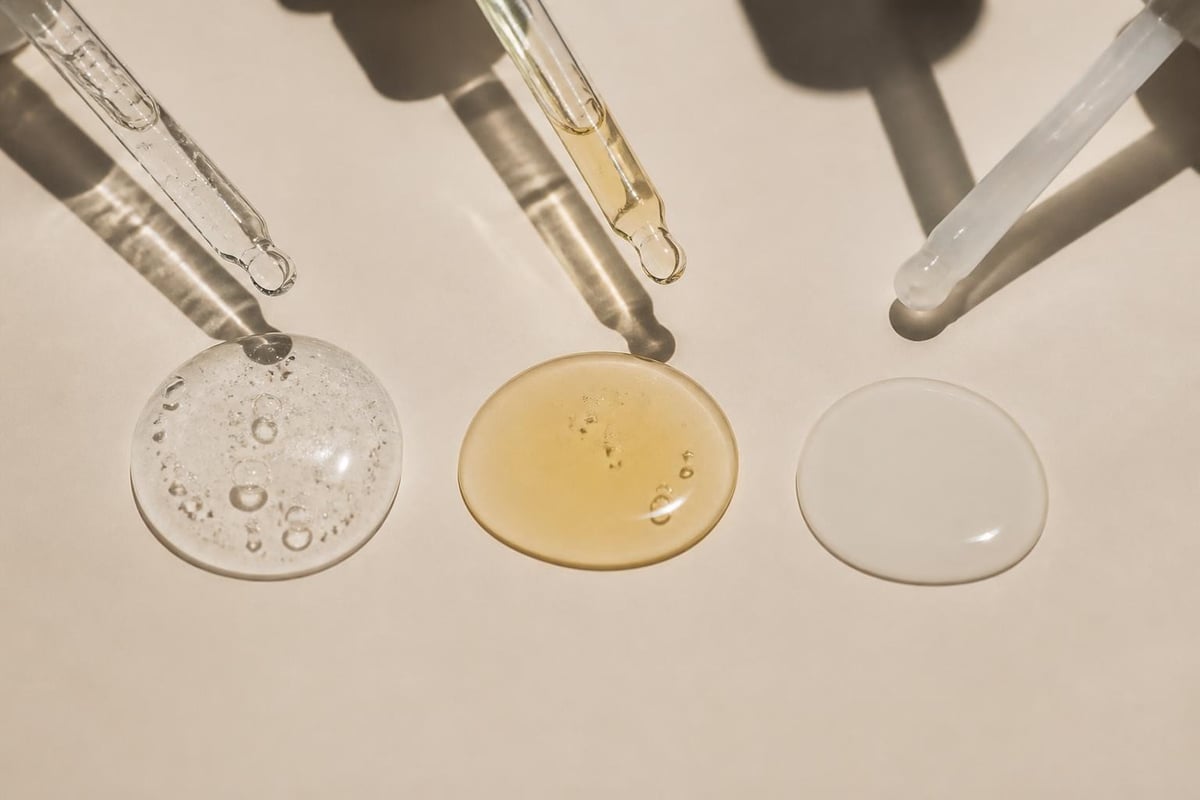
Gel serums feel cooling and refreshing, making them ideal for sensitive dry skin that also experiences redness. Lotion serums offer more emollience without feeling heavy. Essences, popular in Asian skincare, are ultra-lightweight and designed for multiple layers.
Choose based on your tolerance for texture and how many products you want to layer. Those who prefer minimal routines should opt for richer lotion serums that can function as both treatment and moisturiser.
Ingredient Combinations That Work Better Together
Certain ingredients enhance each other's performance when combined in a single formula or layered strategically.
Synergistic Pairings for Dry Skin
Hyaluronic acid + ceramides: Hyaluronic acid draws water in while ceramides prevent it from escaping. This combination addresses both hydration and barrier repair simultaneously.
Niacinamide + peptides: Niacinamide boosts ceramide production while peptides signal collagen synthesis. Together, they improve both moisture retention and skin firmness.
Vitamin C + vitamin E: These antioxidants work synergistically to protect against environmental damage that can worsen dryness. Vitamin E also stabilises vitamin C, making formulas more effective.
Recent research highlighted in Marie Claire shows that serums combining multiple hydrating mechanisms outperform single-ingredient formulas by 40% in clinical studies measuring moisture retention.
Combinations to Avoid
Some ingredient pairings can reduce efficacy or cause irritation in dry skin:
- Vitamin C + niacinamide (in some formulations): Can cause flushing in sensitive skin, though modern formulas often stabilise this reaction
- Retinol + AHAs/BHAs: Too aggressive for very dry skin; causes irritation and increased sensitivity
- Multiple actives at high concentrations: Can overwhelm compromised barriers
How Long Before You See Results
Managing expectations is crucial when addressing dry skin with serums. Different ingredients work on different timelines.
Immediate Effects (Within Hours)
Humectants like hyaluronic acid and glycerin provide immediate plumping and smoothing. You'll notice softer texture and reduced tightness within the first application. However, this is temporary hydration that fades without continued use.
Short-Term Improvements (2-4 Weeks)
Barrier-repairing ingredients like ceramides and niacinamide begin showing measurable results around the two-week mark. Skin becomes less reactive, flaking reduces, and moisture retention improves throughout the day.
Long-Term Transformation (6-12 Weeks)
Structural changes to the skin barrier, improved moisture-binding capacity, and sustained hydration require consistent use over months. Peptides and growth factors work on this timeline, gradually improving skin thickness and resilience.
Realistic timeline for the best serums for dry skin:
| Timeframe | Expected Results | Key Ingredients Responsible |
|---|---|---|
| 24 hours | Immediate plumping, reduced tightness | Hyaluronic acid, glycerin |
| 1-2 weeks | Less flaking, smoother texture | Niacinamide, urea |
| 4-6 weeks | Improved barrier function, reduced sensitivity | Ceramides, cholesterol |
| 8-12 weeks | Sustained moisture retention, resilience | Peptides, growth factors |
Serum Selection by Age and Skin Concern
Dry skin presents differently depending on age, hormonal factors, and whether it's genetic or environmentally induced.
Dry Skin in Your 20s and 30s
Younger dry skin often results from barrier damage through over-cleansing or harsh products rather than natural lipid depletion. The best serums for dry skin in this age range should focus on:
- Barrier repair with ceramides
- Lightweight hydration with hyaluronic acid
- Anti-inflammatory ingredients like centella asiatica
- Minimal fragrance and irritants
Avoid heavy anti-ageing actives that your skin doesn't yet need. Focus on establishing a strong, healthy barrier that will prevent premature ageing.
Dry Skin in Your 40s and 50s
Hormonal changes and natural ceramide depletion make dryness more persistent with age. Serums should address both hydration and structural support:
- Higher concentrations of ceramides and cholesterol
- Peptides for collagen support
- Gentle retinoids (retinol or bakuchiol) for cell turnover
- Antioxidants to combat oxidative stress
Who What Wear's dermatologist recommendations emphasise that mature dry skin benefits most from serums that combine hydration with anti-ageing actives rather than using separate products.
Dry Skin in Your 60s and Beyond
Mature dry skin requires the richest formulations with multiple barrier-supporting lipids. Look for serums that:
- Contain lipid complexes (ceramides, cholesterol, fatty acids)
- Include peptides and growth factors
- Provide antioxidant protection
- Feature squalane or similar emollient oils
Texture becomes less important than efficacy. Don't be afraid of richer, oil-based serums that previous decades might have felt too heavy.
The Role of pH in Serum Effectiveness
The skin's natural pH sits around 4.7 to 5.75, slightly acidic to support the protective acid mantle. Serums formulated outside this range can disrupt barrier function and worsen dryness.
Why pH Matters for Dry Skin
Alkaline products (pH above 7) can strip the skin's protective barrier, increasing transepidermal water loss. Overly acidic products (pH below 3.5) can cause irritation in already compromised dry skin.
The best serums for dry skin maintain a pH between 4.5 and 6.0, supporting the skin's natural protective mechanisms while delivering active ingredients effectively. Check product pH through brand transparency or use at-home testing strips.
pH-Dependent Ingredients
Some ingredients work best at specific pH levels:
- Vitamin C (L-ascorbic acid): Most effective at pH 2.0-3.5 (may irritate dry skin)
- Niacinamide: Optimal at pH 5.0-7.0 (ideal for dry skin)
- Hyaluronic acid: Stable across pH 4.0-8.0 (versatile)
- Peptides: Best at pH 4.5-6.0 (supportive for barrier)
If using multiple serums with different pH requirements, apply from lowest to highest pH and allow adequate time between layers for the skin to rebalance.
Understanding Your Specific Type of Dryness
Not all dry skin is the same. Identifying your specific pattern helps select the most effective serums.
Dehydrated Versus Dry Skin
Dehydrated skin lacks water but may still produce oil. It feels tight and shows fine lines but can also have congestion or shine. Treatment focuses on humectants that draw water into the skin.
Dry skin lacks both water and oil due to insufficient sebum production or barrier damage. It feels rough, flakes easily, and never looks oily. Treatment requires both humectants and emollients.
Many people have dehydrated skin that they mistake for dry skin, leading to inappropriate product choices. If your skin feels tight after cleansing but becomes oily by midday, you likely need lightweight, water-based serums rather than heavy oils.
Seasonal Versus Chronic Dryness
Seasonal dryness appears during winter or in dry climates and improves with environmental changes. Treatment focuses on temporary barrier support and intensive hydration during affected periods.
Chronic dryness persists year-round and indicates genetic factors, hormonal issues, or conditions like eczema or psoriasis. It requires sustained barrier repair and may benefit from prescription ingredients alongside cosmetic serums.
When to See a Dermatologist
While serums can dramatically improve dry skin, some situations require professional intervention beyond over-the-counter products.
Red Flags That Need Medical Attention
Seek dermatologist consultation if you experience:
- Severe cracking or fissures that bleed or don't heal
- Intense itching that disrupts sleep or daily activities
- Widespread redness accompanied by burning or stinging
- Infection signs like oozing, crusting, or yellow discharge
- No improvement after 8-12 weeks of consistent treatment
These symptoms may indicate eczema, psoriasis, contact dermatitis, or other conditions requiring prescription treatment. The best serums for dry skin support healthy barriers but cannot treat underlying medical conditions.
Prescription Options That Work With Serums
Dermatologists may prescribe:
- Topical corticosteroids for inflammation (short-term use)
- Prescription-strength ceramide creams for severe barrier damage
- Tacrolimus or pimecrolimus for sensitive skin conditions
- Prescription retinoids that can be buffered with hydrating serums
These treatments work most effectively when combined with a proper serum routine that supports barrier health between prescription applications.
Natural and Clean Serum Options
The clean beauty movement has produced effective alternatives to synthetic ingredients, though not all natural ingredients are suitable for dry skin.
Effective Plant-Based Hydrators
Botanical oils like rosehip, sea buckthorn, and marula provide fatty acids that support barrier repair. Unlike comedogenic oils, these absorb well and don't clog pores while delivering vitamins A and E.
Plant extracts including centella asiatica, liquorice root, and oat extract offer anti-inflammatory benefits that calm dry, irritated skin while supporting moisture retention.
Naturally-derived humectants such as tremella mushroom extract and sodium PCA (derived from plants) provide hydration without synthetic chemicals.
When Synthetic Ingredients Outperform Natural Ones
While natural ingredients appeal to many consumers, synthetic or lab-created ingredients often provide more reliable results for severe dryness:
- Synthetic ceramides match human ceramide structure more precisely than plant ceramides
- Lab-created hyaluronic acid offers purer, more stable formulations than animal-derived versions
- Synthetic peptides provide specific signalling that plant ingredients cannot replicate
The best approach combines both: plant extracts for antioxidants and soothing, synthetic actives for targeted hydration and repair.
Budget Considerations and Value Assessment
The best serums for dry skin range from affordable drugstore options to luxury formulas. Understanding what you're paying for helps maximise value.
What Justifies Premium Pricing
Higher-priced serums may offer:
- Patented delivery systems that improve ingredient stability and penetration
- Higher concentrations of expensive active ingredients
- Multiple molecular weights of key ingredients like hyaluronic acid
- Extensive clinical testing and published research
- Sustainable or luxury packaging
However, price doesn't always correlate with efficacy. Many affordable serums contain identical active ingredients to luxury versions, differing mainly in texture, fragrance, and marketing.
How to Compare Serums Effectively
When evaluating options at different price points, compare:
| Factor | What to Look For | Why It Matters |
|---|---|---|
| Ingredient concentration | Active listed in first 5 ingredients | Higher placement = higher concentration |
| Ingredient forms | Multiple weights of HA, specific ceramides | Better penetration and efficacy |
| Package type | Airless pump, opaque bottle | Preserves ingredient stability |
| Volume per price | Cost per ml | True value comparison |
| Clinical testing | Published studies, before/after data | Evidence of effectiveness |
A $30 serum with high-concentration actives and smart packaging often outperforms a $150 serum with beautiful marketing but diluted ingredients.
Sustainable and Long-Term Skin Health
The goal isn't just temporarily relieved dryness but sustained barrier health that makes skin naturally more resilient.
Building Lasting Resilience
Focus on serums that strengthen skin structure rather than just adding temporary moisture:
- Ceramide-rich formulas that rebuild lipid barriers
- Peptides that signal natural ceramide and hyaluronic acid production
- Niacinamide that boosts the skin's own protective mechanisms
- Antioxidants that prevent ongoing barrier damage
This approach reduces dependency on heavy moisturisers over time as your skin's natural moisture-retention improves.
Product Rotation Strategies
Skin can adapt to ingredients, potentially reducing their effectiveness. Strategic rotation prevents this while addressing seasonal needs:
- Core routine: Maintain consistent barrier-supporting serums (ceramides, niacinamide)
- Rotating actives: Alternate hydrating ingredients (hyaluronic acid one month, polyglutamic acid the next)
- Seasonal adjustments: Richer formulations in winter, lighter in summer
- Treatment cycles: Intensive repair serums for 6-8 weeks, then maintenance formulas
This prevents product fatigue while ensuring your skin receives comprehensive support throughout the year.
Selecting the best serums for dry skin requires understanding your specific moisture barriers, choosing evidence-based ingredients, and applying products systematically for sustained results. When your skincare is built around structure and purpose rather than trends, hydration becomes predictable and lasting. Routine. Beauty offers a system-led approach where each product serves one defined role within a Target, Boost, Maintain framework, helping you build long-term skin confidence through disciplined, effective care.

