


Finding the right moisturizer shouldn't require a science degree or endless trial and error. Clean and clear moisturizer products have carved out a distinct position in skincare by focusing on straightforward formulations that address oil control, hydration, and skin clarity without unnecessary complexity. As we move through 2026, the conversation around these products has evolved from simple oil-blotting formulas to more sophisticated systems that recognize moisture balance as fundamental to long-term skin confidence. Whether you're managing combination skin, dealing with occasional breakouts, or simply seeking a no-nonsense approach to daily hydration, understanding how these moisturizers function within a broader skincare ecosystem can transform your results.
Understanding Clean and Clear Moisturizer Formulations
Clean and clear moisturizer products are engineered around a specific philosophy: lightweight hydration that doesn't compromise clarity. This approach recognizes that many people with oily or combination skin avoid moisturizer entirely, fearing it will exacerbate shine or trigger breakouts. The reality is more nuanced.
These formulations typically prioritize:
- Non-comedogenic bases that won't clog pores
- Oil-free or oil-light textures that absorb quickly
- Mattifying agents that control surface shine
- Humectants that draw moisture without heaviness
- pH-balanced compositions that support skin barrier function
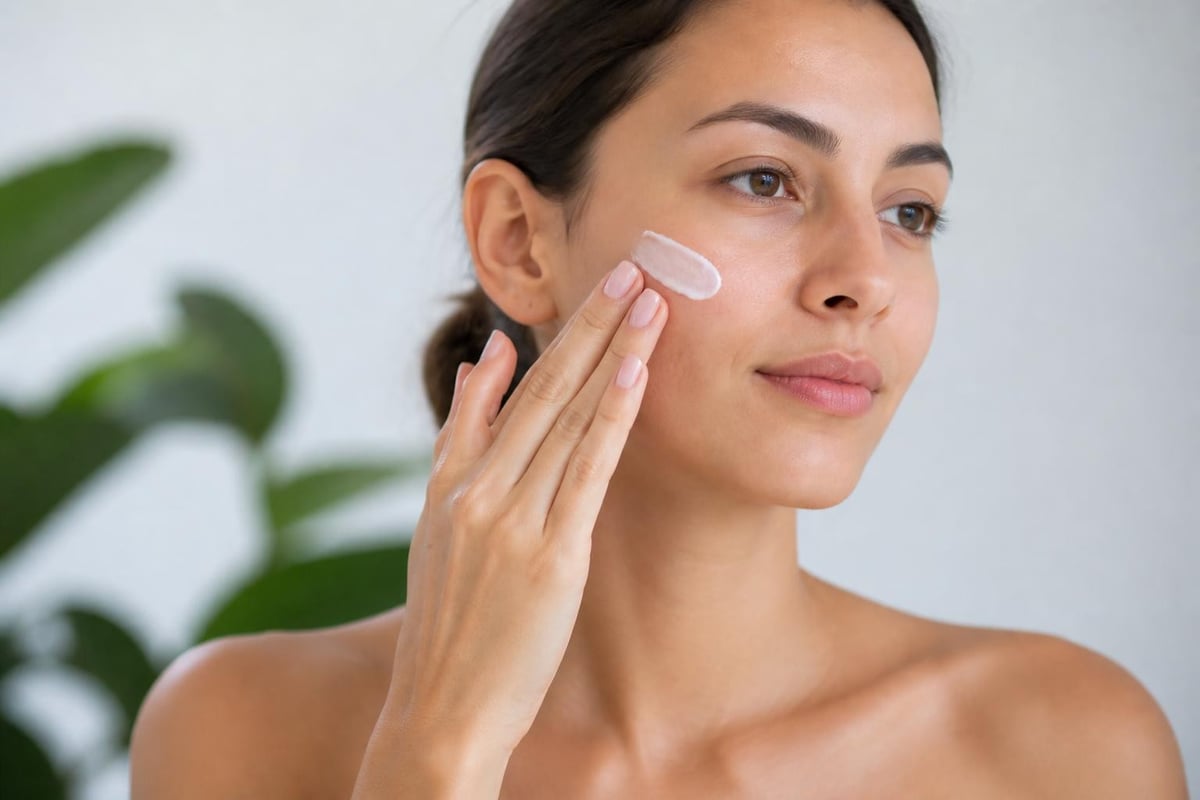
The Clean & Clear Daily Mattifying Moisturizer represents a baseline example of this category, designed to deliver hydration while controlling excess oil throughout the day. Its formulation demonstrates how modern moisturizers balance seemingly opposing goals through ingredient selection and delivery technology.
The Science Behind Oil-Free Hydration
Water and oil serve different functions in skin health. Your skin needs water to maintain plumpness, enzymatic activity, and barrier integrity. It needs certain lipids to prevent water loss and protect against environmental stress. Clean and clear moisturizer formulations address this by using water-binding humectants like glycerin and hyaluronic acid rather than relying on occlusive oils.
This distinction matters because oily skin still experiences dehydration. When surface oil production increases, it's often a compensatory response to underlying water loss. A well-designed moisturizer breaks this cycle by providing adequate hydration without adding surface oils that contribute to congestion.
Ingredient Analysis: What Makes These Moisturizers Work
Understanding ingredient function transforms how you evaluate any moisturizer. Clean and clear moisturizer products share certain core components, each serving a specific structural role within the formula.
| Ingredient Category | Function | Common Examples |
|---|---|---|
| Humectants | Attract and bind water to skin | Glycerin, hyaluronic acid, aloe vera |
| Emollients | Soften and smooth skin texture | Dimethicone, cyclopentasiloxane |
| Mattifying Agents | Absorb surface oil and reduce shine | Silica, polymethyl methacrylate |
| Preservatives | Maintain formula stability and safety | Phenoxyethanol, methylparaben |
| pH Adjusters | Balance formula to skin's natural pH | Citric acid, sodium hydroxide |
The Clean & Clear Aloe Vera Calming Gel Moisturizer ingredient breakdown reveals how these categories work together in practice. Aloe vera functions as both a humectant and soothing agent, while silicones provide the lightweight feel that makes the product suitable for daytime wear under makeup or sunscreen.
Decoding Non-Comedogenic Claims
The term "non-comedogenic" appears frequently on clean and clear moisturizer packaging, but what does it actually guarantee? This designation indicates that a product has been formulated or tested to minimize pore-clogging potential. However, no universal standard exists for this testing, and individual reactions vary based on skin sensitivity, existing microbiome composition, and other products in your routine.
Key considerations include:
- Individual comedogenic ingredients can still appear in non-comedogenic formulas at low concentrations
- Combination effects between products matter more than single-product formulations
- Application technique influences how products interact with pores
- Skin that's dehydrated or barrier-compromised reacts differently than healthy skin
This doesn't invalidate the non-comedogenic claim but rather contextualizes it within a systems approach to skincare. No single product determines your skin outcome-your entire routine, environmental factors, and consistency of use all contribute.
Choosing the Right Clean and Clear Moisturizer for Your Skin Type
Skin type classifications provide a useful starting framework, though most people experience variation across facial zones and throughout the month or year. Clean and clear moisturizer options address this variability through texture and active component concentration.
For Oily and Combination Skin
These skin types benefit most from gel-based or water-gel textures that deliver hydration without residue. Look for formulations that include niacinamide, which helps regulate sebum production over time, or zinc derivatives that offer mild astringent properties.
Morning application should focus on creating a smooth base for sun protection and makeup. Evening application can support overnight barrier repair without contributing to the congestion that heavier night creams sometimes cause.
For Acne-Prone Skin
When active breakouts are present, clean and clear moisturizer selection becomes more strategic. The goal is maintaining adequate hydration while avoiding ingredients that might interfere with treatment products or exacerbate inflammation.
Optimal characteristics include:
- Fragrance-free formulations that won't irritate compromised skin
- Ceramide or peptide content to support barrier repair
- Lightweight texture that layers well with acne treatments
- Rapid absorption to minimize surface residue
- pH compatibility with other active products in your routine
Many people using prescription retinoids or benzoyl peroxide experience dryness and peeling. A well-chosen moisturizer doesn't counteract these treatments but rather supports the skin's ability to tolerate them effectively. This distinction between interference and support determines long-term treatment success.
For Sensitive Skin Variants
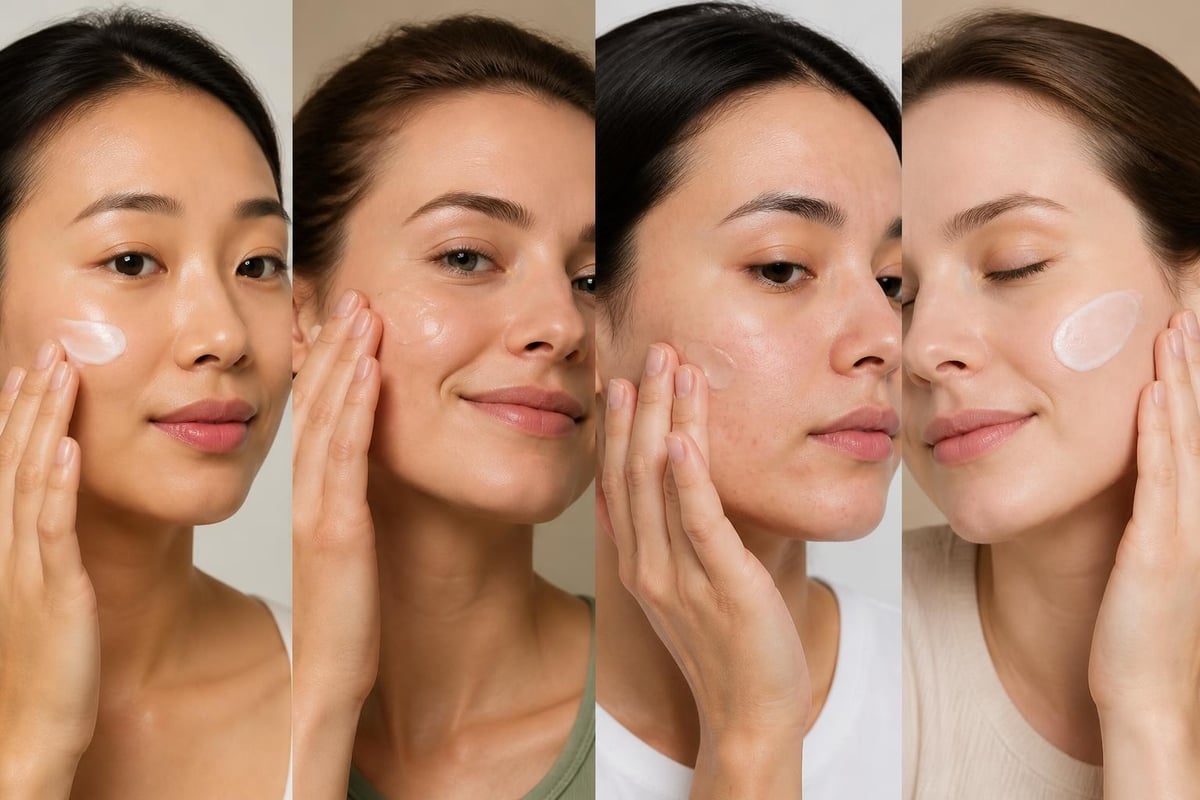
Sensitivity manifests differently across individuals-some react to fragrances, others to specific preservatives or plant extracts. Clean and clear moisturizer options designed for sensitive skin typically minimize potential irritants while focusing on barrier support.
Aloe vera-based formulations offer inherent anti-inflammatory properties, though you should verify that the aloe concentration is meaningful (listed in the first five ingredients) rather than token. Centella asiatica, also called cica, appears increasingly in these products for its documented calming effects.
Application Techniques That Maximize Results
Product quality matters, but application method determines how effectively those ingredients reach their targets. Clean and clear moisturizer products are designed for daily use, which means your technique compounds over weeks and months of repeated application.
Proper application sequence:
- Apply to damp, not wet or dry, skin for optimal absorption
- Use gentle pressing motions rather than rubbing or pulling
- Start with minimal product (half a pump or pea-sized amount)
- Build coverage gradually rather than applying one thick layer
- Allow two to three minutes before layering additional products
The damp-skin principle deserves emphasis. When you apply moisturizer to slightly damp skin, you're essentially diluting the product and creating a more even distribution. This prevents the concentrated patches that can occur with dry-skin application and helps humectants function more effectively.
Integration Within a Structured Skincare System
Moisturizer doesn't exist in isolation. Its effectiveness depends on what comes before it in your routine and how it supports what comes after. This systems perspective aligns with how modern skincare brands are rethinking product ecosystems rather than selling individual solutions.
A disciplined routine recognizes that hydration serves multiple functions: it supports barrier integrity, enhances the penetration of targeted treatments, and creates an environment where skin can maintain its natural clarity. Clean and clear moisturizer products handle the maintenance aspect of this system, providing consistent baseline hydration that allows targeted treatments to work more effectively.
For those using precision treatments like concentrated serums or localized patches, maintaining proper hydration across untreated areas ensures even skin tone and texture. This prevents the treated zones from appearing dramatically different from surrounding skin, which can happen when moisture levels vary significantly across the face.
When combining light therapy with topical skincare, hydration status influences how skin responds to both wavelengths and supporting formulas. The Routine. Wand exemplifies this integration, working alongside maintenance hydrators to support circulation and refine texture through targeted red and blue light exposure. The combination of consistent moisture balance with gentle therapeutic intervention creates an environment where skin can respond more predictably to treatments.

Layering With Active Treatments
Clean and clear moisturizer timing matters when you're using active ingredients like retinoids, AHAs, or vitamin C derivatives. Two main approaches exist: the sandwich method and the barrier method.
The sandwich method:
- Apply a thin moisturizer layer to damp skin
- Wait three to five minutes for absorption
- Apply active treatment to specific zones
- Follow with second moisturizer layer if needed
The barrier method:
- Apply active treatment to dry skin
- Wait ten to fifteen minutes for full absorption
- Layer moisturizer over treated areas
- Use slightly heavier application on sensitive zones
Neither approach is universally superior. Your choice depends on treatment strength, skin tolerance, and whether you're targeting specific areas or applying actives across your entire face. The key is consistency-changing methods frequently prevents you from accurately assessing what works for your skin.
Common Misconceptions About Lightweight Moisturizers
Several persistent myths surround clean and clear moisturizer products, often preventing people from using them effectively or choosing appropriate formulas.
Myth one: Oily skin doesn't need moisturizer.
Reality: Oily skin needs water-based hydration to prevent the dehydration-compensation cycle that actually increases oil production. Skipping moisturizer often worsens the problem you're trying to avoid.
Myth two: Gel moisturizers can't provide adequate hydration.
Reality: Hydration depends on ingredient function, not texture. Gel formulations with sufficient humectants and barrier-supporting components deliver comparable hydration to creams while feeling lighter on skin.
Myth three: Mattifying moisturizers dry out skin.
Reality: Quality mattifying formulations control surface shine through absorption and light diffusion, not by removing moisture. Poor formulations might dry skin, but this reflects formulation quality rather than the mattifying concept itself.
| Misconception | Reality | Impact on Product Selection |
|---|---|---|
| Natural always equals better | Natural ingredients can irritate; synthetic can soothe | Evaluate ingredients individually, not by origin |
| More product means better results | Excess product creates barrier, prevents absorption | Use recommended amount, increase frequency instead |
| Expensive formulas work better | Price reflects branding more than efficacy | Focus on ingredient concentration and formulation |
| One product solves all concerns | Skin needs systems, not single solutions | Build complementary routine rather than seeking miracles |
Real-World Performance: What Users Report
Customer feedback provides valuable context for understanding how clean and clear moisturizer products perform across diverse conditions and expectations. The Walmart reviews for Clean & Clear Daily Mattifying Moisturizer reveal patterns worth examining.
Positive experiences cluster around several themes: lightweight feel, suitability under makeup, and effective oil control without tightness. Users consistently mention the importance of proper application amount, noting that too much product leaves residue while appropriate amounts absorb completely.
Negative feedback typically relates to insufficient hydration for very dry skin types or expectations that the product would eliminate all oil production. These reviews highlight the importance of matching product capabilities to realistic expectations and actual skin needs.
Seasonal Variation and Product Performance
Many users report needing different moisturizers across seasons, even when using the same clean and clear moisturizer brand. Winter air strips moisture more aggressively, while summer heat increases oil production. Rather than switching products entirely, consider adjusting application technique and layering strategy.
Winter adaptations:
- Apply to damper skin for enhanced humectant function
- Use slightly more product in particularly dry zones
- Consider adding a facial oil over moisturizer at night
- Increase application frequency if needed
Summer modifications:
- Allow cleansed skin to air dry slightly longer before application
- Use minimal product, focusing on cheeks and avoiding T-zone
- Consider splitting AM and PM formulas for different coverage levels
- Blot excess oil midday rather than reapplying product
The Role of Hydration in Long-Term Skin Confidence
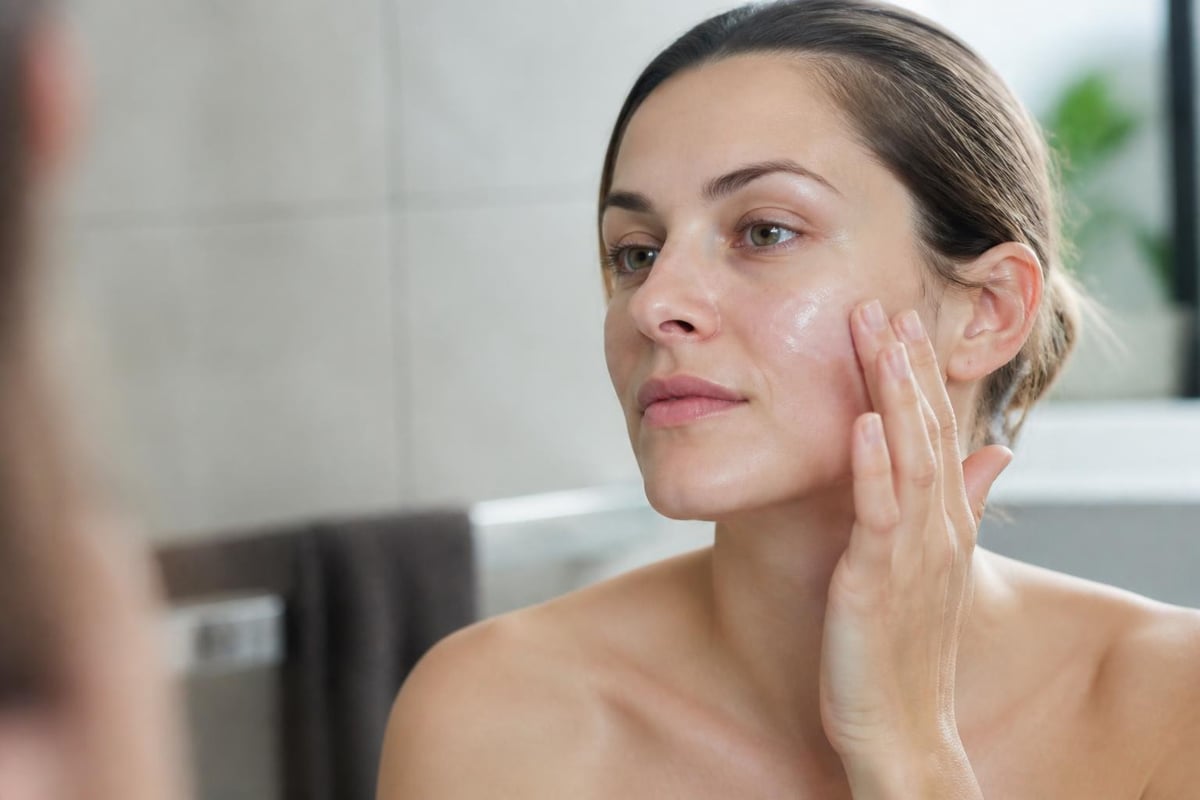
Consistent moisture balance contributes to outcomes beyond immediate texture and appearance. When your skin maintains adequate hydration over months and years, you're supporting cellular function, enzymatic activity, and barrier competence that determine how your skin ages and responds to stress.
Clean and clear moisturizer products serve this long-term function by making daily hydration accessible and pleasant enough to maintain consistently. The best skincare routine is the one you'll actually follow, and lightweight formulations remove the barrier that heavier products create for many people.
This perspective aligns with viewing skincare as a structured discipline rather than a collection of products. Each element serves a defined purpose within a broader system designed to build and maintain skin confidence over time.
Building a Sustainable Routine Around Simplicity
The skincare industry often promotes complexity-more steps, more products, more variation. This approach creates dependency and confusion rather than empowering users to understand and manage their skin effectively.
A sustainable routine recognizes that your skin needs consistency more than novelty. Clean and clear moisturizer selection should prioritize compatibility with your lifestyle, tolerance profile, and realistic assessment of your skin's actual needs rather than aspirational concerns or trend-driven anxieties.
Questions that guide sustainable selection:
- Does this texture feel pleasant enough that I'll use it daily?
- Can I afford to repurchase this consistently?
- Does this formula work with my other established products?
- Am I choosing this based on my skin's needs or external pressure?
- Will I realistically follow the recommended application process?
When the answer to these questions is yes, you've found a product that can serve as a reliable component in a disciplined routine. When the answer is no, keep searching regardless of reviews, recommendations, or marketing claims.
Troubleshooting Common Issues
Even well-chosen clean and clear moisturizer products sometimes create unexpected problems. Systematic troubleshooting helps identify whether the issue stems from the product itself, application technique, or interaction with other routine elements.
Pilling or Balling Up
When moisturizer forms little balls or pills on your skin, it's usually an interaction issue rather than product failure. This occurs when silicone-based products layer over water-based products before proper absorption, or when you apply too much product too quickly.
Solutions to try:
- Wait longer between product layers (three to five minutes minimum)
- Reduce application amount significantly
- Pat rather than rub during application
- Check ingredient compatibility with previous layer products
- Allow previous products to dry completely before moisturizer
Increased Breakouts
New breakouts after starting a clean and clear moisturizer might indicate genuine comedogenic response, but more often reflect other factors. Your skin might be purging from a different new product, experiencing hormonal fluctuation, or reacting to seasonal changes.
Track breakout timing, location, and characteristics. True product reactions typically appear within one to two weeks of consistent use and occur across areas where you applied the product. Hormonal breakouts follow monthly patterns and concentrate in specific zones. Purging from active ingredients presents as accelerated turnover in areas prone to congestion.
Persistent Dryness Despite Moisturizer Use
When your clean and clear moisturizer isn't resolving dryness, the problem might lie elsewhere in your routine. Overly harsh cleansing strips skin faster than any moisturizer can replenish. Hot water exposure, low humidity environments, and certain medications all compromise barrier function.
Systematic approach to resolving dryness:
- Evaluate cleanser strength and water temperature
- Check humidity levels in your primary environments
- Review medications and supplements for drying effects
- Increase water intake significantly
- Add a hydrating essence or serum before moisturizer
- Consider barrier-repair ingredients like ceramides or cholesterol
Professional Perspectives on Drugstore Moisturizers
Dermatologists and aestheticians frequently recommend clean and clear moisturizer products alongside or instead of luxury alternatives. Price doesn't determine formulation quality, and many drugstore products use identical or similar active ingredients to prestige brands.
The difference lies in elegant textures, sophisticated fragrance profiles, and packaging rather than fundamental skin benefits. For people building sustainable routines on realistic budgets, this removes unnecessary pressure to purchase expensive products that don't deliver proportionally better results.
Professional recommendations typically emphasize finding products you'll use consistently over chasing premium formulations you'll apply sporadically. A £15 moisturizer used daily delivers better outcomes than a £150 product that sits unused because you're rationing it.
When to Upgrade or Supplement
Clean and clear moisturizer products provide solid baseline hydration, but certain skin conditions or goals might warrant additional products rather than replacement. Extremely dry skin, eczema-prone areas, or specific anti-aging concerns often benefit from supplementation with targeted serums or treatments.
Think of your basic moisturizer as the foundation-it handles daily maintenance and creates an environment where skin functions optimally. Targeted treatments address specific concerns that emerge despite proper maintenance. This distinction prevents the trap of constantly switching moisturizers when the real issue requires a different intervention entirely.
The Future of Clean Formulation in Moisturizers
As we move through 2026, clean beauty definitions continue evolving. The term once focused primarily on excluding certain ingredients; it now encompasses sustainability, transparency, and formulation efficacy. Clean and clear moisturizer products reflect this shift by emphasizing what they contain rather than only what they exclude.
Ingredient sourcing, manufacturing processes, and packaging materials increasingly influence purchasing decisions alongside traditional factors like texture and price. Brands respond by providing more detailed information about component origins, environmental impact, and formulation philosophy.
Emerging trends in clean moisturization:
- Microbiome-supporting prebiotic and postbiotic ingredients
- Waterless formulations that reduce environmental impact
- Refillable packaging systems that maintain product integrity
- Transparent ingredient sourcing with supply chain visibility
- Customization options that address individual variation
These developments don't invalidate current clean and clear moisturizer products but rather indicate how the category will continue maturing. The core principles-lightweight hydration, non-comedogenic formulation, accessible pricing-remain relevant even as specific implementations evolve.
Integration With Advanced Treatment Modalities
Modern skincare increasingly combines topical products with device-based treatments, supplements, and professional procedures. Clean and clear moisturizer products support this integration by providing reliable baseline hydration that doesn't interfere with more advanced interventions.
When using at-home devices like LED therapy tools or microcurrent devices, proper hydration status influences treatment effectiveness. Dehydrated skin responds less predictably to energy-based treatments and experiences more sensitivity during application.
Similarly, professional treatments like chemical peels, microneedling, or laser therapy require diligent post-treatment hydration. The ability to layer a gentle, non-irritating moisturizer over treated skin supports healing and minimizes complications. Clean and clear moisturizer formulations work well in this context due to their simple ingredient profiles and low irritation potential.
Supporting Skin Through Lifestyle Factors
Your moisturizer choice interacts with numerous lifestyle variables that influence skin health. Travel, stress, dietary changes, sleep quality, and exercise patterns all affect how your skin produces oil, retains water, and maintains barrier function.
Rather than constantly switching products to address these variables, establish a reliable core routine that accommodates fluctuation. A consistent clean and clear moisturizer provides stability while you adjust other factors-cleansing frequency, treatment intensity, or supplementary hydrating products-to match current conditions.
This approach builds genuine skin literacy over time. You learn how your specific skin responds to various inputs rather than attributing all changes to product performance. This knowledge transforms skincare from guesswork into informed decision-making.
Clean and clear moisturizer products serve a fundamental role in structured skincare by providing consistent, lightweight hydration that supports both immediate comfort and long-term skin confidence. Understanding formulation principles, proper application techniques, and how moisturizers integrate within broader routines transforms these accessible products from simple commodities into strategic components of effective skin management. If you're ready to build a skincare approach based on structure, simplicity, and products that work together with defined purpose, explore how Routine. Beauty delivers a complete ecosystem designed around Target, Boost, and Maintain principles that make caring for your skin both effective and sustainable.

