


Dehydrated skin is one of the most misunderstood conditions in skincare. Unlike dry skin, which lacks oil production, dehydrated skin lacks water at the cellular level, and it can affect anyone regardless of skin type. Even oily and combination skin types can experience dehydration, leading to a tight, dull complexion that feels uncomfortable despite visible oil production. Finding the best moisturizer for dehydrated skin requires understanding the specific mechanisms of hydration, the ingredients that deliver water to skin cells, and how to build a routine that maintains moisture balance over time rather than temporarily masking the issue.
Understanding Dehydrated Skin vs Dry Skin
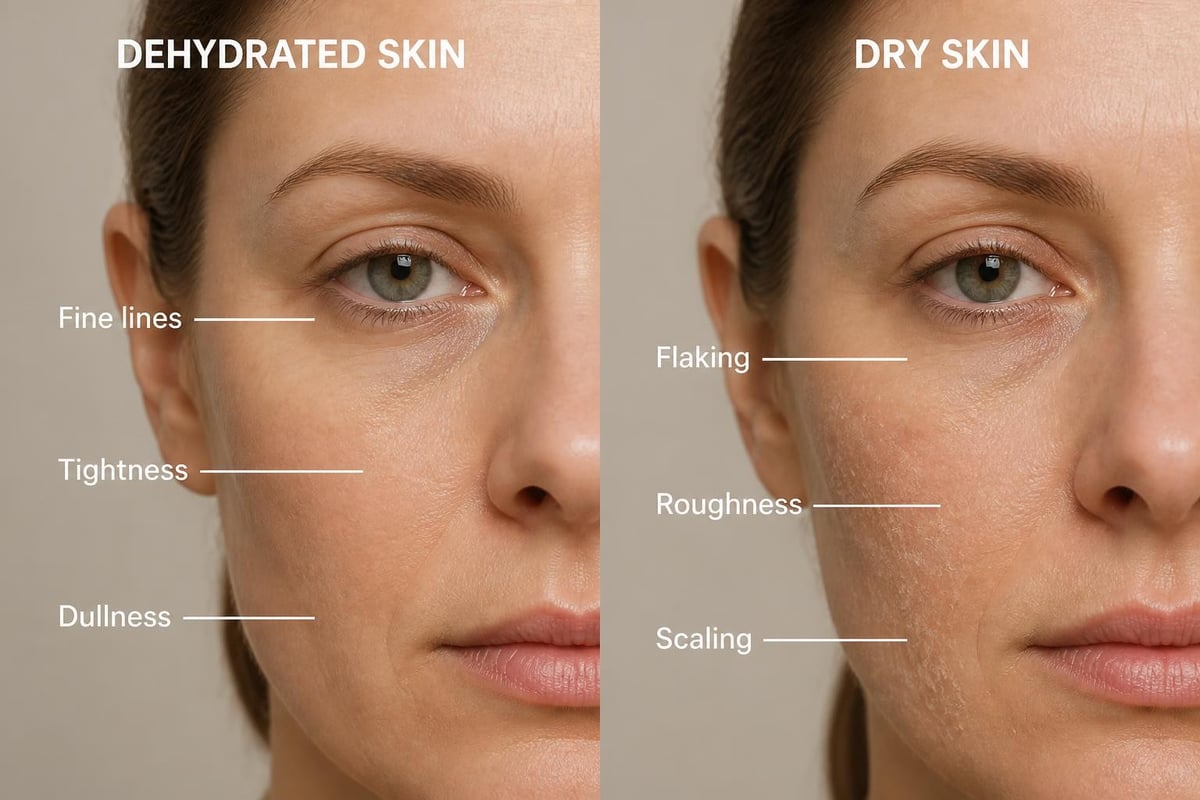
The confusion between dehydrated and dry skin leads many people to choose the wrong products entirely. Dehydrated skin is a condition, while dry skin is a type. This distinction matters because the solutions differ significantly.
Dehydrated skin occurs when the skin's water content drops below optimal levels. The causes include environmental factors such as air conditioning, heating, harsh weather, excessive caffeine or alcohol consumption, and inadequate water intake. Certain skincare ingredients like strong acids or retinoids can also compromise the skin's ability to retain moisture if not balanced properly.
Signs Your Skin Is Dehydrated
Identifying dehydration requires looking beyond surface texture. Here are the telltale indicators:
- Tightness, especially after cleansing
- Dullness and lack of radiance
- Increased sensitivity and reactivity
- Fine dehydration lines that differ from wrinkles
- Sunken appearance around the eyes
- Increased oil production as the skin overcompensates
Dry skin, by contrast, is genetic and relates to insufficient sebum production. It feels rough, may flake persistently, and shows visible scaling. The best moisturizer for dehydrated skin focuses on water-binding ingredients and barrier repair, while dry skin requires more emollient, oil-rich formulations.
Essential Ingredients in the Best Moisturizer for Dehydrated Skin
Ingredient selection determines whether a moisturizer truly addresses dehydration or simply sits on the surface. The most effective formulations combine three categories: humectants, occlusives, and emollients.
Humectants: Water Magnets for Cellular Hydration
Humectants draw water from the environment and deeper skin layers into the epidermis. They're non-negotiable in any formula targeting dehydration.
Hyaluronic acid remains the gold standard humectant. This molecule holds up to 1,000 times its weight in water, making it exceptionally efficient. Multiple molecular weights work best-low molecular weight penetrates deeper, while high molecular weight creates a moisture film on the surface. Who What Wear's guide to hydrating serums emphasizes this multi-weight approach for comprehensive hydration.
Glycerin is another powerhouse humectant that's often underestimated. It's gentle, affordable, and highly effective at drawing moisture into skin cells. Research shows glycerin can improve barrier function over time with consistent use.
Other notable humectants include:
- Sodium PCA (naturally occurring in skin)
- Panthenol (provitamin B5)
- Urea (also an exfoliant at higher concentrations)
- Aloe vera extract
- Honey and honey derivatives
Occlusives: Sealing in Moisture
Humectants need backup. Without an occlusive layer, the water they draw in evaporates quickly, leaving skin more dehydrated than before.
| Occlusive Ingredient | Benefit | Best For |
|---|---|---|
| Petrolatum | Maximum barrier protection | Extremely dehydrated skin, overnight treatment |
| Dimethicone | Lightweight, non-greasy feel | Daytime use, under makeup |
| Squalane | Biomimetic, absorbs well | All skin types, elegant texture |
| Ceramides | Repair barrier while sealing | Compromised barriers, sensitive skin |
| Shea butter | Rich occlusion with nutrients | Very dehydrated skin, body use |
The best moisturizer for dehydrated skin balances occlusion with wearability. Too heavy, and you'll skip application; too light, and hydration doesn't last.
Emollients: Smoothing and Softening
Emollients fill in the spaces between skin cells, creating a smooth surface and supporting barrier integrity. They work synergistically with humectants and occlusives.
Plant oils like jojoba, rosehip, and marula provide fatty acids that mimic skin's natural lipid structure. Niacinamide deserves special mention-it's technically not an emollient, but it supports the skin's natural production of ceramides and fatty acids while reducing water loss. Dermstore's moisturizer guide highlights niacinamide as a key ingredient for maintaining hydration over time.
Selecting the Best Moisturizer Format for Your Routine
Texture and format influence how well a moisturizer works within your existing routine. The best moisturizer for dehydrated skin isn't always a cream.
Lightweight Gels and Gel-Creams
Gel formulations work brilliantly for dehydrated oily or combination skin. They deliver humectants without adding surface oil, preventing that greasy feeling that causes people to skip moisturizer entirely.
Look for gels containing multiple humectants stacked together-hyaluronic acid, glycerin, and beta-glucan, for example. The key is ensuring the formula includes some occlusion, even if minimal, to prevent the humectants from pulling water out of skin in dry environments.
Creams and Lotions
Traditional creams provide more comprehensive barrier support. They combine all three ingredient categories in balanced ratios suitable for normal to dry skin experiencing dehydration.
The best cream moisturizers for dehydrated skin have a specific feel: they should absorb within a few minutes but leave skin feeling supple rather than tight or filmy. If you can still see white cream sitting on your face after five minutes, the formulation is likely too occlusive for efficient absorption.
Essences and Hydrating Toners
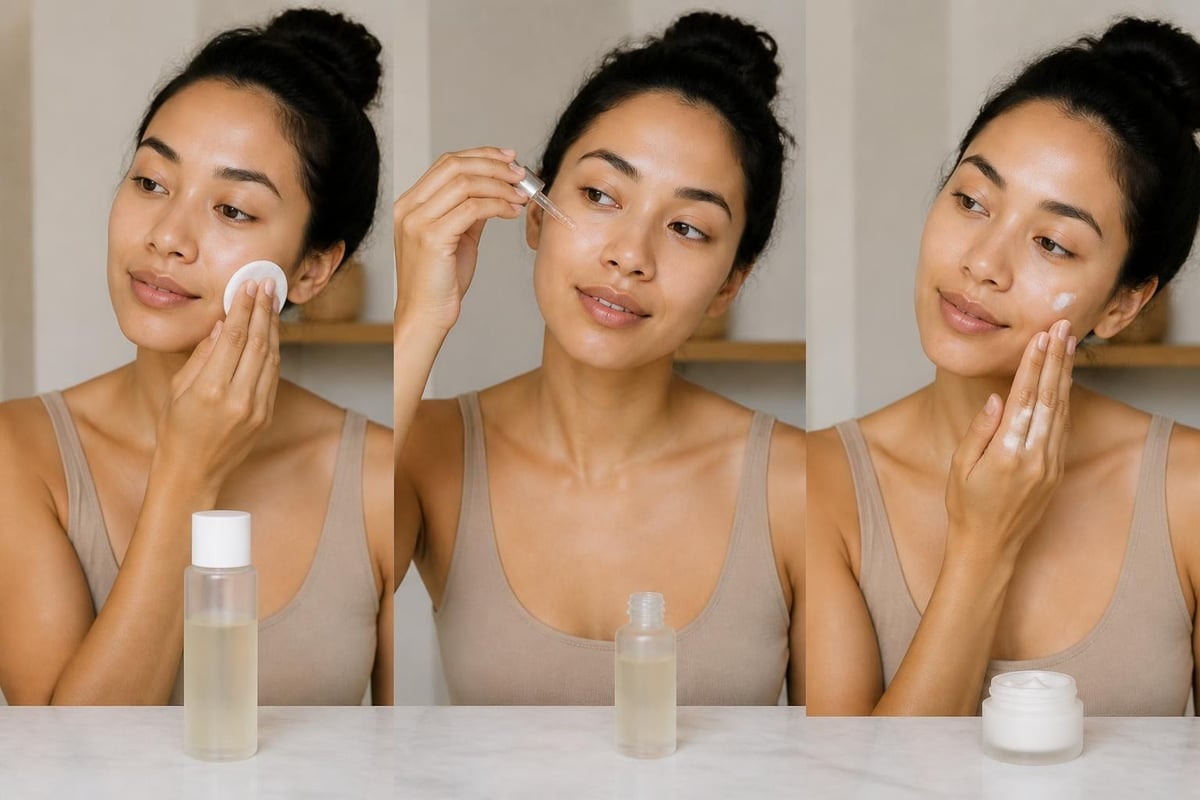
These watery products aren't technically moisturizers, but they're essential preparation. Applied to damp skin immediately after cleansing, essences flood skin with humectants before your moisturizer seals them in.
The layering approach-essence followed by serum, then moisturizer-builds hydration more effectively than a single thick cream. This method, rooted in Korean skincare philosophy, addresses dehydration through multiple thin layers rather than one heavy barrier.
Application Techniques That Maximize Hydration
Even the best moisturizer for dehydrated skin underperforms with poor application. Technique matters as much as formulation.
Prep Work: Never Skip This Step
- Cleanse gently with a non-stripping, pH-balanced cleanser
- Pat dry but leave skin slightly damp
- Apply hydrating products immediately within 60 seconds of cleansing
- Use gentle pressing motions rather than rubbing
That 60-second window is critical. Damp skin absorbs humectants more efficiently, and you're capitalizing on the water from cleansing rather than letting it evaporate.
The Press and Pat Method
Rubbing skincare in creates friction and potential irritation. Instead, warm the product between your palms, then press it gently into skin using flat hands. Follow with light patting to encourage absorption.
For areas prone to dehydration-around the eyes, along the cheekbones, across the forehead-apply an extra thin layer. These zones have fewer oil glands and lose water faster.
Frequency and Timing
Morning and evening application is standard, but dehydrated skin often benefits from additional hydration boosts. Keep a lightweight gel moisturizer at your desk for afternoon reapplication, especially in air-conditioned environments.
Overnight treatment deserves special attention. Your skin repairs itself during sleep, and water loss actually increases at night. A slightly richer nighttime moisturizer, possibly with added occlusive ingredients, supports this natural repair process. Forbes' moisturizer guide emphasizes the importance of distinct day and night formulations for optimal results.
System-Led Approaches to Long-Term Hydration
The best moisturizer for dehydrated skin works within a broader system rather than functioning in isolation. Skincare isn't about collecting the perfect products-it's about creating a disciplined routine where each step has a defined purpose.
The Target-Boost-Maintain Framework
This approach structures your routine into three clear categories. Target products address specific concerns like dark spots or texture. Boost products deliver active treatments like vitamin C or peptides. Maintain products-including your moisturizer-support barrier health and long-term skin confidence.
Within this framework, your moisturizer isn't doing everything. It's specifically maintaining hydration and barrier function while other products handle targeted improvement. This clarity prevents overloading skin and allows you to assess what's actually working.
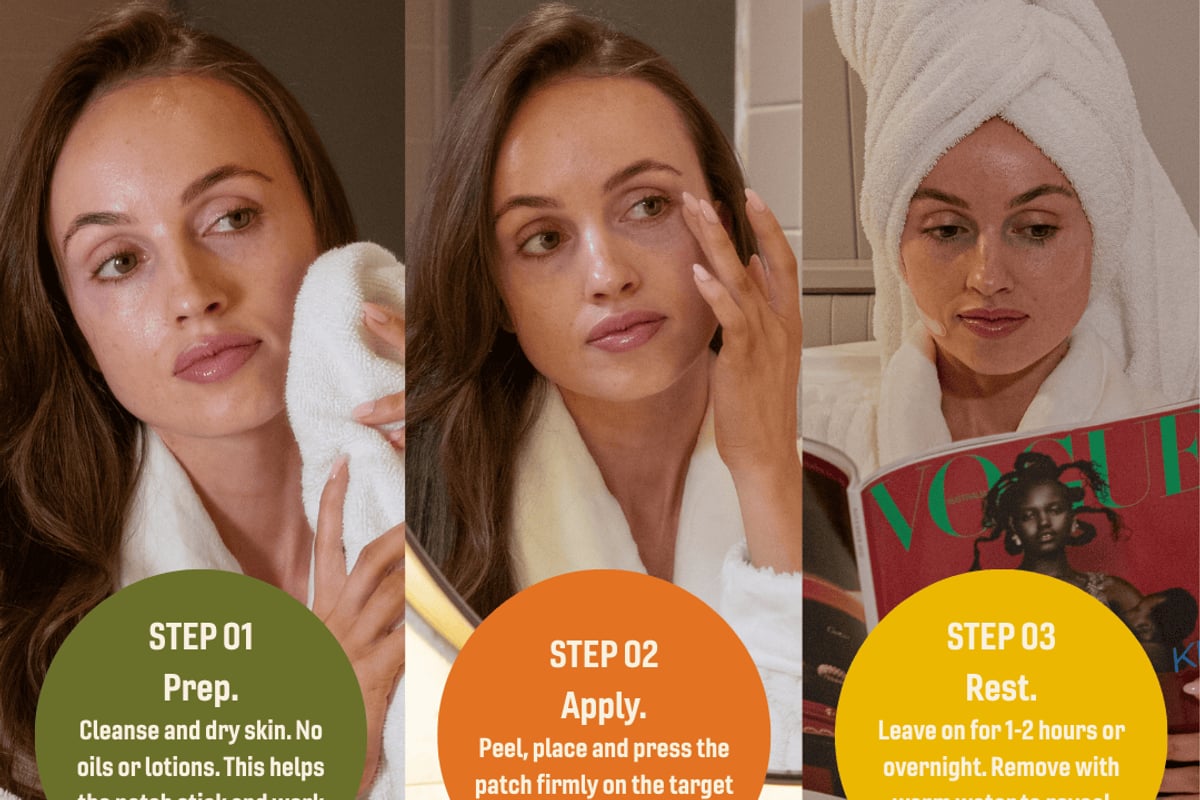
When you're dealing with both dehydration and other concerns like dark spots or uneven texture, a targeted solution like the Routine. Peptide MicroPatch can address specific areas precisely while your maintenance moisturizer keeps overall hydration balanced. This separation of roles prevents the common mistake of expecting one product to solve multiple issues simultaneously.
Consistency Over Complexity
Dehydration improves with consistent daily hydration, not sporadic intensive treatments. A simple routine performed twice daily outperforms an elaborate 10-step routine you only manage three times a week.
The minimum effective routine for dehydrated skin includes:
- Gentle cleanser
- Hydrating essence or toner
- Treatment serum (if needed)
- Moisturizer with humectants and occlusives
- Morning SPF
Everything beyond this should have a clear, specific purpose. Adding products for the sake of having a longer routine often introduces irritants that compromise your barrier and worsen dehydration.
Common Mistakes That Worsen Dehydration
Understanding what not to do is as important as knowing the right approaches. Several well-intentioned skincare habits actively dehydrate skin.
Over-Exfoliation and Acid Overuse
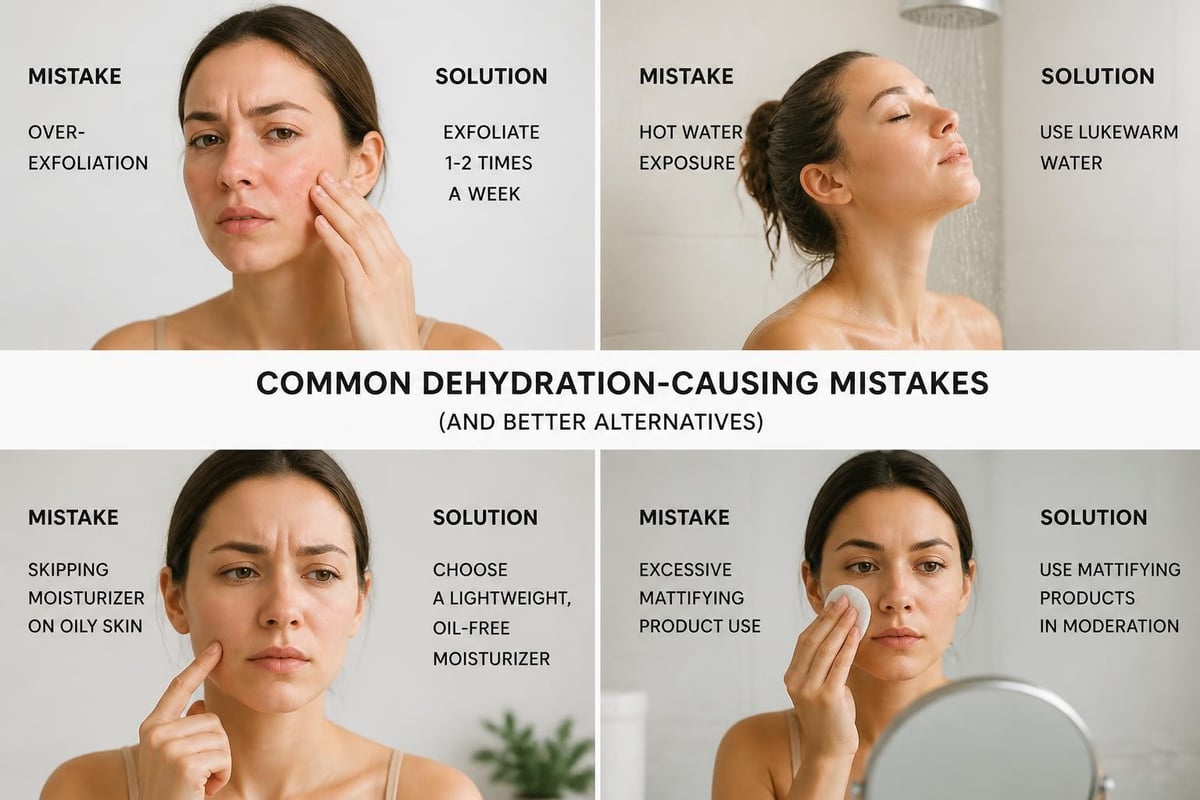
Chemical exfoliants-AHAs, BHAs, PHAs-can improve texture and radiance, but excessive use strips away the barrier layer that retains moisture. If you're using acids daily and experiencing tightness, scale back to 2-3 times weekly and increase moisturizer application.
Physical exfoliants like scrubs create micro-tears that increase water loss. They're generally unnecessary when chemical exfoliants are available, especially for dehydrated skin.
Hot Water and Long Showers
High water temperature feels soothing but actively dehydrates skin by stripping natural oils and disrupting barrier function. Lukewarm water preserves hydration better. Limit shower time to 5-10 minutes when possible.
After bathing, apply moisturizer to damp skin immediately. This is particularly important for body skin, which often shows dehydration through crepey texture on arms and legs.
Skipping Moisturizer Because Skin Feels Oily
This creates a vicious cycle. When skin is dehydrated, it often overproduces oil to compensate. Skipping moisturizer signals the skin to produce even more oil while remaining water-deprived underneath.
The solution is switching to a lighter moisturizer format (gel or gel-cream) rather than eliminating moisturizer entirely. Who What Wear's combination skin guide explores this balance in detail, showing how even oily zones need hydration.
Using Matte or Mattifying Products Excessively
Primers, powders, and mattifying moisturizers work by absorbing oil and water. Used daily, they can dehydrate skin further. If you need oil control, focus on sebum-regulating ingredients like niacinamide in your moisturizer rather than external mattifying products.
Lifestyle Factors That Impact Skin Hydration
No moisturizer, regardless of how well-formulated, can fully compensate for dehydrating lifestyle habits. External and internal factors work together to determine your skin's hydration status.
Hydration From Within
Water intake matters, though not as dramatically as skincare marketing suggests. Drinking water won't instantly plump your skin, but chronic dehydration does affect skin appearance over time. Aim for adequate fluid intake based on your activity level and climate-typically around 2-3 liters daily for most adults.
Electrolyte balance is equally important. Sodium, potassium, and magnesium help cells retain water. If you drink large amounts of plain water but remain dehydrated, adding electrolytes may help more than drinking even more water.
Environmental Protection
Your environment constantly pulls moisture from your skin. Climate-controlled buildings, airplane cabins, and cold weather are particularly dehydrating.
Humidifiers add moisture to dry air, reducing transepidermal water loss while you sleep. Running one in your bedroom can noticeably improve morning skin texture, especially in winter or dry climates.
SPF use prevents sun damage that compromises barrier function and increases water loss. UV exposure degrades collagen and elastin, making skin less able to retain moisture over time. Daily broad-spectrum SPF 30 or higher is non-negotiable.
Diet and Nutrition
Certain nutrients support skin's ability to maintain hydration. Omega-3 fatty acids from fish, flaxseed, and walnuts help build healthy cell membranes that retain water better. Vitamin C supports collagen production, which creates the structural matrix that holds water in skin tissue.
Anti-inflammatory foods reduce the low-grade inflammation that can compromise barrier function. Focus on vegetables, berries, fatty fish, and minimize processed foods and excess sugar.
Adjusting Your Moisturizer by Season and Climate
The best moisturizer for dehydrated skin in summer might feel insufficient in winter. Climate and season require routine adjustments.
Winter and Cold Weather Hydration
Cold air holds less moisture, and indoor heating dries out your environment further. Winter dehydration typically requires:
- Richer moisturizer textures with more occlusives
- Additional facial oil layered over or mixed with moisturizer
- More frequent reapplication, especially to exposed areas
- Heavier hand and body creams
Consider adding a sleeping mask or occlusive balm 1-2 nights weekly for intensive overnight hydration. Vogue's dry skin moisturizer roundup features several options suitable for cold weather months.
Summer and Humid Climate Considerations
High humidity might seem hydrating, but sun exposure, air conditioning, and perspiration can still dehydrate skin. Summer adjustments include:
- Lighter gel-cream textures that won't feel heavy in heat
- Emphasis on humectants that work well in humid air
- Consistent reapplication after swimming or sweating
- Integration with water-resistant SPF
Airplane travel deserves special mention as an extreme dehydration environment. Cabin humidity can drop below 20%, far lower than any climate you'd encounter on the ground. Bring a hydrating mist and rich moisturizer for long flights, and consider applying a sleeping mask mid-flight on overnight routes.
Transitional Seasons
Spring and autumn require flexibility. You might need your winter moisturizer on cold mornings but switch to summer formulas by afternoon. Having multiple moisturizer options isn't wasteful-it's responsive skincare that adapts to actual conditions rather than forcing one product to work year-round.
Building Your Dehydrated Skin Moisturizer Rotation
A strategic rotation prevents monotony and allows you to respond to changing needs without abandoning what works.
The Three-Moisturizer Approach
Many people find success with three formulations:
- Daytime lightweight: Gel or gel-cream with humectants and minimal occlusion, works under makeup
- Nighttime rich: Cream with balanced humectants, emollients, and occlusives for overnight barrier repair
- Intensive treatment: Richer balm or sleeping mask for use 1-3 times weekly when skin feels particularly dehydrated
This system provides flexibility without overwhelming complexity. You're not choosing from 10 products-you have clear options for specific situations.
Monitoring and Adjusting
Track how your skin responds over 4-6 weeks. Dehydration doesn't resolve overnight, but you should notice gradual improvement in:
- Reduced tightness after cleansing
- Improved makeup application and wear
- Fewer fine dehydration lines
- Better overall radiance
- Decreased sensitivity
If you're not seeing progress after six weeks of consistent routine use, reassess your products. You may need more occlusion, additional humectants, or to address underlying barrier damage with ceramide-rich formulas.
Special Considerations for Dehydrated Acne-Prone Skin
The intersection of dehydration and acne confuses many people. Acne-prone skin needs hydration just as much as any other type, but ingredient selection becomes more critical.
Non-Comedogenic Hydration
Look for the term "non-comedogenic" which indicates the product is less likely to clog pores. Key ingredients for dehydrated acne-prone skin include:
- Hyaluronic acid (all molecular weights)
- Niacinamide (reduces inflammation and regulates sebum)
- Glycerin (lightweight, non-pore-clogging)
- Squalane (biomimetic, doesn't trigger breakouts)
- Ceramides (barrier repair without occlusion)
Avoid heavy plant butters, coconut oil, and thick petrolatum-based formulas that can trap bacteria and trigger breakouts. Curology's moisturizer guide provides additional insights on balancing hydration with acne concerns.
The Dehydration-Breakout Cycle
Dehydrated skin often compensates by producing excess oil, which mixes with dead skin cells and clogs pores. Using drying acne treatments without adequate moisturizer perpetuates this cycle. The solution is gentle, hydrating skincare alongside targeted acne treatments, not aggressive drying.
If you're using tretinoin, benzoyl peroxide, or salicylic acid, buffer with moisturizer. Apply your treatment, wait 10-15 minutes, then apply moisturizer. Some people find mixing their treatment with moisturizer reduces irritation while maintaining effectiveness.
The Role of Professional Treatments and Medical-Grade Products
Sometimes over-the-counter options aren't enough, particularly if dehydration stems from damaged barrier function or underlying skin conditions.
When to See a Dermatologist
Consult a professional if you experience:
- Dehydration that doesn't improve after 2-3 months of proper routine
- Severe sensitivity or burning with most products
- Persistent redness or inflammation
- Sudden onset dehydration without clear cause
- Dehydration accompanied by texture changes, bumps, or rashes
These symptoms may indicate conditions like eczema, rosacea, or contact dermatitis that require medical treatment beyond moisturizer selection.
Professional Barrier Repair Treatments
Dermatologists can prescribe stronger barrier repair formulations containing:
- Prescription-strength ceramides in optimal ratios
- Cholesterol and fatty acids balanced for maximum barrier function
- Medical-grade hyaluronic acid in higher concentrations than OTC products
Professional treatments like hydrafacials, LED therapy, or gentle chemical peels can complement your home routine when performed appropriately and not over-done.
Understanding Product Claims and Marketing Language
The skincare industry uses specific language that can mislead consumers searching for the best moisturizer for dehydrated skin.
"Hydrating" vs "Moisturizing"
Technically, hydrating refers to increasing water content (humectants), while moisturizing refers to preventing water loss (occlusives and emollients). The best moisturizer for dehydrated skin does both, regardless of what the label emphasizes.
"Oil-Free" Isn't Always Better
Many people with dehydrated skin gravitate toward "oil-free" products, assuming their oily-looking skin doesn't need more oil. However, some oils (like squalane) are actually beneficial for dehydrated skin because they're non-comedogenic and support barrier function.
"Oil-free" matters most if you have true oily skin that isn't dehydrated, or if specific oils trigger your acne. Otherwise, focus on ingredient lists rather than this marketing claim.
"Fragrance-Free" Protects Barriers
Fragrance-both synthetic and natural essential oils-can irritate skin and compromise barrier function. For dehydrated skin already struggling with barrier issues, fragrance-free formulas reduce the risk of additional damage. Marie Claire's moisturizer guide emphasizes this point across multiple recommended products.
Realistic Expectations Around "Instant Results"
Marketing often promises immediate plumping or radiance. While good moisturizers do provide quick surface improvement, actual cellular hydration and barrier repair take consistent use over weeks. Don't judge a moisturizer solely on day-one results-assess it after 2-4 weeks of twice-daily application.
Ingredient Combinations That Enhance Effectiveness
Certain ingredients work synergistically, delivering better results together than individually. Understanding these combinations helps you evaluate formulations more critically.
Hyaluronic Acid + Ceramides
This pairing addresses dehydration from two angles. Hyaluronic acid pulls water into skin cells while ceramides repair the barrier that keeps that water from escaping. Many of the most effective formulas for dehydrated skin feature both.
Niacinamide + Glycerin
Niacinamide boosts your skin's natural production of barrier lipids and helps retain moisture. Paired with glycerin's immediate humectant effects, this combination provides both instant and long-term hydration benefits.
Peptides + Humectants
Peptides signal skin to produce more collagen and strengthen structural support. Combined with humectants that fill these strengthened structures with water, you get firmer, more resilient, better-hydrated skin over time.
What Doesn't Mix Well
Some combinations reduce effectiveness or cause irritation:
- Vitamin C + certain peptides: Some peptides destabilize in the low pH needed for vitamin C efficacy
- Retinoids + multiple acids: This combination can over-exfoliate and severely dehydrate
- Too many actives at once: More isn't better-excessive layering leads to irritation and barrier damage
The best approach pairs active treatments with supportive, hydrating products rather than stacking multiple actives together.
Budget Considerations and Value Assessment
The best moisturizer for dehydrated skin doesn't have to be the most expensive. Price reflects many factors beyond actual effectiveness-packaging, marketing, brand positioning, and exclusivity all contribute to cost.
Identifying Real Value
Evaluate products based on:
| Factor | What to Look For | Red Flags |
|---|---|---|
| Ingredient concentration | Active ingredients in first 5 ingredients | Actives listed far down the ingredient list |
| Container type | Airless pump, opaque packaging | Clear jars that expose ingredients to light/air |
| Product volume | Cost per ounce or milliliter | Tiny containers with luxury pricing |
| Multi-functional | Combines humectants, occlusives, emollients | Single-benefit products requiring multiple purchases |
Affordable options often feature excellent formulations with simple packaging and minimal marketing. The price difference between a $15 and $150 moisturizer doesn't always reflect a 10x difference in effectiveness.
When Premium Products Make Sense
Higher-end products may offer advantages in:
- Elegant textures that encourage consistent use
- Innovative delivery systems that enhance absorption
- Higher concentrations of expensive ingredients like peptides
- Extensive testing for stability and safety
If you'll actually use a $100 moisturizer consistently but constantly skip the $20 version because you dislike the texture, the premium product provides better value through compliance.
Sample and Test Before Committing
Many retailers offer samples or generous return policies. Test new moisturizers for at least one week to assess:
- How your skin feels after application
- Whether it works under your makeup
- If the texture encourages twice-daily use
- Any signs of irritation or sensitivity
Don't judge entirely on the first application-give products several days to show their true performance.
The Future of Hydration: Emerging Technologies and Ingredients
Skincare innovation continues to evolve, with new approaches to addressing dehydration emerging regularly.
Fermented Ingredients
Fermentation breaks down ingredients into smaller molecules that penetrate more efficiently. Fermented hyaluronic acid, for example, may deliver deeper hydration than standard versions. Fermented extracts also provide additional antioxidants and skin-beneficial compounds.
Microbiome-Focused Formulations
Your skin's microbiome-the collection of beneficial bacteria on your skin surface-plays a role in barrier health and moisture retention. Prebiotics and probiotics in skincare support a balanced microbiome, potentially improving your skin's natural ability to maintain hydration.
Advanced Delivery Systems
Liposomal encapsulation, time-release technologies, and other delivery innovations help ingredients penetrate to the right depth at the right time. These systems can extend moisturizer effectiveness, reducing how often you need to reapply.
Biomimetic Ingredients
Ingredients that mimic skin's natural structure-like skin-identical ceramides or synthetic squalane-integrate seamlessly into your barrier, often performing better than their natural counterparts. Expect to see more research-backed biomimetic compounds in future formulations.
Finding the best moisturizer for dehydrated skin requires understanding your specific needs, selecting formulations with proven humectants and occlusives, and maintaining consistent application within a structured routine. When skincare operates as a clear system rather than a collection of isolated products, each element supports the others for compounding benefits that extend far beyond temporary hydration. Routine. Beauty offers a disciplined, system-led approach to skincare where every product has one defined role-Target, Boost, or Maintain-working together to build long-term skin confidence rather than chasing endless product solutions.

