


Skin slugging has emerged as one of the most discussed skincare techniques in recent years, transforming how people approach overnight hydration and moisture retention. This method, which involves applying an occlusive layer as the final step in your evening routine, creates a protective barrier that locks in moisture and prevents transepidermal water loss while you sleep. Despite its somewhat unappealing name, skin slugging represents a time-tested approach to maintaining skin health that has gained renewed attention through social media platforms and beauty communities worldwide.
Understanding the Science Behind Skin Slugging
The fundamental principle of skin slugging centres on creating an occlusive seal over the skin's surface. When you apply a thick, petroleum-based product as the last step in your skincare routine, you're essentially forming a protective barrier that prevents moisture from escaping through evaporation.
This technique works by reducing transepidermal water loss (TEWL), the process by which water passes from inside the body through the epidermis to the surrounding atmosphere. During sleep, when the skin naturally undergoes repair and regeneration, maintaining optimal hydration levels becomes crucial for these processes to function effectively.
The Barrier Function and Moisture Retention
Your skin's natural barrier comprises lipids, ceramides, and proteins that work together to retain moisture and protect against environmental stressors. However, factors like harsh weather, aging, over-exfoliation, and certain skincare ingredients can compromise this barrier.
Skin slugging temporarily reinforces this protective function by:
- Creating a physical occlusive layer that reduces water evaporation
- Allowing previously applied hydrating ingredients to penetrate more effectively
- Supporting the skin's natural repair processes during rest
- Protecting compromised or sensitised skin from environmental exposure
The overnight application allows maximum benefit, as your skin shifts into regeneration mode during sleep cycles. This makes skin slugging particularly effective for those experiencing dryness, sensitivity, or barrier damage.
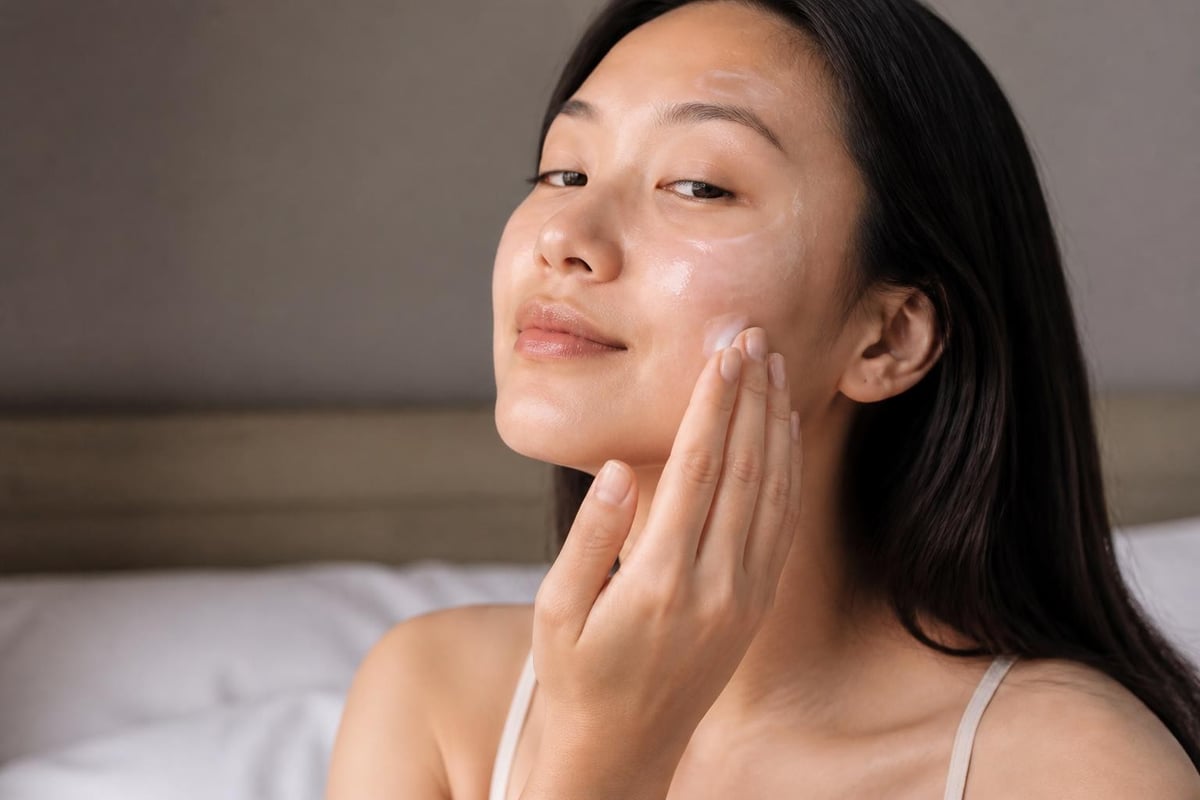
The Historical Context of Slugging
While skin slugging may seem like a recent innovation, the practice has deep roots in skincare traditions across various cultures. Korean beauty routines have long incorporated similar techniques, using thick creams and balms as final steps to seal in moisture and protect the skin.
National Geographic explores the cultural significance of this practice, noting that petroleum jelly has been used for skin protection for over a century. The method gained its current name and widespread popularity through social media platforms, where users shared their experiences with overnight occlusive treatments.
In 2026, dermatologists and skincare professionals continue to recognise the value of this traditional approach, particularly for managing specific skin concerns and conditions.
Who Benefits Most from Skin Slugging
Not everyone needs to incorporate skin slugging into their routine, but certain skin types and conditions respond exceptionally well to this technique.
Ideal Candidates for Slugging
Dry skin sufferers represent the primary beneficiaries of skin slugging. If you struggle with flakiness, tightness, or rough texture, the occlusive barrier can provide significant relief by maximising moisture retention.
Mature skin often loses its ability to maintain adequate hydration due to decreased ceramide production and thinning of the lipid barrier. Skin slugging helps compensate for these age-related changes by providing external support for moisture retention.
Sensitive or reactive skin can benefit from the protective layer that slugging provides, particularly when the skin barrier has been compromised by treatments, environmental exposure, or inflammatory conditions.
| Skin Type | Slugging Benefit | Frequency Recommendation |
|---|---|---|
| Dry | Maximum moisture retention | 3-5 times weekly |
| Mature | Barrier support, plumping | 2-4 times weekly |
| Sensitive | Protection from irritants | As needed during flares |
| Combination | Targeted application only | 1-2 times weekly |
| Oily/Acne-prone | Generally not recommended | Occasional spot treatment |
When to Avoid Slugging
WebMD outlines important considerations for those with acne-prone or oily skin. The occlusive nature of skin slugging can trap bacteria, sebum, and debris, potentially worsening breakouts or causing congestion.
Active acne, fungal infections, or severely clogged pores contraindicate this technique. If you're using potent active ingredients like retinoids or acids, skin slugging may intensify their effects beyond comfortable levels, leading to irritation.
The Proper Skin Slugging Technique
Executing skin slugging correctly maximises its benefits while minimising potential drawbacks. The process requires attention to timing, product selection, and application method.
Step-by-Step Application Process
-
Begin with thoroughly cleansed skin using a gentle, pH-balanced cleanser that removes makeup, sunscreen, and daily buildup without stripping natural oils.
-
Apply your treatment products in order of consistency from thinnest to thickest, allowing each layer to absorb before proceeding to the next.
-
Include a hydrating serum or essence containing humectants like hyaluronic acid, glycerin, or beta-glucan to draw moisture into the skin.
-
Layer your regular moisturiser to provide foundational hydration and skin-nourishing ingredients.
-
Wait 5-10 minutes for previous layers to absorb and settle into the skin properly.
-
Apply your occlusive product using clean hands or a spatula, spreading a thin, even layer across the face while avoiding the eye area unless using a specific eye product.
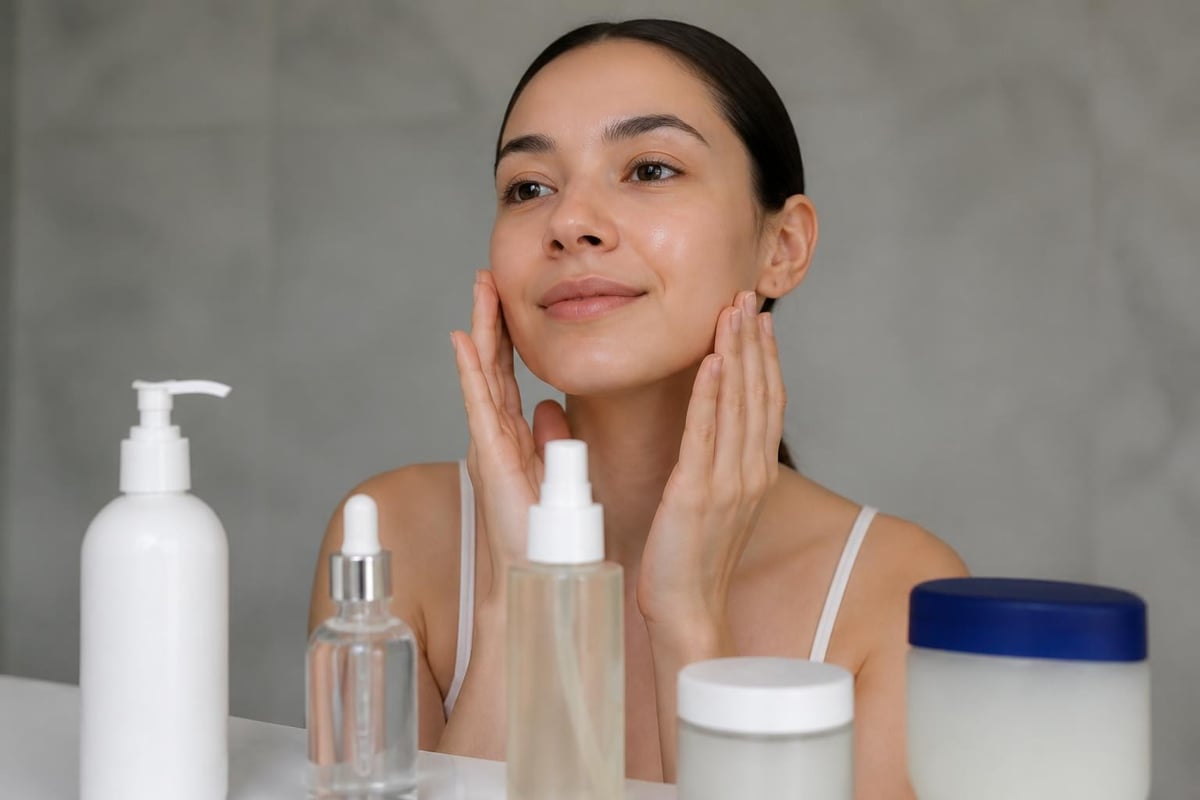
Application Tips for Success
Less is genuinely more with skin slugging. A thin layer suffices to create the necessary barrier without feeling overly heavy or transferring to pillowcases excessively.
Focus application on areas prone to dryness like the cheeks, jawline, and around the mouth. You can skip naturally oilier zones like the T-zone if you have combination skin.
For those concerned about product transfer, consider using a clean towel over your pillow or investing in silk pillowcases that create less friction against the skin.
Selecting the Right Products for Slugging
Product choice significantly impacts the effectiveness and comfort of your skin slugging routine. While traditional petroleum jelly remains popular, several alternatives cater to different preferences and skin needs.
Traditional Occlusive Options
Petroleum jelly (petrolatum) represents the classic choice for skin slugging. It creates an effective barrier, is hypoallergenic, and suits most skin types when used appropriately. Pure petroleum jelly contains no additional ingredients that might cause reactions.
Lanolin-based products offer similar occlusive properties with added emollient benefits. However, some individuals may experience sensitivity to lanolin.
Modern Alternatives
Squalane-based occlusives provide a lighter feel while still creating a protective barrier. Derived from olives or sugarcane, squalane mimics the skin's natural sebum and suits those who find petroleum jelly too heavy.
Ceramide-rich barrier creams combine occlusive properties with skin-identical lipids that support barrier repair. These products work particularly well for compromised or sensitised skin.
K-beauty brands like nooni have developed innovative formulations that incorporate traditional occlusive techniques with modern skincare science, offering options that feel comfortable while providing protective benefits.
What to Avoid
Steer clear of products containing fragrance, essential oils, or active ingredients in your slugging product. The occlusive layer intensifies absorption, which can lead to irritation if these components are sealed against the skin overnight.
Comedogenic ingredients like coconut oil or cocoa butter may cause congestion in susceptible individuals, making them poor choices for facial skin slugging.
Integrating Slugging into Your Skincare System
Successful skin slugging requires thoughtful integration into your broader skincare routine rather than random application. Understanding how this technique fits within a structured approach ensures optimal results.
Frequency and Timing
Most people benefit from skin slugging 2-3 times weekly rather than nightly. This frequency provides hydration support without overwhelming the skin or creating dependency on external barrier support.
Consider slugging after treatments that may compromise the barrier, such as exfoliation, professional treatments, or during environmental challenges like cold, dry weather or air travel.
Combining with Active Ingredients
Be cautious when slugging over active ingredients. The occlusive layer increases penetration, which can intensify both benefits and potential irritation.
If you use retinoids, apply them on non-slugging nights, or ensure your skin has built tolerance before occasionally combining them with occlusive treatments. Healthline discusses these considerations in detail, noting that some people successfully slug over retinoids, while others experience excessive sensitivity.
Vitamin C, niacinamide, and peptides generally pair well with skin slugging, as the enhanced absorption can boost their efficacy without significant irritation risk.
Advanced Slugging Techniques for Specific Concerns
Beyond basic overnight application, skin slugging can be adapted for targeted concerns and specific skin areas.
Targeted Area Slugging
Lip slugging addresses chronically dry, chapped lips by applying a thick balm or petroleum jelly before bed. This technique works exceptionally well during winter months or for those prone to lip dehydration.
Hand and foot slugging involves applying occlusive products to extremely dry hands or feet, then covering with cotton gloves or socks overnight. This intensive treatment dramatically improves severe dryness and cracking.
Under-eye slugging requires specially formulated eye products rather than facial occlusives, as the delicate eye area has unique needs and sensitivities.
Body Slugging Applications
| Area | Best Practice | Expected Results |
|---|---|---|
| Elbows/Knees | Apply after shower on damp skin | Softened, smoothed rough patches |
| Hands | Use gloves overnight | Intensive moisture repair |
| Feet | Cover with cotton socks | Reduced calluses, softer skin |
| Décolletage | Thin layer to prevent transfer | Improved texture, hydration |
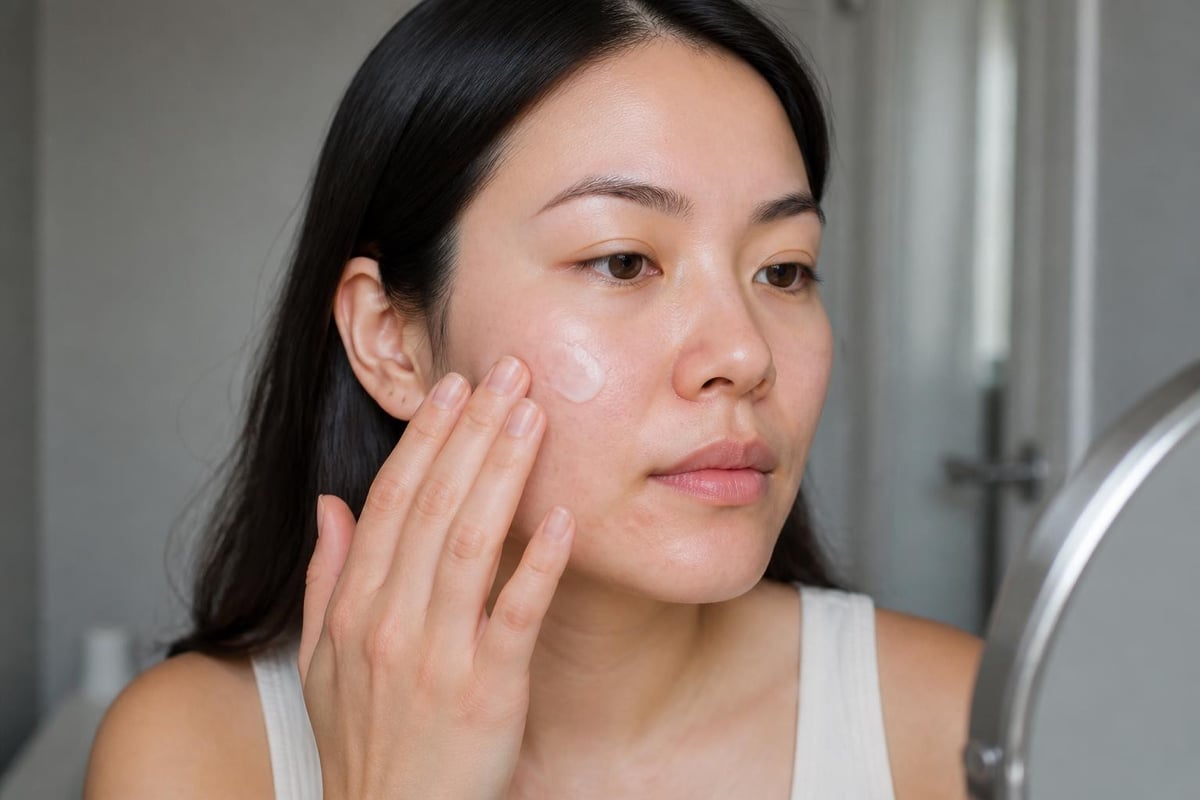
The principles of skin slugging extend beyond the face, making it valuable for managing dry patches, textured areas, or compromised skin anywhere on the body.
Common Mistakes and How to Avoid Them
Even with proper understanding, several common errors can undermine skin slugging effectiveness or cause unwanted side effects.
Applying to Uncleansed Skin
The most critical mistake involves slugging over dirty skin. Sealing in makeup, sunscreen residue, pollution, or bacteria creates an environment for congestion and breakouts. Always start with thoroughly cleansed skin.
Using Too Much Product
Excessive application wastes product, feels uncomfortable, and increases the likelihood of transfer to bedding. A thin, barely visible layer suffices to create the necessary barrier.
Slugging with Active Breakouts
Applying occlusive products over active acne can trap bacteria and worsen inflammation. Teen Vogue explores this concern, recommending that those with active breakouts skip slugging until skin clears.
Expecting Immediate Transformation
While skin slugging provides immediate comfort for dry skin, significant improvements in barrier function and overall skin health require consistent application over weeks. Patience remains essential for seeing lasting results.
Enhancing Results with Complementary Treatments
Skin slugging works most effectively as part of a comprehensive approach rather than an isolated technique. Pairing it with treatments that support skin health from different angles maximises overall results.
Pre-Slugging Preparation
Gentle exfoliation 1-2 times weekly removes dead skin cells that might prevent optimal absorption of hydrating products applied before slugging. Chemical exfoliants like lactic acid or PHA work well for most skin types without causing excessive irritation.
Humectant-rich serums applied before your occlusive layer pull moisture from the environment and deeper skin layers, which the slugging barrier then traps in the epidermis.
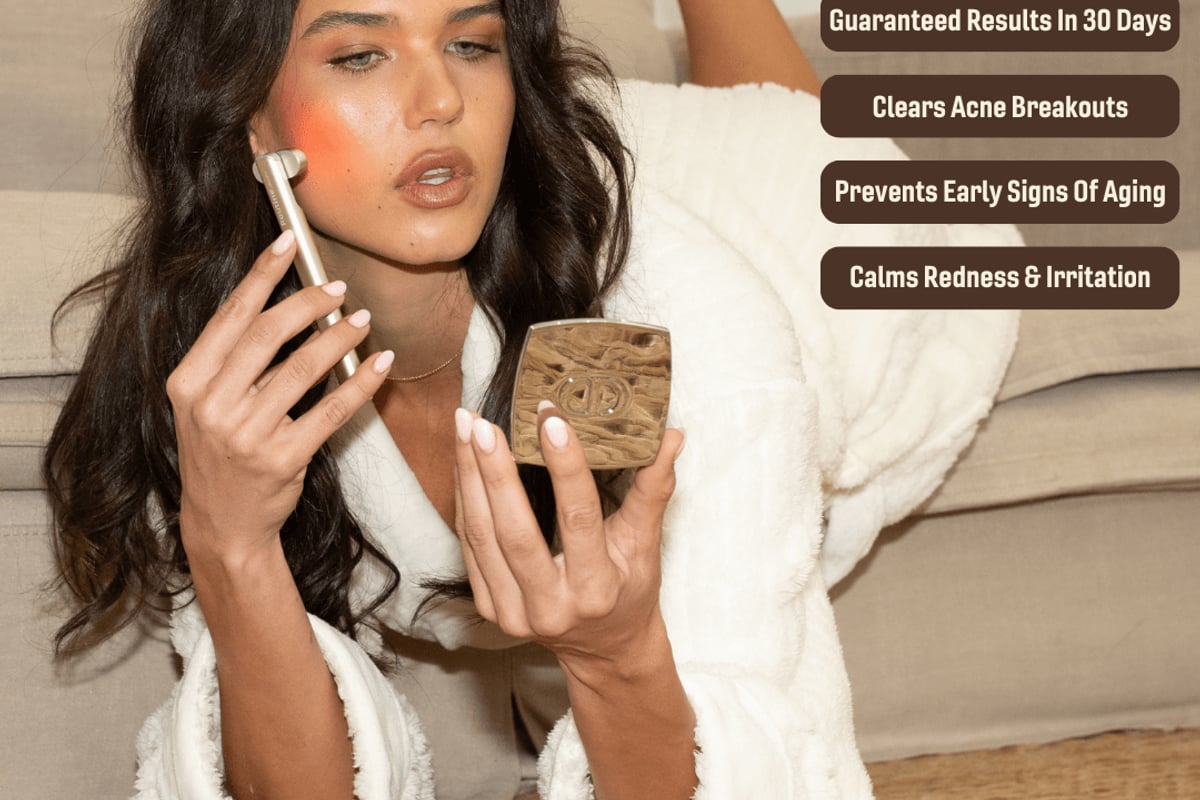
Integrating supportive treatments like red light therapy can enhance skin slugging results by improving circulation and supporting cellular repair processes. The Routine. Wand offers daily red and blue light therapy that complements barrier-focused techniques by calming inflammation and refining texture, creating an ideal foundation for moisture retention treatments.
Hydration from Within
External occlusion works more effectively when combined with adequate internal hydration. Drinking sufficient water, consuming omega-3 fatty acids, and maintaining a diet rich in skin-supporting nutrients creates the foundation for external skincare to build upon.
Monitoring Results and Adjusting Your Approach
Skin slugging affects everyone differently, making it essential to observe how your skin responds and adjust accordingly.
Signs of Success
Improved hydration levels manifest as plumper, more supple skin that maintains moisture throughout the day. You'll notice reduced tightness, less flaking, and a more comfortable overall feel.
Enhanced barrier function shows through decreased sensitivity to environmental factors, reduced reactivity to products, and faster recovery from irritation or treatments.
Smoothed texture develops over time as proper hydration supports cellular turnover and maintains the skin's structural integrity.
Warning Signs to Address
Increased breakouts or congestion indicate that skin slugging may not suit your current skin condition. Consider reducing frequency, using lighter occlusives, or applying only to dry patches rather than the entire face.
Excessive oiliness or greasiness during the day suggests you're applying too much product or slugging too frequently for your skin's needs.
Milia development around the eyes or on cheeks signals that the occlusive product may be too heavy for these areas, requiring either lighter alternatives or more targeted application.
Seasonal Considerations for Skin Slugging
Environmental factors significantly impact how your skin responds to occlusive treatments, making seasonal adjustments important for optimal results.
Winter Slugging Strategies
Cold, dry air depletes skin moisture rapidly, making winter the ideal season for regular skin slugging. Indoor heating further compromises the skin barrier, increasing the value of overnight occlusive treatments.
Consider slugging 3-5 times weekly during harsh winter months, particularly if you experience seasonal dryness or eczema flares. The Philadelphia Inquirer discusses seasonal applications and expert recommendations for different climates.
Summer Modifications
Warmer temperatures and higher humidity levels reduce the need for intensive occlusive treatments. Scale back to 1-2 times weekly or apply only to specific dry areas rather than the entire face.
Air conditioning can create unexpectedly dry environments, so monitor your skin's response and adjust frequency as needed rather than assuming summer eliminates the need for slugging.
| Season | Slugging Frequency | Key Considerations |
|---|---|---|
| Winter | 3-5 times weekly | Combat heating, cold, low humidity |
| Spring | 2-3 times weekly | Transition period, moderate needs |
| Summer | 1-2 times weekly | Reduce if humidity is high |
| Autumn | 2-4 times weekly | Prepare barrier for winter |
Travel and Environmental Changes
Air travel severely dehydrates skin due to pressurised cabin environments. Slugging the night before and after flights helps counteract this effect, though you'll want to use travel-friendly packaging and lighter layers during the flight itself.
Moving between climates requires skin adjustment periods. Increase slugging frequency when transitioning to drier environments and decrease when moving to more humid locations.
Professional Perspectives and Clinical Evidence
Dermatologists have weighed in on the skin slugging phenomenon, offering evidence-based perspectives on its benefits and limitations.
Dermatological Support
Skin health professionals generally support skin slugging for appropriate candidates, particularly those with compromised barriers, chronic dryness, or sensitivity issues. Altru Health System explains the clinical rationale behind using occlusive treatments for barrier repair.
The technique aligns with established dermatological principles about barrier function and moisture retention. Occlusives have long been recommended for conditions like eczema and extremely dry skin.
Research on Transepidermal Water Loss
Studies measuring TEWL demonstrate that occlusive products significantly reduce moisture evaporation from the skin surface. This reduction allows the stratum corneum to maintain optimal hydration levels necessary for proper barrier function.
When the barrier functions effectively, skin appears healthier, tolerates treatments better, and experiences fewer inflammatory responses to environmental stressors.
Limitations and Realistic Expectations
While skin slugging effectively addresses hydration and barrier concerns, it cannot reverse significant photoaging, eliminate deep wrinkles, or treat active skin conditions requiring medical intervention. Setting realistic expectations prevents disappointment and ensures you use the technique for appropriate purposes.
Building a Sustainable Slugging Routine
Long-term success with skin slugging requires creating a sustainable approach that fits your lifestyle, budget, and skin needs.
Cost-Effective Implementation
Skin slugging ranks among the most affordable skincare techniques. Basic petroleum jelly costs minimal amounts and lasts months even with regular use. This accessibility makes it valuable for those seeking results without significant financial investment.
Creating Consistency Without Obsession
Skincare should enhance your life rather than dominate it. Schedule slugging nights in advance, perhaps aligning them with other weekly routines or following treatments that warrant extra barrier support.
If you miss a scheduled slugging night, simply continue with your regular routine rather than attempting to compensate. Consistency matters more than perfection.
Knowing When to Seek Professional Guidance
Persistent dryness, barrier damage, or skin concerns that don't respond to home care warrant professional evaluation. Dermatologists can identify underlying conditions that require medical treatment rather than cosmetic approaches.
If you experience unexpected reactions, worsening skin conditions, or uncertainty about whether skin slugging suits your needs, consultation with a skincare professional provides personalised guidance.
The Future of Occlusive Skincare
As we progress through 2026, skincare innovation continues to refine and expand upon traditional techniques like skin slugging.
Emerging Formulations
Breathable occlusives represent the next evolution, using advanced polymers that create protective barriers while allowing some gas exchange. These formulations aim to provide barrier support without the sealed feeling some people find uncomfortable.
Hybrid products combine occlusive properties with active ingredients designed for overnight delivery, creating multi-functional treatments that serve both protective and corrective purposes.
Technology Integration
Smart skincare devices that measure skin hydration levels help users determine optimal slugging frequency based on objective data rather than guesswork. These tools allow personalisation based on actual skin needs rather than generalised recommendations.
Formulations increasingly incorporate skin-identical lipids, ceramides, and other barrier-supporting ingredients alongside traditional occlusives, enhancing the barrier-repair benefits beyond simple moisture retention.
Skin slugging offers a simple yet effective approach to supporting barrier health and managing dryness when applied thoughtfully and consistently. By understanding your skin's unique needs and integrating this technique appropriately, you can enhance hydration, comfort, and overall skin resilience. Routine. Beauty provides a structured, system-led approach to skincare that complements barrier-focused techniques through targeted treatments, supportive maintenance products, and tools designed to work together seamlessly for long-term skin confidence.
